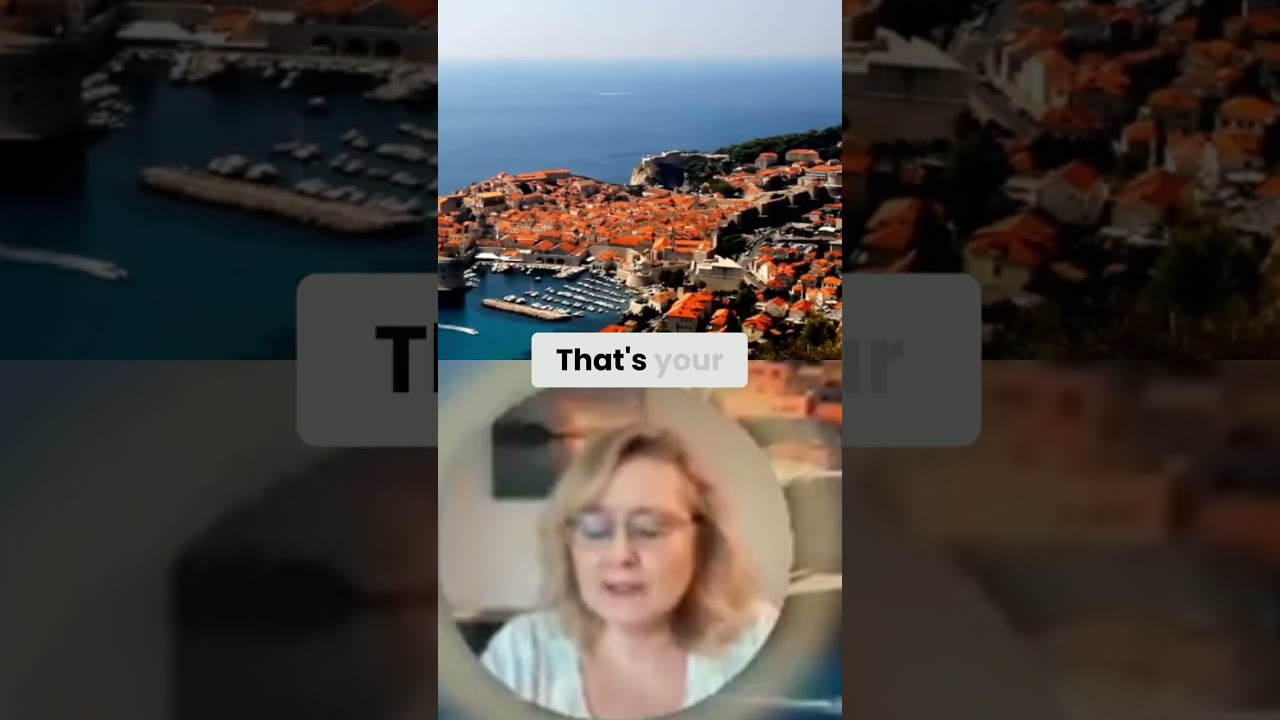
In this 7‑minute travelogue, Dr. B, host of FHL Travel, recounts a multi‑week South African adventure that began with a week‑long stay in Cape Town, showcasing its iconic Table Mountain, waterfront, and ocean vistas, before flying to Johannesburg and driving to Kruger National Park. The narrative focuses on the stay at Gikgiza Rest Camp along the Sabie River, describing the African‑style hut accommodations equipped with double beds, private bathrooms, electricity, and air‑conditioning. Dr. B details both dusk and dawn game drives in open‑air vehicles, emphasizing the presence of fully armed guides, strict safety protocols, and the option for self‑driving versus guided tours. He highlights wildlife encounters—including the Big Five (lion, leopard, elephant, buffalo, rhino), giraffes, hippos, kudu, and a herd of elephants crossing the river—along with a walking safari that brought guests close to elephants. The video also notes park infrastructure changes, such as the nearby 5‑star Bridge Hotel and high‑voltage fencing that creates a safe zone around the camp. Throughout, Dr. B reflects on the emotional impact of witnessing animals in their natural habitat, urges viewers to respect park ranger guidance, and invites interested viewers to contact him for travel services via information in the video description.
Chapters
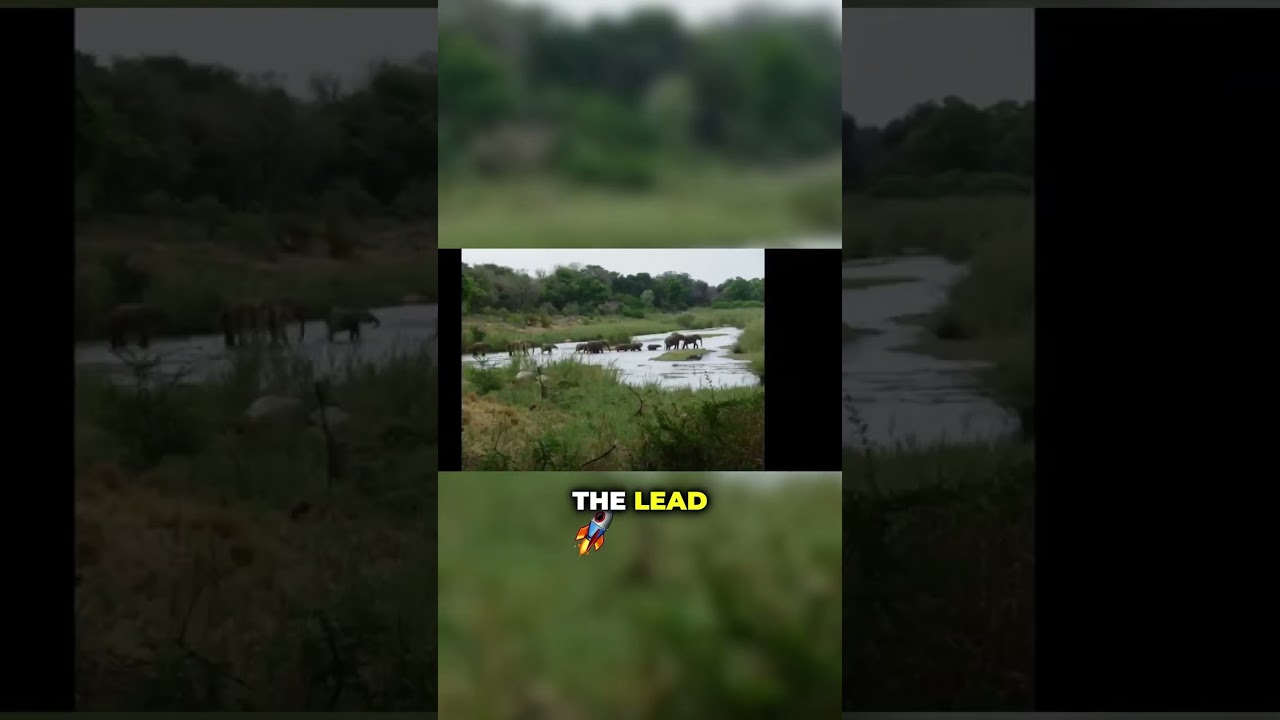
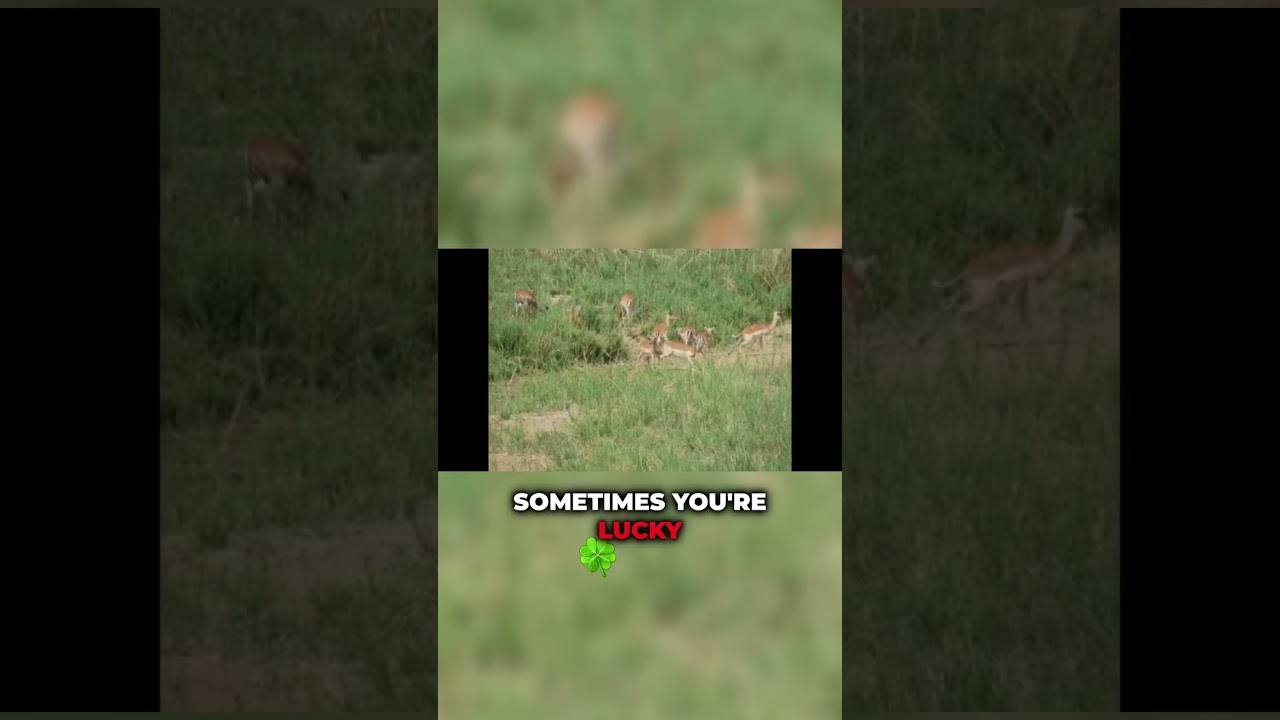
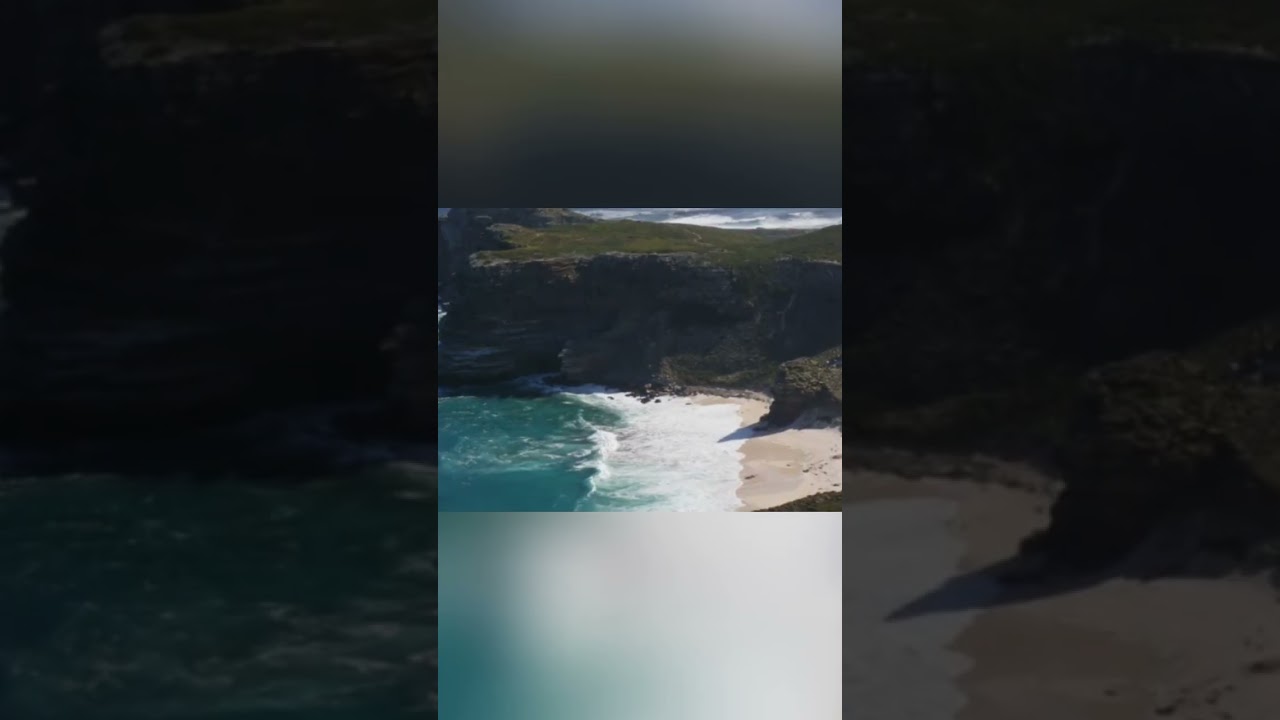
Hey everybody, welcome to FHL Travel. I'm Dr. B, and today I'm going to be telling you about one of the most amazing experiences of my life, which was going on a safari in South Africa. After 7 weeks in Cape Town, Where we saw amazing ocean views, towering cliffs, sparkling oceans, a magnificent waterfront that rivals San Francisco's, and the magnificent Table Mountain. We flew from Cape Town, South Africa up to Johannesburg. Cape Town is on the western part of the country and Johannesburg is way up in the northeast. From there, we drove up to Kruger National Park. So you can see we still had a bit of a drive ahead of us. First heading west and then north into Kruger. At Kruger, we drove into the Gikgiza Rest Camp, which is located right along the Sabie River. There are some newer resorts there, but this is the one we stayed at. You can see African-style huts inside of Kruger National Park. And I took this slide from a website that is still alive today where you can learn a lot. But the goal of safari is to be able to spot We saw a lot of the Big 5, the lions and the leopards, the giraffes, the water buffalo, and everything else you can imagine between them. But seeing them in their natural habitat is the prize. After a drive with our group in our African Adventure Van, we ended up at the park. On the way, you pass a lot of the crops that they're growing there. I believe that was sugarcane and plantains. And that's the countryside. And of course, they're big soccer fans. That's our— that's one of the safari vehicles that you can drive in. Which is the kind we took. But there to greet us at the entrance to the park was a little old leper. He was just sitting there doing his job, like gate entry was his, his main, his main job, although he was sleeping on it. There's a nice lodge when you first get there, and that was the entryway, and then my room. My room was a great hotel room. It was inside one of those huts that you saw, but it had 2 double beds, it had a fully functional bathroom, electricity, air conditioning, so it was awesome. And it was like having your own private hotel room in the middle of the jungle, in the middle of the camp. Not long after we arrived, we set out on our first evening safari. Our very competent guide was telling us what the dusk time safari was going to be like. We stayed out for several hours, but pretty soon it was too dark, and even with the spotlights, we were unable to see any more animals. So we headed back to the lodge, and we had a magnificent dinner, really almost a feast buffet, in a room set up specially for us at the lodge. The next morning, we were up at 5 AM for dawn, and it didn't take long before We got in the truck and saw our first giraffes of the morning. There they were out getting ready for breakfast, and it was amazing. So I'm just going to let you kind of experience this with me and see some of what we saw. The morning drive lasted about 3 hours, and we got back to camp about 9 AM. It's important to note here that we were in one of the open-air vehicles, and our guide was fully armed with a shotgun. So if those animals had Acted erratically, and you can't predict what a wild animal is going to do. And we were obviously in their home. They were not in ours. But if they would have acted unpredictably, the guards and the guides had orders to shoot to kill. So it's important to note that because cars do enter the park and they do drive around the park freely. And if you want to rent a car, you're free to do that. But know that you are in their— if you don't have experience, you should either seek the counsel of a guide before you go out on your own. You should listen closely to what the park rangers say, and even if you are with an official park ranger, you should follow their orders closely. Part of my group was able to go out on a walking safari later, and they did see some elephants up close, just out basically on a hike. So know that they got some great pictures, but they also were with an experienced local guide that was fully armed. So they take that very seriously. And I say that— So you take your safety and the safety of party members in your group seriously. What you're seeing here is pictures I took right around camp. Now the camp we were in, it's important to know, you don't see it in any of the pictures I took. In fact, I didn't see it until I went to some of the outer parts of the park. But it's the campground and it is surrounded by high-voltage electrical wire. So, we felt very safe walking around the camp, but it, it is a safe zone. The wild animals don't come into this particular camp. There are safaris that you can take where you're literally out on the plain, but that was not the case with this camp, and it was a little bit more high-end. Now, just a few seconds back, you saw a picture of a bridge. There is now a 5-star hotel that is right by that bridge. In fact, they call it the Bridge Hotel. So it's very interesting to see how the park has changed itself and how modern it's become. After we had breakfast in a little buffet area, we just went— I just went and sat by the river, and some of my party had walked down one of the trails along the river shore, and we got to see some magnificent Creatures that we didn't have to drive anywhere for. This hippopotamus was one of them, and she and her— she was guiding her baby across the river. They were going left, and it was quite sweet just to watch them walk, walk by and pop up out of the water. At first you look at them and you think, is that really what we're seeing? And sure enough, it is. So it was really, really special. We kept staring into the river, watching that hippo and her baby continue to walk across, and one of the members of the party said, I think I see something further down there in the bush. What is it? Because they were quite a distance away, and you can't really sometimes make out what's happening in the bush. So you pay close attention. There's, there's the fancy— the bridge where the fancy hotel is now. But there's a kudu right there. So he was across the river. And if you see one, sometimes you're lucky enough to get to see the whole herd. And we watched and watched and waited a little bit more, and sure enough, out of the brush came an elephant, and then another elephant. And before we knew it, we realized there was a whole herd of elephants that decided to cross the river that afternoon too, and we just happened to be there. Apparently it was a whole family. There were big ones and little ones. A couple of the big ones were taking the lead. And the little ones, they were staying close to their mama and their papa. Hey everybody, if you have watched this video this far, you got to experience a little bit of my African safari. We did both a dawn and a dusk drive flying home back to Cape Town. I think you realize that you're never the same again, just seeing the wildlife in their natural habitat. Seeing the beauty of God's creation and how they work together, it's something that you'll never forget. So I hope you get to go on a safari sometime. Thank you so much for watching. If you're interested in contacting me for any of your travel needs, you can see that information in the description below. Have a great day. Thanks again for watching.