Brave Biz Labs 2024 10 18
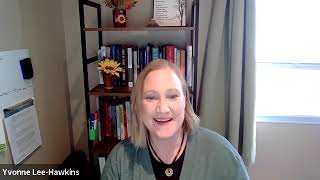
Transcript of a Brave Biz Labs group coaching session led by Katie McManus with participants Monica, Yvonne, and Jason. The informal session includes check-ins, peer wins, client-handling anecdotes, guidance on positioning (coach vs consultant), and extended mindset work (gratitude/affirmations, 'brag book', and a 'deserve / need / want' exercise) ending with an action challenge to ask for something small over the weekend.
Chapters
Good morning. Hello. Hold on. Can you hear me? Is it working? Hello? There we go. I've actually never figured out how to get my AirPods to work with my computer.
Oh, I don't have AirPods.
Oh, no.
I'm an anti Apple person.
Oh, no kidding.
These are everyday earbuds.
Oh, okay. Got it. Do you like them? Yeah. Okay.
I do. Yeah. They're a really good fit.
Okay.
I can, like, go running with them. They, like, stay really well.
Really?
Excuse you. No, Anyway. Excuse you. No. Do you want to get evicted from the room? Is that what you want? We're having a little argument this morning. Excuse you. Okay. Go lay down. Anyway, what are you celebrating today?
Celebrating today. I have this week been. My attention on Monday was focused on and I have been able to maintain that intention of focus. And so I was very much productive and proud of my productivity.
Good, good. I'm glad to hear that. I was not along with my intention, but I'm glad you were. That's a win. Hi, Jason.
Hi.
What are you celebrating this week?
I'm making good progress on the mindset work that we started doing. So I've been writing every day and I've got three times a day that I'm checking in on that and it's helping, so.
Awesome. Yeah, awesome. If you're at all open to it later, if you want to share with the rest of the group about the practice and Yvonne, what are you. What are you celebrating today or for the week?
I'm celebrating that I'm getting good engagement feedback, people reaching out after the Business Insider article. Cool.
Yeah. Congratulations on that. Yeah. And then, you know, you get to put on your profile on your website when you eventually update it or read it. You have one already, right?
Yeah.
Update it as. As featured in Business Insider. And you could have a media page also that links to stuff like that.
That's a good idea.
Yeah. These little things, we don't want to, like, you know, be smarmy about it, but, like, if you were genuinely featured, great, you know, awesome. So I wanted to share two. Two things that happened to me this week because I think there's great lessons here for everyone. Monica already knows one of the stories because she was the first one on on Monday. So on Monday, I had a sales call with a guy who I had actually had a sales call with three years ago, and he's in the healthcare field out of Canada. Like, I remember the conversation I had with him three years ago and he didn't buy and I. We weren't the right Fit for each other either. But, like, I. I distinctly remember. And when I saw his booking come through, I noticed that he didn't do a nod to the fact that we'd spoken before, whereas normally people do. They're like, oh, we talked a while ago, and, you know, I. I think I want to do this now. And. No, no, Luna. Anyway, so I was like, okay, that's interesting. So I get on the call with him, and he doesn't remember me at all. I'm a brand new person. He's just, like, going on and on about his business. He's asking me where I live. I was on Cape Cod back then. I'm on Cape Cod right now. So it's like he's talking to business strategists who, like, he thinks everyone lives on Cape Cod, apparently. And, like, no. No acknowledgment that we've ever spoken before or interact, had any interaction before. And I'm like, okay, interesting. I don't. Like, I was like, I don't know if I'll bring it up. And then he was like, I. You know, we were talking through ideas that could work for his business, and I'm kind of giving him different ideas than we talked about last time because he wasn't a fan of the last. The last conversation we had. And he's like, I like these ideas. These are good ideas. And, you know, these are a lot better than this other business coach I talked to three years ago. She thought I should do this, this, this, and this, and literally went through all the things that we talked about three years ago, and I was just like, oh, okay, no recollection that it was me. So obvious. Like, you know, it wasn't a fit. Again, obviously ended it there.
Did you tell him?
I. I messaged him this week, and I was like, I feel like I need to tell you this. And he's like, oh, no, it definitely wasn't you. And I'm like, yeah, it definitely was. Yeah, absolutely was. I think he was embarrassed. And, like, also probably. It's just, you know, he made it in his head that we were two separate people, I think. But there's no way. There's no way the way the details he was going into about our conversation, like, unless he's having that. Unless he was really going after a business coach several years ago, which I don't know. But, yeah, I guess the moral of your. The story here is, like, they're gonna be people who, like, you're gonna make. Either you're gonna explain things the wrong way to. Or you genuinely are not gonna be the right fit for. Or maybe you're genuinely gonna make a mistake with. And they may forget that it's you, right? They may forget all this stuff. They may, they may take away something completely wrong from the conversation. They may have a misunderstanding of what it is that you're telling them, you know, but they can forget, they can forget that it was you, right? So it's no big deal if you screw up, right? Like it doesn't matter in the greater scheme of things. You're going to screw up. It's going to happen. And you know what? Like, you might have a really funny story later if they come back, right? There was another sales or another like almost sales call that got booked this week from a guy who booked through on Tik Tok. Want to say like five months ago and five months ago he wanted to talk about starting a religion. It's not really my, my, no. And he came back and he wanted to start a business selling prosthetics and tarot cards. And both times I've told him no. That's not what I work on. Right? So like you have full, full ability to say no. I don't. I don't help people with that. Absolutely not. Don't. That's not my area of expertise. That's not what I like focusing on. I'm not going to be the best fit for you. And I'm canceling this call. So it's been a weird week over here, But I like sharing these stories as they come up because I think it's, it's really helpful to see like, you know, how you can set boundaries with people, right? And also see like, this is the shit that happens when you run a business, right? So any questions about anything?
I actually have a question. So like I said, I'm getting lots of engagement and really great engagement, even just people saying thank you so much for writing that article. And I feel seen and heard and not alone and all that's awesome. But I've had quite a few people reach out to say, I don't need coaching, but I want to pick your brain. I want your advice, I want your consulting. And it's. So how do you handle that type of situation, right? Because there's like, currently there's one way to work with me and it's like a three month coaching program. I don't want to necessarily say no to anything but that. But I also like, I'm not just gonna spend time on my calendar and giving stuff away for free, right?
No, no. So then you say, oh cool, I have a three month coaching program. I also have a three month consulting program. You don't need coaching. Cool, we'll do consulting. And you and I both know you're gonna end up doing some coaching. Yeah, yeah, yeah, yeah, yeah. I, I mean, I would say, you know, I do offer some consulting as well.
I might still take them through the, like, let's book the 30 minute, like, yeah, absolutely. Discovery call or whatever.
Yeah.
And then I can say, great coaching may not be the right thing, but we can work together on this other thing. Right. Because for whatever reason they're triggered on the word coaching.
Yeah. I would say I also offer consulting services. Why don't we do this book in a strategy call and we can talk through what's going on for you and if it's a fit, we can talk about what my consulting services look like. Because that way what you're doing is you're saying, hey, listen, this is going to cost money eventually. Yeah, let's make sure it's the right fit. So that way you're sorting out the people who are just kind of like the, the freebie chasers who are wanting to pick your brain for free. Yeah, yeah, yeah. But, yeah, I mean, and. The term coach I think is gonna shift to something else soonish because there are a lot of people who are offering coaching who aren't qualified to do it, you know, especially in like the executive and life coaching spaces. Right. And so, you know, and of course, like the term coach is very amorphous. Like, it doesn't, no one really knows what it means. It could be a sport coach, it could be a coach who like, knows a thing inside and out and kind of mentors people and helps them figure out their way. Like, kind of like Monica. Right. And then there could be someone who is, you know, a trained coach offering life coaching, executive coaching, health coaching. Right. The problem with that ladder bucket is that there are a lot of people who don't have any training who are just like, cool, I'm good at giving advice. Right. And so I think a lot of folks who, especially who are in the HR world who they come across a lot of these, these people, they start getting a little suspicious of it.
You.
Know, so, you know, it's something to pay attention to. If, if a lot of people are saying that and then they ultimately become clients, then it may mean to change the title.
Like, what do you call me? Strategist. I don't know.
Strategist, advisor, advisor, consultant.
Because it's Funny, I have like a reaction to the, to the word consultant because I was in HR for so long. Right. I mean, we hired so many consultants that ended up being, like, completely worthless. Because the thing is, they would tell you what to do. You're like, okay, great. I know. But they would never tell you, like, how to do it or, you know, they've never had your lived experience.
So.
Great. Yeah, okay. Yeah, yeah. But I mean, like, the fact that you're getting so many people saying, oh, my God, thank you for writing that. That happened to me. That is a post in itself and it's, it's a kind of a doorway for you to continuously talk about that article and how, like, because you have gone through it, it helps you support your clients who are going through the same thing.
Yeah, I'm writing that down.
Given. How did you land the Business Insider article?
It.
It was just kind of happenstance. I commented on somebody else's post about, they were talking about span and how work got out of control. And I said, I completely understand. In my last role, I had 21 direct reports across three continents. And somebody from Business Insider reached out and was like, hey, I saw your comment. We're planning. Originally they were planning to do an article about Amazon's return to office mandates. And so we did a 45 minute interview, like a zoom interview. And then she's like, actually based on the conversation, we want to change the story. She's like, because I think this, the story about you is actually more powerful than talking about return to office. And so it just kind of happened that way. Now I do. I am part of a couple of, like, media places like Quoted U W O T E D, which there's, there's journalists there constantly looking for people to interview. And I'm working on, on like submitting an interview article with. Through that. And then there's Harrow H A R O, which is help a reporter out, which is another place where reporters or journalists will go to, like, look for experts in the field to feature them.
Okay.
But yeah, the Business Insider just kind of fell in my lap because. Because of a comment I put on somebody else's post. Which, you know, makes sense that those 10 engagements every day that Katie tells us to do paid off.
Yeah, yeah, yeah. It's. You never know who's paying attention and who's tracking you. And apologies. Luna has an upset tummy. So we had a little change of scenery. Amazing. Did that. So Yvonne, did that answer the question?
Yes.
And Jason, does that answer your question for Yvonne?
Yes.
Okay, awesome. What other questions do we have today.
Related to the coach verbiage? Should I change my verbiage? Because right now I'm a data career coach.
Well, are you getting a lot of feedback from people who are like, I don't need coaching, but yeah. So I don't know. If you're not getting the negative feedback to it, I don't know that I would worry about it. I also. It's. The only reason I said it for Yvonne is because she's having that negative feedback from it, and we. And we need to start discerning. So she. It's only if she starts getting clients who want to hire her for something, but they don't want it called coaching. Right. Your title doesn't necessarily matter that much. It's more about the problems you help solve and the solutions you help people get to or the outcomes you help them get to. Which is why, like, when we introduce ourselves, we're not starting with what our title is necessarily. Right. We're starting with, oh, here's the problem that my clients usually have, and here's what I help them accomplish. Right. And here's who my clients are essentially, you know, for you. And until you start, like, getting people who are like, I don't need coaching, but like this, I don't. I don't think it's a big deal. Okay. Yeah. But, you know, like, what we call each ourselves is kind of arbitrary. You know, as long as, oh, gosh, bug joys of being outside the. The thing we want people to know and understand is like, here's who I'm useful to, and here's the problems I solve and the outcomes I deliver. Okay, that makes sense. Yeah. What other questions do we have? New Katie's. Oh, sorry, I just saw your. Your comment, Yvonne. New Katie's obviously so much better than old Katie.
Yeah. Okay.
Sucked.
Yeah, she totally sucked.
It's the weird. Oh, God.
Her advice was terrible.
I know.
I know. What else we got?
Okay. I have something that I was just working on.
Huh.
I think it's a good idea, but so I did a portion of my market research. I think I'm. I'm pretty sure I've decided that's not going to be the. The place that I invest a ton of calories into.
Yep.
However, there's, like, there. There was a theme in the interviews. So I pulled out the top three things that came through from the clients that had nothing to do with, like, job searching, but everything to do with lacking clarity and understanding what they actually want, and people talking about how they. They've reached a stage in their life, but they don't even know what they like anymore, those types of things. And so I've been writing, like, an email that I'm going to send to everyone who participated, letting them know what I learned, what I found, and then asking at the end, you know, if any of this resonates with you. I've come up with X package to get people started. You know, here's a link if you'd like to. To talk more. What do you think about that?
I think it's great. I think you want to finagle the call to action so it's a stronger if then statement. Right? Because, like, here. Here are the top three issues that people are running into right now. And I saw it in pretty much every conversation I had. Very strong. Are we all done, girls? Yeah. Okay, so you want to, like, frame up. Like, people are frustrated with this. They're afraid of this, and here's what they want more than anything. And then through. How do you want to say it? You want to say. I mean, it'll be easier for me to help you edit it once you've written those bits. Right? Because if. You know, I. Thank you so much for volunteering to be interviewed. If these are still problems. Since we've talked about this, this has either gotten worse or it hasn't changed at all. I am offering something special for those of you who did the interviews because you took your time to help me out. And if you're curious about working together, then here's a link to book a call. I wouldn't say. I wouldn't allude to, like, a package, per se.
Okay.
I would just say, hey, listen, if you want help with this, book a call.
It's a leader to book a call, not an explanation of an offer.
Exactly. Exactly. Yeah.
Okay.
Unless your offer were something that was super cheap. Like, I put together this $99 package that's gonna. Or, you know, workbook that's gonna help you with X, Y, and Z. Like, you're going for the higher ticket thing.
Okay.
Yeah, leave it a little more vague. Okay, we're gonna go back inside because it is freezing New England. Okay, everyone inside. Luna, as a puppy, learned that when I'm on Zoom calls, she can't make noise. Come on, Luna, inside. You want a treat. And so when she starts making noise when I'm on a Zoom call, I know it's a problem. So, yeah. All right. This is my house.
I always thought you lived in Philadelphia.
Why did I think That I moved, I hate. I lived there for a year and a half and I hated it. And so I moved back to the Capes while I figure out where I want to live. And I haven't spent any time trying to figure out where I want to live. So I'm still on the Capes. The joys of being a millennial who works digitally. There's nothing really that ties you down anywhere.
So.
All right, what other questions do we have? Oh, it's so much warmer inside. This is so nice. Okay, Jason, do you want to share about the exercise that you're having yourself do?
Sure.
Yeah. So Katie and I had our 30 minute celebration call from the 30 day posting challenge. And like, at the stage that I'm at in my life and in my business right now, one of the things that I'm struggling the most with is mindset and specifically negative thinking loops that, that really step in and crush a lot of the motivation that I have and make it difficult for me to believe that actually launching this business and getting to the next step is even possible. So I had explained to her that typically by this stage in the process, I would have likely probably already given up, but the fact that I've paid for it, I'm here. So we decided that the 30 day challenge that we did for the posting worked for me because I was able to complete that. So we're sort of structuring a new 30 day challenge. And what I'm doing is putting alarms on my phone three times a day, sort of morning, afternoon, and evening to, to remind myself to check in with a little bit of gratitude, a little bit of like, positive affirmation, and sort of like strong belief statements so that I can start to rewire some of the, like, thinking patterns that historically have been more negative into much more affirming positive thinking patterns. And then the part that I'm like, was uncomfortable for me, but we're still like, trying, like Katie's like, I want you to anchor it into your nervous system. So every time you do it, I want you to like, play a happy song and do a dance. And I was, I was like, do you even know me?
Can I defend myself? You can negotiate this. This is not a hard and fast body to this too.
Yes.
So, but anyways, like, the concept of anchoring it into the nervous system with some sort of physical movement is like the last piece of of the puzzle. And then, so after we had that call, one of the big pieces of work that I did is I went and I pulled up my journal and I started writing statements that were really honestly opposite to the thinking patterns that would always keep me stuck. So, like, one of my limiting beliefs is that money is hard to come by and opportunities are hard to get. And so, like, I just reframe that to, you know, money flows freely and easily and opportunities are everywhere. And even if I don't, like, necessarily believe it in my nervous system right now, writing it out, speaking it out, it seems to be helping.
Yeah. And I will add here that our brains like to be evidence based. That's why, like, you know, we're so good at telling ourselves that we suck because we remember every single moment in which we sucked. Right?
Yeah.
So when we're trying to instill new beliefs that are more positive, giving yourself very specific examples of why it's already true and giving it, Showing yourself the proof and forcing yourself to look at the proof as often as possible is really powerful. Right? Yeah. You know, the, you know, we've all seen mean girls, right? And mean girls, like the bra, the burn book, right? It's all mean shit, but very, very little in it. It's actually true. Right. But there's so much mean stuff in there. What if it was a brag book and it just, like, celebrated all the good, good things of all the people? Right. You know, we can do that. We can come up with brag books on ourselves. Right? If you were to create a brag book, what would be the top three things that you'd have in there about yourself, Me, everyone.
Both.
So, yes, you, but also everyone else.
Just as an aside for a second, because I have a daily gratitude practice, too. I use the 5 Minute Journal, and I've used it for like 10 years, and I love it.
Yeah.
But what I find myself slipping into, and I know not to do this, but I still have to catch myself. It's like, oh, I'm. I'm grateful for my health. I'm grateful for my family. I'm grateful for our home. Right? And it's not specific enough because it needs to be, like, from that day. Right. Like, I'm grateful I survived yoga class today. I'm grateful that our central air got fixed. You know, like, it has to be more specific because everyone is grateful for. Or not. Maybe not everyone, but, like, it's so generic that it becomes so abstract that it does. It's. No, it's no longer real.
Right. Like, Right.
Be very specific. And I struggle with this, like, every day I start to write down the, like, very generic. I'm grateful, you know, for Whatever. And my three kids. Yeah, okay, but why, like, what happened today?
Yeah. What was the specific thing that you're grateful for?
Yeah.
And, and you know what? And it's that evidence piece, right? Here's evidence that you're grateful for the thing. Like you got tired of your office, you're so grateful you own your home, so you could redesign your office and not have to ask the landlord about it, you know. You know, especially with money stuff. Like if we're talking about retraining our brains to see abundance, like, that's such a high level way of talking about money. It doesn't connect with us emotionally. And like, you know, it's not like when we get a check from grandma, it's like, here's abundance. Like, no, here's $100, right? So like money comes to me, like, even when I don't expect it because my grandma has dementia and she forgets what my birthday is or something like that. Like, you know, but like it's evidence that money likes to come to me. You know, there is some little angel on her shoulder that told her, oh, send, send a check to Katie is. I'm making this up. I don't have. My grandmas are dead. They don't have dementia. But like we, we get to come up with very specific pieces of evidence. Like it could be I found $20 in an old coat, you know, or a client came back after not working with me for two years, you know, and jumped at the chance to work with me again. It could be I had unclaimed property in California that I forgot about, so I was able to submit and get a check in the mail. You know, that actually happens. You go and check unclaimed property and put your name in and you can see if you have, if you have money anywhere.
Or an unexpected discount or something. Well, and, and you have to be careful too. Like, I'll share this. So I didn't know about this program except I have three kids that are all in school and Washington state created this program. We never applied for it. They just give it to all school age kids, families where they basically give them, for lack of a better word, food stamps. Where like every school age kid in the state of Washington for this school year gets $120 towards food. And part of me initially was like, oh, like, I don't know how I feel about that. But then I thought, my kids are school age so they qualify for this program, so why not spend $120 on buying them their snacks, right? Like it, like you have to be careful around the judgment, around where the money comes from too.
Right, right.
Like $360 that I wasn't expecting towards food. I mean, it definitely helps.
Right? Yeah, yeah. And. And it's interesting, in scenarios like that, what are the rules and the qualifiers that you create for yourself?
Yeah.
Right. It's like, I'm not suffering enough to make use of this. Interesting. So that brings me to a new piece of information that I have a belief that in order to accept money, I have to suffer for it. Right. And then, and then, cool. Like, where did I see this modeled in my childhood? Where was suffering a doorway to money? You know what, what are the rules that I have created, created for myself around what justifies accepting money from other people or from institutions? Are there different rules if it's an institution versus a person? Right.
Like, to that example too. Right. There's this initial feeling of like, oh, I don't deserve that, or I don't need it. And the reality is, if you'd step back, is my taxpayer dollars already paid for this?
Yes. Yeah.
Our local representative just happened to decide to use this money in that way.
Mm.
Right. I would be totally fine with a 360 tax break. So why. Why initially I was like, why was I all weirded out about this?
Yeah.
Yeah. So here's, here's a, A great kind of window into a conversation around.
What.
Are the standards that you hold yourself to for deserving something, for needing something, and for wanting something. Right. Because the two things you just said, Yvonne, were very telling. Is that like, oh, I can accept it if I can justify that I deserve it or that I need it. But we often kind of like, keep want in a separate category that's away from them. So what makes a difference? What. What's the justification for you getting what you want that's different for you getting what you need? And don't make it wrong. Just I want you to take a moment. I want you to write down what the different criteria are for you getting what you want versus getting what you need, slash deserv, And I'll actually do it with you because I haven't done this exercise in a while.
Very interesting.
Yeah. All right, what are we coming up with?
I'm happy to share mine. So I put deserve, need, want. It's interesting. So deserve is something that I've worked for, traded something for, asked for it. It's like in the past, therefore, like, I've done something already, so therefore I deserve it.
Right.
Need is like, I wrote down everyone has needs. Just by existing. You need something. It's right now. And I'm doing something that needs something that's very present.
Yeah.
And then want was. I feel the need to earn it, to work hard for it. It's like future based, but I never reach it and I haven't done it yet. So. Really interesting, right? The like, I deserve it, I've done it, I need it is now. And like wanting is like this nebulous future thing.
Yeah, yeah, yeah. And it's funny, you know, deserving and wanting, I feel like are the closest, but they have that like film of time. Yeah, right. So what would it take to dissolve that film to make you feel like you deserve everything that you want?
Well, I think the thing that I need to break is like tit for tat, like trading deserving for hard work. Because that's actually a myth, right?
Yep.
I mean, you don't want to rip people off, which is like the extreme end of the opposite end. But you don't like have to.
Right?
You know, work hard, burn yourself out in order to deserve something.
Yeah, yeah, totally. Yeah. And like, what's the line? What's the line of hard work? You know, you could work hard for an hour or you could work hard for 40 hours.
Yeah.
You know, what's the justification? And also like how, like how does it change when the thing that you want is different? Like maybe you want a cookie.
Or.
You know, you want to like justify going out for ice cream or you want justify buying, buying a new pair of shoes. Right. Like just because you want it. And, and what's, what's the required justification in your mind for you deserving to get it? And how is it different from thing to thing?
For me, it's a little bit of like once a want becomes a need.
Huh.
Then I start to deserve it. Right. Like, it's was really interesting to do this.
Yeah, yeah. There, there's a. This reminds me, there's a specialty grocery store near me. It's really expensive and it's stupid expensive, but they have like really, really good like fresh pasta. And sometimes I'll go there to buy fresh pasta for dinner. And when I'm there, carrot caked cupcake. And it's like the best carrot cake cupcake I've ever had in my life.
So good.
And like I'll crave that cupcake sometimes. But I won't go for it. I won't go there for it. It's only when I'm there and I'm like, well, I'm Hungry and, like, I'm here and it. And it's here and I can eat it easily on the way home. And then I won't be, like, angry while I'm cooking dinner. You know, it's like all these rules that I set to getting that cupcake one. Really. I could just go and get the cupcake whenever I want. I don't let myself, though. There's like. There's like, a series of events that has to happen for me to, like, deserve to spend $5 on a cupcake. Right. And that's all made up. Right. Like, who's to say I don't deserve a cupcake whenever I want it? What. What other ahas did we have? What other thought processes are we revealing?
I had kind of the same as Vaughn, where to get something I deserve, I have to have already done something else to get it. Showed my worth or accomplished something.
Yeah.
To get something that I need, it needs to be something that I have not had that's now, like, affecting others or affecting myself.
Yeah.
And the others actually come first. Like, I will be without something that I need if, like, I'll just be like, whatever. It's not bugging me, but if it's bugging other people, then it's like, okay, yes, I do need this. Right. And then for wanting. I'm like, nothing. I want things all the time. And that doesn't make any sense. Not that I, like, go out and get the things that I want. It's just that there's no, like, boundary of, like, why.
So you. Anything you want, you go and get yourself. No, that's.
That's what I'm saying. Like, I. I don't go out and get anything that I want. But there's no, like, I couldn't figure out, like, what would make me immediately get out and get something that I want. Like, that one was the hardest for me to. To figure out.
Yeah. So here's a question. Think of a restaurant that's near you, right? And think like. Of like just having a rough day. And think of what it would feel like to text your best friend and say, I've had a really rough day. Do you mind buying us dinner from this place and bringing it over? Like, they're buying the dinner. They're going and picking it up. They're bringing it to you just because you want it.
What?
What?
Feeling so un. I feel so uncomfortable asking that.
Like, yeah.
Why uncomfortable?
What's uncomfortable about it?
I mean, I. I can just go and get it myself if I want it. That Bad. Like, why am I having other people pay for my dinner?
That's. I mean, that's the question.
It's.
And it's not, like, right or wrong, and it's not that I'm telling you, go do this, but it's noticing the feelings that come up for you around, like, what's the hesitation there? Yeah, right.
Well, I don't like asking people for favors, period.
Yeah. Why? What. What about it feels uncomfortable.
Bugging them?
And what about it bugs them in your mind?
They have to take time out of their life to focus on me instead of themselves.
Okay, and what about that makes that inherently wrong?
Why should they be focusing on me? Like, who am I for them to have to be focusing on?
Yeah, so what we need to change about you to make you worth being focused on?
I have a question, Monica. Do you like doing things for other people, though?
Absolutely. All the time. That's interesting.
So you focus on other people.
Yeah.
What's the difference?
Not too sure.
Yeah, it's nothing that, like, we're going to come to our realization in any given moment, but, yeah, it's something to start noticing. You know, we. We're stingy with ourselves in a way. We're not stingy with other people. You know, from, you know, weekday night where you have groceries and you have things to make good food that you're. You like, and that is healthy and you still want to go out to dinner, right? You want to treat yourself to dinner. Maybe you want sushi. Maybe you want something that's like a kind of expensive. You know, how do you justify it to yourself? Do you feel bad about it? Do you feel like, oh, God, like I'm wasting food at home and this and that, blah, blah, blah. And then you kind of ruin the experience for yourself, Right? Versus you find out a friend really loves sunflowers. And you know that, like, they've had kind of a rough week. And so you go and you spend like, 40, 50 bucks on a nice bouquet of sunflowers. Like, what's. What's the difference in the energy in the two situations.
Actually had? So my therapist helped me through something similar to what Monica was saying. And what he said to me is, like, what makes you feel good about doing things for other people? And I was like, well, I feel good. I feel like I'm giving good energy, right? Like, I'm doing something nice. And he's like, why do. Why do you get to be the hero when they don't? And I was like, oh. He's like, why don't you let other people be your hero every once in a while. And I was like, oh, like, it almost made me feel like I'm being selfish by giving all the time and not receiving. But it was pretty powerful where I was like, you know, let people do nice things for you too. Like, let them be the hero that day.
Yeah, yeah. You know, it's like what we're willing to receive and what we're willing to give are often completely different. Yeah, Right. And it all boils down to what we believe we deserve. And what makes us deserving in by those rules. Right. And here's the honest truth. The people who get what they want don't see the difference. They see that they deserve what they want and so they ask for it. Sometimes they get it and sometimes they don't, but they keep asking.
So that's, that's interesting because, like, when I wrote mine out, they were a little bit different. And like, I said that for me to get something I want, like, my mind went to like, you know, that would. Something I want, it's just something that I don't need, that's maybe frivolous. Everyone else's needs need to be met first. So. And it needs to make some kind of logical sense. Like, like there's a bunch of stuff that I want right now that, you know it's not going to happen. The stuff that I need, I do. Like, I need asthma medication. It's expensive. I buy it because I need it.
Right.
I don't have an issue with that. But then when I got to deserve, I said I don't deserve anything. That's, that's, that's what that word. Like, that's how that resonated with me.
Yeah. What makes you undeserving.
I think, look like. It's like residual trauma from like. I think when you live the, the kind of life that I lived for a long time and you're. And then there's a, like, like a reckoning and you make a change or a shift. And like, for me, like, my life revolved around me. I was very selfish for a very long time and I didn't think about others very much. Almost polar opposite to like Yvonne and Monica. Like I would have said, I don't want to ask someone to do something for me because I don't want to be indebted to them. I don't want to have to do it back. But I think because I've done so many things that would be characterized as bad things, I'm like, like I've spent all my cards. I like, even though it's like now far removed in the past, like there's just this general overwhelming feeling that, you know, I've spent up all my deserving cards. Like those are gone now.
Essentially you're paying off. You're paying off a debt of deserving to the universe right now in your mind.
In my mind, yes.
Yeah.
Can I just send you a virtual hug because like your cards are regenerating all the time. Like you haven't spent your cards. Right. I was gonna say like anybody who's Catholic or any kind of Christian religion where we're all born with like original sin and none of us deserve anything, but I think that's all not true.
Yeah. You know, there's this catch 22 with that kind of thinking. Yvonne, I'm glad you went there. That like we're given a system where we constantly have to like prove that we're not bad. Someone who is inherently bad wouldn't give a Right. Someone who's. Who's inherently bad and wants to over the world and doesn't care about other people. They would not care about doing the right thing and following the rule.
Great example in politics right now.
Yeah. Unfortunately. Yeah. Good example. The best example. But I mean here, Jason, like, if you had a client who is struggling, struggling with, with addiction and they said the same thing to you, what would you say to them?
I would tell them to take the boxing gloves off.
Right.
Stop being themselves up.
Yeah.
Why?
Because it's not going to make it any better.
Right. Right. What will make it better?
Doing the next right thing. Like doing what you can to control and take the next step to do something.
Yeah.
And what's significant about that?
Like I. What's significant about it is that I've seen that if you're able to do that for a long enough period of time, I mean, you can create a whole new life.
Yeah.
And I've seen that. Like, I've actually seen the evidence of that. But there's this weird like deserving piece underneath where I'm like. And like, I don't even deserve what I have. Right. You know, like, like. And that's, that's sort of like what I want to unearth and like get rid of as part of this work that we're doing now. Because I don't think there's any way that I go from current state to being able to have truly high ticket paying clients if I don't deserve or feel like I deserve to sort of attract that into my world.
Right.
Like, I'll. I. I think I will ultimately be the block there if I can't figure out how to rip out that thinking pattern.
Yeah, yeah. And, you know, I. Like, we have this, like, surgical kind of mentality of, okay, I have to remove this from myself, and then I can get what I want. Right. And it becomes another rule of, like, okay, here's the step to deserving and all this stuff. And then it gets very convoluted. Sometimes you have to help the use out there before you can help the you in here. Right. So, Jason, like, go and help the you out there who won't take off the boxing gloves. I love that term. Right?
Yeah.
Because, you know you're going to feel like an. Every single time you tell them something, you're like, oh, my God, I don't even talk to myself this way. Like, why? Yeah, right. And then it's gonna get in there. It's gonna get in. It's gonna be that worm that kind of eats away at your brain. Like, you know, Kennedy has a worm eating his brain. We're talking politics. But it's gonna get in there and it's gonna really start taking root, and you're gonna really start seeing, like, wow, like, I see the potential in all these clients, but I also see myself in all these clients. And I so believe that they deserve this. Like, and if I can believe that they deserve this, I can start to believe that I deserve this, too. You know, there are very few cases where I think it's healthy to use your business as a mechanism for healing. This is one of those areas that I think it's okay.
The other thing that I think is really interesting because I deal with a lot of people feeling selfish around self care. Right. When I. When I'm treating burnout is that one, people who are truly selfish never think that they're like. That's not even a thought that enters their mind. They deserve everything. Right. So even just feeling selfish means you're not a selfish person. And not to be clinical about it, but often people become selfish because their needs were not met. And so they were the only person who could actually take care of their needs. And so it's not like when I look at somebody who's, like, acting very selfishly, it's because they had no one else to count on. My, like, so, like, having some compassion around that, because there's probably a reason they became selfish.
Right.
They couldn't count on anybody else to help them or meet their needs. And, yeah, the people who truly are Selfish. Like, they don't even think about it. They just take it all.
Yeah. And of course, I mean, like, if we're talking about, like, a chemical impact on your body, like addiction.
Yeah.
That. That takes you away from being a rational human, you know, who's even able to. To be in that kind of sphere. It's like. No, no, no. Literally, your body's telling you you need to do whatever you possibly can to do this thing. Right. That's what I mean.
Aa.
Don't they say that you have to admit that you're powerless to it?
Yeah.
Right. And yet we still assign. No. I should have been better. I should have been more powerful. Yeah, Right.
Should have had more willpower.
Right, Right. Should have said no. Yeah.
Yeah.
Corps.
Cool feeling. Any final thoughts on this? I love that we went here today.
Today was a doozy little therapy session.
This whole week's been a doozy with Katie. You missed on Wednesday.
It must be the full moon.
Yep. Yeah. Cool. Do we want to take it to main takeaways then?
Yeah. I had one where I liked how you were talking about, like, you need to fix the use out there before you can fix the use sometimes. And, like, it just made me think, like, if some. If one of my clients was struggling with something similar, what would I tell them? And then, like, sit there and think about it, like, why aren't you doing that?
Yeah.
And that happens often.
Yeah. Thank you. And who are you?
Jason?
I take all of Monica's words.
Just.
I'll start. Start that.
Yeah. Thank you, Navon.
I mean, I think the deserve need, want exercise is actually pretty insightful of. Just dang it, I still have work to do. You know, it's funny because each layer, right, you level up and you have more. You find more work that you have to do on yourself. So I think that was. I have lots to do around wanting and deserving.
Yeah. So here's my challenge to leave you all with the weekend. I want you to pick something that you want that is just slightly beyond your comfort zone of asking for. Right. And it could be, you know, asking your spouse to pick up flowers for you on the way home because you just want a bouquet of flowers. You know, it could be asking your friend to come over and just hang out with you while you organize your garage because you want body doubling. You know, it could be you just want, like, some peace and quiet. So, hey, can you watch my dog, watch the kids, you know, for a couple hours while I go and run some errands by myself? What is that little thing that you can ask for and just show yourself like, that you can ask for it and not die, Right? You can ask for it, not have like, oh, my God, you're the most selfish human in the world. I can't believe you'd ask that of me. Figure out what that thing is and. And ask for it this weekend. Deal. Okay. And report back. Okay, awesome. We have co working in about an hour, so if you have a big project to work on or something that you've been procrastinating, that's annoying, then bring it to that. We'll be doing 1 4. And then if I don't see you, then have an amazing weekend.
I'll probably hop in late at, like, 11 or so.
Cool. Awesome. And I'll see you then. Okay, perfect. Thank you.
More from Katie





How to do self care right now, so you can do what needs to be done, for yourself, your business, and

How to do self care right now, so you can do what needs to be done, for yourself, your business, and

#greenscreen How to build a consulting business that makes you $200,000-$700,000 a year

#greenscreen How to build a consulting business that makes you $200,000-$700,000 a year

Maybe we’re not the imposters…? #businesscoach #startup #entrepreneur #smallbusiness #consulting

Maybe we’re not the imposters…? #businesscoach #startup #entrepreneur #smallbusiness #consulting
