Anti-GMO Hawaii Memories; A Career in Ag Science - Dr. Steve Savage
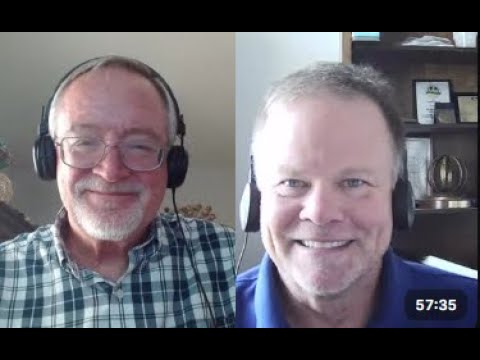
In this episode of the Talking Biotech podcast, host Kevin Folta interviews Dr. Steve Savage, a plant pathologist turned independent biotech and pesticide consultant. The conversation opens with a recollection of a 2013 trip to Kauai, Hawaii, where Folta and Savage were invited by local agricultural groups to counter a vigorous anti‑GMO/anti‑pesticide campaign led by groups such as Babes Against Biotech. They describe the island’s agricultural context—declining sugarcane and pineapple, a large coffee plantation, and seed‑corn nurseries— and the heated public hearings that pitted a small farming community against vocal activists. The dialogue explores the difficulty of science communication: facts about pesticide toxicity and biotech benefits often failed to change minds, leading the guests to focus on personal engagement and trust‑building with individual farmers. Savage recounts his own career trajectory, from a suburban upbringing to Stanford, a plant‑virus lab at UC Davis, work on early biotech breakthroughs (glyphosate‑resistant crops), a stint at DuPont discovering fungicides, and later consulting for major fruit and coffee companies. He explains why only a handful of biotech traits have reached market—high regulatory costs, marginal economic returns, and brand‑protectionism—while also highlighting the agronomic benefits of herbicide‑tolerant crops (e.g., enabling no‑till farming). The episode also touches on misinformation (e.g., unfounded claims linking glyphosate to autism), the emotional toll of hate mail, and the broader cultural resistance to genetic engineering. Finally, Folta and Savage speculate on the future: potential consumer‑oriented traits (non‑browning apples, purple tomatoes), online marketplaces, and whether advances in medical gene editing might improve public comfort with food biotechnology. The conversation ends with mutual optimism and a promise to revisit the topic in years to come.
Chapters
Hi everybody, and welcome to this week's Talking Biotech podcast by Collabra. And sometimes we go forward by going backwards, and it's kind of fun to think about some places we were and things we've done and see how they apply and how these things have aged. And way back in the series, I think we probably talked together somewhere around episode, you know, 11 or 12, somewhere way back then. Talk to Dr. Steve Savage. Steve is a consultant and he does a lot of work with helping farmers understand their pesticide needs, or at least you did do that. What are you doing these days?
I alternate between calling myself semi-retired or I like to try to claim emeritus status.
There you go, emeritus status.
Why should only academics get to go emeritus?
That's right. No, I agree 1,000%. I declared myself emeritus a few years ago.
Okay.
I just throw the title around, you know, but yeah, um, that a cup of— that and a quarter gets you a cup of coffee at the gas station. So, um, but, uh, Steve and I had the distinction of being 2 invited experts back in 2013.
Yeah.
So, um, to go to Hawaii, and, and what, what a, what a lovely opportunity to spend time in, uh, on the island of, of, uh, of Kauai, right? We were on—
yeah, it was on Kauai.
And, um, and, uh, and the idea back then was we were being— we, we were recruited by experts in agriculture to come talk to the locals. And, um, you know, maybe you could go ahead and fill it in from there. Like, what were some— why were we going and what was the deal?
So I think it was really the, the driving thing was the agricultural organization, you know, whether it's Farm Bureau or whatever it is that they, that they have of the, the growers in. And they were feeling under attack because there was this group famously called Babes Against Biotech that was going around and getting people really scared. Because what was happening is The traditional agricultural industries of Hawaiʻi and Kauaʻi were gone. Sugarcane had been the big one and they had become noncompetitive. Same with pineapple. And so most of the agricultural land was just going fallow. And in fact, I was just hearing that in the fires on Lahaina, a lot of that was because the abandoned agricultural ground had gone to these perennial grasses that are super flammable. So one of the things that was able to be done with that land in Kauai, that one was there was a 5,000-acre coffee plantation called Kauai Coffee. A friend of mine was actually involved in founding that, and that was viable. But the other thing that was happening is a lot of seed companies were doing their winter nursery there. So It's a way to get two seasons a year in your breeding cycle, mostly in terms of your conventional breeding cycle and your you know you're just bulking up of seeds and that kind of thing. But of course, this was in the era where these most of these the corn particularly that was there was biotech corn, and so the people who were against that had managed to scare people that this was some terrible thing and there was some tremendous use of. Pesticides required to do this. And, and they had people really scared. And so they found you as somebody who was out there talking rationally about biotechnology. And they found me as somebody who was out there writing, trying to dispel some of the anti-pesticide myths. And I think they were just— they just desperately needed somebody. And so they dragged us in.
Well, I will— going a little more context on that was there was a lot of, um, I guess you would say— oh, this is what it was, is that each island is its own separate county, right?
Right.
And so what they had was a county board that was trying to pass an ordinance to keep out the agricultural companies, and it was essentially stopping using any kind of transgenic crops and limit— because they said transgenic crops mean lots of pesticides. Well, Yeah. It was a number of folks who were behind this. It was the Babes Against Biotech, and there were probably a dozen really bad anti-organizations. But the idea was, was that they were trying to pass these, these referenda, and, and these were things to be voted on. And they were having public hearings and they had these really neat public hearings where you had experts from the island brought in. Dennis Goncalves, Dr. Goncalves, the guy who invented the Biotech Papaya. He was there and other local farmers. And then they brought in me and Steve. And it was really fun because we got to learn a lot about Hawaiian agriculture, which was great.
Yeah.
But probably the big surprise was learning about the people of the island. And could you reflect a little bit upon the really sharp divisions that were there on this island of 60,000 people?
Well, certainly the, the people doing agriculture, which is true of agriculture just about everywhere, is a tiny slice of the population. And people didn't know them. And, you know, they, they really had no idea what, what they were doing, what agriculture was on the island. And so, yeah.
Yeah.
So it was those people, they certainly didn't have a big voting bloc. Yeah. And I remember particularly one of the hearings that we went to where there were hundreds of people lined up and with signs and protesting and everything. And I remember you, you were feeling like you were going to have to actually physically defend us because people were that angry.
Yeah, it was, it was very interesting in that I guess on this island of 60,000 people, about 6,000 of them worked in the companies. And so you had this very significant number of people who worked either, you know, whatever you did, you drove a tractor, maybe you worked in sales, maybe you worked in whatever. And that, you know, kids were getting— their kids were being harassed in schools. And, you know, the kids are getting wedgies and shoved in the lockers because they— the parents worked in the companies. And yet they were residents of Hawaii. They were— they were of Kauai. You know, they were there their whole lives. And the folks in the companies had a lot of harassment. And so, we spent a lot of time talking to local business leaders and we went to lots of lunches and yeah. But what were some of the other high points you remember?
Well, one of the things was after one of my first talks, I was trying to explain that most, first of all, that a crop like corn, even a seed corn thing, hardly uses any pesticides at all, and that the pesticides that are being used are not like what you remember, and they're, they're not very toxic at all. And so I had a chart and I explained that almost all the pesticides used today are actually less toxic gram per gram than caffeine. And afterwards, the people from Kauai Coffee said, Could you not use that illustration? And the other one was that if you want to talk about intensive pesticide use, look at golf courses. And again, they didn't want me to talk about that either. So, yeah.
Yeah, it was really hard to thread the needle there, wasn't it? Because, and what was some of the interesting things I remember about this? There's so many. I mean, it was such a learning experience for me because this was 2013 and we were still turning the corner in terms of the, you know, learning that facts don't really change people's minds. And we thought we could go there and we'll just educate everybody, you know. And that failed miserably. But the part of it that we remember—
I don't know if it failed because what you would do is there would be a room and there would be somebody who, you know, lots of people would say things, but you would usually identify somebody who you thought was at least somewhat promising, and in terms of being able to talk. And, and afterwards you would go find that person and continue the conversation with them. I was really impressed with that.
Yeah, well, I would find people who are absolutely horrible and to go find them, like the people who would stand up and yell at me, and I would say, I'm talking to you, and I would go find them afterwards and, and pin them down. There was one dude, his name was Saul Khan, and that dude was— he was really mad. And I actually had conversations with him after that for a while and other people there in the audience that night. I don't remember, you know, I remember Fern was a woman who was really angry.
Yeah.
But I ended up connecting with her okay. And other folks who were there, and this is all coming back to me now, who were really, really just like totally mad about these things and trying to reach across that aisle and at least making those connections. I don't think it ever made a big difference with those individuals, but I think people who were on the fence saw this little bit of, you know, willingness to engage the critics. And I think that really did make a difference.
No, I think it did. And, you know, like you're saying, I think those of us kind of in this advocacy frame understand now that a lot of it's about whether you trust individuals. And that's why that face-to-face was, was, was very useful, because that was the same period of time when I— and you probably— we were doing a lot of blogging or something like that. I was.
Yeah.
And there was nothing that I've ever experienced as nasty as, um, comment streams on blogs back in the early days. I mean, It was nasty and there was no way to do that humanity thing. And that's, you know, a lesson learned, I guess.
Well, you're not on Twitter enough.
Is it still pretty nasty?
Yeah, it's still pretty nasty. But back then, what was really interesting about that particular audience, those audiences, was That the folks who were against it got a lot of time. And especially when you were brought into— and I don't know if you were on the radio there. I know that I was brought into the radio station and—
Yeah, you—
Sitting in the— yeah. And I, I was there with all these folks who were just vehemently against the companies and against genetic engineering and against any kind of chemistry. And, um, and people would call in and say, well, you got your Monsanto doctor there and I've got cancer that he caused. You know, it's like, oh geez. And, and I'm just trying to like, how do you, how do you push back against that? You know, other than say, I'm really sorry for your hard times, but you know, the, you know, then, then you, how do you even begin? And that was real memorable. And then I remember at the big hearing, so they had this big hearing with the county board.
The really big one. Yeah.
And this is where they had like probably 1,000 people there and everybody was going to get their 3 minutes. right in front of the board. And this started early in the morning and this went till way, way, way in the middle of the night. And there were people on one side that had red shirts and people on the other side that had blue shirts. And I wore a nice— I wore a tan shirt because I very much wanted it to be, I'm not here representing the companies. I'm not representing the people here.
Right.
I'm representing an unbiased, neutral position. And I talked to people on both sides of that. You know, people on one side of the, uh, of the hall were in blue and one side outside were in red. And I would go over to the red side and I'd talk to those folks and they were, they were frequently angry. They were in your face and yelling. Well, you know, they'd get right up in my face and yell at me and then, and, and, you know, try to do intimidation, you know. And it just, it wasn't buying it. I wasn't buying it.
No.
It was, um, But the thing that was most alarming in that was we would sit outside and listen to people inside give their testimony, and you would hear somebody who would say, you know, genetic engineering has never been cause of any human ailment that we know. We have some environmental concerns about resistance and these— and totally 100% accurate. And then the next person would go up there and say, Bill Gates is poisoning all of us with— it's like you would have some hope and then it would go away.
Yeah. And here we are 11 years later. I guess you're more of a natural optimist than I am, I think. But to me—
I don't think so.
The battle basically was won. And the thing that I would say indicates that is the non-GMO label. And just the way that effectively brand protectionism just tipped the balance. And it's like, okay, you know, it's also very expensive, slow, you know, it's the most careful, most regulated thing ever. That doesn't help. It just makes it expensive and slow to do it. And even, you know, very rational things like genome editing are still going to face that. Because essentially what it's come down to is if you know what you're doing when you modify the genetics of a plant, that's bad. If you have absolutely no idea, like doing random mutagenesis, that's perfectly fine. And, you know, obviously it's completely irrational. I, I feel like what I want to say to the food industry is, um, the line from Princess Bride, which is, we, we are people of action. Lies do not become us.
Very true.
And non-GMO is a lie. But I guess, you know, lies seem to be able to persist in modern society.
So, well, just even thinking back to that, uh, that night at that hearing, I remember one of the things that was the worst was Stephanie Seniff. And, you know, Dr. Stephanie Seniff from MIT, who is a, uh, at least a researcher who works in a laboratory doing, um, artificial intelligence of language, I think, or whatever. She would She was a resident of Kauai and she came to a couple of these things, but she came to that public hearing with the, uh, county managers who were going to be voting. And she went up in front of them and she said, in my laboratory at MIT, we found the, the concrete, uh, link between autism and glyphosate. And I mean, she just talked about these things that were scientifically unfounded.
Yeah.
Or had no evidence, but she would just speak as though these things were concrete in my laboratory at MIT, like she was taking autistic kids and, you know, feeding them light. You know, it was like she was doing the experiments. She didn't do that. Her, her experiments were Google. And this was very authoritative and, and weighed heavy on, on the panel. And so for every expert who came in and spoke conservatively about science, like you or me, we had folks who were going in there and, uh, waving their authority as, as experts And completely off the rails with respect to evidence. And, and that was one of the biggest frustrations at the time.
Yeah, it is. And, you know, what we've all learned is that science is kind of built wrong for taking this sort of thing on because it's not— you know, science isn't dogma. And so if you want to be a hero in science, you're the one who figures out something that everybody thought wasn't true and you have actual evidence of it. Boom, you're a hero, you know. But that's not what people are looking for. They want dogmatism. And, and then that's about trust, not about logic. And, and yeah, and, and then you have vested interests. Now, I'm not really sure. Who had a vested interest in eliminating one of the economic engines of Kauai? Because what that would mean is just that much more land turning into invasive grasses, making a fire hazard. I mean, that's what would happen.
Well, the big driver were groups of folks who lived up on the North Shore. And these were folks who would come up to me and say, you know, like one guy, he said, You know, I don't know why you need biotech crops. I managed to feed myself and my family and my neighbors and my neighbors' kids, and I feed all of them just out of my own land. I said, really? That's really great. I'm glad you can do that. What do you do for a living? He says, well, I work on the land and I farm it and I grow food for my neighbors. So, okay, yeah, if you got nothing else to do, you can pull this off. But for 90% of people, or 99% of people in the US, You know, we have other areas that we have to spend our time during the day, and agriculture is a tricky one to add on. And that was, that was one of the drivers.
Yeah.
The other big one was the anti-pesticide folks. And remember this one where they talked about the school that they were— that's probably, you know, they wanted buffer zones of like a quarter mile or a mile from where you could grow corn near a school. And Some of the farms are pretty close to school, and, and I guess they were out cutting weeds and they weren't even spraying. But then, um, most of the kids in the school fell ill from the, uh, pesticides that were being applied, right?
Even though none were—
None were being applied. They, they cut up some stinkweed and the isothiocyanate from the stinkweed got— it got everybody. Everyone flipped out and had conversion syndrome where all of a sudden, because there was a chemical smell in the air, there. It was the companies that did it. And all the logs showed that there was no sprays, all this stuff. But you had a whole school full of kids, or I should say most of the kids. The kids whose parents were out in the field there didn't, didn't get sick. But it was, it was the, um, it was such a challenge to hear what was happening there.
Yeah.
Because of the belief that people were being poisoned systematically by the, by these companies growing basically seed corn.
Yeah.
And, and the ones who were working there in the field and then the science on the other side, it was like these, these 3 areas that were colliding. And women would come up to me like, I remember one woman and, you know, I get sad when I think about her. She came up to me with her child who had a birth defect and she said, here's what you did to my child. You know, here's what you and your company— and it's like, look, I don't have a company.
Right.
You know, and but, you know, how do you— you know, it was such a lesson in how you connect with people who believed in their hearts that's— that you— that something was wrong. And how do you begin to even start to change that? And, and so many lessons came out of that weekend or that week.
Yeah, I, you know, gardening— the reason I wish more people would garden is not because they would significantly feed themselves. They would enjoy a few things now and then, and mostly they would be educated that pests are real.
Yeah.
So I was so excited after— how many years have I been tracking biotech Okay, for the first time ever, I was able to buy a biotech crop, and I have BT sweet corn.
Yeah.
Okay, so I've got plantings of BT sweet corn in my backyard. The birds came in and completely decimated them. So now I have a huge cage around YBT sweet corn.
Yeah, they see where you put it in. You know, they watch you, you know, the crows, they'll keep an eye on you when you're putting corn in the ground. I know we see that too. But we get it in fast when it's gonna rain, and hopefully they make it. But yeah, but I see you bought it. That's a Syngenta product that you were able to buy online.
It's actually online. And officially, I still had to sign some kind of a Yeah, yeah. But the thing is that what people don't understand, and what I tried to explain to people, is that the pesticides used on— can I even see this?
Yeah.
On, um, on corn are mostly as seed treatments.
Yeah.
And they're not sprayed on the corn. That's not the way most of them are even applied in that crop.
That's right. Now you'll probably have some Captan and some Neonics on there that will be absorbed by the corn as it germinates, and then you never have to spray because they're protected from the inside. Between that and the BT, they're, um, they're reasonably protected from any kind of invaders. And by the time the corn is set, that stuff is pretty much gone.
And then at the end, hopefully I can get this.
Oh God, yeah, that thing. Yeah, that ain't my— that ain't my trademark anymore. No way.
Isn't it?
No, no, no, no, no, no, no, it doesn't. Those guys threw me under the bus a while ago. Oh, really?
Oh, yeah.
We could talk about that another day. I can't—
Well, that was the other strategy to try, which was humor. And I don't know that that worked either.
Well, the funny one, the humor that, that, that backfired was— and it wasn't really humor, I guess. But remember, before people would— before we'd have any of these meetings, there was always that very nice Hawaiian vibe where someone would come up and say, now, here's some rules for today. We're going to have a wonderful civil discussion in the spirit of the islands, and we're going to share ideas. and tell our stories. And, you know, remember this whole thing? And she said, one thing we will keep in mind is that we can always agree to disagree. And the first thing I said— then she says, and now Kevin Folta will tell us about the— I said, yeah, but I don't want to agree to disagree. I want to agree to agree. You know, I want us to all be on the same page. And some guy in the balcony stood up and said, you just want to shove your ideas down our throats. It's like, oh man, I remember that was in that hotel, in that big auditorium. And it was where, you know, you really started to— this was probably the best psych— psych comm learning experience of my life was that, you know, that people are not in— not poised to be able to agree to disagree or even agree to agree. They've got their ideas and they ain't changing them. And you can come over to their side, but, you know, but they're not going to move with you no matter how much evidence you give. And It was, um, yeah, it was a very sad trip. I remember leaving and reading all the hate mail on my email in the, in the airport on the way out, and all the people telling me that I hope you die, I hope your family drinks lots of glyphosate and is poisoned, I hope you and your family— I mean, just awful things that I read on the way home. And, um, and at the same time feeling really sad for the people there because we didn't solve anything. You know, we spent a week and we didn't solve the problem.
Well, we didn't solve the problem. But one thing that happened there and one thing that helped a lot during all those years was there was a community of people who understood this stuff and were willing to try to be out there and talking about it. And, you know, most of that was online. And then over the years, it would occasionally get to meet those people at the various meetings that got organized. But I think for the leadership of like the Grower organization there, just knowing that there's somebody in the world somewhere who understands them was useful. So even if we didn't, now, I don't think they managed to bar the companies from doing their seed production in Kauai, did they? Or did—
No, they still grow there. They still do it. And most of those efforts fell away. There were parallel efforts on the, on the Big Island. And when they went after papayas, or the biotech papayas, then the, the farmers said, wait a minute, this saved our island or saved our crop. And so there were some very important milestones and shifts in the attitude. And I think that The folks on the island got a little bit of disaster fatigue. That when you have people constantly tell you, when you're living in paradise and people keep telling you that paradise is going to hell and it still looks like paradise and smells like paradise and, you know, sounds like paradise, maybe it's not as bad as we think. And I think the aggressive nature of folks like, you know, Babes Against Biotech who are absolutely horrible, you know, the one woman, I don't remember her name now, You know, I, I was kind of— I like everybody else who is an opponent of technology, I'll extend an olive branch. And people said, oh, you be very careful, she's awful, she'll throw you under the bus in a heartbeat. And I remember talking to her and, um, she told me flat out, she says, it's— she said— I said, why do you do this? Why are you so mean to me? Why are you so awful? She goes, look, it's nothing personal, it's just what we do. And, and, and no, it just, it's nothing personal. It's about the movement. It's about, you know, and, and it's not about Kevin Folta being a, a bad guy. It's about Kevin Folta being a representative of, of a technology that's used by companies we don't like. And so, hey, you're in that Venn diagram, dude. And so you're part of that thing that we, that we have to develop distrust towards. So, right.
And, and that's what they've done. And that's got to be what drives something like Greenpeace to be blocking golden rice. And I don't know, morally, how do you justify denying a solution that means thousands and hundreds of thousands of kids die or go blind? Um, I mean, How do you do that morally? I do not understand that. And it's because they attribute it all to some image of these companies that they hate. And the thing is, one of the things through my career is I've known those people. I've known the people who did it in academics. I've known the people who did it in the companies. I've never met an evil person in all of those times.
Well, the day is young. No, well, we'll talk about that on the other side of the break.
But, okay.
You know, um, but just, you know, just to kind of sum things up, you know, that was a lot of fun. Just, you know, it was, uh, you and, you and I got to, you know, be pretty good friends and drive around in a crazy little car all over the island of Kauai and, um, you know, spend some time, spend some time there. It was, um, it was a real eye-opener in a lot of ways. And, uh, you know, when I look back on it, I look at it fondly and through one lens, but then. you know, the absolute horror through other lens. And it just is a really interesting contrast. And I wish I would have taken more notes back then because, you know, it was— it would have been an excellent story, you know, down the road. But it just— it came up on my Facebook feed the other day. I thought about you and thought maybe we should walk through it again. So, yeah, so here we are. But let's, let's come back on the other side of the break. This is the Talking Biotech Podcast by Collabora. We're speaking with Dr. Steve Sargent, who— or Steve Sargent. We're speaking with Dr. Steve Savage. I work with Dr. Steve Sargent. He is a post-harvest physiologist. I work with Dr. Steve Savage. He's an independent consultant for pesticides and crops, and we'll be back with the Talking Biotech podcast in just a moment. And now we're back on the Talking Biotech podcast by Calabria, and we're speaking with Dr. Steve Savage, and we're talking about a couple different topics, reflecting on some time we spent together in Hawaii when they were having anti-biotech crop movements that have pretty much gone away as far as I can tell. But, you know, Steve is— was really a fun guy to learn about because of his extensive background in biotechnology and crops. And you were there at the very beginning and then have really followed a track between biotechnology and pesticides throughout your entire career. So, you know, give me some hints about the beginning and, you know, where did all this really get rolling for you?
Yeah. So I come from a family that is even more separated from agriculture than most. You know, most people can go back a few generations and there was a farmer in their ancestry. I had none of that and grew up in the suburbs of Denver. The closest thing I had to it was my grandfather was a Victory Gardener because he was World War I. veteran, and he had a wonderful garden. I ended up going to Stanford, and I was interested in biology. That's all I knew. I wanted to do biology. And in the biology classes, I liked the plant stuff. And then it turns out that on the campus, there was the Carnegie Plant Research Institute. And so there was all kinds of very, very basic plant research going on. But the great thing about taking those classes was that I was able to avoid all the pre-meds. And so it, it was a lot of fun. And at the end of that, I had done a paper on something about the northern corn leaf blight epidemic of 1970. And the whole idea that there could be plant diseases was fascinating. And knowing little more than that, I applied to graduate school at UC Davis. in plant pathology. But while I was at Stanford, I was hearing lectures from people like Cohen and Boyer, some of the very, very earliest pioneers of biotech of any type. And so that would have been in 1976, so one year after the Asilomar Conference, so pretty much the beginning. And so I get to Davis, and the only professor willing to take a chance on this kid with no agricultural background was a brand new first female professor in the department. And each, each member had a crop that they were responsible for, and hers was grapes. And so, you know, I went up to interview with her and she said, well, do you like wine? And I said, oh, sure, you know. And she says, well, what's a wine that you really liked? And Trying desperately to think of a wine I'd ever had in my life with a cork in it. Yeah. And the only one I could come up with was Green Hungarian. And she laughed and she said, your taste will improve. So I— so my entrance to agriculture was wine grapes and table grapes, and all my field research was in the Napa Valley. Okay. But I had a lab project. I just needed— I was making radioactive iodine-labeled antibodies. That's how we were doing assays back then.
Nice.
Yeah. We'll see what effect that had on the long term. And so I had to be in a lab with that kind of equipment. And it turned out it was in a lab that had a lot of shared equipment between 2 groups. One was Robert Sheppard's group, and they were working on cauliflower mosaic virus, which is a rare DNA plant virus. I always say, 'cause most plant viruses are RNA plant viruses, but the interest for potential genetic engineering, that's why they were looking at it. And took like a year and a half to sequence it. Just, I mean, could tell you how primitive things were using radioactive phosphorus. And so they were working on that. I always say we should all now be able to relate to plants better because COVID is an mRNA virus. So, you know, we should relate to plants. But anyway, I knew those people in that lab, and there were the people next door in Tune Kosuge's lab, and they were doing basic, basic Agrobacterium work. And of course, Agrobacterium turned out to be the thing that did what everybody was hoping it would do many years down the road. And several of the grad students and postdocs that worked in those labs were then the first employees of Calgene in plant genetics, the very earliest plant biotech groups before Monsanto ever got involved. All right. And One of those was a guy named Luca Comai, and he was this Italian postdoc, a hilarious guy. He was basically the first person to demonstrate that you could make something, in his case a bacteria, resistant to the effects of glyphosate by modifying the EPSPS enzyme gene. And so, you know, people always imagined that the whole thing about Roundup Ready crops was that that was going to just make money for the companies that sell the pesticide, Monsanto specifically. The guy who was thinking about this earliest on had absolutely no commercial orientation, you know. I mean, he just thought, and he didn't even go into the field much. He didn't know much, but he, he suspected that if a grower could spray a broad-spectrum herbicide and it would kill all the weeds but not the crop, that would probably be a good thing. You know, that was that obvious at the time. That was not, you know, the evil plan. So anyway, finished up at Davis.
Um, Well, let me jump in real quick just for a second. I just had some questions. So you're talking about 1976. So when you're sequencing the cauliflower, when their lab was sequencing, then Shepard's lab was doing the cauliflower mosaic virus, that was all Maxima and Gilbert. They weren't even doing dideoxy at the time, right?
Whatever they were doing, they were running these huge gels and then putting them on X-ray film.
Yeah, well, that was— yeah, so I just— okay, so I think it predated, uh, Sanger sequencing, which is a real— but then you were talking about iodine-125, or you're using I-125, which I— we used a little bit in my time. But, you know, the weird part about that one was you would use, um, lead bricks to shield yourself, but you could check yourself for contamination by holding the Geiger counter to your thyroid gland.
And we would We would do that. I mean, and the guys with the phosphorus actually set the thing off more often than I did. I think they were less careful. So yeah, I mean, it was incredibly primitive, but, but most of my effort really was out in the field, and that's where I got to know growers. And, uh, so then my first job ended up being for Colorado State at a remote experiment station in western Colorado because there were no other academic jobs in 1982.
Yeah.
And, um, I helped start the Colorado Wine Grape Growers Association. So that's my one claim to fame. And then a job came up for me at DuPont, uh, and my little academic job was really pretty much dead end. And I thought, what the heck? Um, and so I went back and worked on trying to discover new fungicides for 7 years. And so once again, I saw, well, how does the pesticide industry really work? The fact that when you found something that looked promising to prevent a disease or an insect or a weed, very early on you start doing toxicology tests. And if there's any red flag at all, boom, you stop. You don't follow that one. You know, just— and understanding in the 7 years I was there, They were discovering a bunch of sulfonilurea herbicides, but we didn't find a single commercial fungicide in the seven years I was there, and that's typical.
Yeah.
So anyway, so but while I was there, DuPont bought Shell and brought in a whole bunch of biotech people, and they. Were working on what they called output traits. So instead of herbicide tolerance or insect resistance, you know, I think almost for political reasons they said, well, let's just work on making, you know, corn that works better for making biofuel, or let's make, you know, change the amino acid balance to make more nutritious crop, or, you know, all those kind of things. And so again, I was— I call myself an accidental tourist of it because I was around the people doing that. I remember one thing though, where there was a guy who worked in that group and he had the idea of what if we could make plants to have a binding agent to selectively pull certain metals out of the ground?
Right.
Like even gold.
Sure.
And so he did a whole presentation and brought it before the leadership. And, you know, we're going to turn corn into a gold mining thing. And they just said, we're not in the gold business. All right. Okay, fine. So anyway, That I ended up— the headhunter had a job in San Diego working on bioherbicides, biological control of diseases and weeds. And, you know, if your choice is between Delaware and San Diego, it's not really that tough a choice. And so, came out here, and once again, I was working on biocontrol, but about half the company was working on biotech. And they were making— the idea was a bacteria that would easily colonize the leaves of plants and grow there happily, as, you know, Pseudomonas usually do, but make the Bt toxin so that that made the plant insect resistant. Now, of course, that was about the time that the Ice Minus thing happened with Steve Lindau. up at UC Berkeley, and the whole idea of a genetically modified microbe in the world, and, you know, boom, red flags, you know, that, that kind of became the end of it all. But, um, they were able to use the bacteria, the Pseudomonas, to make the BT toxin, which is like the BTs that have been used forever, but it didn't have some of the downsides of the actual Bacillus. And so, you know, they had a bit of a business there. Well, Dow ended up buying Mycogen because they thought that they had some pretty good patent leverage in plant biotech. I think it turned out they didn't. But anyway, and so my division of that company was not of interest. And so, You know, I was on my own and I jumped into consulting. And so that was 1996, and that means I've never had a commute since 1996. I've worked remotely long before it was cool.
Well, that's good. But when you're doing consulting, like, what kind of consulting did you do? I mean—
It varied all over. And again, it was another Very interesting tour. So at the beginning, around 1996, everyone was really excited about the potential of biotech crops. So I think it's been long enough— well, I won't even say, but let's just say a very large and influential coffee company and 2 very large and influential banana brands, we had projects for them, Basically trying to figure out, well, gee, if if we could improve this crop with biotech, what what would we do? What would it be worth? You know, like what would a banana be worth that you basically didn't have to spray every week or two weeks for banana sigatoka? Or or one of the things was for the other banana company was well, what what if you could have a banana that would stay kind of at an ideal stage of ripeness much longer on your counter?
Sure.
And I'll never forget, there was a guy from the marketing arm, the British marketing arm of that particular company, and he said, well, why would you want to do that? Don't you know that dustbins are the largest consumer of bananas?
The rubbish bin is—
the dustbin.
The dustbin is the largest consumer of bananas. Yeah, very good.
You're going to kill your market if you don't let the bananas spoil.
Oh yeah, anyway, there's a lot of truth to that, unfortunately.
So anyway, everybody was all excited about it, and then by, you know, and by, you know, 1999 or so, everybody had been scared off, you know. And it's not that anything bad had ever happened with biotech crops. It's just that brands realized that that would be dangerous for them. They would be exposed to protesters, as we experienced in 2013. You know, you can imagine that a major company with a brand would never want to do that.
And this is what's so weird to me. Now, this is something You know, because I— you were in the business, you know, in, uh, 1970s. I picked up my first book on recombinant DNA technology as a kid in 1977. And, and I was into this early as a kid. I thought this was great stuff, you know. Uh, yeah, molecular Legos. I can do it. And yes, I like that. Well, when, when the first transgenic crops were made, the tobacco was done in 1983. I thought this is going to be huge. And I looked to the future of 2024 and imagined everything looked like The Jetsons and that we would have biotech crops that were doing a lot of things for us. And here we are 40 years later, and it's a half dozen crops that we're commonly using. And 2 traits that we're commonly using. And, you know, and so, you know, what is your view on that? And what were some of the major drivers of resistance that really kept us from realizing the environmental and the food security benefits of these technologies?
Yeah. Well, okay. Briefly, though, I'll mention that your childhood enthusiasm, I got a window on that too. Our kids were— anyway, when they were in school, and my wife ended up doing some teaching at charter schools or whatever, and one time she had me come in and give a lecture to a bunch of kids about biotech. And I was explaining it and what could happen. And there's one little kid, he's at the end, he's waving his hand, he says, could you genetically engineer cows to make chocolate milk? I had to say, well, actually, that would be really hard. But I appreciated his enthusiasm.
You idiot.
So what happened is, I think the biggest thing is that because the early traits that you could justify the economic cost had to be large because, you know, So, this elaborate regulatory system got set up. And the, like, some of the things that we did those studies on, like what if you didn't have to spray the bananas, that could barely pencil in terms of the economics because you don't replant your bananas except once every 20 years. So, the rate at which you would change the bananas over wouldn't necessarily make the cash flow to justify the huge expense of registering it.
Right.
It was marginal. Okay? So that's why it was all focused on the crops. And people didn't pay much attention to the insect resistance. You didn't hear the anti people about that as much. But the idea that it was a herbicide tolerance, that I think was able to be used as something to get people scared. And what they were saying is, and it's sort of this idea that farmers were forced into doing this. And again, one of the privileges of my career is that I got to spend time with actual farmers on many projects. You know, I wasn't selling them anything. I'd be out interviewing them on some consulting project, some random consulting project. And you would go to visit a farmer who farms 10,000 acres of corn and soybeans. The meeting would be at the kitchen table. You know, I mean, people don't understand. And this idea that either that they're industrial farms or that these farmers are somehow oppressed. And it's like, if you know a farmer, farmers do not buy things that don't do something good for them. They're in a low-margin, high-risk business. They're very careful. So when you see 90% adoption of a technology by farmers, it's got to be really useful for the farmer. So that would never have happened. But people don't, you know, they don't understand that. And the other thing they don't understand is that herbicide-tolerant crops enabled hundreds of millions globally of acres of no-till farming. You know, the kind of one of the best things about now, now the trendy term is regenerative farming or whatever, but the core of it is— You should not be doing soil disturbance. And the best way to do that is to have a herbicide-tolerant crop. And so, but that's what people were able to get people scared about. Then the image that it's all big companies. So even if a little farmer-run fruit business in British Columbia comes up with a non-browning apple, you know, that ends up under the same pressure that, you know, a giant corn or soybean trade has. And you have a Costco who will never, you know, offer you the ability to buy that non-browning apple.
Got it.
I used to get, in the days when they were first finally commercial, I would get shipments of those apples and I loved taking them to a potluck or something like that. and saying, I sliced these apples 4 hours ago, and they, they look great, and they smell like apples, not like lemon juice, which is what you do if you try to preserve them that way. And in fact, they've preserved their vitamin content. Um, and that wonderful technology, similar thing in potatoes, you know, Those are the very rare thing that's ever come through that's actually a consumer-oriented trait, you know.
And I get that. I mean, we see these innovations that looked really nice and that were things that we thought consumers would enjoy or appreciate, um, really kind of have kind of fallen away, haven't been terribly exciting. When do you think this is all going to change? And, and, or did it change? Did COVID shift everything? And now that everybody talks about PCR And mRNA. And, uh, have we turned a corner, or are we, uh, still a ways off before people will be comfortable with food-based technology?
Well, it doesn't help if you have someone with a very famous political name out saying completely false things about those technologies. Oh yeah, that doesn't help. No, I don't know. I really don't know. I made my one effort to try to educate people about that. I did a video and put it up on YouTube or whatever of me grating the non-browning potatoes to make hash browns. And they make so much better hash browns because, you know, no matter how fast you Get your hash browns ready. They brown a whole bunch before you get them fried, and then they're just not as good. So I did that, and and my slogan was that it would make America great again.
Oh, great! Yeah, G R E A T. Yeah, G R. All right, all right.
Okay.
I kind of work with you, but but they they do call them hash browns because they you know well, but you brown them in the bacon fat. Yeah, I gotcha. I gotcha.
Well, anyway, no, I. I really— the one thing I imagined that maybe could happen is what if you could set up online stores where you could buy these products? You know, if— because now we buy so much stuff online. You know, what if you could buy non-browning apples and potatoes? What if you could buy, you know, when these seedless blackberries come out?
Yeah.
And I was imagining that I'd want to call it Alice's Restaurant because you can get anything you want, but I thought maybe we could call it Science's Restaurant.
Yeah.
And have the little— and just sort of prove that there is a market for this because no store wants to be the one who proves that. And I think until people can eat these things, experience them themselves, it's, you know, it's just not going to happen because of brand protectionism.
That's an interesting concept because the purple tomato certainly did very well, and that came out of, uh, Nottingham Research, and, and then, or whatever that company was called. And, you know, the salmon isn't exactly, uh, doing well, at least the company, you know, by I, I think, um, you know, I think their, uh, their, uh, stock doesn't look like it's doing terribly well, even though they've been approved and they're in restaurants and things like that. So I, I don't know what the solution will be, but I think that maybe as things like sickle cell anemia, um, start to, um, succumb to CRISPR and we see that people are no longer suffering from these kinds of diseases, maybe as The new cancer therapies, the— maybe as these things kick in a little more, people will be a little more comfortable with, with, with the technologies. But it's been, um, yeah, you know, it's, it's, it's been fun to kind of look back and reflect on where we were and then kind of use that as maybe a pivot point towards where we're going.
So, um, and I think there are people out there who, if these things were available, they would want them. So, okay, I have contributor status on Forbes, which is—it's kind of nice. I mean, it's not like you can make a career writing for things like that. But I used to be able to do things in first person there, and so I wrote something called "Three Foods I Wish I Could Buy at Costco," and it was the Aqua Bounty salmon and the non-browning apples and the non-browning. Potatoes, because that's kind of what was available many years ago when I wrote that. That is far and away the most read piece that I've ever had on Forbes, and Forbes isn't exactly a consumer marketplace, you know. But it's just, I think there are people out there who would be consumers of this. They're just not being allowed Now, it's an excellent point really to go out on.
And, you know, maybe someday we'll get together again in another 10 years and talk about the adoption that's taken place. So, Dr. Steve Savage, thank you very much for joining me on the podcast today. Nice to see you again.
Good to see you again. Aloha.
Yeah. Oh yeah. Yeah. And so everyone listening, thank you very much for listening to Talking Biotech. Tell a friend. Let's keep this ball rolling. We're in our 10th year and heading towards the elusive 10 years of weekly podcasts, which nobody really does. The average podcast lasts 12 episodes. So thank you for listening to the Talking Biotech Podcast, and we'll be back again next week. Mahalo.
That's the word. That's it. Mahalo. Yeah.
More from Kevin



Talking Biotech 503 - A New Strategy in the War on Obesity. Dr. Erik Issacson, Wave Life Sciences

Organic Production, Conventional Agriculture, Health Anxiety, and Social Media Disinformation

Stop Political Appointees from Grant Decisions - Dr. Colette Dalawalla, Talking Biotech 501




