Building a Best-In-Class AEC HR Function | Laurie Dryer of Taylor Design
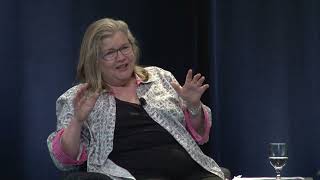
Panel discussion led by Christopher Parsons with Laurie Dryer (Taylor Design) and Barbara (founder of HR Advisors Group) on HR practice in the AEC industry. They describe how HR evolved from transactional "personnel" to strategic business partner, explain acute talent shortages in AEC (recessions, attrition around 7–10 years, competition from tech and public agencies), and advocate for internal recruiters, integration of HR into the business, and learning the technical side of the work. Practical guidance covers ideal HR team balance (technical/compliance vs strategic), how to staff and redeploy recruiters during downturns, transparent handling of downturns (shared pain/gain), pay-equity work and compensation studies, approaches to poor performance (coaching, accountability, peer coaching), onboarding practices, and flexibility measures to combat burnout.
Chapters
I just want to start just with the basics. How did you each get into hr and what was your kind of professional educational background that helped you get there?
Okay, so I started my degree. My first degree was in combined sociology and psychology. Very fitting for hr. And then I ended up with a master's in hr. I started out when I was going to school. I was a recruiter for a mid sized engineering firm and that's how I kind of walked into the engineering environment. And then after I finished my degree, I went with the competitor firm at the time and kind of detoured a few years in a pharmaceutical industry as well as a federal contractor and then back to the A and E industry. So I probably have more years than I want to really think about. But most of my career has been in HR in the AE industry. And 16 years ago I started HR Advisors Group, focusing in this area.
And I went to UC Berkeley. So I don't say gig em, I say Go Bears. That's all we can say. We don't have a very good football team, have a degree in history like you. Took a lot of religious studies in psych, worked while I was going to school in retail. Got really interested in the people side. And my father was a contractor, grandfather was an architect. And they would both say things like there's nothing more important than good people. So that was somewhere in the back of my head. Went to work for Ratcliffe and kind of grew into the role, but took a lot of side education at Berkeley, at UCSF and other things to kind of get the hard skills side of the industry. But I've always loved the people side and I had some fantastic role models along the way. People who gave me opportunities I was not prepared for, did not deserve. You know, Art Gensler, Ed Friedrichs, Kit Ratcliffe, Tim Solmus. I mean, people gave me incredible opportunities and they were great leaders. So you could kind of look at how they approached the humans in the company and that was really, it was amazing. And I didn't realize how important that was until many, many years later.
What's changed the most about HR since both of you got into it?
Well, when I started hr, it was called personnel. So to date myself there, same here. I think it's, for me, I've seen just going from transactional to strategic. It was pretty much you get the people and you hire them, get, get them on board with their paperwork and then when they leave the company, get them out the door, take them off payroll. Whereas now I think it's just gone. And I think that's one of the reasons why I decided to continue in my career with hr, because I really saw it changing, that it was really going to be more important for organizations, and no matter what industry you were in, it was going to be a key part of the leadership team.
And I come from the same place. Like HR was really the paper managers, the data pushers, not as much on the strategy side. And I've seen that emerge a lot. So again, I've had the opportunity to work with some really progressive firms that saw what happened when you fed the people differently. I've also seen through the Large Firm Roundtable. Carol. I'm not really involved in the Large Firm Roundtable anymore, but was. But I've seen through the last 20, 25 years. People were assigned to HR a long time ago. Oh, they're good with people. Let them do the hr. Which is like me saying, I drive on the Bay Bridge, let me design it. You need some skills, right? You actually need some skills. So I've seen it get the recognition as a profession and not just the person who manages the paper or they're good with people. And at the Large Firm Roundtable, you really see the progression of. Of issues, of society, of taking it a step further, where the people in the organization can go. And that's been huge. Twenty years ago, there was no very few firms that had learning and development. And now how many firms have learning and development? Knowledge management? And it's kind of associated with hr. It shouldn't be in hr, but we should be helping in that area.
We'll come back to that. Let's talk about. There are a few kind of like big topics I want to kind of COVID And we'll start with talent. So one of the things you both said in our pre interviews was the war for talent that we've been talking about today is especially acute in aec. And I'm kind of curious why you think that is. Why is this harder here than other places?
Not enough people were born in 1967. We will never recover from that. I love this industry. I've dedicated my life to it. But every time we have a recession, the brutal depression that follows, the people who are laid off, and failure to hire interns, you just take another dip. Like, I was in a bookstore one day and somebody had really nice printing. And I just said, you an architect? Oh, yeah, I was, but I would never go back to that. And I'm like, you're in a Barnes and Noble. And I'm thinking, that's sad. They don't ever want to go back. The gamers and the IT industry, they're much better at marketing people in college, it looks more exciting. There's potentially more money. I mean add to it.
Barbara No, I think definitely it's a supply and demand. And I think after the last recession you saw a lot, particularly in architecture, you saw a lot of folks decide to move into another career because they didn't see it as a sustainable career for them. And then when you talk about diversity in recruiting, again, supply and demand, we're just not magically going to find these people fall off a tree like fruit or something. It's really, really hard. And I think when you start to look at the numbers of students going into engineering or architecture, it's just not there.
So yeah, go ahead Laurie.
Well, and in the equity by design data, which isn't the whole industry, but it does give us the opportunity to reflect at when do people leave? And it's kind of interesting, at that 7 to 10 year mark, people do, regardless of a recession, kind of dip out, which is odd but worth noting. And then looking at those pinch points as they call them, to kind of try to find out, okay, why are they leaving? And then on top of that, a recession, it's kind of start feeling like you're getting punched maybe.
And one thing that you kind of glanced at that we've talked about is here in the Bay Area and many parts of the country where the tech scene is on fire. How are firms competing with higher salaries or foosball tables or whatever the things.
That are happening Google and WeWork are coming in. And just anybody in the Bay Area, you seeing this? They're coming in and just offering boatloads of money to people. It's happened before though. Arthur Anderson did it, the construction industry did it with all of our BIM modelers. So it's happened before, it'll probably happen again. It's brutal. But we have sanity. Today. I almost cried. And I'm not a crier, I'm Norwegian. We don't do that. But look at what you heard today. Look at the beauty of this industry. Look how much people care about the world. Sustainability, about knowledge, about education, about buildings, about design. Doesn't it just make you happy? Because I know people who work at Oracle and other places. I shouldn't name them, should I? God, this is being recorded. And anyway, those are not necessarily kind environments. They're kind of harsh. And you think you work hard in architecture, at least you might be around people you like doing work, you like I've had people go to the tech sector and want to come back even though they were making way more money, with the exception of recent grads who had hundred grand student loans, in which case you kind of can't blame them for heading for the money.
I also think too you see at a lot of public agencies, a lot of folks are going into public agencies thinking, okay, we don't have to work as hard or that we're going to have more of a balance in our life if we could go home every day at 5 o' clock and not have to work on the weekends and not have to answer calls with a client or my project manager. So you're seeing that as well as the Deloittes are also hiring, I think, more entry level engineers out of school and their salaries are much higher than your traditional engineering firms in the country.
So it sounds like we're selling sanity and meaningful work, right?
Yes. And people that care about other people, which I still believe is a nice value and one I aspire to every day of my life. And I think most of the industry really cares about people.
One thing we talked about was recruiting and how hard that is. And you're both big fans of internal recruiting recruiters. So can we talk about the benefits of internal recruiters and when a firm knows it's time to hire one and what do you look for?
We were talking about that at lunch today. Some of the work that we do, we go into firms and help them look at when it's a time to bring in an HR professional or a function for the firm. And when you start to look at, when we start talking to them about search firms and the utilization of search firms and you start looking at the numbers that they're spending on an annual basis in some of these search firms, I look at them and I say you could hire one internal recruiter who would be dedicated to your firm and not working for other firms and you could pay a heck of a lot less for that individual. I think the key is though, you have to really educate the individual to have a sales or recruiting background, but to really help them understand what, what you do. And so you have to go through that process. And we were talking at lunch today about some folks said that they feel like they're under a lot of pressure because they're just expected as the HR team to bring in people. But you really have to look at it as a partnership and that these hiring managers may be out there networking at different professional associations like this and events like this where they can come back and work with the recruiters to say, I just talked to so and so we need to kind of pursue this individual or that individual. And so I think working together will be really helpful. But from a cost benefit analysis, I think it's really something to look at in your firms. There are also, I believe in search firms in that there are times you need to hire people on the outside to help you for those real critical or very difficult positions to fill. But it can really benefit the firm to have that, that function internally.
And they're from your company, so when they're talking to someone, they can speak from a place of knowledge about the company. Somebody said, today, you know, you're getting 3, 4, 5. You know, LinkedIn tells you here's 47 jobs you can get. Here's indeed, oh, here's 17 jobs that look like they line up with you, which I look at just because I want to see what's going on out there. But if you could be contacted by someone who actually knows where you'd be going. There's also a connectivity. So Stantec had a ton of recruiters and they would stay connected to people when they came into the company. And that was huge for them. It was kind of part of their onboarding sanity. You told me this would happen. A couple things happened. One, they were much more accurate in how they represented the firm. And two, they had kind of a built in person they could go back to, which I think is really important. And you said something I found hilarious. When do firms know they need a recruiter? They don't. They just somehow think HR is going to hire everybody. And it's a brutal market. You're looking for two people. I'm sorry, you're looking for four. We're all seeing the door open and the needs. So you got to kind of double. It's crazy to think that a couple people are going to get all the things done that need to get done just to feed everybody and still find a way to hire people who are all employed unless they're criminally insane and you gotta pry them loose and get their attention. If we had eight Mitches. Mitch, where are you? Is he here anymore? He's gone. He deserves a T shirt.
He's on LinkedIn.
I want five of him. No, I want five of him because he's doing exactly what we should be doing. It's not written by the marketing department, it's written by us. Right. That's huge. Having people that get out there and get that message out there. It's huge. You can't underplay that. So it's brutal out there. And I even bought LinkedIn Learning. He was upset about 60 bucks. LinkedIn Learning Plus LinkedIn Recruiter is a bankroll of money, but it's worth it. I won't tell you how much it is. Fair enough.
So the industry, as we all know have been through, we've been through multiple of these cycles and so internal recruiters, what happens when times get tougher, you know, what do they do within the company to add value when we're not hiring as much?
I'd say training, training, development, marketing. Sometimes you've seen individuals go on a part time basis. So it's not necessarily they have to go, they don't have to go away, but they may not be able to keep them full time. But you can help them develop into a different skill set. They typically, individuals who are recruiters typically have skill sets that they might be able to go into other areas of hr. For instance, a lot of times after recession you have a lot of employee relations issues. So having that skill set to be able to sit down and have conversations with managers and with employees to help them figure out what's going on. So it's kind of looking at another avenue and I think there's somebody I don't know. Allie, where are you? You're in here because you went from recruiting to training. There you are. Yeah. You're proof of that.
Well, and recruiters are going to be natural talkers, front office people out there. They could teach, go to job fairs, run an internship program. I mean, I'm just adding depth to if you can sell people to come into a company, you can sell other things as well. And if you helped bring them into the company, you should know enough about the company as a generalist to be able to play other roles. So just making sure they're not just recruiters or somebody says this is all I do, this is all I'm going to do, which I've never heard. They have other roles they can play and be very successful at it.
That's great. I want to switch gears a little bit to talking about what good looks like. So let's talk about the ideal kind of like HR team and the relationship with the business. Who do they report to? Kind of like when it works well, what does that look like?
There's a hard skills side to HR and the compliance side. There absolutely needs to be a lot of data transmitted very well. People need to be paid and insured and all those things. So Barbara and I were talking about this. There is a hard skills side to hr, but there's also a strategic and soft skills side to it. And getting a team that can balance across that because that isn't always the same person, it's pretty rare. And then judgment to know when is this a hard fast rule and when in first break all the rules. It's great. When is this a gray area where I need to exercise some judgment and I don't need to follow a hard ass set of rules. So getting people who can know to flex along that spectrum or to even talk about it and that there's no perfect landing point on that spectrum, we would never all agree where that is.
But.
But to at least acknowledge it's not all willy nilly and it's not all.
Black and white, it's a combination of both. And to recognize there's a lot of times what happens with some firms that they bring in an HR professional and it's their first time, they expect them to do everything. And as Laurie's mentioned, there's that what I would call the technical side of HR and then there's the transactional piece and then there's the strategic piece. So trying to combine all of that. And there are some people out there that are very good at doing all of that, but a lot of times it's hard to find. It's similar to looking for an architect or engineer to be able to do all the different tasks that they're responsible for. I think from a ideal situation, looking at a team that is really passionate about what they do and looking at their internal clients and working together. I use the word collaboration all the time with my team and we talk about working together. HR can't do it all. And the hiring managers or just management leadership and staff, you really need to work together. And I think when that's happening, it can work beautifully. And I've seen it happen, it can work really well. But it takes time and it takes developing those relationships and educating each other on both sides and what your role is and the value you bring to the firm.
And I think sometimes stuff can get put into HR that shouldn't be there. I think Carol spoke to this really well. Like not everything belongs there. That is not the dumping ground for compliance or get the time card or whatever it is that week, the mandatory training, whatever it is, because you start to build the impression that it's a small paramilitary force because people don't want to have conversations about conflict or tough discussions. And so, oh, here HR will do it. You go do it. I solved, I made this big problem, but I want you to go handle it for me. It's a little bit of that sometimes the conflict aversion. And then also everybody should be recruiting. I mean we should be helping provide tools, but it's about building a recruiting organization which we should be helping in rather than this is you. It's your fault that we don't have who we need. It's like, wow, you know, it's right behind curing world hunger. We don't have that kind of pull. We can work really hard. But I've worked at a couple firms that were so badly understaffed, I'm just pleased everybody got paid and that was like a big achievement or high growth firms. So we were understaffed and it was hard to catch up. And then eventually you get enough people, you can start being strategic again. When your core is on fire, your transactional and pay and everything is on fire, there isn't a whole lot of time to talk about strategy. You're just trying to keep the system going, keep it going. I don't know HR people. Do you think that's true?
Yeah.
Nodding heads. Yeah.
So you both worked at multiple places with clients. Also when you see HR kind of done really well versus not so much when it's done really well, what does that look like? What's different about those firms? Both at the HR team but then also the business. Like how does it interact with HR in a different way?
I think they're just part of the business and I think it's not separate that, oh, that's HR's job over there or HR is doing that or HR's goal is to get this done. It's again going back to collaboration, working together. The firm is successful and the people in the firm are successful. HR is not in the back of the building, they're actually in with the rest of the team. And I've seen that happen where they're right there in the middle of everything. The challenge always is the confidentiality and having your computer up. And there's something on the computer that employees may see. But it's, you know, we're not, they're not on an isolated island, which I've seen that in many firms where they just, they kind of look at that, you know, HR and the accounting and it. The back support or they. And so that's not the case. So it's basically physically as well as just psychologically. HR is integrated in the team, not.
Odds behind the curtain or you don't want to go over there.
Yeah. Yeah.
So to Barbara's point, if you're actually integrated into the business and you're a business partner with the other people, and we all talk about not having silos, and they start to happen. You have to do everything you can to keep breaking down the silos to show where here's a different point of view or here's a resource. So I think one of the roles of HR is I'm not going to solve this problem for you, but I should certainly be able to coach you and identify the tools you might need to do this yourself or go in and help build those skills, help be the champion for the employee. I know you're interested in this. Did you know about this conference where I am now? The HR team is very flush, which is great because it gives us time to recruit, go after the learning programs, look at social media. So it's like, oh, my God, we can actually get deep into strategy now. We're not just backs against the wall trying to get things done. And that's like a freaking dream come true. So great. No, it is, it is. It's like you don't realize how stressed you were until you're not.
Yeah, yeah, yeah.
And I think the chaos, a lot of times what I hear from folks is that just Bernie trying to put out fires every day, and you never get an opportunity to kind of look at tomorrow, what's happening tomorrow, what's going to happen next year? You're going after a new market service. And so how's that going to impact your current team, as well as how is that going to impact people that you need to bring into the firm? HR can work with the organization in helping them figure that out, but if they're constantly putting out fires, they're never able to get there. And it's frustrating for everybody. I see it on both sides.
And you got to get out of your office. You got to go out and meet everybody.
Yeah. One of the things you said in our pre interview was about your number one recommendation to HR folks, they're new to ae, is to learn the business. And so maybe talk about what you mean by that and how you two learn the business. I mean, family aside.
It would be hard for me to separate learning how to run the blue line machine at age 8. And to this day, I can smell a full bottle of ammonia. It does nothing to me. So our dad thought we were free labor. So I learned a lot about building. And I also learned I had no design skill, so that was handy.
Right. Although not recommended to anybody here.
No. Do not go smell the ammonia. It makes most people faint. But when he found out it didn't really bother me, he let me run the blue line machine. My parents got divorced. It's a long story. Anyway, so I grew up in it. And I knew I wanted to be part of a world that built things. So that was important to me. Even though I have no design skill, I want to be near the people and again, go work in other industries. I mean, you care about the world. You care about building places for people. This is a beautiful thing to be a part of. And I know I sound wacky and I still won't cry because I am Norwegian, but being part of that is. It's almost like a gift. But you gotta get out there, attend the sessions, go out on the field trips, go out with the surveyors using lidar, even though you're annoying, ask questions anytime there's an in house class line of sight on a road. Oh, that's why I don't trip over the curb. I mean, all those little things help you engage with people. So when they tell you they're looking for someone, you have a better sense of this is. This is what they're looking for. Those are the names of the competitors that the likely next candidate's going to come from, because I've been listening to them talk about it. But you got to get out and engage and not be afraid to be dumb. Ask dumb questions and fail frequently.
Sure. Well, I concur with Laurie. And early on we were trying to hire a lot of surveyors in one of the firms I worked for. And so I spent a day with a survey crew and it was 90 degrees outside and I didn't use the machete knife, but they showed me how to use it and showed me how to do all the measurements and stopped at 7:11 for a Slurpee. I mean, did the whole thing and.
Ice, and ice and you got to keep your hat on. You got to have your water bottle. Yeah.
Now, that same surveyor came back to me several years later when they had to downsize. And he brought the machete knife into my office one day. And I thought, oh, okay. That was before I thought, okay. I got up and I walked out, I said, somebody want to come in and help me here?
You know, was there a purpose to bringing them?
Yeah, yeah, yeah. He was not. Not a happy camper.
Yeah, we're going to move on.
Yeah.
Anyway, anyway, don't smell the ammonia. Run from the machete knife.
Let's talk about here first.
But anyway, so I think it's really important though, go to a client meeting, go to a project meeting. I went to 1A. I was involved in a campaign capture several years ago with MWH when I worked with them. And I spent a week with the proposal team watching them and working with them on trying to put together a proposal for this huge RFP that they were going after. I was just amazed at the amount of work and the tension and the stress and just the energy level that came out of them. And just sitting down with people and talking to them about what they do for the firm, it just really helps you and it helps your credibility with the firm and it builds that relationship along the way.
Yeah. And you're both talking about building empathy for the folks, right? What they do, how they work, where they're stressed. I want to talk about cyclical nature of the industry again. I want to come back to that from a different lens. And when you see firms handle really flush times like we're in now, you know, what are the best firms do? But then how do the best firms weather, you know, downturns and recessions? What do they do differently in terms of the way they treat people and run the, run the operations?
I think when there's a downturn, I mean, you just have to protect trust. No matter what, tell people the truth. They already know. Everybody's looking at Deltec and looking at the hours, they all know, but tell them the truth. We're looking at a downturn. So if you do have to lay people off, it's not a complete shock. People might make other choices and just treat people kindly unless they have a machete. But with respect, giving advance notice. These are our friends, these are our co workers setting up channels where you can help people get another job. I've always handed out my card to every person. Like, if something's going to happen along the way, you're going to have a question, you call me, I'll try to help you. I might not be able to help you, but I will try and I will return the call. And then sharing the pain. I've worked at firms, there's downturn. We all took the salary cut at the top first and then tried to do as little as possible so that they know the first hit high and it should have the firm's not doing as well. The first hit should be at the top. So you're sharing the pain in a bad time and flipping it over. You're sharing the gain from the bottom up. You Share the pain from the top down, you share the gain from the bottom up. Everybody plays, everybody learns, everybody gets a piece of the pie at the end of the day.
Yeah, I agree with Lori. I mean, just be transparent. And if it's, I don't know what's going to happen next month. Be honest with people because if you lie to them, they're not going to stay with the firm after things do pick up. And a lot of times you'll see that happen with firms that aren't communicating with staff. They may not be happy and very unhappy about the situation, but at least you're being honest and truthful with them. I've seen firms where, a couple of firms I know, they actually, their whole leadership team took a decrease in salaries so that their employees wouldn't have to so they could keep everybody. And I've seen situations where they, the entire organization went to like a four day workweek for a month just to help payroll. I mean, just different creative things. And yeah, everybody was, it was a tough situation but they were able to survive. But again, going back to just being transparent and honest with people and then.
Strong bonds are formed when people do that, when they, when people know they're helping each other or I've seen people say, you know, I'm going to cut to 20 because I'm going to go do this because, because this person over here has three kids and they start balancing themselves. That's kind of a, you don't see that in other industries. People start coming up with ideas of other things they can do or hey, I want to take a sabbatical or whatever. They start kind of trying to help each other through it. And if they're allowed to help everybody.
Through it, if they're allowed to help, yeah. I'm going to ask one more question. Then we're going to take from the audience. Let's talk about the flip side. So that's what happens in the, the trough. Like what happens right now. Like what are firms doing? Mitch brought up burnout. Other folks have talked about how things are really busy. What are firms doing to cope with this that you respect and admire?
We have four nines and a four flexible hours work from home. I've worked at firms who said they had that, but there was this kind of microaggression. Oh, you know, oh really? Well, they can't, you know, there was the lip service to it, but not the reality of it. So it's finding a way to make it real. That was powerful that people start sharing their vacation. They're not afraid to tell the other people, oh, my God, I took a day off. That shouldn't be a point of pain, that should be a point of pride. So anything in the flexibility arena, and I don't know how bad people's commutes are pretty terrible in a lot of the country, if you can do anything to flex their hours about when they start and leave or how they manage childcare. And as long as the work's getting done, I think people have been way too rabid about stop and start times, get the work done. Somebody goes to their kid's soccer game, they'll get the work done later that night.
Yeah, yeah, I'm seeing celebrations. Just easy. Whether it's lunch or whether it's after work or the weekends, you know, just celebrating either project wins or project completions, things like that. A lot of flexibility. I mean, when I think back, you know, 20 years ago, talking about flexible work schedules and remember talking to different managers, saying, oh, we'll never do that. We need our people in the office eight to five every day, you know, now we're seeing much, much more flexible situations. And particularly if you're in a metropolitan area where, you know, do you want your employee to sit in traffic for four hours, or would they be better off if they could sit at home for the first two hours and then come in later? But I've seen all kinds of situations.
Like that and flexibility clear back. Still now it's rooted in trust. Do you trust? Are you looking at that person's computer all day, every day? No, you are not. Unless you're psycho. That's a whole other problem. That's a machete. So this is about trust. You're not looking at what they're doing all day at work either. So why can't you trust that they'll get their work done? However, it works best for their life. So I still think it's trust, but I see us making improvements. But we could be making more as an industry, because if you have to choose between your family and work, you should pick your family. So we shouldn't make people think about making that choice.
Right. Well said. Questions for Laurie and Barbara. I see Carol has a question up front.
Front. As long as it's not geography. Where is Mount Rushmore? No.
Can you talk a little bit about.
Pay equity and what you've seen firms doing that you think is a great way to do it, or just some learning from that? I had a great life lesson on that about three weeks ago where some of the. Our younger Staff were convinced that we weren't doing anything about that. And I just said, where's that coming from? And they said, well, it's all over the news. It's in the aia. You know, we went to Equity by Design, and I'm like, okay, that's good. That's true. What makes you think we're not looking at that? And then I realized, oh, fail point. We weren't telling people. We're looking at that all the time. We're analyzing that all the time. So now we're being much more transparent on teams and saying, hey, we do look at this all the time. We get ulcers over it. But we weren't telling people we were doing it, so they were assuming we weren't. I think we need to be a lot more transparent in HR stuff. That used to be a little bit behind the curtain because you never talked about compensation.
Right.
We need to be a little bit more in front of the curtain without attaching a dollar sign to it and saying, yeah, we actually, we are doing this work and we care about it deeply. We could do better, all of us. So that was a major recent fail of mine, ours, because the work's done and people are wondering, you know, what are they doing? It's like, well, we're analyzing everything pretty much all the time.
Well, I see in our business, I've seen an increase since the economy has been really good compensation studies. I mean, right now we probably have four going on and firms want to look at how are we doing, because they're struggling with obviously trying to bring people in or losing people to the external marketplace. Within that, we will point out to them, you need to really look at gender equity, because we see some issues and just treat that as looking at your overall compensation. If we really see a severe problem, we recommend that they talk to an employment attorney, because there are employment attorneys out there that will actually do a very much more different type of analysis than we do, because they pretty much put their stamp on after they complete it. So we've seen that a couple of times. But compensation has definitely been a big issue in the last two years. I've noticed.
So, Laurie, earlier you made a comment about separating out talent development from hr, and then you've talked about recruiters. Where do these roles sit? Can you elaborate on why you would make that separation? And then where does the recruiter sit in the whole scheme of things?
Well, I'm going to give you an opinion. That doesn't mean it works for everybody. So best system I've seen recruiting has to have that as their first bucket because if they get pulled into the core, they won't get over there to get the recruiting done. It has to be the first thing in their bucket. And the core services cannot fail. They're running the business. There are core things that have to be done in HR or you're not going to be doing. You're not going to be in business very easily. And then the learning, that has to be the first thing in your bucket because otherwise you're going to get sucked into recruiting and you're going to get sucked into the stuff that's on fire. So you're part of a system, but you've got, like, this is your priority lane. And if you run out of things to do in that priority lane, we've got other things for you. But just making sure that they're separated enough and that not every class is an HR mandate, like, I think Carol was speaking to this a lot of equity, diversity and inclusion. It shouldn't be an HR mandate. In fact, it will probably just flat out fail. How many of you are architects and engineers? How much of you love to be told a class is mandatory? I mean, it just. It's horrifying because you're pitting people against each other. Whereas if it's a more grassroots effort and people help build it, then they're part of it and it will sustain itself. So that might have been a kind of convoluted answer. So you're in a system, but you can't all be in this system doing the same priorities at the same time.
So, Laurie, So L and D could be part of hr. It's just.
It could be.
Yeah, it is.
In our firm, I've had it. I've been in firms where it was outside and I've been in firms where it's inside. I like it inside because I love that piece of the work.
Yeah. And what I've seen, it works well in both situations, but it depends on the culture of the firm and it really. And that's what I tell clients. It's important to have the function no matter where it sits. And whether it's just you're doing lunch and learns, that's at least some type of development, at least from a training perspective. But it depends on the organization. I've seen it work really well where training is part of hr and I've seen it work well where it's separate from hr. The important thing is, though, the two should be talking to each other because they're seeing they see different things. So bringing it together and making sure that you're looking at know what are the needs, what are the true needs of the organization from a developmental standpoint, and they can work well together with that.
Chris?
Yeah. Okay. Yeah.
So we've taken a couple engagement surveys and we've scored poorly in how we deal with poor performance. So it says the question's usually, how does your company, is your company good at dealing with poor performance? And usually we score very low. So I was just curious, what do you guys think best in class companies look like for dealing with poor performance? Do they share it broadly so people know that we're dealing with it well, or what do you guys see as best in class?
The word accountability. Just start using that word a lot in your firm and start acting on that. I think what happens is when you don't deal with, and trust me, I've seen this over the years. I mean, human nature is your conflict adverse. People don't want to have to sit down and have the tough conversations with people. And then if you don't necessarily like to have a conversation with a person, whether it's positive or negative, it's even more difficult. So just trying to help people understand the impact of not dealing with that issue, how it's impacting the rest of the organization. You have one individual on the team that's not doing their job and everybody else is working really hard and, and they watch over and over again that person just get the same, whether it's an increase. And by the way, they all know what they make or that they just. Management doesn't deal with it. So management starts to lose. They lose the respect for management as a result. So work with them. Try to help train managers or train individuals on how to have conversation. It's really just starting to have a conversation with people and just continue and be consistent over and over again because if you don't, it's going to hurt you long term.
And I would. I don't remember where I read this, but the L and D people might know this. 80% of poor performance is actually a lack of training or lack of experience. And people are just terrified at the very notion of saying those words out loud. So a couple tricks I've tried is saying, I know you probably know this, but we're going to go back to ground zero and we're going to come all the way back up again. And I have been personally shocked and statistically shocked at how quickly people suddenly recovered and became a better performer. And I think it Was Jim, one of you guys, mentioned the Ken Blanchard model? You start off like, oh, I can do this. I did it in college. Well, then reality hits and like, oh, shit, this is hard. Fear never makes you smart. Fear kind of empties out your frontal lobe. And that's usually where poor performance is occurring, which is why the coaching part is so huge, because you can coach somebody out of that. I mean, I'm simplifying, like, millions of hours of information. But if you look at problems in that context, a lot of them can be solved. A lot of them could be fixed. And then there's like, the screamers and the yellers and the behavior problems, which, you know, bye. Bye.
So what we're seeing is. And what we'll do a lot of times working when we do some training for firms is to develop the peer coaching so that what happens is, okay, Joe, you're not dealing with Lisa over here. We really need to deal with this issue. So they're sitting in a room talking about how to deal with situations, and they're giving each other feedback and providing them input on how they could. So they actually are helping each other, which is actually can work beautifully. But again, it's just trying to get them to sit down and just have a conversation and get out of their comfort zone, because it's not easy.
I would also be wealthy because I've had this. Because I'll say to people, well, did you tell them? Well, of course I told them. What did you say? Well, I told them, but tell me exactly what you said. Well, they know. And I say, well, okay, but then how do they know? And you keep pushing, right? Well, they have to know. And I said, but you're not giving me anything. Like, did you ever tell them? Well, maybe I didn't. And so they never really told the person what was missing or what good looks like. So this conflict aversion, and then all of a sudden you get emotional, you have a bad day, something didn't turn out well, and you want to take somebody's neck out when it actually is they didn't understand and nobody told them and gave them a chance to recover. So.
Yeah, it's more of a question about overall structure of the organization. But we've seen, at least at the firm that I'm at, we've been hiring a lot of strategic hires or folks that would traditionally be seen outside of the core project team, whether that be with specific design skills or even just more support functions like a knowledge manager or something to that effect. How do you see or do you have any observations of how you embed those folks in the organization?
We make everybody go through the same onboarding. It might be modified a little bit. And people say, well, you know, I'm a planner, I'm a designer. I don't need bim. And like, no, we kind of try to put everybody through the same pattern. So at least they get relationships or. Or, hey, that's a nice person. If I ever had a problem, I'd go back to them and they could kind of get a better sense of what all the resources are in the company. Even if you're not gonna use that resource, Resource awareness is, I think, really important because within about 30 days, there's a study out there for this too. But within about 30 days, people are thinking, am I gonna stay? Am I gonna stay? And by 90 days, if they're having a bad experience, they're done. They'll stay to the end of the year, but they're gonna exit. So onboarding everybody is also part of connecting them and embedding them with others and giving them communities that they can exist in. Earlier, the communities of practice, that was really compelling because you couldn't see where someone couldn't find somewhere to belong to a little tribe within the organization that's compelling.
I would say. I would agree with Lori and have the individuals attend meetings with the different departments, whether it's a project meeting or whether it's a team lead meeting. If there's an opportunity, they can go to a client site with them. Just kind of onboard them, you know, similar to what you would do in a typical onboarding situation, but spend a lot of time with the different groups, the different departments. Almost like, you know, maybe one once a week, they're meeting with somebody differently and really trying to get to know the individual departments or divisions of the organization.
And everybody needs a buddy. I don't care how strategic you are, when you come into an organization, somebody's got to kind of be that. Go to person for you. That helps you figure. Figure things out. That helps you along. Oh, they know what they're doing. They're senior. They don't need anybody. Everybody needs somebody.
Does anybody do any onboarding where they bring people together? When you have multiple locations and maybe once every quarter or once every month. Does anybody do that? Yeah, because that can be really effective too. They get to, you know, you get to meet people from the different.
From the different groups, like a cohort of some sort.
Hi. John Wanberg, mwh, now part of Stantec. I do not have A machete with me.
Thank you.
Yes, of course. I was wondering if you guys, you talked a lot about HR having a really strategic function and how that's sort of the highest and best use. What are some of the typical situations that companies miss when it comes to incorporating HR in a strategic fashion?
They don't invite them to the table, they don't invite them to the strategic planning meeting, workshop, retreat. They're kind of like an afterthought. I think that's where, again, the organization may not see the value that they bring. So there's a disconnect with what, you know, the leadership and what HR is doing. So I think that's really important to try to bridge that gap and figure out what's going on, because I think there is value that HR can bring. And it's a different, it's one of those things where we're all different, we all bring different things to the table. It's just HR has a, you know, and I do know some engineers and architects that actually moved into hr, but it's, that's very unusual. But just trying to figure out, you know, what are we missing here? We're all saying the same thing. We all agree with each other. We need diversity in how we think. And that's where somebody like, you know, in HR or in development, whatever, you know, marketing, bringing different people to the table because can bring a different, can bring a different but better solution.
And shifting roles or shifting teams. I've seen people really struggle with a team, go to a different team and thrive because people just think, well, that's it, they're done, they can't do it. And shifting the environment enough that they get the right fit, it can be, can, can be huge. Because if you think of the three best people you've ever worked with and imagine everybody was that good and the three people who were driving you nuts right now, and they were gone. I mean, what could be more important than the people and the fit and their connection to what they're doing? I mean, because when you, if you've ever been in a high performing team environment, it's really, really powerful. It's like a drug. And then that's where HR can help you think about things differently. To reposition people, maybe even create a new role for someone and they're stellar at it. Just kind of looking at all the possibilities instead of you're in or you're out.
Another good example would be for mergers and acquisitions. A lot of times HR is brought in after the decision's been Made at least what I'm seeing now is that HR is being involved in the beginning, actually involved in interviewing the other firm and talking to the principals of the leadership team to get a sense of if it's going to be a good culture fit. So that I think is a positive thing. The other issue may be though, you may not have the right person leading HR that can help you strategically. And I've seen that where you're frustrated because you've got an individual at hr yet they're very transactional or they're reacting all the time. They're not necessarily being proactive and it may not necessarily be their fault. It's just that is the way the firm has worked and that's their role has been this and it's very different. So now all of a sudden you want them to be strategic, but they may not necessarily have that skill set either.
So.
Rob Deamer from akf, follow up basically to that same idea. I think I heard you say, say that transactional is the stuff that you focus on when the proverbial shit hits the fan. You don't have time to do the strategic. If a firm traditionally undervalues hr, then typically they're not well staffed and therefore there is never enough time to get to the strategic and you only ever have the time and the resources to work on the transactional. So the question, you know, any guidance, any ideas or thoughts on how to kind of jump start that or change that thinking in the leadership to recognize the need to make a bigger investment in HR so that there is the capacity to provide that strategic point of view.
Well, it might be a long term investment that you're going to be making. You may see that if you hire somebody or you need somebody strategically, you may need more resources and which means particularly at the higher level, it's going to cost you more money. So you may need to recognize that you may not get the return on your investment for a few years. So if you can start thinking that way and recognizing that we need to shift, we're losing people or we want to keep the people we have and we need to develop them, we need to make sure that we're keeping, keeping them engaged because if we don't, we're not going to have them, therefore we're not going to be able to do the work, therefore we're going to lose our clients. So if you look at it as an investment and then look at your transactional with automation today, there's a lot of things that can be automated. Plus it's one of those things. We talk to firms where I have a woman on my team that loves to do affirmative action plans. Thank goodness, because I can't ever imagine doing them. But we talk to firms that they do them and that's something that they spend a lot of time and energy on doing an affirmative action plan internally. Yet it might be better to outsource that so that you can give that individual some other responsibilities that they can focus on. You're losing people. Let's figure out what's happening, do some focus groups and figure out some recommendations on how we can change this. So it's just shifting the responsibilities around and looking at what you're doing internally versus ext externally and just looking at a long term investment. And maybe you need to bring in a different skill set to help you.
Three thoughts. One, talk to firms who you think have a stellar HR and have your top leaders talk to those top leaders. Like what is that difference? What is that gap? Two, do the Gallup survey or Kelleher. Did I say that right? Anyway, do an internal survey and see can we influence any of those things if we were more strategic with hr. And then if you have a retention problem, which most people do, the business case is if you can plug the hole, you won't need to recruit so many people. But having everybody go through a hamster wheel and just spitting out hamsters out the side. A famous reference from 2010. Well, there's a business case for having more strategic human resources because you should be able to retain more, you should be able to attract more, you should be able to teach more and develop and have career pathing for people. So those things should make a huge business case. What's the number on. It's usually the cost of replacing an employee is one times their salary. That's what it's costing the company when somebody leaves. That's some pretty good math there. If you fix that.
I think we have time for two more questions and they'll be mine if you don't ask them. Okay, we have a box. Yes.
So weird. So this particular conversation has really resonated with me because I don't come from aac, I don't come from hr yet I'm here and that's because I interviewed at my firm for a completely different position and they decided that I had a skill set that they could use. And that was we're opening another firm in Phoenix and my firm's in Tucson and we have to staff at about 10 to 15 people in hopefully the next year. So with the climate we're in, it's kind of insane, but I love it because it requires strategic thinking. So for me, I'm dealing with managing a fear within my leadership team of bringing people on because they're sort of scarred from the recession. There's just this inherent hesitation. That person's been at a lot of jobs. We're not sure if they're going to stay or relocating someone's a high risk or. I don't know. We try to be internally fair on competition pay, but yet the salaries that we're talking with people to bring them on board are just well above that line. So I've come from a perspective of. I'm looking at it strategically and I'm trying to coach them on the fact that we're kind of in a different conversation than we've ever been in. So, yes, that's a fair point, but that's not the conversation we're having. And so I just. I deal with some very nice and very humble and very, very good and talented people in what they do, but yet it's just. I don't know if it's my operational strategic side, but I kind of struggle with that background back and forth on sort of up coaching, if you will.
Ptsd? No, I mean, some people still are. That last recession was so brutal, I think it's left permanent scars on people. So you have a strategic role. What if you go to the marketing department and wrote a whole business plan and they helped you write the business plan as part of a workshop. Carol will give you pointers and then you look at what's the potential income you could get from that business plan. And it's going to be painful and it's not going to happen overnight, it's not going to happen by Tuesday. Right. But. So this is the long term. By in three months, we'll be here. In six months, we'll be here. In nine months, we'll be here. Here's what it's costing us. We're going to slowly do this and here's our potential return, knowing that you're going to have turnover too, but you, you just approach it from a business plan point of view. People will usually address that. You know, what's the potential in that market? What similar markets do you have? Are you looking for an acquisition? Do you know former employees that live there? Do you know parents live there? Because then they might want to move there to take care of their parents. I mean, there's a whole lot of strategies you could come up with from A human resources point of view that could help you make a much better business case rather than, oh my God, I got scarce seven years ago, you know, 10 years ago, I don't know, long time ago.
And just one step. And I would say take that plan one step at a time and just keep on feeding them information and working with them. And okay, what are. Let's talk about the fears, but let's talk about if we do this, what would happen from a positive perspective. And we may lose. We may try to bring people in and we may still lose them, but we have to start some somewhere. And so it may be a culture shift in how you're looking at the organization and changing how to change the image of the organization from a branding perspective, that may help.
If you do nothing, you're sure not going to win.
What are you two the most excited about? Kind of looking forward. Hr, aec. What gets you excited?
Well, definitely not affirmative action plans. I'm thrilled. Like I was. I told you when you called me several months ago that these topics, I mean, development and HR and engagement, it's. I love. I mean, it's just my passion. People are my passion. And that firms are really focusing on. We have to recruit people yet we have to continue. We have to make sure we take care of them and keep them, whereas before years ago, we just need people, we just need bodies. We just need to get this product project done and we'll just deal with everything else later. And I'm thrilled that our industry's moved slowly, but it's moved. I kind of look at it, baby steps, toddler steps, one day at a time. And I'm thrilled to see where we are today in the industry from an HR perspective, from a strategic perspective. So I'm excited about the future because I.
It's just putting the human in human resources.
Exactly.
And now seeing people on boards, learning and development programs, you're seeing a much greater appreciation for what the role can be. And I'm really excited by people coming into the firm. The level of knowledge people have now coming out of college is just stunning. And it's like, oh, my God, oh, my God, oh, my God, how fast can we grow you? Because just seeing the light flash, the passion flash in someone's eyes that if you can connect them to something, not too much, but enough that they get excited and they get engaged in helping the firm get better, that's candy. That is just freaking candy compared to that last recession where you just want to vomit every night because you're thinking, oh, my God. Who's next? So that was.
That was.
If you weren't here for that, just ignore this part? Yeah.
It'll never happen again.
Don't let it scar the ground.
Barbara and Laurie, thank you so much for sharing your time with us.
Thank you, Chris.
More from Christopher

Human in the Loop? Testing Our Assumptions About Where People Add Value in Learning | Todd Henderson

Redesigning Work for the AI Era: How Greenprint Turns Implicit Knowledge into Shared Intelligence

Designing Learning Like a Product: Branding, Culture, and the Unseen Work of Building an LMS

Scaling Design Excellence: How Diamond Schmitt Amplifies Knowledge Through Learning and AI

From Tame to Wicked Problems: Rethinking Learning and Development in a VUCA World | Ellen Bensky

Learning at the Speed of Change: Adapting L&D to Your New AEC Workforce | Kristina Williams

Designing Modern Learning Organizations: Rethinking AEC Learning Development in the Age of AI

The Link Between Learning, Motivation, and Career Fulfillment for AEC Professionals


Why Communication Skills Are Foundational to Teaching, Leading, and Adapting in AEC F

A Framework for Collaboration and Quality: SMMA’s ISO 9001 Journey | Ryan Farias & Jessica Smith