FXCollaborative on Employee Resource Groups
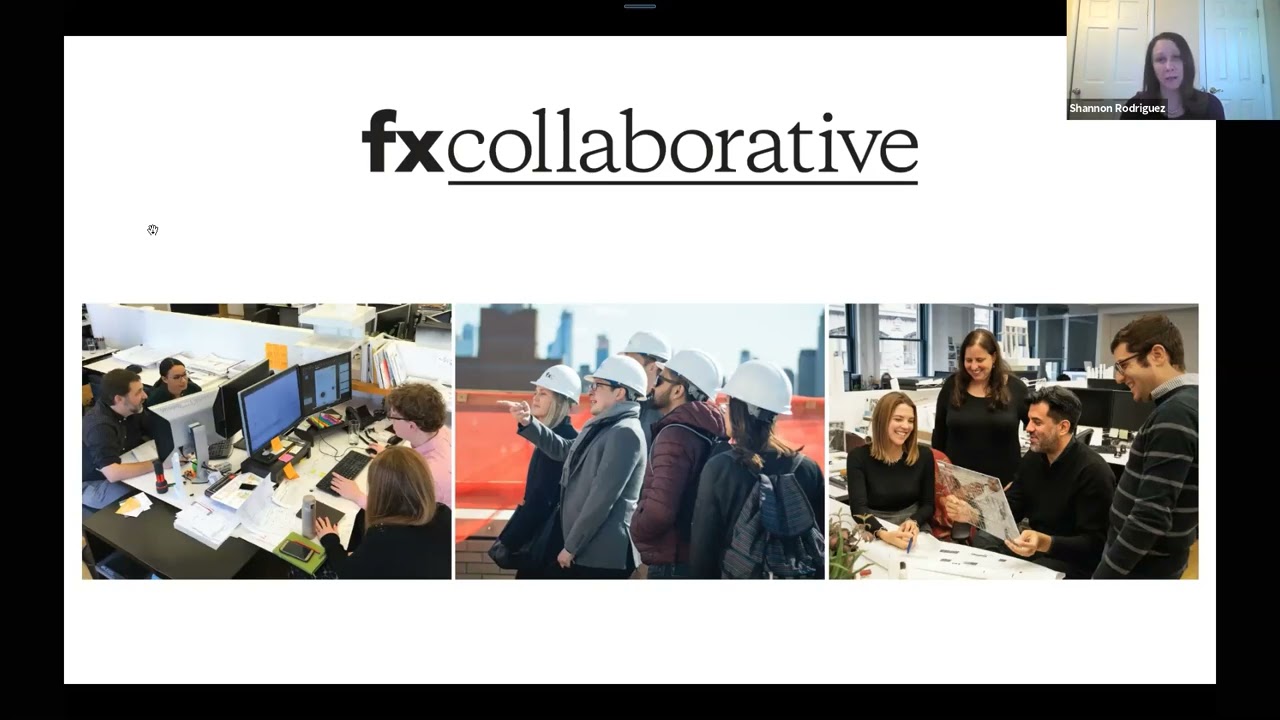
In this panel discussion hosted by Christopher Parsons, members of FX Collaborative’s Employee Resource Groups (ERGs) – Shannon Rodriguez (HR Director), Chelsea (co‑chair of FX Women), Tiana Chin (co‑founder of FX Mosaic), and Martin Scott (co‑chair of FX1) – address practical questions about starting, sustaining, and measuring the impact of ERGs. They discuss the minimum membership needed for an ERG to be viable, how momentum and leadership engagement keep groups active, and the balance between open and closed LGBTQ+ groups. The conversation highlights the role of storytelling and ally participation in encouraging members to come out, the value of unconscious‑bias training, and tactics for boosting attendance such as high‑visibility programming and cross‑ERG collaborations. The panel also clarifies operational details: co‑chairs are not financially compensated but receive intrinsic rewards, typically commit a few hours per week, and use intranet‑hosted charters to define mission and goals. Time spent on ERG work is tracked via a mixed approach of paid and unpaid hours. Overall, the discussion provides concrete guidance for firms looking to launch or grow ERGs, emphasizing inclusive culture, leadership buy‑in, and clear administrative structures.
Chapters
I would like to welcome our featured guests, Shannon Rodriguez, Chelsea, uh, Christopher Lee, Tiana Chin, and Martin Scott. So Shannon joined FX Collaborative in 2005 and is the firm's Human Resources Director. Chelsea is an architect at FX Collaborative and co-chair of FX Women, the firm's employee resource group focused on supporting professional growth and leadership and development for women by promoting the voice and perspective of women within FX Collaborative. Tiana, um, has been with FX Collaborative for over 15 years, and along with her responsibilities as office manager and co-founder of FX Mosaic, Tiana is instrumental in programs that provide professional education and training to design firm personnel. Martin Scott is an architect with over 9 years of experience on hospitality, exhibition, educational, commercial, residential, and planning projects. With significant experience through all phases of work, from conception to construction completion. I've had the deep pleasure of spending time with Shannon, Tiana, Chelsea, and Martin over the last several months preparing for this discussion, and I'm just delighted that you're here, and I'm grateful for y'all for sharing your knowledge with us. All right, um, let's get started. So Martin, if you can share the presentation that we have.
Great.
Um, so some of you put in the chat, "I'm not sure I know what an ERG is," so I thought we'd start there. Um, so FX Collaborative established their formal Employee Resource Group program in 2013 with the goals of promoting inclusion, supporting professional growth, and leading outreach initiatives to increase education and diversity. And if you're wondering what an employee resource group is, they're oftentimes referred to as affinity groups as well. So ERGs are voluntary employee-led groups that foster a diverse, inclusive workplace aligned with an organization's mission, vision, goals, and culture. And at FX Collaborative, ERGs are voluntary employee-led and firm-recognized groups for women, the LGBTQ+ community, and people of color. Ranging in size, with differing levels of finance— financial and resource support from the office, they provide a democratic forum for conversation and a platform for initiatives promoting justice, equity, diversity, and inclusion. So I'd like to start our story with Shannon. Um, and Shannon, I'd love to hear kind of the backstory of employee resource groups at FX Collaborative. How did they get started and how have they evolved?
Sure. Well, first, Chris, I just wanted to thank you and everybody at Knowledge Architecture for inviting us here today. We're really excited to be here and kind of share our journey and some lessons learned and hope that everyone gets something out of this discussion. Our journey started about 8 years ago with our first employee resource group, which is FX Women. And the group, I would say, took about 3 years to kind of formally get, get off the ground. It was a grassroots effort started by a group of younger women in our office that had some questions and concerns about why there was a lack of women in leadership roles in our office. And also kind of a lack of women with families in our office, which is somewhat typical in our profession. A lot of women in leadership roles don't necessarily have families. So they started having these informal conversations amongst each other, which led to them having the courage to talk to the female partners we had at our office. And those partners were very receptive to having the conversation and trying to figure out the same thing. Coincidentally, around the same time, I was really starting to look at our demographics information as a whole and really focusing on like the lack of diversity. So alongside the women that were having these conversations, myself really just trying to dig a little bit deeper about the issues and the concerns that everyone was kind of having. And coming to terms with the fact that there are biases that exist, right? Again, it took about 3 years to kind of get the group going because there was a little bit of hesitancy. You know, "What do you mean? We have women. We have lots of women." You know, but we did, and many had left, many, you know, didn't have families, and we didn't have a lot in leadership positions. So we really kind of had a focus on that. And so the group, which Chelsea will get into go into much more detail, but the group came up with a mission statement, kind of goals and priorities that they wanted to focus on, and was able to get support from myself and some of the other women in the office, and more importantly, some of the men in the office. So I think those, those goals and having support and allies was, was kind of critical.
So that was FX Women, and that kind of that informally started in 2013. You also have two more ERGs, FX1 and FX Mosaic. Can you just introduce us to those a little bit?
Yeah, sure.
How those got started?
Absolutely. So FX1 started about 5 years ago. And the group is really focusing on advocating, supporting, and celebrating the members of the LGBTQ+ community. While also educating us on the issues that members of that community face. And Martin will get into more details as well. OK. And the last group— Yep. The last group that was formed about a year and a half ago is FX Mosaic. And that group is focusing on advocating, supporting, and celebrating ethnic, cultural, and racial diversity. Tiana will get into a lot of the details and initiatives that the group doing, but I just really quickly wanted to acknowledge the hard work and dedication that each of these groups have done and contributed. In particular, in the past year, FX Mosaic, as the newest group, and, and really trying to figure things out, they've really tackled a lot during the last year, which has obviously been a very difficult year for people of color. So I just wanted to quickly acknowledge that.
Mm-hmm.
Yeah. Shannon, I think, you know, we're going to, as you have alluded to, we're going to dig into each one of these three employee resource groups individually. But just kind of, if you zoom back on the last 8 years of getting to where you are now, some kind of like high-level kind of lessons learned, both positive and negative, kind of along the way that you can kind of start us off with.
Yeah, I think most importantly, again, you need some— you need people in leadership roles who support you, and because you need that buy-in, who can represent you when you're not there, and who share your vision and your goals. Again, you want people not only to share your goals but actively participate, right, and actively listen to what their issues are. You have to kind of allow for safe spaces and allow for difficult discussions, which is not always an easy thing to do, right? As you mentioned early on, the groups are voluntary and inclusive, but you also have to be careful about not offending or excluding other people. So that's definitely something we've learned through over the last few years to make sure that we are not offending others.
Shannon, can I follow up on that? I noticed that in the write-in questions for this session, a primary question was, are these closed groups and is that, you know, a problem or are they open to everyone in the office? How does FX Collaborative structure these ERGs?
So they're open to everyone and even kind of in the official mission statement and goals, while outlining the kind of objectives of the group, it says it's inclusive to everybody. So everyone is encouraged to participate. And join even if they're there listening. So it's definitely not closed off to anybody or any particular group.
So if I'm a white straight male, which I am, what's my, what's my role in FX Women, FX One, FX Mosaic? Like, why am I there and how am I supposed to help or contribute or what can I do?
Part of it is listening, but part of it is also you can help be part of a solution for something. And perhaps someone doesn't feel able or capable to speak up, right, during a particular moment in time. And just being there for them, listening and being their advocate, I think, is— as a straight white male, we have a lot of straight white males in our office too. And in fact, we need them there. We need them there listening because they can help be part of the solution, right, going forward. And I think that that's what folks have to take away from the importance of an employee resource group. And, and, you know, I think people know this, but there's, there's something to say about having more people, right, in a group and fighting for a particular cause, right?
Yeah, absolutely.
Um, power in numbers.
Yeah. And I'm assuming, you know, all of the folks in these ERGs are still working on projects or have other initiatives. So as people get busy, it's nice to have the ability to distribute the work that needs to be done, right?
Certainly.
So just kind of at a high level, I'm curious, how do you look back and measure success? You know, have the ERGs had their desired impact? Have they changed the demographics? Have they helped the firm, you know, become more educated on these issues?
I would say for sure, because a lot of our conversations lead to opportunities for training, right? And different forms of training. And the training that's meaningful and relevant. And so, you know, out of these conversations and the rest of the, you know, Tiana Martin and Chelsea will get into some of the specifics about what we've done, but from like an HR point of view, a lot of these conversations we were having led to unconscious bias training. It's led us to rethink how we recruit and where we recruit. Who's involved in the recruiting process as well. And so it— I, you know, cannot speak to how much these work groups have changed the culture of our firm, and there have been a lot of success stories with how our recruiting has changed. And if you— we're going to share some of our kind of demographic information with everybody over the last couple 5 years or so just to really show some of the areas of improvement that we've made while also recognizing there's a lot to do. There's still a lot to do, obviously. So this kind of chart is really just outlining from 2014 to 2019 what our gender and ethnicity looked like from our architectural staff. And you can see some increases in the number of women we have. As well as people of color in our office. And the next slide is going to outline licensed staff, which we know in our profession women tend to not be licensed as quickly or as soon as men, but we've also made some progress in terms of the number of women who are licensed as well as people of color. The next slide is going to focus on our applicant pool, which I really think speaks to a lot of the outreach and recruiting efforts that we've made. You can see that both on gender and ethnicity as well, we've, we've made significant progress.
Yeah, absolutely.
I—
oh, sorry, we got one more.
No, no, no. And then of course, if you're able to attract and, and interview and meet more diverse candidates, you can then hire more diverse candidates. So I think, you know, some of those recruiting efforts have, have definitely played a part in us being able to hire people from more diverse backgrounds and more women. And then the— I think the final slide focuses on leadership, which has probably been our biggest hurdle. While we have made some progress in increasing the number of women in leadership positions, we really haven't moved the needle in terms of diversity. And so that is something that we are very aware of. It's something that we are working to improve. And, you know, we're committed to doing that.
Awesome. Thank you, Shannon, for giving us that kind of overview. And as I mentioned before, I think what I want to do now is dig into each one of these employee resource groups and learn a little bit more about each one. And so we can start with Chelsea. And again, as a reminder for folks, Chelsea, you are an architect. Yes. So you have a day job and are the co-chair of FX Women. So I'd love to hear kind of a little bit more about FX Women in terms of who's involved, what are you focused on, How are you involved in kind of inside and outside the office in different initiatives?
Sure, Chris. So, you know, I really think it's key to kind of start off with our mission statement again. It was stated by you in the introduction, but just so folks continue to get familiar with our ERGs. For FX Women, our mission is to support professional growth and leadership development for women, and we seek to do this by promoting the voice and perspective of women within FX Collaborative. So, You know, who's involved then, right? Who's, who's actually making up this ERG? So as Shannon mentioned, it's open to everyone in the office. It ranges from and engages with all levels of our staff, from interns through the firm's partners. And our— while our mission is really supporting women, it's not, as I said, exclusive to women and not really just the women's only group. We really encourage our colleagues, regardless of their gender identity, to participate because that's really what's going to give us the biggest audience, and also, as Shannon said, really can contribute to making change and implementing change on behalf of the ERG. And really, you know, that's why it can't operate in a vacuum, so it has to be open. Within that, we're looking at our areas of focus, right? So how are we engaging conversation? It's really a range of professional development opportunities where we'll have guest speakers or presenters. We've done internal panels as well that are all really seeking to elevate the female voices and then balancing those as well with some social and wellness activities. I think—
Chelsea, when it's a— I'm sorry to interrupt. If it's a professional development activity, is that kind of general, here are good skills, or are they tailored towards women? Like, how do you— how does that work?
Sure. So I think we've really looked to have it focused towards women, but obviously wanting it to be impactful to the office at large. So we may bring in a guest speaker who's speaking about what it was like for them to seek professional advancement and what steps they took to fill— to seek out those leadership opportunities. And, you know, that, that information is accessible and helpful to everyone, not just women. So, you know, of course, wanting to highlight the lens and the perspective of how women have gone about that is a key thread to it. So we're definitely looking to make it impactful to both the women, but also the office at large in those initiatives. And I think, you know, we can take that and apply it to what our core goals are for the ERG. You know, it's, as Shannon said, it's not just a supportive and inclusive environment, but it is skill development, workshops, training that can really make an impact for everyone at all levels within the firm. And also supporting a work-life balance, right? Where, yes, we have, you know, the lens of a woman and how we experience our position, we're working at a firm, but also we want our— all of our colleagues to have a work-life balance. It's, you know, it's important. It's what, what allows people to operate at their most efficient and best capacity, which is ultimately going to be great for the firm. To have the employees being able to have a balanced life and be successful both at their job, but also just overall wellness. And, and I think, you know, as we're looking at how, how groups are looking to form their ERGs, one of the things I think that was really critical with the formation of FX Women was establishing that mission statement and goals. Because, you know, I think it's— there's two key factors here. One is that it really creates a guide for you to make sure that the programming that you're doing or the initiatives that you're looking to consider are aligning with those goals in that mission statement. It's a nice kind of checks and balances, like, as we seek to do programming in the future, is it working out for us? Is there something that we need to adjust or shift? Are we going off on a tangent that's really, you know, not focusing us as to what our our core is. So, you know, I think that's a critical element. And then I think the second critical element would really be is that there's going to be instances where members of the ERG are not necessarily in the room and decisions are being made or questions are being asked. And, you know, it really provides a good opportunity for people like Shannon, who is in the room, who is familiar with our mission statement, to advocate for our— on our behalf, uh, as we're bringing initiatives kind of like up up into the higher leadership. So I think it's a good balance and it's an important step because it does take time to form these ERGs, but as you can look at that formation and get into those areas, I think it can be really supportive in that effort to give that credibility.
I want to pick up on the thing you just said about taking time to form them, and I realize that we'll get into this, but Chelsea, you're relatively new to FX Collaborative, and so some of this might be an answer for Shannon, but How long were these— was FX Women kind of informal before you took that important step that you mentioned of writing the mission and kind of nailing down your goals?
Sure. I believe it was— because you're right, it was before my time at FX Collaborative. But I believe it was really almost like a 2 and a half year period. I think it really coincided with the MeToo movement.
The formalization coincided.
The formalization coincided. Conversations were happening. I think the firm took a big step to have an open conversation, and that I think really made people realize the importance of solidifying and formalizing the group of FX women at that point. So, you know, I think we're constantly looking at our areas of focus, right? We're considering what is current, what is relevant. You know, it speaks to that moment that conversations are happening based on current events.. And having a safe, open space to discuss those is really what focuses our mission. So I think, you know, that continues to evolve, obviously, in this past year with the switch to work from home and pandemic that we were all thrust into. And then also, you know, the, the call for addressing systemic racism in our country. Those are areas that we took in collaboration with the other ERGs and said, we're going to spend some time focusing on this. And that's, you know, that really, I think, just looking at how we're coordinating and involved in office-wide initiatives, you know, it's really this, whether it's a strength in numbers, as Shannon alluded to, but I think also being it, having ERGs that we can collaborate with, it really, you know, does speak to kind of the intersectionality of our own identities. It seems self-evident once you get to this point that you're like, Why wouldn't we have an open conversation with FX1 or FX Mosaic about an issue that's through the lens of women, but also it obviously is affecting others throughout multiple identities. So it's, it's really looking to create that supportive community. And as it evolved for us, I think it got— becomes like almost second nature. Any, anytime we're planning conversations, we're always like, let's collaborate, let's collaborate. No, what are you thinking? Like, how can we support you? You know, where can, where can we bring some resources into it? So I think it's really been, been a great opportunity for us. And that kind of extends into external organizations as well. I think folks are always looking for, you know, what is a tangible kind of thing that you as an ERG can, can bring or can achieve? You know, one example is we've spent a lot of time in the last year partnering with external organizations, colleges and universities on resume and portfolio workshops. It may seem like it's not necessarily an obvious choice, but for, for me it's been amazing because if I would have had that information when I was starting my job search and hearing it from people who are in the industry, it's been a great resource and it's, it just is a good way to continue to connect with other organizations and other potential colleagues. So it's been really, I think, important to balance what we're doing internally, but also kind of take that next level and say, how can we affect change externally as well?
I think what I'm hearing, and correct me if I'm not hearing this right, is that when, I mean, it's been a, 2020 was a year. I think we all know. And it sounds like the ERGs were good infrastructure for the firm to have to help the firm cope with and respond to and kind of take action on some of the things that were happening. Is that, is that a fair assessment?
Yeah, I think, I think it's as a, as a resource group, right? We're here to support and provide space for our colleagues and ourselves really. So it is, it is, is a good way to kind of look at it is how we can be a resource to colleagues when, you know, and I think everyone kind of being thrust into a work home environment when we are very kind of in-person collaborative by nature was a struggle. And, you know, how we can kind of do check-ins with that. I think it's, you know, it's partnering with Shannon in HR. It's what, you know, what programming can we still have virtually that is engaging and not letting conversations or not making people feel like they're kind of falling off the— on the back end and not being connected with. In the same way anymore.
One of the issues, you know, that came up in 2020, and I feel like I'm reading an article every couple days about the impact of this recession on women, the kind of she-session, right, as it's being called. I'm curious to see how FX Women, the ERG, is responding, and FX more generally is responding.
Sure. I mean, I think it's looking at our year, it's definitely something that's come up in planning conversations. I think As architects, we tend to be data-driven folks, so it's really interesting seeing the different coverage from different news sources and media sources about this. But it is also looking at how are we staying connected and engaged with specifically our female colleagues, because we don't want them to feel like they have to make that choice, right? We want them to feel that they can still do their job and be supported and feel supported and feel seen. I think also is a lot of the concern and challenges that people are having related to that. So how can we as a firm, as an ERG, be a resource to make sure people are still feeling connected and supported as we're at this moment in the pandemic? Yeah.
So I'm curious if there have been any— so I like that. I think that it's this kind of network of people that you can share that struggle because a lot of people are having very similar struggles and you don't have to face it alone. I'm curious if any policy changes around flexibility or anything like that have come up as a result of the group.
Sure. Shannon can get into this a little bit later on, but I think pretty early on in the pandemic, there was a moment that FX Collaborative decided— we were working on a flex policy, but there was definitely a moment that that flex policy needed to be implemented soon, right? It needed to be immediate because of the result of, of the pandemic and what people were facing at home. So having that flexibility of working shorter days, shifting hours, it's, it's been really fantastic. And employees have definitely been taking advantage of that opportunity to make sure they can take care of their family or themselves and still get their work done. So it's, it's been a really great resource. I would encourage firms who aren't doing so, to do so. And it— and I think it's, it's really shown in how people can still engage also with kind of the extended activities that BRGs bring as well. It's— it gives a nice balance to being able to do your work effectively, efficiently, while still being engaged. So it's been really nice.
I'm curious to know what this ERG has meant to you both kind of personally and professionally.
Sure. So, you know, as you mentioned, I'm a more recent hire to FX Collaborative. And I think one thing that's kind of unique about my story is I was aware that FX Collaborative had ERGs when I was going through my job search. You know, I was obviously aware of the work that the firm was putting out, but one of the things that really caught my attention was the ERG groups. And I think that's, for me personally, social justice work, being engaged in that aspect was something that has, is, has an important place for me. But it was something that I wasn't gaining when I shifted from kind of the student academic world to the professional world. And so when, you know, realizing that here's a firm that is doing both fantastic work, but also working for the betterment of women, the betterment of the LGBTQ community, plus community, for people of color, to engage in, in shifting the industry. I was like, of course, yes, I can do this at work. I can do this at work and feel supported about doing that work. And that was, yeah, a huge, huge kind of just like an amazing moment, um, to, to kind of get that call of, yes, we'd like to hire you, because I was like, oh my gosh, Two worlds collide. Amazing. This is wonderful. So, you know, I think from the professional standpoint also, it is leadership opportunities for folks, right? So, you know, for me, I think still being a recent hire, but given the opportunity to step into a leadership position as a co-chair, it really helped solidify to say like, this is the work I want to be doing and engaging in as part of my role as an architect. And how that lens can really make an impact on the work that I'm doing, and not just for projects but also for the greater good, right? So I think, you know, having that leadership opportunity and taking on— and I think that exists for even just committee members within the ERGs. So we have the co-chair positions, but we also have kind of committee members who are more routinely engaging with planning. So I think— it— the levels of engagement and how much kind of opportunity and leadership you want to take on can range. And I think that for folks, it can be a deterrent, right? Oh, how much time do I need to spend? It's volunteer, so you can kind of tap into what level of engagement you feel most comfortable with. So I think I can come and listen and just try and understand.
That's totally fine.
Yeah. Or you can say, you know, I really found this great article. I think it would be an awesome discussion topic for a committee meeting. And so it's really an open range of that. And And that has been a great balance because I think from a co-chair position, you're only as good as hearing and supporting the committee and the community that you're, you know, responding to. So yeah, it's, it's been, it's been wonderful. And also getting to work with, you know, Martin, Chen, and Tiana has been a dream.
So yeah, but yeah, that's a really good point. We should keep talking to the dream team.
Yeah, let's do it.
Yeah, let's do it. Um, Martin. Hi, Chris. Hi. As a reminder for folks, Martin is the co-chair of FX1. So tell us about FX1, Martin. Where are you focused inside and outside the office? What are the kind of key goals for your ERG?
Sure. So thanks, Chris. So what I thought I might do is just start like Chelsea did with our mission statement, just to give you all an idea of what our aim is. FX1's mission is to engender a culture of diversity at FX Collaborative. We encourage our lesbian, gay, bisexual, transgender, and queer employees to be proud of their identities and support them by making the practice an equitable space. So that's, that's really what our aim is and what we're trying to set out to achieve. I thought I might just give you a bit of a backstory too on just where we've come from. So similar, in a similar way to FX Women, we happened fairly organically, and like Shannon and Chelsea both said, it takes time. So it really just started off with a couple of employees, LGBTQ employees, who would catch up over lunch or happy hour drinks, that sort of thing, and would talk about potentially going in the same direction that FX women did and creating this employee resource group. And then it was also what really pushed it, we've got a partner Tim Mailum at FX Collaborative and he's out and he's gay and he was there with full-on support and showed such encouragement for all the ideas that they were coming up with and so really pushed them to keep going with this idea of creating a an LGBTQ employee resource group. So that was, that was a huge help. Having someone up at such a high level makes an impact, and it's not, you know, that it's not just a small group of people isolated when you've got someone much higher up in a, in a high, high level. It really, really helps.
How did you— oh, sorry, go ahead.
So just in terms of how it actually came to be, And so then it wasn't actually until 2016, and many of you, I'm sure you know, when the Pulse nightclub shooting took place in Orlando, and that's when 49 people, both LGBTQ people and allies, were killed. And that really kind of hit home and told us that there was such a need, even nowadays, to have this group to talk about issues that go on in the world, but also within the office. And there's so many different issues from a small scale to a large scale like that that need to be discussed, and it can't really go ignored or just kind of swept under the rug and not addressed.
And so can you give us an example of what some of those things are and how, like, what some of the programming that you're doing is within the firm and then outside the firm?
Sure, yep. So, yeah, so we've done a lot throughout the year. We do a lot of things both internally and externally, and they range from things like we have panels of people who come in, but we also have a lot of internal discussions within the office. So, and obviously we've got Pride Month to celebrate, and that ends up being a pretty busy month, and although we try and do spread out events throughout the year, every month or so, but we've had events like art shows or galleries. Fortunately, we were fortunate enough to have a gallery in our workspace where we can actually have an art gallery. So we've had LGBTQ artists have some of their work exhibited, which celebrates their identities. We've also participated in things like Pride March itself, where any colleagues or friends or family, everyone's welcome to come along, but knowing that you've got your company behind you is a huge support. And some of the—
Do you mind talking about that a little bit more? You shared a really compelling story when we had talked previously about Pride and FX Collaborative.
Sure. Yeah, so the first time that we actually participated in Pride, was in 2017, and it started off with, in a similar way to the EITI started, it was just a couple of people thinking, oh, let's get involved and let's actually march in, in Pride. And people just invited some of their colleagues or friends and family to come along, thinking it would just be a smaller turnout, but in the end it ended up being about 200 people who came along. So that was a pretty amazing feeling. To have so much support, unknown support as well. I think often you think just in your own world sometimes, and you don't realize how much support you really have. But that really did show how much support there was for us.
To follow on that, I mean, what is— I asked a similar question to Chelsea, but what has FX1 and the ERG meant to you personally and professionally?
So I would say, personally, it's meant a great deal. My story is a bit different to Chelsea's in that mine, when I came to FX Collaborative, I didn't know that there were EIGs at FX. And in fact, I didn't actually know what an EIG was, like some of you on this call. So I had to look that up and work out what it was in our orientation when starting at FX, where were introduced to the EIGs and told what they are. And for me, it was a combination of trying to get over previous bad habits of trying to not be me in the workplace, because when— often when you're in an environment where you don't have such welcoming groups or employee resource groups, and it can actually have more of a toxic environment, workplaces that I've been in in the past, had that, you try, you kind of close in and you try and close off any sort of exposure you have to LGBTQ issues that are going on, and you don't, you just, the automatic defense mechanism I think is that you just shut it off. But starting at FX Collaborative and knowing from the get-go that there were groups that showed support was amazing, and within my first week I went along to one of the first committee meetings, and it was scary at first, but it was like I say, you get over those initial fears of people knowing that you're gay because it isn't an issue. And it really goes on from there. You can get involved in as many events as you like, and you either participate, or they were welcoming to getting me on board to help organize events as well. So that was a huge learning curve, and that also helps professionally. So being given responsibilities to organize seminars or volunteer events or resume workshops, there's so many different events that we've been involved in and that I've been fortunate enough to get involved in. And now being a co-chair, it's teaching me a lot more managerial sort of skills that, like Chelsea mentioned, that you need to know when doing our actual jobs, which we do have too. So there's so many skills that overlap, and I've been able to use so many of the skills, and I think confidence is a huge one of them. I've been able to apply that to working as an architect, which is what I am foremost.
Just to put a finer point on it, I think it sounds like Martin, you weren't able to be out in previous— in your previous jobs from what you've told me, and this was part of your pathway to feeling like you could do that at work.
That's right, yeah. I think when you're in an environment that it might be flippant comments that you hear, and it goes— I've been in places where you have either junior staff or also quite senior staff making derogatory comments about the LGBTQ community. And when you start off in your first job and you get that sort of experience from exposure right from the get-go, it's an automatic feeling you embody and you, yeah, you end up thinking that that's the norm. And so trying to get over those feelings that you develop when you first start your career. It takes some time, and the ERGs is a great way that it eases you into it. You can do it at your own pace. You can join the ERG, and like I say, you can just come and listen. You don't— you're not forced to speak, and there's no expectation that you have to speak up and announce you're gay or whatever you identify as. There's no pressure on that at all. And being able to sit and listen. It just, yeah, you can take it at your own pace.
And that's it, just to kind of underscore what I think I heard from you, that's a feature of it being open, right?
That's right, yep, yeah. And there's also, this can kind of go into some of the initiatives that we put out there in our office showing that level of inclusion that we put out, and it's lots of small messages that Even for a small one like putting preferred pronouns on your email signatures. That's something that we've implemented and it's an option to do. And then that automatically sends a message and the idea of allyship for people who are transgender or non-binary or gender non-conforming. Or other things like bathroom signage. We've modified our bathroom signage in our office and, and that now welcomes people to use the restroom that best aligns with their gender identity. Lots of small things, and even now, just recently, we've implemented guidelines for gender transition in the workplace. So for anyone who's working at FX who's thinking about or is going through gender transition, then those guidelines are in place now for them to utilize. And I think the most important thing with that is being proactive about it. Not waiting for someone to put their hand up or have to be put through that difficult process of having to bring it up themselves. Just because there's no one asking about it doesn't mean that it's not needed. So for us, we've put these initiatives in place for whenever they are needed.
I'm curious about the external involvement. You told me before about the Build Out Alliance, and I'm wondering if you can share with our folks a little bit about what that is and how it got started?
Sure, yep. So with, as I mentioned before, where we had the amazing turnout to the Pride March in 2017, from that we had, after that march, a lot of people stayed in touch and kept talking about, well, we had such a good turnout, there's so many people who are invested in this and support us, what, what more can we do to actually bring more awareness and a greater following. So, that's where Build Out Alliance came to be, in that a number of people who participated in that march ended up being from other companies and from other ERGs in different parts of the industry as well, from architecture, but also from engineering and from construction. So, there are so many different parts of the AEC industry that were represented in that group, and that's where Build Out Alliance came to be, in that they said, well, let's do a group. That we can overarch and act as a bit more of a conduit between all these groups and also provide a group for people who don't have access to an employee resource group. There's been plenty of people who are in small companies who either don't have the numbers or there's no initiatives yet in place. So yeah, Build Up is there for, for those people too. And that's now a 501 nonprofit.
Wow.
So it's, it's doing well and it's gaining more momentum. This, this week we did a resume workshop for engineers and construction managers, and we've got plenty more events planned for the rest of the year. And yeah, everyone's involved with that. But then, and then some of the other volunteering events, I could mention some of them that FX has done is, so there's Ali Forney Center, which is the country's largest LGBTQ homeless youth Shelter. We don't do a lot of volunteering events with them. We've also participated in things like the AIDS Walk in New York and also fundraised for initiatives like the Gay Men's Health Crisis to help address the AIDS epidemic. So there's a lot of ongoing— yeah, there's so much out there too, but you've really got to focus on some and really commit to what you do.
Actually, that's an interesting question for all four of you. Because that's what I'm wondering. I'm listening. I'm like, there's lots of ideas. There's lots of places to make change. How does FX in each of your ERGs thinking about prioritizing where you put your efforts? Maybe, Martin, we could start with you. And I don't know if Chelsea or Teyana or Shannon, you want to weigh in?
I think this year has illustrated pretty obviously what the big issues are that we need to focus on. And so, as Chelsea mentioned before, we've collaborated together with some of the employee resource groups ourselves. We've kind of collaborated together on some events and being there for one another and looking at what's priority now. What are some of the issues that have happened this year? And that's what the focus should be. So, we've We've done a lot of things with FX Mosaic. I think we did a resume and interview, a resume workshop and interview sessions for—
And that was across ERGs?
Yeah, that was across ERGs. Yeah, that's right. Yeah.
Yeah. More strength in numbers.
That's right. Yeah. And we're always here for one another to be able to help when the other one needs more help.
Um, Tiana.
Hi, Chris. Hi, everyone. Hi.
Um, also known as the MVP, I understand, within FX Collaborative. Um, I wonder if you can tell— you're a co-chair of FX Mosaic— and kind of tell us a little bit about how FX Mosaic got started and where you're focused, um, right now.
Of course, of course. But Before I even go into FX Mosaic, I just wanted to say like how lucky I am and how much of a pleasure it is to be able to work with Martin, Shannon, Chelsea, and the other co-chairs of, you know, all of our ERGs because we, we're like-minded and we get to share all of these great experiences. And that's what being a part of an ERG is all about because If these groups didn't exist, there's a high chance that none of us would get to, to work with each other. So it creates this, this bonding place, kind of like a bonfire for all of us to melt our marshmallows, our ideas, and, you know, just present them in the best way possible. So I am so honored to, to have the opportunity to work with them on a daily basis. Not our ERGs is not just weekly, monthly, on a daily basis. It's an honor. But, um, to answer your question, Chris, so typically when we think of our diversity groups, we think of, you know, an overall diversity umbrella with subgroups that focuses on women's and LGBTQ issues. But coincidentally enough, FX Mosaic, it happened in the reverse. Our, our ERG was formed last, and before we started this particular ERG, we questioned whether or not it was needed. And of course it was, because racial issues like women's and LGBTQ issues should be a topic of discussion and a driving force for change. So we of course move forward with the formation of FX Mosaic in 2019 with the mission of advocating for an inclusive environment by promoting, celebrating, and increasing cultural racial and ethnic diversity within the workplace. Now, the group consists of myself, and I pray that I don't botch her last name. This is a struggle. So full disclaimer. So myself and Gavette Donvuche, we are the co-chairs. And then we have the committee level with two partners, Angie Lee and Gustavo Rodriguez. And then we are lucky enough to have the founder of FX Women, Christina Rodriguez, and the co-chair of FX1, Aditya Ghosh, on this committee with us. So very different perspectives and diverse— happening here. So of course, a big challenge for us, right, was how do we roll this group out? Because race is such a sensitive topic. And we came up with this brilliant idea to do a series of diversity-minded meet and greets. In other words, potlucks, right? And, you know, we figure what better way to learn about someone's culture than their native dish. And, you know, coincidentally, it was the driving force behind meaningful bonds and conversations. But we knew that eat and greets weren't our only area of focus. Of course, we had to have some others. So we have about 7, which I'll get into. So first for us as a, representation, right? So we want to see representation at all levels—interns, staff, associates, and senior associates—which we've made significant strides, but we can definitely do better. And, you know, we assessed and we saw that we are lacking representation at the principal and partner level, but of course Shannon and Tim Milam—who I like to coin him as our head diversity partner ally in charge—they recognize this and they are working on this matter. But even though we're lacking there, I want to share this very important, uh, you know, story and initiative that took place. And, you know, this was a, a very important step towards representation, and it was taken in 2019. And I wouldn't do Shannon any justice, any justice, if I didn't mention it. And this is probably like one of my favorite Shannon stories to tell. I fangirl about it all the time. You can see how deep I'm smiling. Just to tell the story, right? So Shannon, being this visionary who she is, she took a look at our intern pool and the process, and she noticed that historically we didn't have too many interns of color. So Shannon, Shannon the Great, came up with this brilliant idea and this fearless idea to do a blind intern hiring process, which means she removed all demographics that can cause an unconscious bias from the applicant's resume and portfolios. And if that's not enough, Shannon, again, being the visionary who she is, decided to remove all partners and principals from the process, right? Because we know what that means. So, and the direct result of that, Chris, was our most diverse group of interns in the history of FX Collaborative. So With that being said, you know that this process will continue, uh, once, you know, we are able to, to offer internships to students again. And, you know, with all of our efforts, we, we definitely want to make sure that no other group feels excluded. So we make the effort to ensure, you know, the process is fair across the board. And as a result of that, we, we recently formed, you know, the JEDI Task Force that consists of representation from all of the ERGs. And the purpose of that task force is to ensure that the promotion process is fair, right, across the board. So it's master list, all of the initiatives, everything that you do under the sun to support the firm, not only your work, because we have, you know, production, and then we do have the culture of the firm, which drives the firm forward as well. So we want to see what everyone's doing and how they're contributing to the firm holistically. And, you know, it is fair across the board. And we understand too that to be inclusive, other groups can feel excluded. So we make this very conscious effort to, to be inclusive across the board, and that is a prime example of how we do so. Now, our second, uh, area of focus is of course outreach and pipeline, and We also realized that the reason for a lack of diversity within the profession— and this is why we're lacking architects of color— is because a lot of scholars don't know what an architect is. So because of that, we do outreach to students of color from the very young age of 10 about the profession so we can leave this imprint in their minds. And typically, we invite scholars to our office. And you might have seen that in some of the previous slides, the FX Mosaic slides. And we also go out and we speak to the scholars as well. We bring them to our office so that they can see how an actual architecture space function. And, you know, viewing drawings, touring the model shop is extremely impactful. That, you know, it's their taste buds going for architecture. And we also participate in ACE mentoring program, which consists of high school students building and designing structures. So we're tackling from all ages, you know, not just the college level, because at that point, you know, they already kind of know what it is that they, they want to do. So we're definitely leaving seeds and nuggets within the younger generation so that they know what, what an architect is, right? And then third, we have awareness. So addressing and speaking about the current climate of the country and, you know, having open forums for education. And I will say after the unrest that resulted from the brutal murder of George Floyd, we organized a very informative staff-wide discussion that touched on the mistreatment of Asian Americans because of what our previous president was saying about the virus and where it originated. And also we touched on the higher mortality rate of COVID-19 in communities of color, and it was definitely well received from the entire office. Like, it kept the momentum going. And again—
Tiana, was the ERG already formalized by then, or was that a kind of gout— like, tell me the timeline a little bit about how that—
No, absolutely. So this happened in June 2020 when we had this forum. The ERG was formed in 2019, but there was this great hesitation about how we can approach racial issues. And it just so happened that June 2020 fell in our lap, and we took it. We grabbed it, and we capitalized on it. And now the momentum— of that just, it just keeps pushing us forward, you know? And that, that will lead me into our next area of focus, which is education. So we are in the middle of a 3-part lecture series, which we kicked off with systemic racism, because honestly, everyone speaks about systemic racism, right? But they don't really know the origins or they don't go too in depth with it. So it was very important for us to roll out the series with the start of systemic racism. In February now, we, you know, we got our FX1 brothers and sisters to participate in the next part of the series, which is queerness and race. And then we are going to end things off for Women's History Month with gendered racism.
Are these external speakers, Teyana, or is it internal folks that are doing these presentations?
So for the systemic racism, we had an external speaker. Who she actually came on board because when her expertise on how we should approach, you know, these issues and what kind of languages we should be using and how we should kind of step because we don't want to be too aggressive too early, right? We kind of want to just pull you in a little bit and then, you know, we can deep dive into these issues. So she took the first series, the first lecture series. Now for the, for the other two, we are going to have our very own Martin Scott and his co-chair Aditya, they're going to be leading the discussion. And we did the run-through, and I'm so impressed. I can't wait for it. I'm like a kid in the candy store. I can't wait to see it. And then for the gendered racism, the two women's co-chairs, they will go into those discussions as well. We haven't decided on the speakers yet, but for the last two, it's in-house, which we're excited about. Yeah, so we'll— highlight their expertise, right? And then we also— another area of focus is building key industry and institutional relationships, right? Such as NOMA, which is a national organization for minority architects, New York City Robotics and Engineering, and one of my favorites, the Girl Scouts, just to name a few. And this is the last area of focus that I'm going to go into because we have a lot, but I just, you know, Trimmed it down a little bit. So the 6th, uh, which is very important for us, is accountability, right? Holding ourselves and external organizations accountable for mistakes, because if we don't know it was a misstep, how can we fix it? And we know that we're not perfect and we're still making mistakes, but the beauty in mistakes are the lessons. And we for sure take those lessons and we are applying them moving forward, you know. So we're doing our part, Chris. We're doing what we're supposed to, um, you know. But I also want to make a notable mention that FX Mosaic collaborates with all of the work groups to ensure that there's always representation, because we do understand that women's issues and, you know, LGBTQ+ issues and race issues can be isolated. And therefore, we make it an effort to intersect all three, because essentially all three fall under the JEDI umbrella and because there's power in numbers and because we really love working with each other, right? And diversity, it isn't just a race, gender, and sexuality thing. It's diverse thinking, diverse insight, diverse ideas, and diverse minds, which ultimately drives better results. And I'll stand by that until the sun comes up. Like, you know, we want thinking across the board always.
Yeah, absolutely. Tana, thank you for that introduction. We have 41 questions and counting from our audience queuing up. So I made it— I talked to you all in advance. I'm like, I have some questions to ask you just in case, but it looks like that's not going to happen. So, um, just a reminder for folks on the webinar, um, there are 41 questions in there. You can go in, even if you don't have one, you can vote for the ones that you want us to ask, and we're just going to go in the order of votes. And so that's going to start with a question from, I believe it's Suti. Please tell me if I've gotten that wrong. And Suti, I'm going to unmute you so you can ask your question to our panelists directly.
Hi, thank you.
My name is Suti. I'm from Harris and Associates. We're a civil engineering and construction management and design company. We're in the process of sort of establishing ERGs in light of sort of the racial tensions of last year and the murders of Black people from police officers. But I wanted to touch upon, do you find it difficult to establish a safe space when people not of that group's identity attend the meetings, like a straight white male attending FX Women or attending FX One? We're sort of kind of floating around whether or not we want to keep our ERGs open in our general meetings versus like kind of seminars and whatnot.
Hi, Sudi. So I'm just going to answer really quickly, and then anyone else who wants to chime in can. And I will say this is something to think about, right? What I've learned and others from the other ERGs have learned is if we are sitting at a table with the same people, discussing our issues and no one from the outside is at that table, how are we going to make a change? Right? So you have to have— you have to educate others, you have to invite them in. And we like to call them allies, right? Allies who can speak for us when we are not in the room, like Chelsea mentioned, and allies who can educate on our behalf when we're not around. So I think you would be doing yourself a great disservice if you close off, you know, your ERG to having anyone else come in because at that point when you close it off, that's just a chat room, in my opinion. So something to think about.
Yeah, from my perspective too, even though I'm gay, I'm still a white male. And when I've attended FX Mosaic, I remember when FX Mosaic first started and I was one of the first people I think that I messaged and said, 'Can I be a part? I'd like to be a part to help and to be an ally wherever I can.' And I think— and this came up a little bit before— but one of the most important points is to firstly respect for those people who are coming in from the outside. They need to know that they're coming into a space where they need to listen and they need to respect the space that they're going into. Often, yeah, the best work you can do is just listen if you are a white male in that instance, to take on and then have those conversations that are going on in those spaces, have them outside in your own spaces or wherever you are outside of work. And that's how the message, I feel, gets spread. So yeah, I completely agree with Tiana that there's there's work that those people can do as well in those spaces.
I just wanted to echo what both Tiana and Martin said. I think those conversations may start out as a small group, but you have to think about what you really want to accomplish, right? Like, those concerns, questions, or ideas you have will never leave the room if some— if you don't let other people in. And so I do think You need other people in the room, whether it's listening, or perhaps they feel the same way you do, even though they don't look like you or have the same background as you, and they want to be there to help push whatever your agenda is forward. So I think all of our groups, just to reiterate, started just how you asked the question, Sudi. 2 or 3 employees talking. But then, like, OK, now what, right? What do we want to accomplish? So I would invite others in.
Shannon, maybe we can stay with you. I've got 2 questions that are pretty high ranking that are asking similar things. So kind of the process for getting a new ERG off the ground, what do people need to put forward to kind of make a— get a formal one? And then Betsy asked, have you ever had to turn down a group that wanted to start an ERG and what happened there?
So I think in our office, again, it started as kind of these smaller conversations and then everyone kind of followed suit of FX Women. And there's only been 3 so far to say, hey, we're thinking about this. There are some things we want to address, not just as a group, but as a firm, as an industry, right? And tackle. And so the group or the co-chair, potential co-chairs would present it. They come to me often as kind of their, you know, sounding board to get my advice, guidance on maybe tweaking some of the language and objectives. And then it was presented to kind of the leadership of the firm, a couple of partners. And thankfully, none of our groups have been turned down, which I think speaks volumes to how much FX has changed, honestly. Tiana and I've been there like 16 years. The culture has really shifted a lot, and the partners, they trust us, so they kind of give us room to make decisions that they know will benefit our employees and our firm. Yep.
Tiana chiming in. I also wanted to say that before the ERGs were formed, we had other workgroups, right? So we have a Design Corps, we have a Sustainability Corps group, we have a technology group, we actually have a mentoring workgroup. So I think, you know, when you are starting a workgroup, what we have done historically is we have our, you know, small conversation, but we do research, right? We do research, we put together our mission statement, we put together our goals so that the buy-in is there. And, you know, the partnership knows that this is actually a group that's going to make some changes, and it's a group that's working towards something. And it's not just the group that wants to sit down during lunch and just you know, have a casual conversation. We are here to do impactful things. And it will also be even more beneficial if you can identify some initiatives too, right? Like, how are we combating these issues and how are we finding solutions for our goals, right? Like, how are we aligning ourselves properly to ensure that we are making great strides? So I, like Shannon said, we've never turned a group away, but that's because our groups have always been so fully, you know, well thought out and well developed. And like Chris, I said to you before, we are a firm of habit. We do not shy away from something that works. So if someone else wants to start a group, they're going to do the same thing. They're going to follow the roadmap. That we did because they saw that it was, it was, it did what it needed to do.
So I would add to Tiana's point about the other work groups that I was going to mention as well. These employee resource groups work hand in hand with the other groups on initiatives also, right? And so, especially in the past year, you know, we talk about design issues as it relates to the LGBT community, redlining, that is a real thing. So all of these workgroups are working hand in hand together and really kind of just elevating this notion of diversity, equity, inclusion, and that there's more work to do. So, and the mentoring group, there was a question about mentoring group. We do have an official mentoring group as well that I'm also a part of. As you can see, part of everything, I get roped in. Everything. But that group works hand in hand too with all the groups in the office for training initiatives and mentoring and coaching.
So we have a question from Heather McQuilkin about budget.
Yes, can you hear me? Yep. Okay, well, first of all, thank you guys for hosting this today. This has been so encouraging, and I just really appreciate you all sharing your experience. So thank you Thank you for doing this for us. But my question is, is I'm just curious, do your ERGs have some sort of annual budget that is allocated to them? Because, you know, obviously if you're wanting to host events or have education materials available or bring in speakers, you know, that obviously costs money to do that. And so I was just sort of wondering, do you have budgets that you put in place to kind of support these ERGs? And also from a time perspective, right? Because I think a lot of us, you know, I'm from an architecture firm that is a billable industry. And so you always want to know where am I putting my time towards, you know, what I'm working on. So I'm just curious, do you all have a budget for time and money? Yeah, we do. I would say that the first couple of years of FX Women, there was really no budget in place and it was kind of like somewhat of a free-for-all or like having to go back and get permission to do everything. But yeah, there's definitely a budget. Each employee resource group is allocated a certain amount of money each year to use for whatever events they would like to. And as far as timesheets, obviously this is all volunteering. We track it, but no one is penalized if they're spending too much money on workgroup initiatives. And everyone is encouraged to participate. Obviously, the co-chairs spend more time because they're doing a lot of the initiatives, but it's all on top of their real jobs.
Heather, I just wanted to point out too that, you know, I'm a part of the budget conversation, so our work groups don't just come to us and say, hey, we want $10,000, can we get that for our budget? That's not how that works, right? Of course, we research everything, so each work group plans out their initiatives for the year, right? How many speakers we want, how many conferences do we want to attend, how many people do we want to send to these conferences, and what does that cost look like? So after that's assessed, it goes in the spreadsheet because we love spreadsheets. And, you know, so the budgets, we map out professional development, or do we need a speaker for that, how much money is it going to cost for that speaker, networking events, lectures, and like I said before, conferences. And that goes in a very detailed spreadsheet, and then it's proposed, right? And usually we can get away with just proposing for one work group because we want to be fair across the board. So for each ERG, we propose that, and then, you know, like magic, the other ERGs will get the same budget and then just, you know, work with it. And then you can— you— if you have excess money, like we We did, of course, last year because of work from home, we had excess funds and we were able to donate to some colleges that were underserved, of course, to help students with materials. We were able to bring in a speaker who I don't think if the 3 ERGs came together, we would have been able to afford her. So we can pull money that way as well. So this is a great thing. About power in numbers. Like, we get our money and then we can pool it how we want to pool it. So just something to think about, you know, active research.
That's awesome. Todd Henderson has two questions that have the same number of votes. So, Todd, you can ask a two-part question if you'd like to, or choose one. It's your, it's your choice.
Well, they're both, they're both pretty quick, so maybe I'll just lump them together and, uh, Thank you. I'm just curious, you know, is there a commitment from the ERG to the firm, sort of some minimum— minimum, I don't know, hurdles they need to meet to sort of stay supported, stay in existence?
And my other question was just, how many people does it take to start one of these? What's the lowest number of folks in the ERG for it to be viable? Thank you. 2. They're both holding up 2, Todd. There's your answer. That was a quick take.
Sweet.
I think to answer your viability question of doing so, I think that once your ERG really kind of gets some traction, it will be hard not to be active. And it will be hard not to continue to be engaged. So I think in terms of the viability question from the leadership of, are they being engaged, I mean, I think it kind of goes both ways. That the ERG is able to take initiatives to leadership to say, hey, this is what we want to focus on. And then similarly, we'll get some leadership reaching out and saying, you know, I'm really interested in thinking about this article, or what do you think about this conversation that I was part of? So I think you really quickly can recognize the impact the ERG has. And like Tiana kind of said, we get really excited about this work that we're doing, so it's kind of hard to put the brakes on us. In some ways, you know, I think being cognizant of how to keep people engaged and involved is important, and that's why really being a space for listening to your colleagues as well is important to help maintain that momentum when you do kind of have— I mean, the shift to virtual was, was a moment that we all needed to kind of refocus and assess how can we still be impactful in the work that we're doing, and now in a virtual setting, which we then decided we're just going to take our programming in anything that we were doing externally. We were going to not just stay in the New York City realm, we were going to go national on it. So it definitely has afforded some, some opportunity there. But yeah, once you get momentum, it might be hard for them, for leadership, to put the brakes on you in some cases.
And also, just to add, ultimately you're the ones who are calling the shots as to what you want to achieve. In these employee resource groups. It's never someone else saying you have to achieve this number of events or you need to hit these sorts of numbers. It's what's— what you— we're all in this because we want to be in it. We're all volunteering because we believe in it and it's important to us. So we're the ones kind of setting our own goals, and they need to be realistic because, as you know, we all have our other jobs. But We need to work out what's important to us and what's important present, in present day, what's important now to us as well.
If we stick with this kind of like membership and viability thing, we got a question from Stephanie Taylor, who I think had to drop off the call, asking how you get an ERG off the ground if there's very few base members versus observers. So in her example, she said if we have 100 employees but only 2 of which are openly part of the LGBTQ community. How do you have an ERG for those 2 employees and potentially a dozen other employees joining the meetings as observers without feeling overwhelming to those LGBTQ+ people, right? And so they said that they, as a result, have very few small ERG groups that are closed for this reason. So what are your thoughts about that kind of balance, and how would you advise, Stephanie?
Sure. So I think that's a good question because I think for LGBTQ people, a lot of the time that can be one of the smaller groups because not everyone wants to be out, and no one should be forced to be out, and no one necessarily wants to mix that part of their life with their professional life. And in our office, we have people who are under the LGBTQ umbrella, but aren't part of the group. But I think to have that option for people to be a part of it, even if you just have 2 people who are open about their sexuality, it shows that there is an option there for people in the future. I guess it kind of goes back to my point about being proactive about these sorts of things with initiatives that we've introduced. It's the same thing with an ERG, I think, and just making it a point that when you do have those meetings, if there are more allies than there are actually LGBTQ people, just making a point that it's important for those people to— that allies just need to listen and can bring in stories of their own. They might have family members who are, and they've got useful stories to bring in themselves, but to make sure that they are aware that that's a space for LGBTQ people. And the focus should be on them. But yeah, I think with time they grow and having that group there would encourage people, I think, to be more comfortable about coming out. It certainly was for me, that's for sure.
And here's the thing too, Chris, once someone starts talking about it, Others, the floodgates will open. Others will join in. And they will see that it's OK to be out. And our partner, Tim Milam, who we speak so highly of, he has said this multiple times when speaking of his story. Where he's from, it was not OK to be who he is. And then even when he started his career in New York, it was still kind of that thing where he was not fully comfortable and open. And then he started talking about it, right? He started talking about it, and then this started forming, and it made him more comfortable with himself and his sexuality. And he didn't have to— there are different identities that you tend to hide behind when you are in the LGBTQ+ community, which FX1 is great at addressing. Like, you're feminine, you're masculine, like how do you mask those, right? And how do you put on this facade so that you're accepted more? But the minute that you start talking about it, people will relate and they will understand. So this is why it is so important to have that group open and not closed off. And I'll tell you, Shan and I giggle sometimes about this. When FX1 first started, we joined the group as allies. But when the attendees were coming in the conference room, they were like, oh! And we didn't care, of course. But it's that thing where you don't have to be— even if you are in the closet and you go to this meeting, it doesn't necessarily mean that you're out. So go to the meeting to hear what the issues are. And that will encourage you to step out and be yourself. So that's my two cents.
I would just add quickly, all of this— all these questions and conversations we're having really, really kind of helped motivate us to do unconscious bias training, which I touched on a little bit at the beginning. But that training was really powerful because it was small group settings, the way we had formatted it, small group settings. It was mandatory. Our leadership participated. And you were able to learn a lot about people. And kind of what they've been through based on just what they looked like, right? And like kind of who they were. And so there was moments where obviously you recognize that you have your own biases, right? But as firms, we have biases too, right? And so just having a little bit more awareness and understanding as to where someone else is coming from and what they're journey has been, I think, has been really helpful in our office and has allowed the door to be opened more and allow other people to come in, right, and really be a support system that maybe they thought they couldn't be or didn't know how to be in the past, right? So a group can be very small to start out, but obviously, you know, it takes a village, right, to make real change.
Yeah, we have a question from Shyla. You can unmute and ask your question now, Shyla.
Yeah, so just real quick, do you guys have recommendations for how to build interest in attendance at these ERG meetings?
I, I ask because our, our group has I'm one of the two leaders of a disabilities ERG group, and I was super excited. Just a couple days ago, we had a meeting for deaf and hard of hearing led by a deaf individual who is a teacher in Maine. And I was, you know, we did some promoting across the company.
We tried really hard to garner interest, and I think we had 9 people at that meeting. And it was a little disheartening. So I just wondered, you know, how do we show people that this is important to us and also that it's important, you know, that we would like them to be there as well and be supporting these issues?
Shyla, I can be honest with you that being a part of all three ERGs, we have experienced this. In the women's group and the LGBTQ+ group. And when FX Mosaic first started, we experienced it. You know what got attention? Our initiatives and the programs that we put together. So, you know, we don't really know what a specific group is going through until we put that information out there. So I would say one thing to think about is maybe start putting together events, talks, lectures, outreach, how you're helping the community, volunteer work, and that's going to pique the interest of, you know, your staff across the board because again we would say we have these meetings and only 5 people showed up at the very beginning. We weren't always here, we had to start somewhere, and that's how we saw momentum growing and of course You know, it doesn't hurt to also align yourself with another ERG or work group to get, you know, some exposure as well. And before I go on mute, I want to say how extremely amazing it is that— I think you saw all of our faces when you said a work group for disabilities. I want to say how amazing that is. And if you need us to attend a meeting, invite us because we want to see what this is about. That's amazing.
I, as HR, 100% agree that that's amazing. And I think, to Yana's point, partnering with other firms too can really help bolster attendance, right? And also, if you have someone who, who on your firm is in a leadership position and showing interest, they can encourage, like I do, like I will send the partners an email like, you're coming, right? Just to kind of give them that extra push, right, to say this is really important and you should be there. So I think that's another way of getting more involvement, more folks to get involved.
All right, I'm going to try and do a couple lightning round, like just quick answers, just get some people's questions answered. Are ERG kind of co-chairs compensated for doing this?
No, we do it for the love of the work.
We love the work. We're rewarded with what we get out of it. That's right.
We're compensated in other ways, exactly. Financially compensated, no. Okay. On average, how much time do ERG leaders commit to this work?
I would say on average, you could probably put a couple hours a week. To when it's like Women's Month or Pride Month, you're going to have more time then. So having other co-chairs and other folks committed to doing the work also helps spread that out a little bit. But I would say definitely a couple hours per week is a good, fair bet.
Do the ERGs have charters? Which I think— I'm just kind of inferring charters from other parts of my life, but I guess there's a mission and there are goals. I think it gets into expectations. Um, Sudi, if you want to put something else in the chat, we can kind of clarify that. So it sounds like no, there isn't a charter, um, like a written kind of like, here's, here's why we exist, besides the mission you shared.
We do have that as part of our intranet. So we have in our office firm practice. We have it listed out and accessible to the whole firm, so anyone who's interested in what's happening, they can look there and also kind of go back to what is the mission.
Great. And maybe our last lightning round question: is there a job number for timesheets that everyone tracks their time to for work spent on the ERGs? And people are nodding along. Okay. And for folks, and this is— is this Is this paid time for the co-chairs and other members, or is this kind of like extra time outside? Like a lunch meeting, for example.
It's a mix of both. It's a mix of both. It's a mix of both. Yeah.
Great. Shannon, Martin, Chelsea, Tan, I can't thank you enough. This was fantastic. I know we could keep going on and on and on, but I think we've all learned a lot, and hopefully this will ripple out through the industry into many different firms, and we'll continue to share and learn from each other. So thank you so much for your generosity and your transparency and candor. I really appreciate it.
More from Christopher

Human in the Loop? Testing Our Assumptions About Where People Add Value in Learning | Todd Henderson

Redesigning Work for the AI Era: How Greenprint Turns Implicit Knowledge into Shared Intelligence

Designing Learning Like a Product: Branding, Culture, and the Unseen Work of Building an LMS

Scaling Design Excellence: How Diamond Schmitt Amplifies Knowledge Through Learning and AI

From Tame to Wicked Problems: Rethinking Learning and Development in a VUCA World | Ellen Bensky

Learning at the Speed of Change: Adapting L&D to Your New AEC Workforce | Kristina Williams

Designing Modern Learning Organizations: Rethinking AEC Learning Development in the Age of AI

The Link Between Learning, Motivation, and Career Fulfillment for AEC Professionals


Why Communication Skills Are Foundational to Teaching, Leading, and Adapting in AEC F

A Framework for Collaboration and Quality: SMMA’s ISO 9001 Journey | Ryan Farias & Jessica Smith