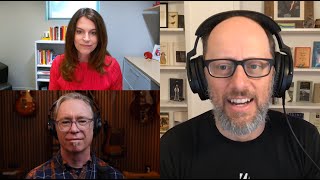
This content was created by Christopher Parsons. This content was uploaded by Christopher Parsons. This is a YouTube video titled "How LS3P Turns Live Expert Interviews Into Knowledge, Mentorship, and Marketing Assets" created on September 29, 2025. It features a conversation between Christopher Parsons and another speaker discussing the implementation and benefits of expert hours at LS3P, a program designed to capture and utilize expert knowledge for mentorship and marketing purposes.
I wonder if you can talk about expert hours, like how it works. It's a really, really, I think, cleverly designed program, especially a good program for this AI era too, because you're trying to capture knowledge that AI can consume, not just that humans can consume.
Absolutely. So our expert hours, they're very easy to do. I would probably wager a guess that the majority of architecture and engineering firms as well as other indust do these all the time. You're, you're putting someone in front of a group of people and letting them ask questions to them. And we've done this throughout the history of of LS3P, but we've never really formalized the process. So starting this year we decided let's, let's really start formalizing this process. And marketing led the, the initial expert hours, especially honing in on our major sectors like commercial, higher ed, K12 health. How can we have really casual conversations open to anyone in the firm with our subject matter experts in these areas? So they're really easy. They're over lunchtime, so the majority of people are just having their lunch and everybody in the firm is invited to attend. And we have one, maybe two experts who are just asked questions. Normally we have a 5 to 10 minute conversation prior to the the expert hour with the expert just saying, hey, anything that you hope people ask, we know this about you. Because what we quickly discovered is a lot of people don't know what they know, so they don't know how to tell you what they know. So we were trying to like work out if they could just ask you these things, what do you hope they ask? And then we had a couple of casual conversations with individuals who worked with them saying what do you consider them an expert on? And it's really interesting that the two lists don't necessarily match, which is really fun. And then we just gather everybody together on a teams call and we hit record and marketing facilitates and we'll ask a couple of primer questions and then we open it up. And it is amazing the type of questions that not only come. We at first thought most of the questions would come from emerging professionals because to be honest, this is kind of our way of doing forced mentorship. But we quickly found that some of the questions were coming from people in senior positions at the firm too. And the questions range from really specific technical questions to questions about where do you find inspiration for your designs to how do you balance everything you're doing all these projects at home. We know you have four kids too, like what's Your secret. So there's nothing's off limits. You just can ask any question. And so we recorded these. Now in the past, before we had Frank, we would record these and we would store them on our various Internet channels. And it was lovely if people wanted to go back and watch the whole hour long expert hour, but we really didn't.
Didn't happen, right?
The analytics, knowing people weren't really clicking on those and watching them from years ago. Now all we have to do is upload that expert hour onto synthesis and it's searchable. And so what we started to see was we would search things from a marketing perspective in synthesis. And all of a sudden some of the search results are coming from these expert hours. And we're like, okay, that's. That's pretty cool. Because now we can tap that person on the shoulder too to help contribute to this article we're writing or whatever the piece would be. But we took it one step further as well, because we thought we're asking people to give their time. Putting on the Internet is great, but what else can we really get from these, these conversations? So after the expert hours, marketing takes the transcript and we use Microsoft Copilot and we ask it as many questions about that transcript as we can think. We ask it based on the subject matter expert in this transcript. What internal resources could be developed based on their knowledge? We asked them what, what conferences in the southeast region that are upcoming would be good for this person to be a presenter at. And it'll spit out the conferences, the upcoming dates, how you become a presenter, all of that loveliness. We ask about podcasts, we ask about external publications that would be good for this individual to be published in. And then we also ask what targeted marketing campaign could we develop based on this expertise in this transcript, what case studies or research papers could be developed? So we really just think about every single thing we could possibly get from the knowledge that was shared and then how are we going to put that into action? And it's just really cool to see what some of the results are. And then we get to go back to those experts and engage them in more conversations. So it really has been a substantial impact for a really small lift.
That's my favorite kind of knowledge management initiative is the one you do one thing and it has five different, ten different impacts. It's. But I guess you could say return on knowledge instead of return on investment. Right? You get all this bang for your buck.