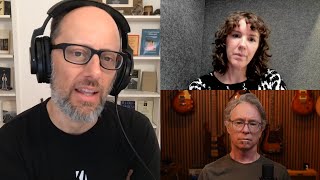
This is a recorded conversation (YouTube video transcript) between Christopher Parsons and a Snøhetta speaker about introducing a Learning Management System (Synthesis LMS) to formalize and improve learning and development at Snøhetta. They contrast informal knowledge sharing with intentional knowledge transfer, discuss modularizing content (smaller replaceable pieces rather than hour-long recordings), using AI search and video transcription to increase value, and running cohorts to improve uptake.
Chapters
In addition to being in the beta for Synthesis AI search, you're also in the beta for Synthesis Learning Management System, the lms. What is your kind of vision for like, what you think learning and development can become at Snohata?
Great question. I mean, I think this is a perfect example of what I was just saying. We have. Learning goes on. It is very much informal here. We don't have, you know, we aren't one of those companies that has a Snoheta University or anything like that. It's very much unstructured and informal. And I would like to change that because I think, you know, while there's value in that, I really want to be able to ensure that we're offering the highest quality of learning and development experience for, you know, for retention and ultimately, you know, knowledge transfer and just the quality of our company going forward. And I think it's past due. And so I think the learning management system to me is an opportunity to try to codify and draw attention to the learning experiences we already have and can offer and then build on those. And like what that firm did with their CA, identifying that it's the same 10 problems all the time and we want to cut that down. I hear that all the time. And so I want to, I want to try to work with groups like RCA Group and you know, our 3D design group and technology. There's so many opportunities just in the world of technology to reduce problems, you know, IT issues, but also like design delivery issues, just to close knowledge gaps in the technology heavy industry that we work in just by offering more consistent learning opportunities around all of that. And so I see the platform as an opportunity to kind of build the thing because you can see what you're building, if that makes sense.
It does. I think, you know, we got, when we're doing a beta this magnitude, Evan and listeners, we will do cohorts and, and get teams together like from. So we have Kate's in a cohort with seven other firms and we had a banger of a conversation on Tuesday. And what it really kind of exposed was much of the learning and development in at least that cohort. But I think it extrapolates out further is what we would call more knowledge sharing. So it's like somebody's presenting a design thing or they're very excited about this topic and they're going to share it and it's all great, but knowledge sharing is amazing. But it's not knowledge transfer.
Right.
And so it's like if people happen to catch it or they saw it like it's kind of like just in case knowledge sharing versus like just in time. Like no, I'm going to be working in CA or a site visit or I've never worked on this project type. Like I've never managed projects before. Like there's all these learning opportunities where you can just be much more intentional about upskilling somebody. Right?
Right.
It doesn't say you shouldn't do knowledge sharing, but you need to do both.
Right? Right. And there's so many opportunities that the new platform offers in that regard. You know, it's, you could always share an hour long video of something that you recorded that was a live thing. That's, that's common. We could always do that and there's something in it. And now that we have video transcription and the AI search on top of it, there's more in that. You know, taking an hour long recording and uploading it to the Internet, you get so much more value now than you did, you know, years ago. But it still means that if any one thing in that hour long recording goes out of date, and it always does, just like that booklet from 2015, you have to redo that entire recording. And now the learning management system is building something where you can package a bunch of small things in a meaningful way, in a sort of curated way, that one thing speaks to the next. But it also means that each of those individual pieces is all you need to replace place if it goes out of date. And that's a much easier content collection to manage than a battery of hour long recordings of live Patients started off.
As assets and then they become liabilities as they age and integrate exactly.