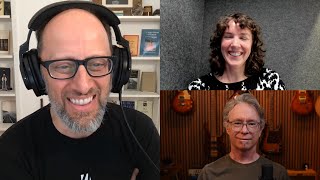
This is a short transcript excerpt from a YouTube interview in which Christopher Parsons asks a Snøhetta representative about their approach to AI and knowledge management ("KM 3.0"). The speaker argues for a cautious, deliberate adoption of AI tools—preferring to "slow down"—based on experiences from past software shifts (real-time rendering, Miro) that increased efficiency but reduced physical modelling and interpersonal collaboration in the studio. The conversation frames AI as a potential "sea change" requiring thought about cultural impacts, not just cost or management.
So what are you doing AI wise? I mean, so tell. I mean, I know some of what you're doing, but I mean for our people listening, like what's. What are you doing with AI and knowledge management? What does KM 3.0 look like at Snoheta?
Well, we were just at Ka Connect and I had a debate with our design technology lead as one of the presentations at the conference. And the debate between us was about whether to rush into AI tools or not rush in necessarily, but jump in head first, with great enthusiasm to all the AI tools or whether or not there's a different approach. And my premise was that it is better in this moment to slow down a bit, even while we're getting the fire hose of AI information and offers and upgrades. I would rather slow down and consider the field and the tools that we're taking on rather than just take on a ton without, without much thought about it. And part of the reason is because I saw what happened in some of the software upgrades that we've taken on in the past five to seven years and how much they have changed our working culture. So we talked in that debate about how the sort of rapid upgrades in real time rendering and everybody's excitement about using those tools and how much efficiency they could bring and the ability to iterate much faster. And in that same time we have seen much less physical modeling, much less physical collaboration, like interpersonal collaboration. I see people glued to their computers in ways that never was true prior to that shift in software. I saw a similar impact when we took on Miro at the beginning of the pandemic. I now hear the lament almost every day that we don't have physical pinups often enough in our studio anymore. It's because everybody is choosing to have those pinups in Miro. Yeah, yeah. So these things are sort of core to our practice and the way that we say that we want to work physical, interpersonal, because these are ultimately the qualities of the spaces that we want to design. They're about humans and the other beings that inhabit them. They are inherently physical and social. So designing physically and socially is important to bring that same quality to the those spaces. And it's not that we don't do that we do, but we just do so much less of it because we didn't talk as much about the impact that the technology has on our processes. And I think that facing this sea change which the AI revolution is, I believe I agree we need to be very thoughtful about it. And I don't want to just fall into the trap of responding to all the hype.
Not just how much does it cost or what is it to manage, but like, how is it changing us?
How is it changing us? Absolutely. And so we're taking that stance. We're proceeding a little cautiously and I really want to sort of lay a foundation first. So we are talking about establishing sort of a company wide learning program that will, that would be cohort based and sort of bring everybody on board and level set across the company about expectations of what AI can do, what it's best at versus what it doesn't do as well, and what we want it to do for us versus what we don't want it to do for us.