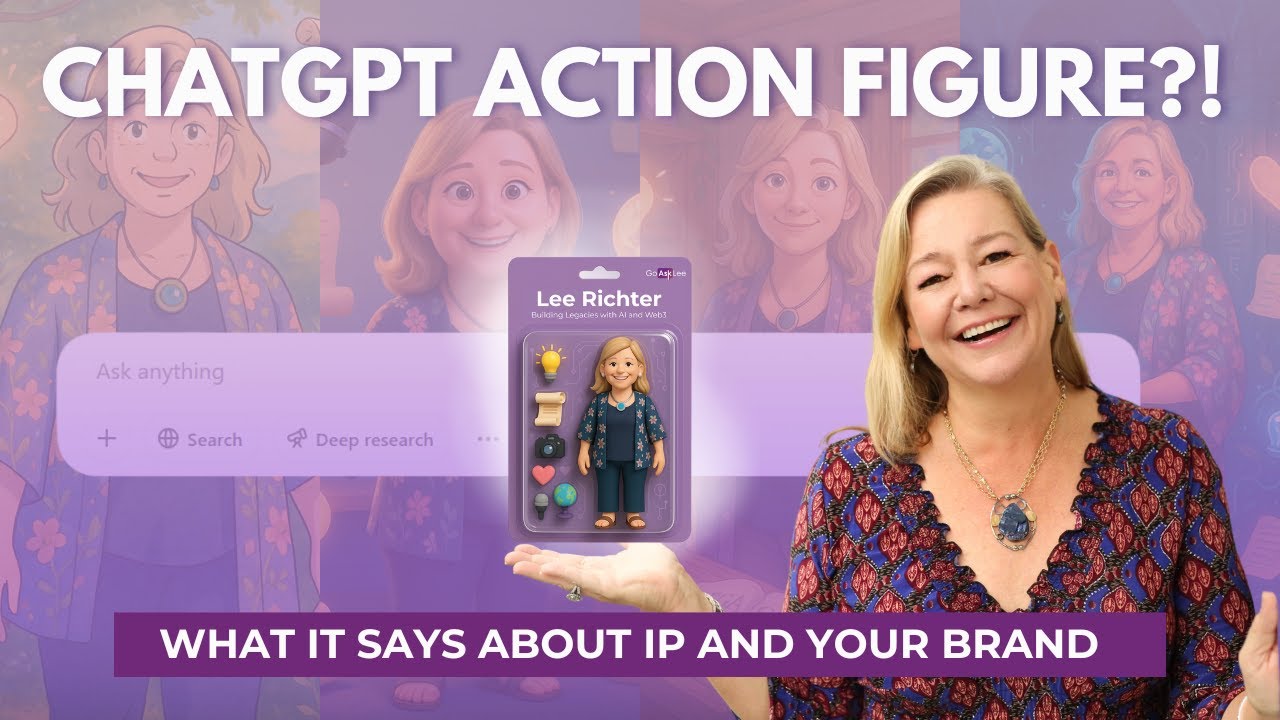
In this video, Lee Richter discusses the emerging trend of ChatGPT-themed action figures—fan‑made, 3D‑printed collectibles that reference the AI brand. He uses the phenomenon as a springboard to explain why entrepreneurs and creators must understand and protect their intellectual property (IP). Richter outlines how recognizable ideas become replicable and valuable, then breaks down the three core IP categories—copyright, trademark, and patent—illustrating each with examples from digital content, branding, and product innovation. Drawing on his personal experience filing patents for digital platforms, he positions IP as a strategic asset rather than legal jargon. The video culminates with a promotion for his "How to Protect Your IP" course, offering a limited free enrollment for the first five sign‑ups and additional bonuses, and includes standard YouTube calls to like, subscribe, and comment.
Chapters
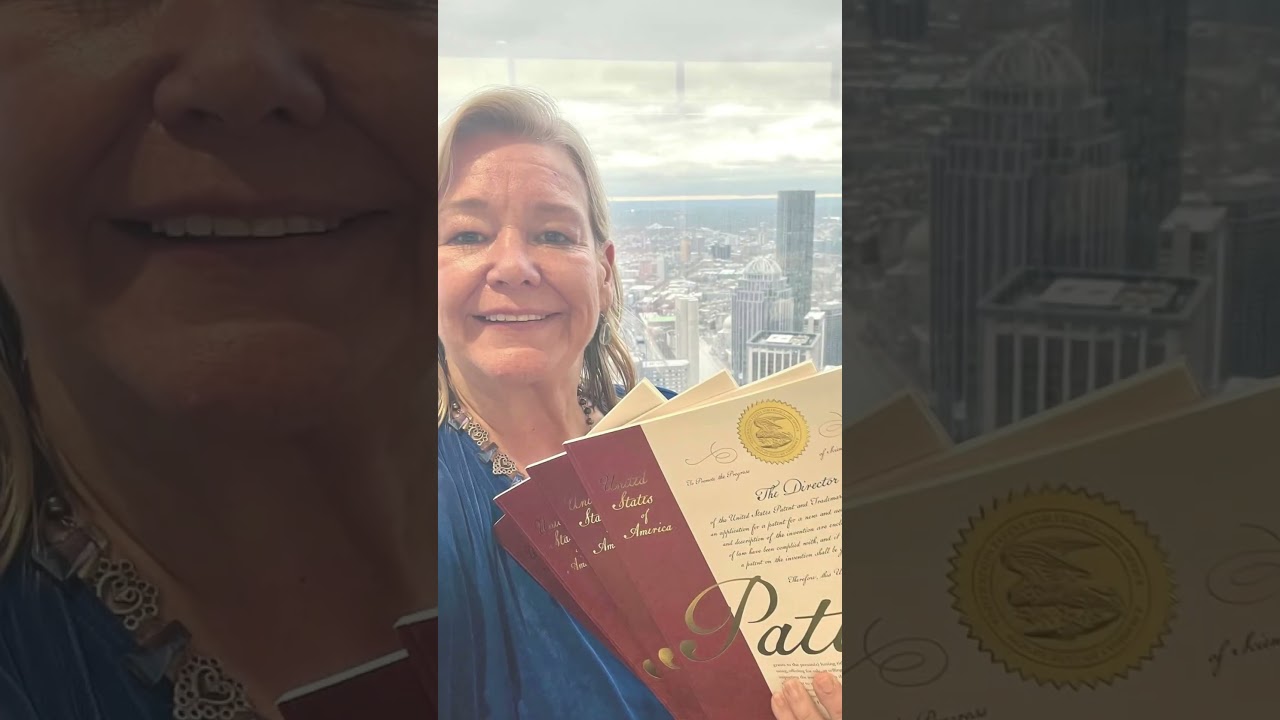
ChatGPT action figures are trending. Not just illustrations or AI-generated avatars, actual toys being created by fans, collectors, and digital creators. And whether you find it fun, fascinating, or a little strange, it brings up a bigger conversation entrepreneurs need to be having. Where's the line between creative expression and intellectual property protection? Let's look at what this trend is really showing us. Right now, we're seeing more people experimenting with how AI tools like ChatGPT show up in popular culture. Some are creating digital fan art. Some are turning those concepts into custom 3D-printed collectibles. There are posts, prototypes, and product-style designs being shared online. And while many of these are not mass-produced or officially licensed, they do highlight something important. Brand identity is powerful, and in the digital era, it's easier than ever for that identity to be repurposed or reshaped, especially by fans or creators. This trend isn't about lawsuits or takedowns. It's about being aware of how ideas move and what that means for protecting your own work. As entrepreneurs, this trend is worth paying attention to, not because of controversy, But because it's a reminder. When something becomes recognizable, it becomes replicable. When something becomes replicable, it becomes valuable. And value without protection, that's where businesses can lose momentum. Here's the real takeaway. You don't have to be a big brand for your ideas to matter. If you're building something original, it's worth protecting from day one. That's where IP comes in. Let's break it down quickly. Copyright protects your original creative work, like your book, your online content, your digital course, your visuals. Trademark protects your brand identity, your business name, slogan, logo, product title, or even a signature phrase. Patent protects your systems, methods, and innovations. I've personally filed multiple patents for our digital products and platforms because I wanted to make sure what we were building couldn't be easily duplicated. These are not legal buzzwords. They're strategic assets. They allow you to claim ownership, create boundaries, and expand with confidence. That's exactly why I created the How to Protect Your IP course, to walk you through the steps I've used myself, so you know what's yours, what's at risk, and how to protect what you're building. The first 5 people to sign up today Get full access for free in exchange for honest feedback. After that, I've added exclusive bonuses so everyone walks away with something valuable, whether you're just getting started or already scaling your brand. If you're creating with AI, launching digital products, or building a business around your ideas, don't just publish, protect. Click the link in the description and take the next step to safeguard what matters most. Like this video if it helped clarify something for you. Subscribe for more insight on AI, digital innovation, and protecting your legacy. And tell me in the comments, have you tried creating something inspired by the ChatGPT action figure trend?