3 Harsh Truths About Finding Love | Mark Manson
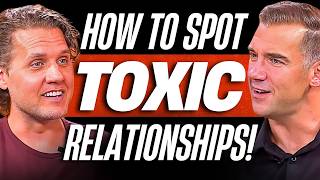
Mark Manson talks to Lewis Howes about why success can damage relationships, the role of trust and respect, and how personal growth shifts what you need from a partner.
Chapters
Generally that is the definition of a toxic relationship. A relationship where love is present but respect and or trust is not. It's almost like a drug in a lot of ways. We psychologically behave with love the way addicts behave with their substance. Right. Which is we justify it, we delude ourselves, we lie to ourselves, we rationalize decisions that we make that are completely irrational. And so we have to be very careful. Love can be an absolutely incredible thing. It's one of life's greatest experiences. I think everybody should absolutely experience it. But proceed with caution.
Right, right, right. I think you gotta have a dream. The school of greatness.
Really?
Yeah. Please welcome Lewis How Mark, you are a three time number one New York time bestselling author of one of the hit books, the Subtle Art of Not Giving up, as well as many other titles. You've sold over 20 million copies, been translated into more than I think 65 or 75 languages now, and you've reached number one in more than a dozen countries. You've got a, a film that you've put out that was worldwide released by Universal Pictures and you've got so much more great content. Thank you my man, for being here.
It's good to be back, sir.
Very excited. I was just telling you earlier that you are looking healthier than ever before. Happier and healed and whole than ever before. And as the guy who taught us how to not care about certain things, but really care, will really care about the most important things.
Sure.
I'm so grateful that you are in a healthy whole place for your life because I remember saying to you, it's like a few years ago at kind of the. Not the pink, but at the height of this book's popularity probably and a lot going on all at once, you didn't look energetically as healthy as you are now.
No.
And I want to talk about that at some point in this conversation about how successful is not always tied to happiness, health, peace, love and fulfillment.
Of course.
But what I would love to talk about first is about love and relationships because you've been in a healthy, happy relationship, at least based on the video I watched of yours with your wife for seven plus years. You've written a book about love and relationships. You've written tons of articles about it. You've been single, you've been in relationships in the past and now you're in a happy relationship. And I wanted to ask you what is the thing that you believe most people get wrong about love and about happy conscious love?
I think the biggest mistake people make is they Assume that love is always a good thing. Like love is doesn't necessarily make your relationship happy. It amplifies whatever emotion is already there. So if it's an unhealthy relationship that's full of jealousy, envy, disrespect, the love will actually amplify that. It'll make the jealousy even worse. It'll make the disrespect more painful. If there's happiness, respect, trust, joy, the love will amplify that. So it's. Love by itself doesn't fix a relationship. It doesn't necessarily make the relationship good. It takes what's already there and multiplies it by 10.
Wow. I've actually heard that about money, but I haven't heard that with love, where you hear if someone gets more money, it amplifies who they are. Yeah, but I've never heard that about love.
Yeah, I mean, people. I think a lot of it is just the romantic movies and stories and, you know, we tend to glorify romance a lot.
Right.
We tend to glorify love. But think about it. Like, what are the mo. Who are the people who hurt you the most in your life? People you love? It's the people you love the most. Right. Like, it's. And it's not just romantic partners. It's parents, siblings, kids. Like, it's friends.
Yeah. Yeah.
The more you love somebody, the more vulnerable you are, because the more any sort of pain or disrespect or antagonism, it just gets amplified.
Interesting. Have you ever felt in a lot of pain in your current relationship with your wife? Have you felt like.
Of course.
Really?
Yeah, of course. I mean, here's the thing.
But you guys are happy. Yes. It's healthy, right?
Yeah. So it's. Pain and conflict is normal across all relationships. I mean, humans are just. We're human, right. So we're gonna pick fights, and one day she's gonna be cranky, or one day I'm gonna be stressed out and turn around and take it out on her. Like, it's. It's. There's no such thing as a relationship that. That you don't have bumps in the road or some sort of conflict. What determines whether a relationship is healthy or not is how quickly you recover from those bombs or those conflicts and move on from it.
You repair how quickly you repair the exact pain. Now, this is something I think is fascinating because I don't think there's a lot of relationships where someone in the relationship. You're kind of at equal levels financially, maybe notoriety or success, but Then all of a sudden, one person in a relationship gets this overwhelmingly amount of success and awareness the way you did. You know, not many people in the world experience that.
Sure.
How did you navigate staying in a healthy, happy relationship? Or maybe you weren't able to for a period of time as you started to sell millions of copies of your book, you're on all the press and everyone wants to talk about you, and you're making more money than you ever had before.
Yeah.
Where it wasn't as equal financially or success wise. How did you guys navigate love with you accelerating that?
It's funny, that really didn't put a whole lot of stress on the relationship, really. And I think, I think a lot of it. So what I've noticed, and this isn't limited to romantic partnerships, this is every relationship in life. And I don't know, maybe you've experienced some of this, but like when you experience a lot of success professionally, reputation, financially, whatever, the way the people around you react is very reflective of their relationship to their own wealth, financial success, fame, whatever. Right. So what I noticed is that people in my life who judged themselves by how much money they made suddenly got weird around me, really. Whereas people who didn't judge themselves by how much money they made were totally. They were happy for me. They were totally cool with it. Not a big deal. People who very much judged themselves by how famous they were, how much attention they got got weird. A little bit of jealousy, a little bit of envy. People who didn't give a. About that, you know, they're like, cool. Happy for you, man. So with my wife, we're very fortunate in that that was never, honestly, like, she's an immigrant. I think moving to the United States and dealing with the culture shock and the cultural differences and language barriers, I think that's been a bigger challenge than simply my success. She's just been incredibly supportive. Very happy for me. Um, you know. No, no. Sort of like now I, I think give myself a little bit of credit here because it's. It's not just she hasn't just been amazing about it, but also I didn't let it go to my head. Right. Like, it's. I think the other side of it is if I came home from a book tour or something and she's like, hey, can you take out the trash? And I'm like, do you know who I am?
Like, right.
This is beneath me. Like, how dare you ask me to take out the garbage?
You know, it hurt the relationship. Yeah.
That also causes problems. So I think it it requires both people to keep perspective about what it actually means.
Knowing, I mean, experiencing what you've experienced now with the success and the money that has come. You didn't have that before you got married, right? No. Would you have any different conversations or would you have, I don't know, set more ground rules or anything like that, knowing what you know now? Or would you give anyone else advice or an opinion about, hey, if one of you is really driven in a relationship to go earn or create or be a famous artist or whatever and that might happen in the future, here are some things you should talk about to be aware of those changes. What would you share?
I think it would just. I think it's very important to have deep discussions about. And this is probably good for any marriage, like whether somebody's driven or not. This is probably healthy for every marriage is like have some very deep and serious discussions of what money means to each person. Some people put a lot of their self esteem into money, some people don't. Some people are very conservative with money, some people are not. Some people have a lot of moral beliefs around money. Right. Like if you make too much money, you should give it all away or that means you're selfish or, you know, whatever. Some people don't have those sorts of moral beliefs tied with money. So I think it's probably the most important thing is just get very, very clear with your partner. How, uh, what are each other's beliefs around finances and wealth? Especially because, you know, the number one cause of divorce is financial differences.
Isn't that crazy?
Yeah.
So it doesn't matter how much you love someone, but people get hurt or break up because of money.
Yeah, I guess so.
Love. Love isn't enough.
It's not enough.
I mean, I think in your video, which I want to link up, where you talk about love and relationships with your wife, which I think is powerful. You mentioned how love is. I think, I think your wife said love is 50% of the equation to making a happy relationship a healthy relationship. And I think Preview is like 35 or 40% or something. And then I think you mentioned values as being a big part and a few other things. Do you remember what those were for you besides values and other things that make a healthy relationship?
My hierarchy for relationships and this is, I mean people can find this in my books, my courses. Trust and respect are tied for number one, you can love somebody. And I think most people have had an experience in their life where they've loved somebody very deeply, but they didn't trust them. And it doesn't work. It doesn't matter how much you try, how much effort you put in, how much you cry and argue and fight. It's like the trust isn't there. It doesn't work. And if the respect isn't there, it's not healthy. Two people can love each other, but if they don't respect each other, they're gonna treat each other like.
Yeah.
And they're gonna justify treating each other like. Or they're gonna justify tolerating being treated like, by saying, well, I love them so much.
Oh, man.
And maybe it's my fault. Maybe I deserve this. Right. And so. And I think most of us have been in that relationship before too, and it doesn't. A few times. Yeah. It doesn'. Pace, It's. It's rough and it's. You know, to me, that's generally. That is the definition of a toxic relationship. Right. Is a relationship where love is present but respect and. Or trust is not. And. But the love kind of. It's almost like a drug. It. Like, it. It's. In a lot of ways, we psychologically behave with love the way addicts behave with their substance, which is we justify it. We delude ourselves, we lie to ourselves. We rationalize decisions that we make that are completely irrational. And so we have to be very careful. Like, it's. It's. Love can be an absolutely incredible thing. It's one of life's greatest experiences. I think everybody should absolutely experience it, but proceed with caution.
Right, right, right. Right now you're. I mean, I'm having. You share from personal experience. Obviously you're not like a love coach, and this is not what you study full time, although you've done a lot of research around this. You've done a lot of studies and written about this a lot. But how much does your environment affect love?
Yeah.
And how you feel and connect with your partner. I'm speaking about personally with you and maybe the research you've done where you were in a busy, chaotic environment in New York City, and now you're in a different environment, you know, in California.
Yeah.
How does that change, or does it change the connection you have with your partner?
I think it can. Love isn't something you simply sit and feel. It's something you put into action. Right. Like you go on date nights together, you go out with friends together, you visit each other's families, you go on a vacation together. Right. Like, it's something you do sit and feel it, but you also have to go live it. You have to, like Kind of keep. It's something you have to keep in motion by doing things together. And so I think when the environment changes, the nature of those activities you do together can also change. And it's been interesting actually moving to LA from New York, New York. There there's so much to do all the time. So there's always, in a lot of ways it's conducive to generating romance because there's always an adventure to go.
Yeah. Stimulus. When you walk out the door, there's.
Always a concert or a show or some great restaurant that's just opening. And so there's always this feeling of novelty and excitement. But there's also a lot of distraction. Right. So if something's like brewing under the surface and people don't want to address it, you can find a lot of ways to keep your hands looking yellow way. Right. So it's been interesting coming here to California and having a way more sedentary. Well, I shouldn't say sedentary, but like routine, calm lifestyle. Domestic I think is the right word. There's. So there's less novelty and stimulation. There's also less distraction. Like there's. There's things. I've noticed that since we've been here, things that come up. We tend to talk about it pretty much immediately just because we're like sitting in our backyard and have nothing else to talk about.
Right.
So it's. And in some ways that's fantastic because we're very aligned and on the same page. But. But at the same time, you. You're kind of giving a. You're giving up some of that excitement and novelty and stimulation.
The serendipity of the adventure that's happening right now, you're planning. And you have to drive somewhere as opposed to walk outside.
Exactly.
Subway or whatever. Yeah. Trust and respect, it sounds like, are big for you. I know you talked about values also.
Sure.
If you have. I mean, we're just speaking hypothetical here, but if you have trust and respect, that is there. You got a lot of love. Yeah. Values aren't really aligned. Maybe 30 to 50%, but you're not over 50% on values. Is love, trust and respect enough to sustain a long term healthy relationship in your mind?
I think it's a really good question and I think it depends on. So I don't think you'll ever find two people that are 100% aligned on values. Everybody is a little bit different. Right. And I think you also want a little bit of diversity of values within the relationship. You want to have different standards for different things, and different opinions about different issues. It just makes life way more interesting. There's probably a threshold or a breaking point somewhere. Right. And it's. You know, one of the examples I used in a book before is like, if. If somebody is a priest and the other person's a stripper, like, it doesn't matter how in love they are with each other. It's never going to work. Right. If. If people have very, very fundamental belief differences and this kind of comes back to the money thing. I think that the handful of things that seem to come up all the time are differences of beliefs around money, differences of beliefs around religion, and differences of beliefs. Kids or around kids and family.
Yeah.
And I think if you can probably survive not being aligned on one of those, but if you're not aligned on two or all of them, you're probably in trouble. Like, you're probably just gonna butt heads over and over again.
Now, what if someone evolves their values over time? You know, five, 10, 15 years into the relationship? You know what? I actually don't have those beliefs and that lifestyle choice anymore. I want to try something different. Do you think the love of the past, the history of the relationship can sustain if it's too much of a conflict around those lifestyle choices or beliefs?
I think to a certain extent. First of all, everybody does evolve. Their values do evolve and change. I think that's just natural to people. I think the challenge within relationships is generally when relationships start, when you commit to somebody, it's because there is some amount of alignment and it's working. But as the years go on, if you start to evolve in two different directions, that can cause a lot of strain. You often hear married couples that are getting divorced or people who have been together for a long time and are deciding to get divorced. They say, we've become two different people, or I don't recognize him or her anymore. And I think that that's a case of 10 years ago. We were completely aligned, and we've both changed and evolved over the years. My partner's gone this way and I've gone this way. And so now there's just this massive gap, and we don't feel like we can bridge it anymore. We don't relate to each other. We don't understand each other. We don't agree on anything anymore. We don't do the same things for fun anymore. And that's tough. And so I think part of the trick is to kind of intentionally evolve together is to be very conscious. And this is something that my wife and I try to pay attention to is that if I feel myself changing my mind about something very significant in my life by my career, my beliefs around family, relationships with friends, I communicate that with her. I'm like, hey, I'm starting to move in this direction.
Really?
Right. So that just as. So she can be aware and adapt, you know, and just understand, like, okay, that's kind of where he's at.
Huh. Is there an example you can share around this? In the last few years, maybe.
So the two most significant ones that have happened have been around. First one was my career. When we moved to la, I took six months off. I was completely burnt out. Yeah. And it's. I really had this period of just, I'm not having fun anymore. I need to take some time off, figure myself out and really decide, like, okay, what's this next phase of my career going to look like? What's the next decade of Mark Manson's career look like? And so I communicated that to her. I'm like, hey, not going to be speaking, not going to be traveling. I'm going to be at home a lot. You're probably going to see me on the couch playing video games. You know, this is kind of what I'm going through right now. Right. And. And I'm probably going to come out of that different, with different priorities, different metrics of how I'm going to make decisions. Money might be different. Right. Like, suddenly that huge speaking gig in Dubai that I would have taken a year ago to cash that fat check. Now I'm not going to take it and we're not going to get that fat check. Right. So it's. It's you. It's important to communicate those things that she understands. Like, hey, I'm at this pivot point in my career and I'm probably going to start going a different direction just so that she knows and, like, isn't shocked.
Right.
When I don't take the speaking gig and do that. On the other front, this ties into the health thing. She was actually really good. She was a good influence on me. So my wife has a couple autoimmune conditions and they really started. She's been aware of them for a long time. But, you know, as things happen, as you get older, things you could get.
Away with, you can't anymore.
Yeah. Your 20s, it's like, you know, you.
Got to pay attention and focus on them.
You start coming up on 40 and it's just like they level you. And she was starting to get leveled by him and so starting right around the time of the pandemic, she. She got very, very serious about health. And I, at that time, I had been overweight for a while. My lifestyle was very unhealthy. I was traveling five, six months a year. I was drinking three, four nights a week, eating like crap, eating junk food, There are desserts all the time. And I was aware of that. But it just, on that totem pole of priorities, it was pretty low on the priority list. But she got super serious about it and she really did because she didn't have a choice. Like it was, was affecting her health. Yeah, yeah. Like, I mean, she, it was to the point where she could barely function throughout the day.
Wow.
If she wasn't being very, very intentional.
About what she was eating, she was feeling sick.
Yeah, yeah. And so she started kind of going on this journey and really cleaning up her diet and getting her health in order. And I started kind of becoming the beneficiary of that because she does most of the cooking. So I'm starting to eat healthy a lot more often. We're not going out as much, not drinking as much. And I'm starting to feel better. And I'm like, man, I'm like, I'm waking up bright eyed, bushy tail, feeling pretty good. Right. And it's, you know, and she and I were in communication about that and she was very clear, like, this is. I need to make this a top priority in my life and I'm going to become that person who doesn't eat dairy, doesn't eat gluten, doesn't eat sugar. And I was like, oh, God, this is going to suck. My life's going to get so boring. And actually the opposite happened is that I've kind of followed her on that. She's been a very positive influence in that way, in that I started to notice benefits. And I said, you know, my health has been pretty terrible the last five years. I'm getting up in my 30s. Like, I'm not bouncing back the way I used to. Ten years ago, maybe I just hop on, on this train with her. Right. And see where it goes. And that's a big part of what happened. And so now health has become a big priority in my life.
Yeah, man. It's interesting because when I, when I saw you, like it was a month ago or something or at Vidcon, I recognized you, but I didn't recognize you. Yeah, it was like, oh, there's Mark. But I. You don't look like Mark. You know what I mean? It was like I was like, what? Who are you? You know what I mean? Maybe I haven't seen you in years, but. But I'd seen your content online, you know, I'd seen your YouTube videos, but man, you just look like a new human being.
Yeah.
And you're aura, your energy is vibrant and healthy.
Yeah.
And even just looking back at some of your old videos before getting on this interview, I was like, man, you look a little rough around the edges. I mean, I've been there too at different times in my life.
You know what I mean?
I've been there as well. It's not like I've always perfect health, but it's amazing when we make health of value and you have a partner who's all on board with you. My girlfriend's the same way. We're like all on board on it. And it's amazing how the relationship I feel like is also healthier. Doesn't mean it's perfect and there's not disagreements or challenges. But when you're both have health as a priority, it's incredible feeling.
Yeah.
What have been the benefits you've seen of her starting this health journey and you aligning to it?
Yeah.
Like with the relationship, not just your.
Body and your health, it's. I mean, it's been so important. First of all, it just makes it so much easier for both of us.
Yeah.
Right. Like I'm. If she's not ordering desserts, then that's one, that's one more temptation I don't have to fight off. Right. You know, and. And it's the same for her as well. It's like if I'm not like buying ordering bottles of wine, you know, every weekend, like she doesn't have to sit there and ask herself, oh, do I want one too? Right. So you really do kind of compound each other's success in that regard. And I think that's probably true with a lot of lifestyle habits. But it's also just, I don't know, we just so much more energy, like just more vitality. It's funny because our idea, when we lived in New York, our idea of quality time together was going to a happy hour, having a bunch of drinks, maybe going to a show or something, staying out to like 12 or 1. Now our idea of quality time's like going on a hike at like 8 in the morning.
Exactly, man. It's a great feeling.
Yeah. And it's different, but it's like it's not any less significant, it's less exciting, but it's long term. It's more meaningful.
Yeah. More fulfilling.
Yeah.
Yeah. More sustainable.
Absolutely. More sustainable.
Way more sustainable.
Yeah.
I guess it would be challenging if someone was like, you know, I'm gonna start being vegan and another person's meat, and then it's like, okay, that's a different type of lifestyle. But it's just hard. You gotta learn how to evolve with the person. It sounds like. Yeah.
Or at least accommodate each other.
Accommodate. Yeah. Accept.
Yeah.
Not make. Wrong. Not judge.
It's like, all right, you're vegan now. Like, I'll figure it out. Right.
Yeah, exactly.
Who knows?
In the next year, she may become vegan. We know being out in L. A. What is the thing that you've learned the most since the rise of your success through books and everything you've done? What is the thing you used to believe was true before or at the height of those things rising that you don't necessarily agree with now? Was there a value or belief or a thought that maybe you even taught in a book or in a blog or something where you're like, this is the way? Where you're like, you know what? Maybe it's not the way.
Yeah. You know what's funny? It's actually kind of the reverse of that, which is. So, first of all, the answer to your question is. I think early in my career, I was so driven and just set on, like, I had some really moonshot goals in my head, and I was just so set on them and so driven to achieve them that I never really stopped and asked myself, like, what? What? After that, like, you know, let's say you get there now, what then? What thought never even crossed my mind. I think there was just kind of this implicit assumption that, like, once I get there, everything's gonna be gravy, so why worry about it? And the irony is that a huge part of that book is saying exactly the opposite of that, which is you never get away from problems in life. You just upgrade your problems. Right. It's like, success isn't the elimination of problems. Success is just getting better problems. And so one. Once my career really took off and I hit a bunch. Bunch of those moonshot goals that I had dreamed about. I looked around. I still had problems. In fact, I had, like, bigger problems in a lot of ways. Bigger problems. And. And that just messed with me. Really. Yeah, it just. It really. It really messed with me.
How did they make you feel? Or what did it tell you about life? What did it teach you?
I think, again, it's. It's. It's not so. It's not so much that I, like, believe things beforehand that weren't true. It's just there were. There were things that I didn't account for or think about. And one of those two was that the. The higher on the mountain you get, the. The larger the stakes are. Right. So it's like if nobody knows who your name is and you post an article online and people hate it, nobody cares.
Yeah. Three people. Yeah.
You just delete the account, open a new one, start over. Right. Like, nobody will ever know. You know, it's. If you've. You sold 10 million books and you post an article online and people don't like it, like, suddenly there's repercussions to that.
Did you ever experience that?
I definitely had, like, some controversy. I've never been, like, canceled. Right.
Uh, but get some criticism or negative feedback.
Yeah, I definitely had some pieces.
Really?
Oh, yeah. That got a lot of blowback, especially back in 2020.
Really? Like, what was the topic?
Or two people. It's funny because now in hindsight, I can recognize it. Like, everybody was just so hypersensitive. Oh, my God. Everything. People off. Like, you could say anything, and it was. It wouldn't have anything that wouldn't have wrong. Wouldn't have anything to do with politics or vaccines or nothing. Like, nothing to do with it. And people find a way to construe it and be like, oh, you're one of those. And like, blah, blah, blah. Yeah. So there were. There were a few moments, like, in that period that I just got ravaged by a percentage of my audience.
Right.
Mainly just because I got lumped in with some sort of cause or political group or ideology or whatever, and they assumed that I was part of that, and they just went to town on me.
How does that make you feel, though, once you're at that level of success?
It sucks, man. I mean, it just. It is. I can honestly say writing newsletters in 2020 is the least fun my job has ever been. Wow. Because it was. And I remember talking to my team, and it was like, man, I. Writing. Writing a newsletter every week in 2020 was like. It's like being in a boxing ring and getting knocked down and, like, getting up knowing you're about to get knocked out again.
Wow.
Because it's just. It felt like you couldn't say anything that you just wouldn't get ripped apart for.
I think this is one of the things that most people don't understand about having, you know, a goal be achieved on some level greater than where you're at, let's say you don't really have that much or no one follows you, not that many people know about you, except for your inner circle of friends and family. And then all of a sudden a thousand times more people are aware of you. A million times more people are aware of you within a period of a year, a couple years, and it grows. I don't think people understand that. There's a whole different level of pressure that can come with that. There's a lot of privilege and opportunities and amazing things, but it's like people don't know that you have to deal with a different type of pressure.
Yes.
And can anyone get away from that pressure with having some type of success?
I don't think so, because, I mean, it's by definition success is doing something extraordinarily rare, something that 99.99% of other people either haven't done or can't do. Right. And once you've kind of reached that level of uniqueness, it's. There's a lot of expectation that's put on you. You have an audience of millions now, so you're supposed to say something more empathetic or harassing or intelligent or whatever. The other thing that happens too, and I think this is particularly inherent with our line of work, which is having audiences, is that when your audience is relatively small, like let's say 1,000 people or even 10,000 people, that's usually it's going to be a pretty homogenous group.
Right.
Like when I started my career, I specifically wrote Dating Advice for Young Men. And so my first 10,000 people in my audience, it was all 24 year.
Old guys or whatever, dudes in their 20s.
And so you know what's going to piss them off and you know what's not. And once you reach kind of the level where we're at, where it's, your audience is measured in millions of. There's such a massive amount of diversity that it's, it kind of feels like there's landmines everywhere. Right. Like it's like, like, oh man.
It's a good analogy. Yeah, it's good.
I can see by the look on your face, you, you relate to what I'm saying.
Like, you have to be cautious about what you're putting out there.
Totally. Jokes that in your head are completely innocuous.
Right, right.
Like, didn't even thought for two seconds about it. You know, there's somebody somewhere in some country that you've never even been to that is like extremely offended. And you get that email. And you're like, oh, all right, make that joke again. You know, and it's so. I. This isn't. I always feel a little awkward, like, getting into this subject because it's. I never want to look like, you know, the whining, right?
Oh, what was me? Yeah, the whining million, the number one bestseller.
Like, like, it's. I wouldn't trade anything. Like, I wouldn't go back, but it's. It's again, if I could go back to myself, say, six months before everything.
Blew up or took off, what would you have said? Or what do you wish you would have known to prepare yourself?
I would. I wish I would have known. Or what I would say to myself is like, you need to start thinking about contingency plan. You know, it's like, what if this thing does 10x your expectations? What if you do hit that moonshot and you're 32? Then what. What are you going to do? Right? And think about the expectations that are going to be put on you. Think about the pressures that are going to be put on you. Again, like, didn't think about it until it happened. But a book publisher treats you very, very differently when you've sold millions of books than when you haven't sold a thing, right? Like, when you haven't sold a thing. It's funny because when you talk to authors, authors kind of universally complain like, my publisher doesn't do anything. They barely respond to my emails. And it's like, yeah, because you haven't done anything for them. Well, once you've done something for them and they care a lot, well, that introduces its own series of problems, which is like, every word you write, every chapter you send to them is, like, scrutinized and nitpicked. And like, well, we actually don't like this chapter. Why don't you go rewrite it? And it's, it's. So it is the stakes rise proportional to the success. And I think there's this assumption that when you are at the bottom of the mountain and there are very low stakes and failure doesn't cost you very much, there's this assumption, it's like, well, if I get to the top, everything's going to be great. I can do whatever I want. I don't have to worry about any repercussions because I'll be rich and famous, whatever. And it's like, actually, in a lot of ways, it's the reverse. It's like you, once you have tons of stuff to lose, you start questioning everything. You do, and you start wondering if every decision is going to be the wrong decision.
You think that being more successful would give you more self confidence, but for a lot of people, it actually diminishes their self confidence after a period of time. They start to second guess the next moves. Can I be as successful? What if I lose it? What? You know, I need to be careful about what I say now. Whereas before, people were willing to take more risks when they didn't have anything to lose. Right. They were like, let me try this thing. And this thing, I know what it hit. Okay, let's try another thing.
Yeah.
How does someone prepare themselves for success to keep their self confidence and expand it, not dim their light?
Yeah. I mean, honestly, the thing that ultimately worked for me is to just kind of maintain that bottom of the mountain mindset in a lot of ways. You know, there's like a famous cliche about, you know, there's, you get to the top of the mountain, you realize there's a taller mountain behind it, you know, and so it's like figuring out what that taller mountain is. Right. And like, and a lot of times you, you just invent it. Like, you just pick something out of there. You're like, you know what? Like, I'll make this my mountain.
Right.
And it's, but it's, it's finding that so that you can. Because there's a certain amount of freedom and maneuverability that comes with seeing yourself as a beginner, seeing yourself as somebody who like, doesn't have anything to lose or doesn't have all the answers. And for me, it's been psychologically very, very beneficial to find a way to keep that and not put all of my identity and self worth into that. Because if I did that, then I'd be terrified to get out of bed in the morning. Right.
So when you were saying that, for those just listening, you're pointing at the book, putting your self worth and identity into the success of the book.
Yes.
Right. What should we put our identity and self worth into if it's not into our accomplishments, our career, or our wealth?
Yeah, it's a great question. I personally believe that you should treat your identity or your self worth the same way you treat a good investment portfolio, which is you diversify it across a lot of things that are not correlated to one another. So the same way you want to split up your money between stocks and bonds and cash and real estate, because those things don't always move in the same direction at the same time, you want to put your self Esteem and in things that, that aren't going to go north or south at the same time.
That's interesting. Yeah, yeah. Like for someone listening or watching, what does that look like in a day to day life?
So for me, those categories, you know, I do think it's very important. Like you should have a lot of your self esteem tied up in your career and accomplishments. I think that that's healthy, that's good.
Like your skill sets, the things you're learning and developing and the impact you're making.
You spend half your waking hours working on something. So you should care about that something and you should take some amount of pride in. Like I think that's healthy. But you know, with that I would put relationships, both family and friendships, I would put knowledge, learning something, having some sort of hobby or interest that you do simply for the sake of doing it. And I think I would throw in there as well. You know, I think for a lot of people you, you might throw religion or spiritual practice in there. For me personally, I'm not, I'm not very spiritual or religious. I just kind of see it as like charity or generosity. You know, it's like do good things.
For people, being generous human being. And that doesn't mean they have to give all of your time. But just being kind to people.
Yeah.
You know, opening the door, being courteous, being sure, appreciative or you know, volunteering.
Helping somebody out, you know, whatever.
I mean, I'll speak from personal experience here. Whenever I was in challenging intimate relationships, it didn't matter how successful my business or how talented I was as an athlete, I always felt like my self worth was a lot lower if my intimate relationship wasn't successful or if it was up and down and emotionally challenging too much. How much do you think our intimate relationship, and I don't know if that's just me, that I was just really bad at them, but how much do you think our intimate relationship is tied to our self worth? Like if we are struggling in intimacy, do you think we can still have confidence and full richness of life in other areas or does that hold us.
Back a little bit? It's funny because I think it's a little bit of a chicken in the egg where people tend to struggle in their intimate relationships because they don't have a lot of self worth outside of their intimate relationships. Interesting, right? And so it's one way you solve that is finding self worth outside of it and building that identity for yourself. And that tends to help you generate better relationships which then also give you a lot of self worth. So it's like, it's interesting. And I feel like intimate relationships are, they drive happiness more than any other thing. Any, you know, more so than career, success, more so than money, more so than hobbies or friendships, whatever. It's, it's generally like when you look at all the data on happiness, it's how good are your relationships? If they're good, you're probably a happy person and if they're not good, you're probably not happy. And those two things are going to, those two statements are going to tend to be true regardless of whatever else is going on in your life. But I think when it comes to self esteem, self worth, I do think there's a large component of it does seem to be driven by feeling useful in some way, feeling competent, feeling that you're, you're able to do something in the world.
Yes. Speaking of success, I always forget the exact quote, but I love the, the message that Jim Carrey shared in one of his commencement speeches where he says, I wish everyone could become rich and famous and realize it's not the key to happiness or something like that.
Sure.
Do you feel like success adds to happiness or adds to feeling not enough still you feel like it supports you more in being happier or makes you realize, oh, I'm actually deficient in other areas.
I don't think success and money buys happiness, but it can buy away unhappiness, so it can buy away problems that would normally derail other people.
Right.
So the stress of not knowing if you're going to be able to buy books for your kid or if you're going to be able to meet rent next month, it buys away those things. It buys away a lot of stress and angst. But I think if you are psychologically wounded and fundamentally have a low self esteem or struggle with self worth issues, it's not going to solve those for you on its own. And there's plenty of examples of people who get super famous and rich and it's not enough.
Yeah. They get into addiction or drugs or whatever. Yeah. In the last three years, the last 10 years, I've been on a healing journey for a lot of different things in my life. But I would say in the last three years, I've had some of the biggest breakthroughs in terms of healing psychological wounds that were holding me back in certain areas of life. Where do you feel like was the biggest place for you to, that you healed in the last five years in your life internally, was there any wounds or challenges or Things that you were like, they were just kind of holding on to that you were able to start releasing and letting go of.
It's funny because the biggest thing is very related to the physical health. So I, I came from, I love my parents very much, love my family. Very emotionally dysfunctional. And I grew up emotionally dysfunctional. And so one of the reasons I came to this career is probably sounds like the same reason you came. It's just like I'm just trying to figure my own out. Right. And so I might as well do it in a very public manner so I can get feedback.
You try to help other people. Yeah, yeah.
Hear from other people. So it's so much of my early adulthood was very, very honed in on healing my own issues with relationships and intimacy.
Wow.
And kind of getting the, you know, I struggled a lot with depression throughout my life and so getting like kind of philosophically getting myself straight with the world and you know, what is happiness and what is a good life and what's worth living and you know, all those questions, they really, they ate at me for a number of years. So when I Look at teens, 20s and even through early 30s, like that was very much the project. Meanwhile, what's going on externally is I'm at all the parties, I'm drinking all the booze, I'm eating all the food. I'm not, I'm not saying no to any invitation that comes my way. And again, when you're 28 and you're indestructible, like you can get away with that, right? Like, that's not a problem.
Yeah.
And I got into my mid, mid-30s and it became a problem. Like I, I became very overweight. I. So last time I was here, you know, you were talking about my energy, right? So last time I was here, I was, I was on LA was like city number six on like a 12 city book tour. I think I had done, you know, nine interviews in the past 48 hours. When I showed up to talk to you, I was probably completely underslept. I was touring for one book while simultaneously writing another.
Wow, that's crazy.
Just like an unbelievable amount of stress and pressure and just exhaustion going on simultaneously and not taking care of myself at all. Right. It's like I'm eating Chipotle in the airport or whatever, not even thinking about it. And it was interesting. So during that, that book that I was promoting, last time I saw you, I was, it was like two weeks before the deadline, I was under so much stress, I actually started having chest pains.
Really?
I was 36, started having chest pains. And I'm like. And I have a history of heart disease in my family. So I'm like. In my head, I'm like, I'm having a heart attack.
Wow.
I'm just gonna, like, keel over in this coffee shop at any second, right? And then that. The chest pains kind of started to turn into a little bit of a panic attack. And I went home, talked to my wife. She's like, you gotta stop. Like, go to a doctor.
Don't mess around with this.
Yeah, don't. Like, you're not working and you're not writing another word till you go to a doctor. So I go to a doctor, get all the tests, check everything out. Everything comes back.
Blood work, everything's fine.
Everything's fine comes back. And then, you know, he shows me all the tests. He's like, yeah, you're perfectly healthy. You're doing fine. Or, by the way, you under any stress lately? And I just. That was kind of. Some of that blood work came back and he was like, you know, this isn't great, but you're still young, so it's not a problem yet. This isn't great, but you're still young. It's not a problem yet. You know, it was a lot of, like, the path I was on was I was going to be one of those guys by the time I'm 50, I'm taking half a dozen medications and, you know, high blood pressure, all this stuff. So that was the trajectory I was on. So when my wife started her health journey and I kind of went along with it, I was very shocked and surprised how transformative it was for me because I. My body was something that I just ignored for pretty much my entire life. I was always focused up here for people listening. I'm pointing my head, very analytical.
In your head, very analytical.
Not in your body, very. Like reading psychological research, studying, reading books, thinking about relationship. It was.
You're an analyzer.
Totally. Yeah, totally. And it. When I started getting the physical stuff in shape, it. First of all, it was surprising to me how much I underestimated. I mean, I feel stupid in hindsight because I'm like, wow, I feel 20% better 24. 7. I feel like I've been running uphill my entire life, and I'm like, God, why didn't I do this sooner? But it was interesting because there are a lot of emotional to fix, a lot of my bad habits around food and alcohol. I had to take a hard look at some of. There was like, some Emotional stuff tied up in it. Right.
Really.
So I realized at a certain point that like my, my drinking, I never craved alcohol, but I found that I would. Any social situation I was in, I would drink. And it was just very automatic. I didn't think about it, I didn't question it. It was just like, well, yeah, of course I'm at a birthday party, of course I'm gonna drink. And it never occurred to me like, you don't have to drink at a social gathering. Like, that's not a. That's not, that's not necessary. And I started like really asking myself a lot of questions around, you know, why. Why do you feel like you should be drinking at social gatherings? What happens if you don't? Well, it turns out I don't enjoy half of them. Well, what does that mean? It means you're hanging out with a bunch of people that you actually don't enjoy hanging out with. Well, why are you doing that? Oh, now, now we're starting to get somewhere, right? Like now we're starting to get into the real questions. People pleasing tendencies, feelings of inadequacy, needing, like, needing to be seen a certain way. Like one of the things that I realized is that in my, you know, in college and in my 20s, I developed a reputation as the party guy, right. Like, I was always the first one to crack open a beer. I was always the last one to leave. I was the first one on the dance floor. Like, it. I was that guy. And in my early life that sustained me through a lot of social awkwardness and anxiety and things like that. And I didn't realize like that same thing that I guess I adopted to kind of protect me when I was younger. You run that ahead 20 years and it's killing me. And so to take that armor off, I had to go back and look at like, why do you feel like you need to be the party guy? Well, probably because you feel like if you're not the party guy, people aren't going to want to hang out with you. Well, like, why do you feel that way?
You know, like, so when was this realization happening?
How long ago this was all. So all these questions that I'm kind of running through. I would say it was a gradual process over the last two years.
Really?
Yeah.
Wow, man. And how old are you now?
I'm 39.
Interesting. I just turned 40 in March and it's like last three years for me too, man. It's just been like asking all these questions, unwinding certain want to say relationships, but just Focusing to spend my energy more with certain amount of people that, you know, I don't have to show up for in a certain way that I can just be 100% authentic, have the conversations I want and not feel bad about something or feel pressured. Similar in a certain way, I guess.
Do you feel part of it is the age? Like, it's. I definitely. There's definitely a sense. My wife and I, we talk about this a lot. That there's definitely a sense. She just turned 40. I'm about to turn 40 next year. Like, there's kind of this sense of like, we don't have time to. Around anymore. It's like when you're 30, it's like, okay, yeah, you could waste a year hanging out with people you don't actually like. But it's like when you're 40, you're like, no, I don't have time for this.
It don't, man. Yeah, it don't. And I.40 didn't hit me where I was like, oh, I need to, like, I don't know, freak out or buy a Ferrari. Yeah. I don't have that feeling. I did buy my first home, but I didn't feel like I need this because whatever. To feel something.
Yeah.
It more just felt right because my relationship felt peaceful. I was like, okay, I can take this step now. Yeah. But I have a buddy of mine who's just turned 40 over the weekend, and he was. He wasn't having a crisis, but he was like, yeah, what am I doing? My life.
Yeah.
With some. In some ways, and kind of like reevaluating a lot, you know, not in a negative way, but I think it hits you.
Yeah.
Where you're like, okay, there's a new decade that I just completed.
Yeah.
What is important in my life, what I want my time and energy to be invested in, what I want to make sure that I create or generate or do before it's too late.
Yeah.
And I think that's important things to ask ourselves at all. At all times. But. So it sounds like in the last two or three years, you started asking these questions. What was the. What has been the big realization for you underneath it all?
I guess it's funny, I guess once I've removed. You know, I've been completely sober for almost a year now.
Congrats on that, man. That's big. Powerful.
Once I've removed a lot of the distractions and stopped doing the things that I don't enjoy doing, both professionally and personally, I think kind of the biggest realization is just that actually life is and can be incredibly simple. You find a few people that you really love and love spending time with. You find a few things that you enjoy doing and you're good doing them and you find a way to contribute, give back to the world. Like it's not, it's not rocket science.
Right.
You know, like it's, it's. I think, I think that's the other thing is, and this is something that I've. It's so funny being, writing about these psychological concepts because it doesn't matter how much you understand them, they still sneak up and get you.
Yeah.
Over and over again. But it's, you know, one thing I've written so many times is that it's. When something is emotionally difficult, we tend to assume it must be complicated. Right. It's like it's emotionally difficult to break up with somebody. So there's got to be like a 17 step procedure that I can learn and rehearse. You know, it's like. No, you just break up with.
Right, right, right.
It's just, it just really hurts.
Like that's, it's painful. You gotta experience it, go through it. Yeah, yeah.
Very simple. Extremely, extremely painful. And what, you know what I've noticed, I think when I was younger and I had a lot more emotional turmoil and self esteem issues and questions about my life and the world, like I assume that everything must be super complicated really. And that, you know, I've got to like get out and go do these 12 things and read 100 books and like take notes on everything and study everything and psychological, you know, now it, I kind of look at, I'm like, actually no, it's pretty straightforward. Like you, you, you need a handful of great relationships. You need one or two great pursuits in your life and then you need a way to give back or a positive way to spend your free time and, and then you just keep doing that and until you die.
Right, right.
That's about it.
Like it's stay healthy, stay healthy.
And, and it's, it's. There's no like secret code or algorithm or anything. Like it's just you find the few things that work for you and you.
Just rinse and repeat consistency with it, man.
Over and over.
I'm curious. It seems like you're in a pretty healthy, peaceful state right now of being of energy. This was out 2016 when it released. Yeah. Subtle art. Yeah. So that's what, seven years ago, is that right? 70 years ago. So if you could go to 2016, maybe 2017, 2018. Where it's just, you know, on the New York Times list every week for year after year, it's just like, man, the snowball.
Still on it.
Still on. I mean, just keep it, Jack. I don't check anymore.
Drop that there.
You know, not that I check it every week, every Wednesday when it comes out, but you know, what is this? How many, how many years have been on the list now?
I think it's. It just hit 300 weeks. Holy.
Is that like a world record or something?
No, no, Harry Potter is like still on it. So it's like.
Yeah, but gosh, 300 weeks in a.
Row, dude, not in a row, but 300 weeks, 310 weeks or something like that.
Incredible, man. Okay, anyways, who's counting?
You know, who's counting?
But if you can go to, let's say the first year or two years of it being in a row, go back to 2016, 2017, 2018. And if you could be in that state of man, all the excitement in the book and I got another book and now publishers and all these opportunities. Where were you on a scale of 1 to 10 of inner peace and self love? 10, 10. Being you have, you know, you love and accept yourself, you're happy and joyful and you have peace and one being you're miserable, you're stressed, you have no self worth. Where are you on that scale at the first few years of this taking off?
Well, I'll give separate answers, but I would say inner peace, I'd say a three or four.
Wow.
And then self love, probably a six or seven. But I think both of those kind of unexpectedly declined after it. It took off. Like it didn't validate it.
It went down.
Yeah, I think, well, the piece, absolutely. Just because I took on way more work and felt tons of pressure and.
The self love went down with the success.
Yeah, I think there, there's like this nagging man, I love this. There's a nagging voice that's like, you didn't earn this. Like, you know, you didn't deserve this. Like you got lucky. Right. Like there's this, that, that little voice of doubt in the back of the head. And I think it's pretty common. And I actually don't necessarily think it's universally a bad thing. I, I actually think it might be worse if you experience a massive amount of success and you're like, yeah, yeah, I deserve it. Like, you know, like this, this is. The world owes me this. Right. Like, I never want to, I always want to be very aware of how Much success is outside of my control, like how much I am a benefactor of various circumstances or people in my life or, you know, being in the right place at the right time. Because that is a big part of the equation. Hard work, everything I did is also a huge part of it, but it's not everything. So I think there's a healthy version of that voice. And the healthy version of that voice is this doesn't come around very often. Be grateful, take advantage of it.
Right.
Like that's what that voice should have said. But usually when it turns up in most people, it turns up as. You sure you deserve this?
This is fascinating because I've asked this question to a lot of people who have risen to success within, you know, a couple year window period. Right. Where they were moderately doing well and then they were doing extraordinarily well.
Yeah.
Within a year or two because of a book or a movie or a song or something that came out.
Sure.
And I asked this question and probably, I don't know, 95% of responses have been they've decreased after the success.
Interesting.
The peace, the self love, the self worth, you know, kind of all these emotions have gone down after, on the scale by a few points.
Yeah.
Why do you think that people have less self worth or self love or inner peace after they become successful? And I think this is something that you could speak into extremely well because so many people want to be successful. They want to have more money, more followers, more fame, more notoriety, more credibility, all these different things. But most of the time the people I've talked to, they have more stress, less self love when they have it. Why do you think that is? And how can people be aware for what is to come emotionally when they become successful?
I think it actually has more to do with the velocity of it. Right. So back when I coach people early in my career, one thing that I noticed is that people's self perception lags reality. So you would get people who say, lost 100 pounds and, and they were physically attractive and you know, guys or girls were checking them out left and right, but in their head they're. They're still the fat kid. Wow. And. And it like hasn't sunk in that like, wait, I'm desirable, like, people find me attractive, like it. I used to see that all the time. And I think a similar thing kind of happens in that it takes a couple years for your identity to catch up with reality. And so my memory of that time, the first two years is that it just, it always felt like it didn't sink in, you know, like I would get these emails with sales numbers that are just absolutely bonkers.
And I kind of weekly sales numbers that were more than people in a lifetime.
Yeah. And I'd just be like, oh, okay, okay. You know, like it did kind of just go back to my life and like, not really like understand the magnitude of it. And so it, it's interesting. I remember when I was hanging out with Will Smith, I asked him about this and, and I asked him if he experienced it and he said no. But he said that he had been around a lot of people who had and he said that Quincy Jones, the famous producer, had a name for it. He called it altitude sickness. And Quincy used to notice it with music artists who blew up and became famous like overnight. He called it altitude sickness because he said it's like taking a helicopter to the top of a mountain. If you go up too fast, you get sick and you have to come down or else it'll kill you. And so people would find their way down in one way or another, they'd sabotage themselves.
Interesting. Yeah. It's almost like if you look back, it's rare to see someone just shoot up overnight at a massive velocity and stay healthy for the next decade.
It's so rare.
There's some fall, there's some breakdown, drug addiction, breakup. There's something that happens.
It's so rare. It's. And it's like this is one of the things that, you know, I look at somebody like LeBron James and it's. I, I almost admire that about him. I mean as amazing as he is as a basketball player, like I admire that like this dude was famous when he was 15.
Cover of sports illustrate is the chosen one.
Yeah. And like never screwed up, never went crazy, never like got drunk and drove a car, you know, into a tree wise or whatever. No, never got no scandals, didn't cheat on anybody. Like it's, that's super impressive. Like there should be a hall of fame for that.
There should be, man. I mean I'm sure he's not a perfect human being from Ohio. I think he's incredible.
So I don't. Yeah.
Say he's not, but I'm sure he's had challenges and adversities and things like that, but it's not some massive public blow up or something. And he seems emotionally stable totally throughout the last 20 years of his success.
It's really impressive. And you know, kind of the counterpoint to this as well is, is I've had this conversation with really successful businessmen who have not experienced it at all. And then when I talk to them about it, they've told me, they're like, well, you know, you 10x in two years. My business grew 5 to 10% a year over 20 years.
Right.
And so, you know, their. Their brain had time to adjust every single year, decade after decade. And so it just felt normal to them the entire time.
Part of the. I mean, I feel like we've been in this game for a long time now. I don't know. I've been doing this show for 10 years. You were blogging before then. I think that a certain, you know, just creating content. I never really had some, like, big jump. I've had, like, moments where it's like, okay, a book came out. Okay. Some press came out. Okay, A massive guest helped push something. But it was never like, boom, all of a sudden, overnight, like, I have 20 million more followers than the day before or something. So I felt pretty stable emotionally. Although I've had different challenges in my breakups and relationships over the last 10 years, but not because of the growth of something.
Yeah.
And I feel, in a sense, grateful for that time. And also, it started in my 30s. It wasn't like I was 15 or 20 where I don't think I would have done as well. I think I emotionally got into my head or my ego would have been too big. But I think a lot of it is your age. Timing, the acceleration. Was there anything else? Quincy Jones talked about this altitude sickness on how to navigate and manage it. Because once you're up there quickly, you don't want to stop the roller coaster too. You don't want to be like, you know what? I'm going to stop selling books.
Yeah. Yeah.
It's actually, I'm not ready for this, so just stop promoting.
Yeah, exactly.
How do you navigate that success when you're not ready for it?
I think personally, I think, well, first of all, age is a big part of it. I was very fortunate that this happened to me in my 30s. I had already, for the most part, knew who I was, had good relationships in my life, had repaired a lot of relationships within my family, and had a solid support network. I really think it just is that support network, both professionally and personally. You hope to God the person has good family relationships, good friends that aren't going to try to take advantage of them or steer him this way or that way, and then a good, supportive professional network as well. A good agent, a good manager, People who are going to look out for their interests, not screw them over. Not lie to them, not push them into deals that they don't need to take because, yeah, you kind of lose track. I think it's really hard as a person who is on that trajectory. It's very, very hard to know what's actually real, like, what's actually happening and what's not. There are days that you think like, oh, this is just going to keep going forever and I'm gonna, you know, everything I do is gonna turn out amazing. And then like two days later you're like, oh, this is my 15 minutes. And I got lucky and everything's downhill from here. Right. It's like you're emotionally, you're just all over the place. You're like a weathervane. And it's very hard to know what is actually real and what do people actually want, what should you be working on? And so you really need people around.
You that you trust that can guide and support you.
Yeah.
I remember Liz Gilbert talking about this. I can't remember if it was a TED Talk or something where she said, I got to a point where I realized that some of my best selling work was behind me potentially.
Yeah.
Because it'd be really hard to do another book that sell 10 million copies or whatever Eat, Pray Love did. Right. It's like, did you ever have that feeling of like, okay, the subtle art, 300 something weeks on the New York Times bestseller list. Did you ever think like, okay, will I ever be able to do this type of results physically again? In terms of numbers, success metrics.
Yeah.
That ever mess with you or.
Big time. Really big time. Yeah, it's. And I'm glad you use the word metrics because. And again, the irony, this is actually in the book, like, I literally talk about this in the book about. There's a whole chapter about be careful how you define success. Choose your metrics wisely, because depending on the metrics you choose to measure success, you can get yourself into trouble. Right? So my metric for success, when I was an aspiring writer, when I was writing this book, when this book came out, like, you know, my metric for success was I want to get up, get to the top of the New York Times, sell a million copies, do all this, right? And what I never considered is that I would exceed those goals by so much that I would almost trap myself. Right? Like, and so I, I quickly, when the book blew up, I quickly found myself in a position of like, oh my God, nothing I ever do is going to be this successful really, that.
Quick, within like a couple months or something.
A Year or two. Wow. Like, And. And that there was an immense amount of psychological stress.
Wow.
Of like. Gosh. Of like, I'm 32 and everything is downhill.
Oh, my gosh.
Right. And, like, that's a terrible place to be, but that is genuinely what I felt for a number of years.
And even with all the checks coming in and all the success and all the opportunities, you felt that way.
Yeah, yeah. It doesn't. Again, it comes back to, what are the metric? Like, how are you measuring success? Right. Like, to me, like, the checks, it's like, great, you know, cool, whatever.
After you get it for a while.
You'Re kind of like, okay, yeah, it's money. Money has never been a big driver of mine, ever. It's. It's more been quality of the work, but also, you know, reach. Like, it's. It's always mattered to me a lot that I'm reaching a lot of people, I'm impacting a lot of people. And I. I tied a lot of. A lot of. My definition of success was tied up in that. And this hit so hard and so wide that by that definition, it was all downhill. Right. And so I had to change that definition. Like, I had to redefine what success is for myself. So I Actually, there were probably a few years I felt imprisoned is probably too strong of a word, imprisoned by the success of Subtle Art. But, like, I'm maybe confined or trapped or trapped a little bit at some point. It was actually when I. I took the time off last year that, like, that flipped where it was like, it stopped being. Instead of measuring myself against this book for the rest of my life, which makes no sense whatsoever, I started seeing it as just, like, a blessing of, like, look, like, this thing is basically bankrolling anything you want to do for the rest of your life. Any, like, crazy startup idea, any, like, stupid indie film, like, you know, if you want to go buy a cabin in the mountains, like, this thing is going to bankroll whatever crazy idea you come up with for rest of your life. This thing's bankrolling it. So, like, why don't you just be grateful and appreciate this?
Don't be stressed about trying to recreate it.
Yeah, exactly. And so. And to come back to the identity thing, because this was actually tied to this. It was an epiphany of, like, I don't have to define myself as an author. Like, I. It's funny because before I wrote the book, like, being able to call myself an author was something I. I aspired to do. I took a Lot of pride doing it, especially being defined myself as a best selling author.
Right, right.
I hit a point where I realized I'm like, I don't have to identify as an author. I can do other things, I've done other things, I've been successful at other things. An author can just be one of many things I do. And as soon as that simple little thing switched in my head, it became very liberating.
Oh man, that's beautiful. I've got a few final questions for you. This has been inspiring. I don't know who of my audience hasn't read the book yet, but make sure you guys get the subtle art of not giving a. If you haven't got it, make sure to get a few copies. It's always a big hit for every family friend, group community. Get a few copies, pass them out. You're also your YouTube channel. I love, I love the content you're making on there now. It's interesting because you're talking about, you know, social anxiety of like needing to go out in the past to like, drink and be liked or be seen in a certain way. I think you were talking about, you know, looking a certain way in front of people. And you've got this new series you're creating on YouTube which is taking readers out.
Yeah.
In your community and helping them overcome different challenges. And the first one is with a woman who's got social anxiety.
Yep.
And you're taking her through all these different challenges and adventures to overcome them.
Yeah.
And there's a big kind of some, you know, prize at the end, if you will, when it's not what people think it might be. So I want people to check out your YouTube channel, which is really cool. And is that I am Mark Manson. Is that on YouTube or what's your name?
If you just type mark Manson and.
YouTube, you'll make sure you got. Make sure you guys check that out. Get on your newsletter, markmanson.net get the book. We'll have it all linked up as well. But your YouTube is a, is a lot of fun and you're putting a lot of energy, time, resources into making these really cool, almost like a little reality show series. So make sure you guys check that out. A few final questions I want to ask you if you could go back seven years, the day this book came out, subtle art came out and you could tell yourself from this perspective one thing about love, one thing about success, and one thing about self worth that you know now from everything you've learned in the past seven years to the day this came out, that first day, that first week, what would you share?
You know, it's funny. It's one of those things. It's like, I. I don't know if I would have listened to my. You know. Right. This is the thing.
You're like, I gotta figure it out.
Yeah. Like, this is the thing about giving your past self advice. At least my past self would have been like, what do you know, old man?
Like, a bit too stubborn. Yeah, yeah.
Go back to 20, 23. You said love, success and self worth.
Yes.
It's funny with love. Like, I don't know, it's one of those things where, like when you, when you put in the words, it just sounds very banal and lame, you know, but it's the steadiness of it over a long period of time. It's something that you can't really. The feeling of security that you have when you've spent over a decade with the same person and they've been by your side through everything. Like, it's something you can't really put in words and obviously you can't just go find it down the street. Right. Like, it's. It is something that you literally put in the time for. And I, as somebody who struggled with commitment early in my life, that's something that I. That the value in that is something that I never really thought about for most of my life. And it's been a real joy to get to experience it.
That's cool.
Success. I'd just be like, dude, buckle up. Wow, it's a ride, man. No idea what's coming. I think the advice I would give that person because my mentality. And again, I remember having this conversation with my wife. I remember telling her, I'm like, look, this might not last. It's one of these things. This thing's been a bestseller for 300 weeks or whatever. But it's like, when it's been a bestseller for 10 weeks, you never know when it's going to stop. You keep thinking you're like, okay, maybe another month and then we're done. The mentality was very much just say yes to everything. Like, this is probably not. Statistically, this isn't going to last for more than a few months. So every invitation, every opportunity, every media appearance, like, just say yes, just do it. You're young, you don't have any kids. Like, you know, you'll sleep later, right?
Sure.
Well, after a few years of that, like, that, that starts adding up. So I. I would go back and just tell myself, you know, I know there's a little bit of scarcity mindset here, but like, don't forget that you can say no to things and it's gonna be okay. Self worth, you know, I, it's funny because I don't. It's actually strange, I think, how little self worth I ended up tying up in this stuff. I'm actually, it's funny. One of the joys of coming back to my Internet business the last year. Strangely, I take a lot more pride and derive a lot more self worth from that, I think, than my books. Interesting movie, like, and I don't know why that is. It's. It's very strange. You know, when my movie came out, there was, it was surprising how much other people expected me to care way more than I did. Like, other people were like, wow, this must be like, it's a big deal.
And this is a, this is your.
Capstone moment in your life. And it's really, you know, like, it's. And everybody from the studio, people at the studio, to friends and family, to people in my publisher, they're like, man, you got your own movie. It's actually, it's gonna be in a theater. This must be like a thing. And I'm like, just put it out there.
Yeah, yeah.
Like, it's just, it's more content. Right. You know, so it's just. I think I'm just an Internet dude, like, and it's. And I think I have more of my identity and self worth tied up in the entrepreneurial side.
That's cool.
Than necessarily like the being a public figure.
Yeah, yeah. This is a question I asked you. I must have been four or five years ago in the last interview. But you're in a much different space energetically now with more life experience. It's called the three truths. So imagine. Maybe you don't remember because you're in your eighth interview that day, but imagine a hypothetical scenario and question. We went into your past self, we're going to go to future self. Imagine you get to live as long as you want, and now that you're on this health kick, you're going to live with your hundred something, and you get to accomplish and create and be everything you want to be for the rest of your life. But it's the last day, many years away.
Okay.
And in this hypothetical world, you have to take everything with you you've created so no one has access to any of your books, movies, content, YouTube or whatever you create in the future. That's all going to go somewhere else. Yeah. But you have a piece of paper and a pen, and you get to, to write three lessons that you would leave with the world. I like to call them three truths. Okay. This is all we have to remember your content by for the rest of time. What would be, what would be those three truths you would leave behind?
I, I, I would say probably the most important one would be don't be afraid of failure or pain. That that's actually where. The joys and successes of life are hidden. I would say be careful how you define yourself and, and be careful how you measure success, because no matter how you choose those things, life's gonna sneak up on you and bite you in the. It's gonna find a way. I guess the third thing, I don't know, maybe it's because we opened with this, but love is not enough. That it's, it's. Love is great, but it can't be the foundation of a healthy relationship. It amplifies a healthy foundation.
Got one more question for you, one final question, but I want to make sure everyone gets the book. If you haven't already read it, make sure you get a few copies. You've got a few other books as well. Grab those movie, YouTube channel. Make sure to subscribe to that. How else can we be of service to you today? Oh, man, I don't know.
Just like, enjoy your day.
Enjoy your day. That's it, man. I love it.
Take care of yourself.
Yeah.
Show appreciation of people you care about.
For sure, man. I want to acknowledge you for a moment, Mark, because again, when I saw you last, I didn't recognize you.
Yeah.
You have continued to transform the inside, not just the external success and all the different results you've gotten by creating more great content, but by creating a different world internally and from shifting from more analytical to what it sounds like, more emotional in your body and really taking a deeper dive into those, those wounds, maybe from the past. So I really acknowledge you for going on the journey. I know how scary and painful it has been for me, and I can imagine it hasn't been easy to dive into those things. So I really acknowledge you. It's hard to let go of certain physical things like drinking or socializing in certain ways when you've done it for so long. It's hard to let go of certain beliefs, conversations, friendships. So I really acknowledge you for going on this healing journey, man. It's really beautiful to watch. Yeah.
Appreciate that.
Of course. Final question. What is your definition of greatness?
I mean, don't I get, like, this is my third time here. Don't I get a pass on this one? I feel like, I feel like this.
Is, this is, I feel like it's evolved. Yeah I feel like it's evolved. It's not the same from five years.
Ago by the way if anybody wants to you know check if my answer.
I bet they're different.
Yeah you could probably go back to my first interview definition of greatness. I mean I would just say. Living up to the standards for, for impact and contribution you have for yourself in the world. We all know we're capable of doing so much more than we actually actually do but the only way you can really tap into that is to just over commit like just over commit yourself and you find a way like you just find a way to do it. And so he's like yeah man, you just bite off more than you can chew and start chewing it.
Yeah, you put.
More from Lewis







Secret Service Agent: Your Neutral Face Is Making People Distrust You (Here's How to Fix It)



