NFL STAR Shares The BIGGEST ISSUE With SOCIETY & How To Use Your Voice To CHANGE IT |Michael Bennett
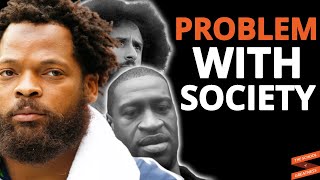
Michael Bennett, a former NFL player and activist, discusses racial injustice in America and how athletes can use their platform to drive change. He shares personal experiences with race and reflects on activism in sports and the responsibility that comes with having a voice.
Chapters
I think a lot of times people are trying to talk about their perspective instead of listening. And I think that's important because I think so many people are trying to make statements and say things, but they don't have the right words to say because they haven't had any experience to really have the education to really be putting out a statement.
All right, welcome everyone back to the School of Greatness podcast. We've got the inspiring Michael Bennett in the house, and I want to start off by saying how much I appreciate your career and all the things that you've overcome in your life to get to where you're at. And I want to talk about that. I want to talk about your, your podcast with your wife, which I heard some episodes, which are interesting, and also just what's going on in the world in America right now. And so thank you so much for being here.
Yeah.
Thank you, man. I think it's a, I'm excited to be on here. I know you only have the greatest thinkers in American history on here, so.
In the world, man. In the world. What's, what's this week been like for you? It's been, obviously, a crazy week for a lot of people. What's this been like for you?
I think it's, it's a really crazy week because you, the emotions are overwhelming, right? You're dealing with, it's like there's this, this is weight that's been bearing down on, on America for a long period of time, and, and the side of the weight is starting to lift up and everybody's starting to see what's been underneath the been underneath the souls of America, right? And so it's overwhelming to see people die and what's happening. And then you look at the president and you look at all these things that don't you seem like it's just overwhelming? You're like, what is the reality of what's happening? Where are we going? What is happening to our society? I mean, there's a lot of things in this society that are, that need to be challenged, that are being challenged. And how are people going to respond ultimately is the question that I have. Yeah.
But, you know, obviously this has been happening for a long time. And do you feel like this is different now than four years ago, two years ago, eight years ago, or do you feel like it's kind of all been the same feeling and energy?
I think for black people, I think for people, people of color who have been, it may be different for white people. I think I think white people are finally having to pay attention. Right here. You have companies, you have all these people who are making statements. Like, where were those statements four years ago? Michael Brown died and all these other people and why did it take so many people to die to wake people up? So I think we've been living and existing in this trauma of America. Think about the historical place of African Americans in American history, the fabric of who we are and the essence of our contribution to America. And we've been definitely living with trauma for long periods of time. If you look back at some of the pictures and things that people experienced in the 40s, the 20s, the 60s, the 70s, the 80s, the 90s, the 2000s, in 2010, you can put those pictures side by side and there will be a lot. The color will change, the cars could be different, the way that the picture is taken, but the race issue is still the underlying issue of American society. And so I think for me as an African American man, it's just been the way and the trauma, the history of what an African American parent tells his child and what a white person tells their child has been different for long periods of time. I think we're finally, we're at the state where I feel like white people are having a conversation with their children about race and how do they fit into the world's issue? What's happening?
You've got three kids, right? Three daughters. What are some of the conversations you've had with them in the past?
I think I've had a conversation about over policing and toxic masculinity. What does it look like to have a man with daughters and how proud you can be to have daughters? Because I think if you look at the world before Kobe died, being a girl dad was not cool. People thought, up. And it's like, I mean, it's unfortunate that waves in our society is, is, I would say, followers mostly, right? Most people in the world are followers at this point. And so we follow the trends and the waves of the world. But right before then, being a girl, then if you had daughters, people look at you and the first thing they say is, oh, you need to protect them. They don't see that they are people and that they have voices and that there could be something great, right? They just assume that they're going Protection. So I've had conversations about that and about, you know, race and how and also them being a woman in society, what are their gender ceilings and how they have to break those ceilings and what they need and how a father and the male plays a role in that. So I've had so many different conversations, you know, about race and sex and gender.
Yeah.
And what I'm hearing is I don't have kids, so I don't, I don't understand from that perspective. But what I'm hearing you say is most white parents don't have to teach their white kids how to protect themselves or be aware when they enter a room or if a cop is following them, they're not having those conversations.
But the thing too is what you said, and I think that is the most important thing that I think everybody in America is missing right now. What you said to me is one of the most powerful things that needs to be elevated is that I can't understand, right? Or I don't have, like when you say, I don't have kids, so I wouldn't know from that perspective. I think a lot of times people are trying to talk about their perspective that are listening. And I think that's important because I think so many people are trying to make statements and say things, but they don't have the right words to say because they haven't had any experience to really have the education to really be putting out a statement. How does the Washington Redskins put out a statement about race? It's impossible. How can the NFL say something about race when they've been dealing with racial tension and racial, the Rooney Rule within the league is like, we haven't acknowledged to even listen to ourselves and for a fellow man to really make a true distinction of what they really feeling, right?
Yeah.
What's your opinion on the, would the Redskins put a black image to block out Tuesday, right? What's your thoughts on that?
I think it's funny because you have, here's Dan Snyder, what's his name, Dan Snyder, right? And he's been a Trump follower, he's been donating to his campaign, he's refused to change the name of his organization, he refused to change the logo, he refused to do that. And that perpetuates a certain cycle of what indigenous people have felt in American history, right? He think it's a proud thing or something like that to cause somebody to acknowledge somebody by their skin. What if a team was called the white skins? What if a team was called the black skins?
What?
People would be in outrage, but indigenous people don't have that voice that really will change the idea of the red skin. So putting, if he really wants to be a part of the change of.
Racial injustice, he would just change the.
Name of his team.
What'S he changing?
This is so many different names. We could name the Washington Trumps. What's wrong with that? He loved Trump so much. Why didn't he name it Washington Trumps?
Right, right. Now, I love this. This podcast you did recently, eight minutes, 46 seconds long, the same time, the same amount of time the officer had his knee on George Floyd's neck. What did you want to say in that special episode?
I think it was just to really reclaim the humanity of George Floyd, right? Reclaim what it is that this man took from him. He took his life, he took his family, he took his existence away. And where do we as human beings stand on that moral line of righteousness, right? What is it we have to deal with to really reclaim the humanity of our fellow man, right? And that's really what that's about. It's not about me, it's not about me. It's about how We as individuals have really taken the dignity away and specifically the police department, they have really taken the dignity away for African American people for such a long time. But I don't think people really understand to see a man lose his life, to ask for his mother, to ask for his children. That's just him reclaiming, trying to reclaim and remind him that this person is human. But for some reason, this man continues to put his knee on his neck to this man no longer exists. That's truly an issue. And it's a true issue with the moral and spiritual side that we have really disconnected from as human beings and disconnected from American society.
I thought it was beautiful. I think everyone should go listen to that episode and you really ask a great question at the end for all of us to think about as well, which I thought was really inspiring. You know, we talked about you having three daughters and, you know, now it's cool to be a girl dad. Do you think you'd be a different man if you had three sons?
Yeah, I think I would be a different man. I think there's this ability to where you said, and I'll go back to what you said, right? Because I think, like I said, it's a, it's a fundamental issue in America, right? If I was a man, I could never have the experiences to see what a girl goes through, right? So it's like when I have these girls and these daughters, I literally get to see their experiences. And what does it do for me? It allows me to have a better understanding and understand their journey and what they're experiencing, what they're going through, what's happening to them. And so I think it makes me a stronger person because it allows me to really dig into the other side of me and really put out a side of me that isn't allowed as a man in America. Right. It's not allowed to be. Not to be in the moment. Right. So it's allowed me to really develop my few full human beings scale.
Right.
So I think that's important.
Yeah.
You seem like a gentle giant. You're this big, strong NFL guy, but you got a gentle heart. And I love that about you. Do you think you would be a I don't want to use the word better, but I say a different type of football player. If you had three sons, same ages as your daughters and not having three daughters, would you be different, better, worse? What do you think?
I don't think so. I think football to me, I've always been able to, like, decipher and break up the boundaries between being an athlete and, and, and in my real life. So the football field is, is what I've been doing since I was a young kid, and that's just who I was as an individual and what I believed in and how I played the game. But being a father it takes a lot more work. So I think it would have been, I think I'd play to be the same player because it's just different. It's two different things. I think what my, what kids do to do to you and whether there's male or female, they allow you to realize that life is more than just about yourself. Right. It just happens to, for me personally, that's what's happened. It made me realize that I kind of, when I went out there, I was planning for something a little bit bigger than myself. I was planning for my children. So that's kind of how I connect children to what really impacts my career, impacted my career.
And your mom had you when she was young. I think she was 16 when she had you, and she had five kids by 20. Is that correct?
Yeah.
Five. Yeah, about 21. Yeah. So it was very difficult, right? I think when, when I look into myself, when I look back into that, right, I look as a parent, I'm like, man, I have everything to, like, take care of kids. Right. Momentarily and monetarily. And it's just like, okay, you, you It's not about money when it comes to kids. It's really about you never know the burden of what it takes to raise a child. And I can only imagine what my mother was feeling at 16. And within that journey of seeking myself and seeking the reason for being, right, it's just one of those things that being able to forgive, forgive, because such a young person having a young kid, this can only be devastating to their career and what they really wanted to accomplish in life. But because they have to sacrifice for kids, it's just a different experience. Yeah.
I know your parents didn't end up working out. Who would you say is the greater teacher for you growing up? And who taught you, what was the greatest lesson each one of them taught you that you use today as a parent?
I think all of them are equally being impacted my life. I think living with my father, it allowed me to understand how to be a husband, how to be a comforter, how to be a protector, how to be different things and different things that are required of being a husband, right? being a father. I think both my mothers just taught me about love and passion and the importance of community.
Right?
So this like, it's true what they say it takes a village to raise a child and I truly believe it takes a village to raise a child. So I think every one of them have really impacted me in a certain way.
Yeah.
And you've been, you know, with, with Coppernack and everything that he's been standing for or taking a knee for since four years ago, you chose to immediately support him in your own way.
So I have been like, been like talking about blackness in the NFL and blackness in the career my whole life, right? My mom was a teacher, she went to a historical black college, I grew up in a small town, so I've always had the historical context of what it means to be African American in this society and the people who have fought for freedom and what they stand for. So it was easy to be a part or help Colin's voice be amplified in myself because I truly believe in what he was doing, right? I truly believe in the freedom and the liberation of people who are being oppressed. So it's easy to connect to that. And I think over the whole time I was finding different ways to connect with different people, not just African-American people too, right? We have our struggle, I connected with people and the indigenous community all over the world. So it's definitely eye-opening experience. Four years ago, I think it was the first time on mainstream 60s to 60s that we really were elevating the racial tensions and the racial divide in America.
It seems like it started to be amplified with the media and with athletes really getting on board in a bigger way. And I know you talked to John Carlos on your podcast who famously raised his fist during the 1968 Olympics, and you asked him if he felt afraid what would happen afterwards if he did that. And I wanted to ask you the same thing. Did you ever feel afraid that, hey, if I take a stand in my own way for this, what I believe in, did you feel like maybe I could get fired or maybe I get criticized or judged or bullied? Did you ever have that fear?
I think criticism is a part of my job. I've always been in a position where criticism was a part of my performance. Wherever didn't perform good, the criticism was high. When I performed great, the criticism was low. So for me, it was more about the fear of living, right? Because you say something like race is such a strong issue in America, right? It's been people have died because of race. We can look back at the facts. These are facts. People have lost their life because they have brought up race in America. They've been killed by the government. they've been killed by left-wing organizations. So there was a fear of having this, of being ridiculed at a high level, right? Because you really are bringing attention to something that people don't want attention to. So I think there is a fear. And I think what John Carlos was referencing his experience and what he's been through, I think it's important that we reference these things and when people take take stances, what can come with stances, right? Because we look at the glory of Martin Luther King and Malcolm X, but we don't look that they died, right? That's not something people really bring up all the time, right? They bring up, like, look at this quote, but we like, every time we bring up this quote, it's a man who was executed. We think about Jesus and we say, we bring of course with Jesus, but then we think about Jesus, Jesus was killed by the government. Like, so it's like, it's like we have to know that that is possible. And I think sometimes people don't know that. And I think even with protests right now, a lot of people are getting hit and beat by the police. Like, you got to know that that's a part of it, right? And that's a of you taking a stance to you going against the grain of society. So with that comes resistance and with resistance comes battles and you got to be able to withstand the battles individually, spiritually, mentally and physically.
So I love what you said that, you know, you're used to being critiqued on the football field, but this was a different type of of worry and concern for your health, your safety and your life for standing up for this. Now, I played I played college football. I was a receiver. I played in the arena league for a little bit as well. and I'm curious about, so I know all about the locker room and I don't know about, you know, I've played on where I was one of the only white guys in the team in Huntsville, Alabama and mostly black teammates. I've been on teams where it's mostly white guys and a few black teammates in Ohio. I've, I've seen kind of both sides. And personally, I never saw any type of racism, at least in my bubble of the locker room, personally. Do you feel like there's racial divides in locker rooms in the NFL that you've seen?
I think there's racial divides on issues, right? I don't think there's racial divides on where we are, because when we come in the locker room, we all see each other as football players, and we're kind of just like, oh man, you.
Get the job done.
We divide in the battle to have a position, right? But at the same time, the underlying issues of what they're happening within our communities, I think that's where the divide comes, right? Because that's when we finally see the divide, right? We don't really see it because we have a quarterback, we say quarterback, receiver one, throwing the ball to receiver one. But it's when stuff like taking a knee comes out that we really start to see the social divide between who and where people were raised because as football players, there's only one ideology. There's winning and winning at a high level. But when it comes to race, there's so many different ideologies. And I think the racial disparities will come. We start to see the racial inequality when we start talking about race and I experienced it personally when we talk about We talked about taking the knee as a team. What that was, we saw the divide. We saw the fear of African-American players of not having the opportunity and what that feels like. The Seahawks were more of the more consciously aware team in the NFL. We were probably the most famous team outside of the Patriots as far as players, individual glory. I think the Patriots were more a team glory and Tom Brady glory, right? But it's the, I mean, the Seahawks glory of all types of players were superstars. And most of the superstars came from African-American neighborhoods. And we kind of never forgot our blackness. So we were we were, we were, we forced the team to do what they did. Right.
You were the leaders.
Yeah.
Yeah.
We were the leaders of our team. See, a lot of teams, they get led in Direction by the ownership and tell them what to do. But that's, we were, we were one of a kind team, right? We were a different team. We were the Outlaws of the NFL, you would think.
Yeah.
And Pete Carroll has been getting some, I guess, some backlash lately, but what was your experience of him and supporting the team? And I think Pete Carroll I think.
It'S P. Carroll wants to do right. I think any coach wants to do right, right. They want to do right to do right by their players. But I think the thing that, because P. Carroll was coming back with the thing that he doesn't realize, too, is that, okay, you want to do right, but there's, there's evidence of you doing wrong. And so by you saying the words, if you're doing right, the evidence is, as the court would say, the evidence against the, the prosecution would say that there's evidence that says that you're not who you say you are.
Right.
So that's what people are really trying to, like, argue. So you had the it's not Kaepernick, but you didn't do it, right? But then it's like, well, you're saying one thing and you actually do another. That's what makes people mad. And I feel like people feel like you're being hypocrite. But I don't think Coach Carroll has a bad heart. I actually think Coach Carroll is one of the most progressive cultures I've ever been a part of. And his philosophies were very, we talked about a worldy of things that any team I've ever been on. So I just think when he didn't sign or he didn't give Kaepernick the.
Opportunity, that's kind of left the door open for other people to scrutinize him for his beliefs.
Yeah.
And what about, what about your thoughts on Drew Brees? Did you experience connecting with him throughout your time in the league and your thoughts on his post and his response to it? I think Drew Brees is just missing the whole, whole.
He missing the whole gamut of what's happening.
Right.
Here's a man who's trying to protect this privilege at every corner.
Right.
But this requires you to drop your privilege. When you're talking about race, it requires you to drop your privilege. If you're a man talking about what women are going through, it requires you to drop your privilege and listen what's happening to women. Like, it's like when the woman's saying that she's been victimized and she's something's happened to her and she's been a victim of rape for sexual assault. It's like a man said, what, what did you wear? What did you, what did you do? Why did you, how did he, it's like you're trying to victimize them and make them feel like, can you try to defend men instead of defending what is happening to this individual and how it has made them feel. And so when he's talking about his father and his grandfather, he's actually a defense mechanism to defend his privilege of why he should stand up instead of saying, you know what? I don't know what to say. So you know what? I don't know what's the right thing to say. I know. Talk about my grandfather's not this moment. I think talking about the trauma that African-American my teammates have felt over the years that I haven't had the courage to stand up on, but I have the courage to donate and talk about different issues like COVID-19 why can I talk about COVID-19? Why? Because it's pertaining to everybody. So I don't be seen as I'm supporting just black people, but to stand up on this issue. it's that you're being an ally and you're acknowledging that you've had privilege. I don't think Dripping really wants to acknowledge that he's that privilege because in his mind, he's worked hard for everything he's got. Maybe in football, that is true, right? Maybe in football, he's had, he's worked hard. But in life, he's not had worked hard to get the white skin that he has. He was born with that privilege. And I don't think he's really wanted to acknowledge that being white is a privilege. And that's okay with him. If that's what he truly believes, at least he's being honest, right? At least he's being honest. If we can say there's some place to work on him, right? But the fact that he has, has such a with his black team and his black brethren is really the issue because it's saying that he still hasn't got into his mind that other people have experienced a different America than he has.
What are your thoughts then on, I guess, people with a platform or athletes talking about it? If they don't know what to say, like you said right there, maybe he should have just said nothing. Should people be speaking up and saying something? Should they say nothing if they don't know what to say? What's your thought?
I think they should say something if they feel the need to say something to acknowledge if they have a particular position like Drew Brees has a particular position. He's an African American driven league, right? He has, he's obligated to say something and his something should be in the manner of supporting his people who are 70% of the organization, right? So I think we people just need to make the most honest statement, right? The honest statement is not to try to like, Fine, you just you coming at your heart and saying like, I don't know. I think that's a great statement saying, I don't know but I want to know. Like that's the kind of stuff statements people have to make, right? And people have to understand like, look, this isn't just about being black. This is about like the system, understanding the system that has oppressed people of color for generations and generations at the time. One route we talking about defending the police, but we're talking about defunding the police and policing, right? But we also got to think about about the judicial system, which has plagued African-American people in American history, brown people in history. Look at the facts. There's more African-American and brown people in jail than any other race in history. We have more people in jail in America than any other country, right? We talk about marijuana. We talk about the country, the America one. So many people are in jail for marijuana and they're being imprisoned right now. But now America, marijuana is a business and it's privileged and it's ran by a white society. And there's a whole bunch of brown and black people who are in jail. for smoking a jay, right? And smoking a jay is nothing wrong with smoking a jay. You want to get your mind right, you put feet smoking a jay, right?
Right, right.
But at the same time, people, people have been persecuted for something, right? And so we have a lot of people, the whole system is seeing how the cycle of racism and the system has been perpetuated over the time. And I think because people, it really comes down to our consciousness. I really believe that people have been unconscious, so they really haven't really you had the opportunity to really look at the world through different eyes, right? Because they're so focused on one thing and then focusing on somebody else's pain. Yeah.
What do you think is going to happen in the NFL next year? When you guys start playing again, do you think there's going to be changes? Do you think there's going to be more protesting with athletes doing their own thing? What do you think is going to happen?
I think more athletes are going to take a stance. I think we're gonna, I think there's gonna be a big change, right? I think there's gonna be more people standing up, right? Because now you really have your white teammates. When we were taking a knee, not a lot of white people wanted to be involved, but now you got people like Kirk Cousins and all these people trying to make statements and they're trying to be a part of the movement. So I think because there's gonna be more players willing to move and talk about the issues, I think the NFL is gonna be forced and obligated and it's gonna be subjected to is players will. And I think there's gonna have no opportunity but to do that. But, you know, to be honest, I think covid-19 was really the factor in, in, in a lot of this, right? Because I think Co covid-19 and, and Floyd, it's, they're together, right? Because, yeah, one, one side we see the disparities of color for policing, right. Then the other side we see the racial disparity. in healthcare, the central needs of America. And we're seeing, on one side we've seen the issue that's facing with African-American people, but on the other side we see that we are dealing with poor people all across the world who are dealing with poverty and they have a system. So I think two of those things connect and we're realizing that all of it's connected together. And I think we've seen that a lot of essential workers in the American workforce with African-American and brown people.
You know, I love your, your story about how you've become just a successful athlete, let alone being a great man, great father, a great husband, but a great athlete. You were undrafted, and yet you've been, you know, in the Pro Bowl. You've won a Super Bowl. You should have won two Super Bowls. How does that, how did that, how did that whole Journey go for you, from being undrafted to winning a Super Bowl?
I think it's when you go, you're talking about school of greatness, right? I think it's really mindset, right? Because you get into a situation and you have to be able to find this grit and this will and this perseverance to overcome. And I think for me, that was the biggest thing that kept me going was like, okay, here's this opportunity to have this child, I have these. All these things is weighing on why I shouldn't succeed. But my mindset was on success and putting in more work, right? I think Loving the game of football and actually having, loving the history of football and the knowledge of it and loving the actual X's and O's of it, it actually made me a stronger player, right? Because I love to study, I love to watch the games, I love to do different things. It's a great time and being on draft that really prepared me to have the success that I've had.
You think if you were drafted, you'd have the same success or did that give you that extra hunger to work harder and prepare more?
He gave me the extra hunger, right? He gave me the extra hunger it's like I was already used to being underdog and now having that, it was just another way to like continuously, like I was like, man, if I would have been drafted, would I have had the same hunger? I don't know if I would have had the same hunger. I think being undrafted allowed me to keep a chip on my shoulder, which that chip kept on my whole career.
Do you feel like, would you have changed anything? Do you wish you would have been drafted in the first round and got some big signing bonus? Are you glad you've had to, build it the way you have.
I'm glad I had to build the way I had. I think a lot of people, when you go through the way I did, you built the story, and I think a lot of people connect to that story because there's always people are like, wait, you did that? And so it's like, it's just a great connection.
What about, how did that feel in that last play of the Super Bowl?
Do you have, I'm still having nightmares about it.
Do you have any regrets or what was that feeling like after you guys were so close? I mean, luckily you won one already. so it's not like it was your only chance, but what was that like?
I think, I think, I think that was like, I think that was a term that it was like a factor that I feel like if we'd have won that one, we probably would have won three, right? We would have won three or four because we had a young, we had the most experienced, most powerful team in the NFL. I think that was even in the following year we got back, we had one game away from the NFC Championship, right? And I think we just, we just had to, like, I think that it was the thing that kind of like, if we would have won that one. So I just felt like if we would have won that one, we would have been talked about as one of the greatest teams in the sports history because I felt like we would have kept that momentum. We had such a young team that.
Would have kept winning. What about your legacy? What do you want your legacy to be? Do you want it to be more about being a great football player, being a great father, being a great activist?
I think they're all the same. I think it's just overall just being a great man, right? Being a great man within everything that I tried to, everything I was a part of. I was a father, I was a great father. when I was this, I think the most, the most hurtful thing is when you die and they only bring up your, with your attributes or your stats in the NFL, like, oh, he died. He had this many sacks in this promos, and that's the whole thing. I think it's more about, like, what did you contribute to your community? What did you contribute to yourself? And what did you contribute to life? I think that's the ultimate thing that I want to be, is to leave a great Legacy of being a great.
Contributor to all facts, facets of life.
Yeah.
And you have an amazing story about your relationship with your wife and how you guys met and how she's been a part of this journey with you. Was she always supportive of you for taking a stand as an activist and an athlete? And also, what brought about you guys coming together, co-hosting a mouthpiece and doing the podcast together?
My wife is as strong as me too because she believes in a lot of stuff and she stands up for herself and what she believes in. So, I think it's just as cool coexisting and growing up in the same area, right? We came, grew up in high school together and we dated in high school. So we saw a lot of the same thing. We saw a lot of the different tragedies. We saw a lot of the great things in life and what it's feel like to be at the bottom, what it feel like to be at the top. So we experienced a lot together. So for us, we both Amplify each other's voice on what we experience. And I think with the podcast was an opportunity for a husband and wife to come together and talk about real issues and talk about things that are happening in America and what are raising kids. This is a perfect opportunity to use our in a positive way. We talk about all the great things like there's shortcomings of all of us, I think, in a world where we've become and we're following a lot of people, we've seen a lot of their great moments and we're challenging their great moments against our great moments. And unfortunately, if somebody with 60 million followers, their greater moment is going to seem more greater.
Right.
And so it's good for us to be honest about our experience and be honest about our, what we need to work on as individuals and what we need to work on as Do you.
And your wife ever have disagreements about approaching the world, about approaching parenting, about approaching what you should be saying or not saying?
Every day. I think that's the evolution of us as people, right? We are constantly battling and struggling with what we think is right, with the compromise. Where do we compromise at? What do we do? And I think we're doing it every day where we're constantly going up and challenging our thoughts. I think a great partner is somebody who can challenge and continuously grow. I mean, there's things that we agreed on fundamentally, but our approaches may be different. So that's, that's a normal thing, too.
How do you find peace in between your disagreements to, to not let it affect your kids or the relationship for too long? And how do you kind of resolve things?
I think that's, I think that's, I think that's one of the hardest things a lot of people do because you get in a place where you become a part of the business and you become a part of the, you become a part of what you're doing. And I think for us, we just try to disconnect the two things. Like I said, we've had a great opportunity to do that because we've been in NFL, we've been able to disconnect from the NFL and then do something else. So I think this is just a evolution of that, honestly.
Yeah.
I got a couple final questions for you, and I appreciate you opening up and sharing all this, Michael. This question is called the three truths, and I ask everyone at the end the same question.
Question.
So, it's a hypothetical question. I'd love for you to imagine it's your last day on Earth many, many years from now and you've accomplished all your dreams. You've seen your kids grow up and achieve great things and you've seen things move on in the world and you've done it all. But, it's your last day and everything you've created in the world you've got to take with you. So, all of your podcast and your book and all the posts you put out there, it's got to go with you to the next place. But you can leave behind three things you know to be true about life, about experiences. And these will be the three lessons that we would all have to remember you by. What would you say are the three things you'd want to share with the world?
Three truths? I think the three truths that I would like to share with the world would be self-reflection. I think we all need to self-reflect on a daily basis and self-reflect into a way that we can manifest our self-reflection to into something positive, I think is important. I think the second is to have a sense of to understand about for every luxury there's somebody else that's sacrificing for us, right? Because every luxury creates a certain suffering for somebody else, whether it's an iPhone. When we get an iPhone, we don't realize that somebody that has the iPhone, somebody that created the iPhone worked in a factory. So it's like, well, when you get your tomato, there's been a Hispanic person who's from Mexico who's picked it that didn't have a fair trade system, right? So it's understanding that there's other people who are experiencing something and to understand that these luxury that we have and people are suffering. So when the people are screaming that they need attention, we need to acknowledge their attention, right? And I think the third is being in the moment. I think a lot of times we're so when I say unconscious, I feel like we have become so unconscious as a society that we get our realities mixed up. with the other realities that are happening. And then next thing you know, we don't know which one is real, which one is, which one is fake. So I would say being in the moment to, when we were with our children, to, like, review with your children, be in the moment. I know it's the hardest thing, too, because our phone allows us to be everywhere at once. But I would just try to be in the moment, right? Be in the moment. Because those moments are so, we think they're so, we think they're so small and superficial, but those moments are really the most magnificent moments in your life when your child is trying to show you a picture. You're like, yeah, okay, okay. You that. But sometimes like, who knows what that does to that character when they know that their parents love them. So being in a moment is something I think is important.
Yeah, you've got your podcast, Mouthpiece with your wife. That's super inspiring. You guys share some great stuff there. You've also got a book, which I think is a great title. It's called Things That Make White People Uncomfortable. Why did you write a book with that title?
I think it's one of those things where we wanted to make people uncomfortable because the conversation that we have right now is not a comfortable conversation. That's why there's chaos. Because if it was comfortable, it was easy for us to judge the final four. Oh, man, LeBron should or the NBA. LeBron should took that final shot. Like, that's easy. That's a comfort thing because it brings, it brings life and it brings this. But having uncomfortable situations and kind of conversation is where we truly grow. Right? That's what I talk about when you have those teeth and those, when you have those limbs growing, it's uncomfortable when But at the end of the day, you have growth, right? And I think we just needed to have an uncomfortable conversation. There's a lot of things that it's important that we need to have those conversations because it's too late when we have a war and then we want to have peace. We need to have peace before we have the war, right? Because once we have the war, there's casualties, right? There's too many casualties. And peace, when a war that comes with peace is just too many people have died, millions of people have died. But we had the peace before the war. We don't have to have the war because we'll have peace, right? The war would be just about, well, morals and morality. but this moment, we have to, this book is about being uncomfortable and not to be reactive anymore because now we're a reactive society and what comes with a reaction, unwanted action, right? You just react in a way that you don't even know, right? Because you're like, boom, you just react. So that's really where I wrote the book.
What would you respect about your teammates, both your white teammates and black teammates? Moving in from now into next season, what would you respect about them the most?
Most if they did what I think I respect everybody. We just kind of just stood up on what we believe in, right? The purpose of our living, the perfect existence. I think why I respect most of us, that we could put our titles down, right? Titles are meant to divide us. Everybody has a title and people, a person could be a regular person, right? And we run into those people and we just pass them. But if they have a title, we acknowledge them, right? So it's time for us to put our titles down and acknowledge that we're just a human being. We exist with these people. We were fellow man. We believe and they eat and the same way. Just because we have money doesn't make us exist. We witnessed Paul Eller be one of the richest people in the world, but die at 50 something, right? Because it's at today, we are just human beings. Money is the thing that breaks our barriers, but at the same time, it also builds more barriers.
Wow, that's powerful. I want to acknowledge you for a minute, Michael, for being a stand for what you believe in, for being a stand for other people, for being a stand for your life and your family and change. You're doing some amazing work, man. I appreciate your voice and it matters. Hopefully I can come watch a game wherever you're playing this year. I'd love to come watch a game sometime and support you. See you get that 70th sack in the bag, man. Final question for you. It's what's your definition of greatness?
My definition of greatness is to. It's to be different. I think the greatness is such a. It's like this tears of being something, right? I think it's. like average, bad is good, better, then greatness is like the highest thing that you could be. I think it's because you're different. I think the ability to be different is the most important thing, right? I think greatness is a difference because they, people who are great do different. They become outliers in everything. They become conscious to their being. And I think there's a very few people who actually reach greatness and enlightenment.
Michael Bennett, man. I appreciate your wisdom. Thanks for coming on and sharing it all, man.
Thank you, man.
I appreciate you. Thank you so much for watching this video interview with Michael Bennett. If you enjoyed this, please leave a comment below and like this video and check out my previous interview with Kobe Bryant for more inspiration on this. It's exciting when you win. It's exciting when you lose because the.
Process should be exactly the same. Whether you win or you lose is you go back and you look and you find things that you could have done better.
More from Lewis







Secret Service Agent: Your Neutral Face Is Making People Distrust You (Here's How to Fix It)



