The SUCCESS SECRETS Of High Achievers REVEALED (Kobe Bryant, Lebron James, & More)| Gotham Chopra
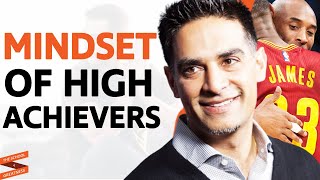
Gotham Chopra talks about what separates elite athletes like Kobe Bryant, LeBron James, and Tom Brady. He explores their mindset on failure, how they prepare mentally, and the personal habits that drive their performance at the highest level.
Chapters
If you want to learn the mind-blowing secrets of success of the world's top athletes and performers like LeBron James, Tom Brady, Michael Jackson, Kobe Bryant and more, then watch this video with Gotham Troopa, world-renowned filmmaker studying the breakdown of greatness. I think you gotta have a dream.
The School of Greatness. Really?
Yeah.
Please welcome.
Welcome back, everyone. To School of Greatness. We've got Gotham Troopa in the house. My man, I'll chears it up to you.
Good to see you, man.
Likewise. I'm excited to connect. You've got an interesting life, but also you've got this project that's out right now called Greatness Code. And when I heard about it, I was like, we've got to connect. Because School of Greatness, Greatness Code, this is what we're all about.
Right.
And you essentially launched a series on Apple Plus, which is interviewing the world's greatest athletes on their accomplishments and how they became so great. And they're super interesting, cinematic, storytelling, graphical, everything. It's really cool. I'm curious, why did you want to study greatness from these top athletes? You also did Tom versus Time, which was an unbelievable series.
This series, yeah.
But why did you want to continue to take a step further after that in diving deeper into this topic from world-class athletes only?
Well, you know, the backstory actually starts before LeBron and Tom Brady, all these athletes that are featured in the series. So I think it was 2013-ish, 14, I started working with Kobe Bryant. And so I'm a huge Celtics fan. I grew up in Boston and loved the Celtics, hated Kobe and hated the Lakers. But I started working with Kobe and I remember I grew close to him. I mean, that's kind of the nature of the work I do, is like building real relationships. And so across that time, I remember once talking to Kobe about like, hey, so as a fan, I can, there was that game you scored 81 points. game you scored 60 points in three quarters, like, would you say that's your greatest game? Or maybe a playoff game or something like that? And Kill Bill was like, nah, there's this other game against Denver, against Tracy McGrady or something like that, like where I. And it's obscure. It's like a regular season game that, you know, doesn't have necessarily the stakes.
That you would think, playoffs, etc.
Wasn't a game seven where you scored 50 and had the game winning shot? And it was like, I think it's my greatest game, and by the way, because of something I was going through off the court, you know, emotionally, mentally, psychologically, spiritually, whatever. So I was like, oh, that's interesting. And, you know, I just, that always stuck with me. Then a few years later, I was working with LeBron on something, Shut Up and Dribble, and I asked him. And likewise, wasn't like coming back to Cleveland and winning an NBA championship or even winning his first championship. It was, and I hate to say this as a Celtics game, because the moment he said it, I was like, I remember that game. You had 45 points, 15 rebounds, nine assists. It was a playoff game against the Celtics. And it was before he had won any NBA championships. He had just lost game five down in Miami. And all the haters were coming out again, like, oh, LeBron's a choker. LeBron can't win the big one. And he's like, I remember all that. heard all that, so I brought that with me to game six. And that's when... And so, I don't know, it just was like the mechanics of greatness was really fascinating to me. It's like, it's the moment for sure, but it's the backstory and it's like the context in which greatness happens. Just from a storytelling perspective, I was really into that. And then, yeah, like I always call it like, you know, the anatomy of greatness. Like, what are the elements? Like, what comes together? And of course, the expression. The great thing about sports is it's highly visual. You can see it when it happens. It's cinematic.
It's very emotional too, right?
For sure. It's visceral. Like, okay, you tell me that story, I can go on the internet and probably find the game. But then to hear LeBron talk about it, it's the paradox of what's happening out on the court where he's destroying the Celtics. But inside, when he talks about it, It's quiet, it's silent. He says the one in that, he says, I feel nothing.
Nothing, right? Yeah.
And again, now as an artist, as a storyteller, a filmmaker, you're like, okay.
Like that's- what does that mean? What is nothing?
What does nothing mean and how do I show that?
Is nothing emptiness? Is nothing quiet? Is nothing meditative? Is nothing blank?
Is, you know, is it clarity?
What is that?
I think, I mean, we're familiar, you're very familiar with the expressions in the zone, flow state, peak performance, all of that. And that starts to, like you start to hear consistency across when these athletes describe it. There's this level of surrender. Yeah, I hear all the stuff, but in that moment, I let it all go. Yeah. You know, in the present and all that stuff. So I love sports, but I also, like, I think of this as, these are stories about spirituality. Like these are, you know, and the sports again, highly visual, which is great. You can actually now figure out how to show that experience. But at its essence, it's like it's about human potential. It's about our highest potential.
Yeah, I used to play many sports in high school, college, and I played arena football as well for a season and a half before I got injured. I also played with the USA handball team in my pursuit of making the Olympics, which we haven't qualified for in almost 30 years now, so it's very challenging to qualify for. But I had many moments where I felt that, I don't know if I would call it nothing, but I felt clarity. It's like I just feel clear and I'm not feeling the pain. Maybe it is nothing, but I'm not noticing my toe is hurting, I'm not noticing what people are saying, I'm just in the moment focused on that play. especially in football and just focusing on that moment as opposed to what's happening in the future, what mistakes they did in the past. I think that's what everyone needs to try to get to in order to achieve some type of peak performance or greatness. Did they all have something in common where they said, I felt nothing in those great games? 'Cause I know Tom was talking about some game with like the Buffalo Bills and I was like, what is this game? But he was just talking about how he was just so locked in to every moment. How like every play, every pass was like perfect timing for him, writing the numbers, everything like that. Do all the athletes have that nothing mentality or?
Yeah, I think there's definitely, so yeah, he talks about 2007, it's the, it's the undefeated season. I think it's like a week, eight or nine game. Again, obscure, not the one, it's not the 28 to 3 comeback or whatever.
Which was amazing.
Yeah, you know, but it's this thing that's meaningful to him and that experience. And yeah, I think there is that clarity you said, there's that absence of, So, what was interesting to me was a lot of the male athletes, I don't want to stereotype, but they chose these things later in their career when the weight of expectations were on them. Like, the scrutiny, the expectation of greatness. LeBron, the haters, Shaun White talks about Olympic qualifiers. People think I just show up and it happens.
I just win gold medals.
Yeah, and he's like, you know, so there's all this pressure. So Tom talking about an undefeated season. Two of the women we talked to, Katie Ledecky and Alex Morgan, both talked about earlier in their careers, no one knew who they were. They were just, you know, there was no pressure. Katie was 15 years old. Like, she's like, nobody, they were like.
Are you at the right event? 15 when she won? Yeah, the medal. Yeah. When she broke the world record, too. Yeah, she would, yeah.
She broke it by like a half a pool length or something. It was, yeah, you watch that video. It's like, Where is everyone? And these are world-class athletes.
She was 15?
She was 15.
When was that?
2012.
Wow. Yeah.
So, I think there is a consistency. Sometimes the backstory is different.
So, what were the women, what was their challenge? Was it wasn't about the pressure? What was it about?
It was almost like being liberated. Like, no one has any expectations. I don't have to meet someone else's standards. I'm just, Present like I the press.
Doesn'T know who I am. Maybe it's my parents and my friends.
But that's about it. I mean Katie was like, I'm in London. How cool is this? She talked about it. I don't know if it made the... Yeah, it does. Like she was like in the green room and she's like, I saw Michael Phelps and she's like, My heart started. You know, she's like, what do I say to him? And stuff like that. She was hero worshiping someone else. And so there was like a real sweetness. Even like, yeah, Alex Morgan, It was she wasn't even in the starting lineup. Like, you know, it's not the Alex Morgan we all know now, the Olympic champion and all that sort of stuff. I mean, the World Cup champion. It's nobody knew who she was. Her teammates didn't even really know who she was or where she came from. And so, but I think you're right about the moment is like everything else fades away and it's just locked in. Tom, you know, he talks a lot. In that game and really across that season about Randy Moss and he's like it's all they were connected mind meld, you know, and that's super fun part of like the episode where he's talking about like routes that Randy's breaking off like it's not even like what's in the playbook It's like Randy's making choices and Tom's like I it's like I knew before he was gonna do it. Right what he was gonna do.
Well, I think the common theme that I hear is and I'm hearing you say is the amount of preparation and hard work that goes in for decades for athletes to reach a peak potential level and to reach greatness. It's like they have done so many reps on this. It's not just like there's a big game opportunity. I hope I'm ready. It's a preparedness, it's a confidence where then you can eliminate distractions and stop worrying about messing up or anything. You're just going out to do what you've been doing for years, right?
Tom, you know, talks about, I remember you mentioned Tom versus time. When we started Tom versus time, it was literally three or four weeks was our first shoot day after the incredible 28 to 3 comeback. And I was on a practice field with him in Boston. And I was like, I'm a Patriots fan. So I was like, Dude, are you serious? Like, you just won a Super Bowl a month ago. And he was like, yeah, a month ago. Like, I'm, you know, training in March and April. pays off in January and February. And again, it's those reps. It's the sort of mad scientists in the laboratory tweaking so that in the moment, you can just be instinctive. Like you're not thinking about, you know, your hip or your arm movement or your whatever. It's like at that moment, you're just reacting.
Hey, it's Lewis here and I would love to connect directly with you. Text me the word YouTube to my number 614-350-3960. to receive weekly inspirational messages from me. I think I've seen videos of Drew Brees, like, before a game, all by himself on the field, practicing every rep, like, at the goal line, and anticipating and running around and scrambling and then practicing and seeing it ahead of time, so that when it's there, you're just ready and prepared. I think if Conor McGregor has done a lot of that as well, where you see him actually doing the punch he wants to do in the fight, and then knocking the guy out with that same punch, And I think that type of preparation and visualizing months ahead, a day before, hours before, is what really will support you towards achieving greatness. You may lose still, but it's gonna give you that edge. I'm curious, you talked about Kobe. I interviewed Kobe as well, and me and Tiffany got to go down to his office and spend a couple hours down there and really experience his, I really call it an energy, because he has an incredible energy about him, at least when I got to be with him. And the thing that I always talk about with people that was most impressive for me, you spent more time with him, was we got there an hour and a half before our interview, probably 6:30 a.m. And he was there an hour before that by himself alone in the dark, looking up at the ceiling in his office, had no clue we were there. But just the fact that he was there not working, but just dreaming and visualizing about the day, for me is one of the most impressive things I saw. and the assistant who let us in said he was at the gym at 4:00 a.m. with his daughter before this, and he's the first one in the office still, and this was after he won an Oscar. And I was like, this guy's a machine. And he was preparing for the day with all the things. He had a lot of stuff. He was launching a podcast and books and all this stuff. And his clarity about the day and visualization process for me was really powerful, more so than the interview itself was to witness that. What were some things you saw about him from your experience that really impressed you that made you realize this is why he's one of the greatest of all time? Yeah, I mean, everything you just described.
Is like so, you know, takes me back. I mean, he was maniacal, like, you know, in the best of ways and in the worst of ways. Cause I worked with him across like a year and a half to two years. Wow. So you saw a lot of him. I saw a lot of him. And what you just described going down to, I would get texts from him at like 3:00, 4:00 in the morning. He's a go. You got to come down. Like, can you be here by 6 a.m.? Like, you know, to, I have something to say because we ended up doing a whole, it turned into this like, almost like, therapy type of thing. We built in that office, you're describing a Newport like a stage because he just wanted to do more and more. It was like, okay, we, you know, we have to find a way to accommodate this. Um, so he had an intensity to him, but also a clarity. I think that was just, unique and different. We used to call it because I was down there for like a year and a half, two years. My wife was like, wait again. And we used to call it Kobe jail. We're going into that office. Yeah, I was like, man, like, I don't know if I'm ever gonna get out of this. But it was, you know, it was so intense and it, it drove me and my team towards greatness. Like, he just, he wouldn't compromise. There was nothing he would, if it wasn't like, perfect in his eyes. It wasn't good enough.
So, from like perfect, like, okay, I'm gonna shoot this and tell this story and then watch it back. And if I don't like it, then let's do it again.
Or is it more, I didn't like this. It was like, I don't know if, you know, we went deep enough. I don't know, like, you know.
So, he was, you know, self-critical. He was speaking, telling the story, and then he would reflect to you afterwards.
And say, oh, we gotta do it again. We gotta do it or we have to do more. Like, he wasn't into rehearsing. It wasn't like, okay, I need to say it better, I need to be more honest. I need to give it more depth. And then like, you know, we would, he really enjoyed this idea of like, I don't want to talk about just like the predictable stuff, the games, the 81 point game or whatever. Like, I want to talk about the obscure stuff. I want to talk. And so like, putting a medal in.
Paul Gasson's locker room during off-season, like to inspire him.
And then like finding these really obscure things. You know, I'll tell you actually a story. That's why I like doing this because I don't get to tell these stories. But like, when I first met Kobe way before I started working with him, it was because I randomly, I don't think believe in randomness, but like I sat at a charity event with him and I sat next to him. And Kobe and I are around the same age, same, you know, grew up in the same era. He was a huge Lakers fan. I was a big Celtics fan. So that was like what we ended up in the 80s. talked about at that dinner that we were next to each other. And then literally a day later or 48 hours later, he texted me and he's like, Hey man, can you come down to Newport? I want to show you something. I was like, okay. So I go down to Newport and he's got- what year is this? This is 2012 maybe or something like that. And so he's got these VHS tapes back from the 80s and he pops it in some VCR he has and he's like, He's like, you,'re Celtics fan. He's like, why do you think Larry Bird was the greatest pump faker of all times? I'm like, I don't know. And he's like, Let me show you. And he's like, It's not his shoulders, it's not his arms, it's his eyes. Watch his eyes. And Kobe was like, he was like this sort of mad scientist, this genius. I mean, he's a savant, right? When it comes to basketball. And he was like, Watch his eyes. That's where the pump fake is. And so we sat there for like two hours. and he broke down Kevin McHale, Robert Parish, and obscure guys like Jerry Seinfeld, Scott Wieman, and all the Lakers, you know, and he was just like he would look and I think later in his career he did this not just with basketball players but as he transitioned into storytelling and stuff like that, he would do it with, you know, the great artists, the great storytellers, the great composers. That sort of became the foundation of the project we ended up, like he drew a lot of Inspiration from Michelangelo, Leonardo da Vinci, and as much as he did for Michael Jordan and Charles Barkley and those guys.
Yeah, and I think people got to see his genius with the ESPN details, which was really cool to see like him analyzing everything. Which you got to see I guess before that.
I got to see it and I you know it's like Tom Brady will be-- He'll watch the game film.
He's the same way. Which was cool to watch in Tom vs. Time. to see that because it brought me back to college football days of just watching hours of film and seeing all the mistakes you made and then preparing for the next game.
Well, I know like you said, even in that, like you could see, you know, the cameras would go on and first he was kind of pointing it out, but over like five, 10 minutes into it, he'd just get lost. He's just like, I wasn't even there.
He's just a machine in there.
Yeah, it's like this sort of, you know, beautiful mind.
Yeah.
That sort of descends into this world, you know?
How important do you think is it for all great athletes and all great minds to watch game film, whether that's artists on stage, singers, performers, musicians, of their performance? How important do you think that is?
I think it's important in the sense that, you know, again, like accumulating all of this knowledge and information so that in the moment, you can be free of it in a way, you can be instinctive, and intuitive. I also know like Tom and some of the other athletes, like they don't want to be over, like they don't want to be robotic. They want to have, like they, it's like, I'm sure with what you do, it's like you don't want to like be pre-programmed. Like you don't want things to feel choreographed because then you get sort of stuck in that moment. So there's a fine line between preparation, but also then just letting go and being free and not over analyzing.
Improvising. Yeah.
And so it's a balance, but you're talking about people who have perfected it. I will say also what I really appreciated watching, Steph Curry is not in the series, but I worked with Steph last year, is like, Steph's arguably, in my opinion, the greatest shooter of all time, greatest jump shooter. He's every day out there trying to tweak his jump shot and figure out. It's not about just replicating what he's done before. It's about like, how can I tweak this thing? How can I, you know, that story about Tom Brady a couple weeks after the Super, like after winning the Super Bowl in the greatest comeback of history, he's obsessing over like his hip movement and he's like, something's wrong, something's wrong. I need to like figure this out. And he just won the championship. He's working with his throwing coach Tom.
House and saying, help me with this thing, you know? And it's like, these guys just never stop. So it's not like, let me take a break and celebrate this and then Just get back into preseason training camp and pick up where I left off. It's how do I analyze the whole season, celebrate for a moment, but then pick it up and see how I can make it better.
Yeah, and I think consistently what I've seen is also as much as this series about greatness, there's also probably another series to be done around failure. And these athletes remember the one that got away, the thing that Tom says, It's the scar that never heals, you know?
Man, I know that feeling.
Yeah.
What's the, there's a series on Netflix, Great Losers or something like that. I think you remember telling me this a couple of years ago. It's about like these stories of losers, but like the great lessons they learned from it or something. Yeah, I can't remember the title of it, but that's interesting. What is the thing that makes, what is the defect that all these great people have?
Defect.
Hey, it's Lewis here, and I would love to connect directly with you. text me the word YouTube to my number 614-350-3960 to receive weekly inspirational messages from me.
I mean, look, they have an obsessiveness. I don't know, like there's a mania. I mean, so Kobe is the best example of this is like, you know, he's not an easy guy to get along with. And like, you know, there's a combativeness that really drove him. And again, as a sports fan, I recognize that. You know, I was like, oh yeah, like Kobe won three championships when literally it turns out he and Shaq were like having fistfights in practice. They had to constantly be, you know, pulled apart and Phil Jackson was managing them because like they were at each other's throats. And like that, meanwhile, like you hear the stories about Kobe, every time a new player would, they'd start a new season and there's a new guy on the team, he would go at them in practice and he would try to destroy them. Some guys, Ron Artest, Lamar Odoms, would come right back at him and that's how he gained his respect. There were other guys, Marshawn Parker's probably like the, you know, the most, one of the anecdotes I've heard and he would just run over them and then they were just like never the same. They could never and I saw like as, you know, not as a basketball player, but as like a collaborator, it's like, oh man, like I'm gonna have to fight with Kobe, you know? To get like he's gonna try to intimidate and and sort of like you got to prove your worth Did he.
Push back a lot on you or?
Oh, yeah, like every day was like sort of fight, you know, but in a enriching way. I mean, it was I say it was exhausting, but it was also exhilarating.
Right.
And that was just his nature. It's how I don't know that it's called a defect, but it's like that was his style and it was tiring, but you know It was also like how he pushed you, how he pushed himself. It was just better and better. Like I said, no compromise out of that guy. So, you know, I think that's, you know, LeBron, very different personality, Tom, very different personality. They all kind of, oftentimes you see it's, you know, whoever these guys are on the court, they're a lot of the same attributes.
Did you ever see insecurity is with these athletes, like self-doubt, whether it be in their craft or self-doubt outside of their craft, like in an interview, maybe isn't the main thing that they do, but they still have to do it. Did you see them insecure or doubting themselves?
I think that, yes, yes. I mean, also look, it's sports. So actually more often than not, you fail. Like, you know, the best baseball players are striking out or not getting in. over 70% of the time, right? So it's their ability to deal with that and turn it around. So legendary stories, Kobe Bryant shooting four air balls in a playoff game. What does he do that night? He flies back and he goes to the Palisades High School gym and he shoots all night long. I remember again with Kobe, he and I were watching a Brooklyn Nets game and one of the players like 0 for nine in the first half and then the second half he took no shots. He was 0 for 9 at the end of the game. And I said to Kobe, like, oh, that's kind of weird. Like he didn't. And Kobe's like, yeah, he outplayed himself. He's like, dude, I would be 0 for 49 before I stopped shooting. He kept shooting. Yeah, he's like, you know, it's, yes, is it failure for sure, but it's your ability to rebound from failure and come back. And so I think, like, is there vulnerability? Is there failure for sure? It's that ability to like use it and channel it into success that is unique.
Yeah. You also spent a lot of time with other great individuals, not athletes. Michael Jackson being one of them. And you said you met him when you were 15 and then you were very, you're pretty close with him for two decades, is that right?
Yeah, I knew. I talked to Michael a couple week or days before he passed away.
Really? Yeah.
Yeah, it was a, you know, now look, I look back on it and especially with all that we know about Michael and it's been documented about him. And I mean, there were definitely things that I saw that I was like, oh, that's interesting. My experience with him was he was a genius. He was one of the most gifted artists in the history of human civilizations. And actually now when I read, well, we all read about Vincent Van Gogh or Picasso or Mozart, they were crazy geniuses. They were disturbed in many ways. And I think Michael was that. I can say that honestly, as somebody who loved and respected him, but also had a dark side for sure. And in my experience, he was amazing, he was great, he had nothing but sort of integrity just in my interaction with him. But, you know, I mean, I've heard the stories, you know, and I don't doubt them, you know, and sadly. But I think he was a tortured artist, you know, in many ways. And, you know, his work speaks for itself. But, you know, it's interesting too. I would say, like, my experience with Michael is in some ways, I think, what has given a lot of the other luminaries athletes in particular that like Kobe used to always say, man, if Michael Jackson could trust you, I guess you're pretty good. Like, you know, and, you know, I found even Steph Curry is way younger than me, but Steph was always like fascinated and curious. It's like, would ask me these stories about, you know, Michael and what he was like. And I think genius, you know, recognizes genius.
Wow.
Um, so, yeah, pretty interesting. I don't know that I fully, like, unpacked and really decoded my You know, interaction with... But I was up at Neverland a lot.
Really?
Yeah, I like, you know, took members of my family up there, you know.
What would you guys... Was it just like hanging out, partying? What was...
I mean Michael's form of partying. I mean so when I was 18 years old, I think Michael asked like if I wanted to go on tour with him. He was going on tour in Europe. And so like my junior, I think I was 17 actually, my junior year of high school. like my summer job. So I did go the first few weeks.
Really?
And I just like, it was like on the road. It was insane. Like, you know, it was seven weeks on the road in Europe and, you know, and he would just pack every stadium. But I will say, like, one or two weeks into it, like, it was amazing. You would go and, like, Michael would do these huge performances, and then at night, like, he would just, like, sit up in his. Yeah, but, like, he was not, like, his band was going out and partying and, like, having a good time. Like, Michael was like sitting up. I mean, he's the biggest superstar, but also the biggest celebrity on the planet. Yes. Like, he couldn't go anywhere. So he would sit up in his, you know, suite and like drink orange juice and like watch My Fair Lady. And I was like, yeah. I was like, I was 17. I was like, okay, this is cool, but can I go hang out like with the guys going to the club? And so I told Michael, I'm like, what can I do? And they just like created a job for me, like on the tour. So the first two weeks were like just hanging out with Michael, doing all this stuff. And then the next five weeks were like, I was working, which was amazing and, you know, was truly memorable. And I do remember at that time, like, I now when I think back, I'm like, oh yeah, it was strange. And Michael was like Edward Scissorhands. Like he was trapped by his fame. Yeah.
Yeah.
And he had a very small circle of people that he trusted and that he felt like safe around and stuff like that. So you can see the origins of like just how the struggles. Yeah, and it was a different time. It was like pre social media. Right. Because you didn't even have that way to engage with people. He was truly isolated.
What were some of the conversations you remember that fascinated you? I mean, if you're just, is it just a few people up in his suite? He's having some orange crush and a pizza and you're watching Disney movies and.
What do you, I mean, so there was like this childlike quality to him. He was like trapped. He was like a 15 year old boy that was trapped. He had never really matured from that time. And I knew Michael across a long period of time. I knew when he got married to Lisa Marie Presley. And there was a lot of things that Michael would talk about as an adult that I was like, and by that time I was in college or I think even later, I was into my early 20s, et cetera. And I was like, Michael's still talking like he's 15 years old, like, you know, about things that you experience when you're that old. Like, I've been able to be out in the world and mature and have girlfriends and stuff like that and learn along the way. Right.
And he's still figuring it out.
He's still there. And it's just like, but that's, you know, that was his experience. And then he would just like, he went through this nation of Islam phase and I would like go meet and like, I have all these guys. And he was always like, dabbling with, like, you know, Islam and Buddhism and Kabbalah and, like, just stuff like that. But he interacted with it in a very sort of different way. Like, he didn't go to the temple and sort of interact with normal, you know, Jewish people. It was like, you know, it was very sort of strange.
Hey, it's Lewis here, and I would love to connect directly with you. Text me the word YouTube to my number 614-350-3960. to receive weekly inspirational messages from me. You think all these great individuals have never fully healed from some type of psychological, physical, sexual, emotional trauma of the past? And it's what drives them to be this creative, crazy, artistic maniac? Or do you feel like there are any athletes or world-class entertainers that you spent time with who are truly healed from their past and are just doing it 'cause they love the game, they love the craft, and it's not this crazy painful thing that they need to get out or express in the world and prove something.
Yeah, I think sports are unique because a lot of them are team sports, right? So no matter what kind of trauma or isolation you have in your past, part of being successful, at least in a team, is like connecting with other people. And that's in its own way restorative and healing. So, you know, LeBron James comes from a difficult background, single parent home, Akron, like just all sorts of stuff, like growing up in the inner city and all of that. But like gradually over time, it really started in high school and the guy was like already having success. And to this day, he's surrounded by those same guys.
Yeah.
Maverick Carter and, you know, some of the guys in his inner circle. and so I think there's something healing about that. I think that's also a product of the times in some ways. It's hard to be isolated, you know? Like even fame isn't as isolating as it is because of social media and stuff. I think when you start going back, Michael's time, and then of course all the stuff we read about, like I said, the Michelangelos and just these iconic artists, and I think it's a very different thing. You know, I've been fortunate because I've kind of grown up around it. Like my dad is like-- In spiritual healing. Yeah, yeah, yeah. And he's famous. Like, and I grew up around that fame. And so to me, it was like I got to see an inside. I think there's also, like, you know, my dad is famous as he was in the world. He was like, my dad. And like, I've watched him, you know, he had to sort of be a normal person in one way, even while he was this thing And I think that to other people, I think that's consistent with what I've seen with a lot of, I mean, LeBron's a perfect example. It's like, guys, like one of the, if not the greatest of all time, but he's also a dad. He's also like a husband. He's also like trying, he's building businesses and stuff. Like there's something very relatable about that.
Yeah. What did you see within your dad in terms of, here's an individual who a lot of people, especially pre-social media, looked as like a spiritual leader and healer. Maybe not perfect, but this like person you go to for the answers. But then you might see another side of him that's like, oh, but he does this and he does that. And he raises his voice at me. And I don't know what he did, but how do you, how have you been able to witness that persona that he has had over the years and see how it's either affected in a positive way with the fame and that pressure to be a spiritual leader and be kind of perfect, I guess. and just being like dad who's also a human being has got flaws and...
Yeah, I think it was a big, it was very formative for me too. You know, the thing about my father also is that pre his spiritual guru identity, like his arc and he's talked about it quite openly, is like he was far from that.
Really?
Oh yeah, he was, you know, he was trained as a Western physician, was an immigrant, probably came to this country when he was like, 23, 24 years old after medical school, you know, drank a lot, like abused drugs, you know, like, you know, smoked a lot of weed, stuff like that. Like he had a very addictive personality and like had a lifestyle that was sort of like the opposite of what he's now known for. But his professional transformation going from being a Western trained physician to like a healer or, you know, Eastern sort of spiritual teacher, etc. It was underlined by like a personal transformation. Like he kind of had a deep dissatisfaction in his life and I lived through that. I watched it.
I remember. As a kid, you remember?
Yeah, I remember like when I was probably eight or nine years old and my dad was still like he would work all weekend or, you know, he would moonlight at the, he was an ER physician, etc. He would work to bone, he would come back, have two whiskies or whatever, probably more than two whiskies and pass out. And there were times like he fell out of bed and broke his nose. He was like so what? Out of it. And like so I remember that version of my dad way before like the one that started meditating and all that sort of stuff. So I think there's like a real transformation that. So I remember that. I did a documentary a couple years ago like called Decoding Deepak was basically okay, here's who he is to the world and he's like the spiritual guru, et cetera. Here's who he is to me and here's the story that sort of underlies this. And I think that makes it a lot more, actually everything that he is, you know, this idea of spirituality or perfection or whatever to me is a lot more admirable when you know like, oh, there's a real human being that's, you know, struggled with things. And again, same thing with athletes. this person who you've seen as this moment of greatness, it's actually like they're a human being who's struggling with all these things. That makes it that much more admirable.
What's the biggest challenge you've had to face in your life then with seeing your father go through that transformation and then his fame, interviewing all these great athletes and being friends with all these great individuals? Do you feel pressure to be like, oh, I've got to live up to a standard that I'm, of all these people I hang out with and my father, or do you feel...
I've had it pretty good. I've had a great upbringing. I have totally supportive parents. My formative years were basically from teenage and my dad had had his transformation at that point. So, it's very sort of supportive in terms of like, do what you're most passionate about. I suppose especially earlier in my professional career, there was an expectation. Oh, your dad's like this spiritual guy. You must be just like him. You must be so comfortable with yourself. And I think, you know, I was young. I didn't know those things. You have to go through them yourself. And so I think for me, you know, obviously a big transformational thing was becoming a parent myself. Because suddenly you see the world outside of yourself and you start to become more comfortable with who you want to be and who you eventually become. So I think that's probably and yeah, I definitely like, you know, I'm around a lot of these people who are great and it's like, man, like I want to be that. Like I need to have that sort of success. But then I remind myself again, like, well, just like everything you see, like, you know, isn't as perfect as it always seems. And I think I'm fortunate now, especially with like a Tom Brady, I mean, I say this with hopefully a lot of humility, it's like, but I think as much as I learned from him, like he enjoys being around me, like, you know, I can learn a lot from seeing what he's accomplished on the football field, but he loves like the stuff we're doing. He's part of, you know, my company, Religion of Sports, and he always says it's because he learned so much from not just being around me, but being great artists, and creative people.
What is that with, it seems like a lot of athletes are creating their own production companies. When I interviewed Kobe, I was like, what's your mission? And he said, To tell great stories, because that's what's gonna change the world. LeBron's got a production company with Maverick. Tom, it seems like every great athlete now wants to kind of tell their story and tell other stories. Why do you think that is? Is it a trend because it's cool?
I think it's a little bit of all the above. I think it's also, it's like, certainly athletes towards the end of their careers. One, they're figuring out, okay, what do I do? They've all established their own- what do I do next? What do I do next? Because of social media, they all have existing audiences, right? I think I just saw before I was coming here, LeBron had like 64 million people on Instagram. They have this existing audience. It's like, how do I communicate? So storytelling is great. But I also think, especially again at the end of your career, Kobe, you mentioned, is like, They're trying to sort of deconstruct like, how did I do this? Like, what's the story? Because, you know, you don't know it as much when you're going through it. You certainly don't know in the moment, like, of greatness.
You just focus on your goal.
Yeah.
Like, I want to win.
You're just there, you're present. So it's a lot of it's like reflecting. And it's also, what can I take from this incredible run, all this success, and apply it to the rest of my life? You know, how do I take the wisdom of sports and greatness and apply it to now the next stage. And what you realize, like when you're working with great athletes, I think when I was working with Kobe and we're this is like 34. The guy was like 35 years old, you know, when we started this thing, it's like he's a young man. It's only in sports, like when you talk about 35, it's like, oh my god, like he's so old. Like, how does he do that? But these are actually very young people who are like thinking about, like I said, Kevin Lattke is 15.
Crazy.
She'll, she's now like 23 I guess, you know, something like that. She's gonna be done like this Olympics now, next now that she'll retire probably. Yeah, it's like now what? You know, so I think storytelling, like unpacking that greatness and that journey is sort of intuitive to them.
Yeah, yeah. It's a fascinating stuff, man. What's, what are some of the things you're really excited about next that you've the stories you haven't told. Yeah.
Well, you know, like, I think one thing I've learned also is, like, be present. Like, I'm not that person who thinks about, like, my five-year plan, my 10-year plan, my exit. You know, I'm very in the moment. One, I love surrounding myself with, you know, other great thinkers and innovators, you know? So I love, like, doing this.
I want to do more stuff with you. Hey, it's Lewis here, and I would love to connect directly with you. Text me the word YouTube to my number. 614-350-3960 to receive weekly inspirational messages from me.
There's a couple projects. I'm working on something again with Tom Brady called Man in the Arena that's really unpacking his 20 years of success. Wow. I also now, because-- that's LeBron James' favorite quote, right? Yes, he's the man in the arena. You know, Tom is at a new stage of his career, so that's been fun.
Are you documenting this?
I've definitely-- This is an interesting time right now to be traveling cross country to Florida of all places to try to capture those things. But I've been down there a couple of times. Wow. Yeah, that's even, I don't even know what that project will be, but I've also learned to trust, you know, Trust the process. Yeah, it'll just kind of, so, you know, we have a lot of podcasts, like, you know, stuff we're building. I'm really excited by, oh, so, you know, I think I've been, an artist for so long, like focus on one project. Now I get to be in a position where I get to be with other people. I get to help other artists, give them a platform. And so that's really, through our company, we're sort of identifying a lot of people who are really gifted. They just don't have access. And now we can help provide that. So building out religion of sports, like Tom, Michael Strahan's our other partner. And really, what resources can we bring in so that we can help people. And you also look at the times that we're living in, it's divisive and the climate, it's like how can we make a difference? How can we say something that matters and that helps us collectively heal?
I love it, man. I'm gonna ask you a couple of final questions. This one's called the Three Truths. Ask everyone at the end. So imagine this is your final day on this earth and many, many years from now and you've accomplished every dream you could set out to accomplish, even though you don't think a year or five years ahead. you accomplish everything you want to accomplish. You tell all the stories, you create the companies, you have great family, all that stuff. But it's your last day and you've got to take all your work with you. Every piece of content you've ever created, it's got to go with you to the next place. But you get to leave behind three things you know to be true from all your lessons and experiences that you've personally learned or that you've experienced from other people and you get the right amount of piece of paper and this is all we get to have of your Life's work. These three big lessons. What would you say are your three truths you would share with everyone?
One, don't take yourself too seriously. You know, I think it's so easy to get caught up in the moment, but to have fun and take a step back and look at the big picture, I think that would be a big one for me. I think to spend your time wisely. You know, I feel like now looking back, I'm like, oh man, I wasted a lot of time doing a lot of, you know, things that just seemed important at the time but weren't of consequence. And then I think probably most importantly, you know, especially as a father, there's something I talk about with my son a lot, is like be of service, you know, like what are you gonna, what are you gonna leave behind? What are you gonna contribute? How are you gonna be? you know, how are you gonna move the ball forward? You know, and it's, it's, I mean, like, it's somewhat cliched, but it's not about having the nicest car, the biggest house or whatever. Nobody cares at the end. That's not the stuff you remember. You know, it's about, like, what did I, how was I of service to the world? And again, I think we, living in a time, this is even more appropriate than ever. Like, how can, how can I make a difference?
Yeah.
You know, did my life matter? And I think that will probably be in how I contributed, not like what material things did I accumulate.
Yeah, that's beautiful. You've got greatest code, it's out right now, it's on Apple TV plus, religionofsports.com where you've got all your projects from the past where people can find them on different platforms and current stuff. You're on social media, Gotham Chopra, Twitter and Instagram as well. How else can we support you and Find your work and be of service.
Yeah, thank you. No, I think continue to be in dialogue. I'm excited just like this relationship, you know, I think that's other thing is you know, my life has always been a series of relationships like every project I've ever worked on that's been successful has been the product of like a genuine Relationship, you know, that's built over time like not having an agenda, you know, and so I think just it's about communicating engaging and and finding ways to collaborate.
Yeah, okay, cool. I appreciate that. I want to acknowledge you for a moment, Gotham, for your ability to constantly show up in adversity over the years and constantly create powerful relationships with people that are probably hard to build trust with and tell great stories of them. I think that's one of the most challenging things that someone can do is tell a great story. and you've constantly showed up through your companies and also individual relationships, building that trust to serve humanity. So I really acknowledge you for that gift that you have and how you keep showing up with these opportunities. It's really powerful. And I want to ask the final question for you. It's what's your definition of greatness?
Being present. And I think greatness in sports is about incredible performances, but you know, you were talking about Kobe. I thought that was really beautiful. Like, your description, it's about being present in the moment. I'm one of those people who's constantly on social media and check my phone. And I remind myself all the time, especially, like, when I'm, you know, with my son or now I just got a new puppy, like, and, you know, one of my favorite things is in the morning, I wake up around 5 5 30 and I just go, I take the puppy out, and I'm just. I leave everything behind. I'm just like with him and that playfulness and that just like, you know, being present. I think greatness is sometimes 45, 15 and 9 from LeBron James. Sometimes it's just about like being in the moment.
Mmm. Thank you. Thank you. Thanks, man.
Really enjoyed it.
Thank you so much for watching this video. If you enjoyed this, make sure to click the like button, subscribe and turn on the notification bell. And if you want more greatness in your life, then you got to check out this video right here. He had a great quote that said, Rest at the end, not in the middle. And that's something I always live by.
More from Lewis







Secret Service Agent: Your Neutral Face Is Making People Distrust You (Here's How to Fix It)



