Therapist REVEALS The #1 Reason Why RELATIONSHIPS FAIL! | Nedra Tawwab & Lewis Howes
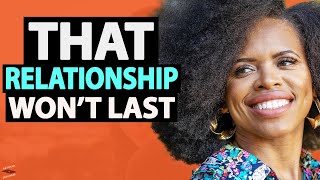
This is a YouTube video titled "Therapist REVEALS The #1 Reason Why RELATIONSHIPS FAIL! | Nedra Tawwab & Lewis Howes" created on March 24, 2021. It features a conversational interview between licensed therapist Nedra Tawwab and Lewis Howes (Lewis AI), discussing relationship dynamics, boundaries, communication, emotional health, and personal growth. The dialogue covers practical advice on setting boundaries, handling emotional triggers, and the importance of prevention in relationships, blending professional insights with personal experiences.
Chapters
Let people know your intention. Let people know what you need because unspoken requests really get in the way of so many relationships.
I think you gotta have a dream.
The School of Greatness. Really? Yeah.
Please welcome Lewis Howes. Learning how to navigate emotions and learning how to have extremely challenging conversations around boundaries is probably one of the most important things we can do in our the relationship with ourselves and the relationship with everyone else around us. But why is it so hard as someone who loves to make people happy, who wants everyone to be happy and peaceful around me? Why is it so hard to set boundaries instead of what I normally have done in the past, which is just please them, do what they want to make them happy so that there's peace in that environment as opposed to create the environment of boundaries and agreements so that I'm not out of Integrity with myself. Why is that hard for someone like myself and so many of us?
Because we're emotional beings. When you talked about us having emotions and feelings, we feel that when we set boundaries and we're constantly thinking about how might this make them feel. And often when we are setting a boundary, we have this dialogue with ourselves that's much worse than what actually comes out. So we're like, they're gonna say this, I'm gonna say that. And it's really a process we go through that talks us away from setting the boundary with the person because we're so scared to really execute what we want because we fear the reaction of what they might say or do if we set the boundary.
But a lot of people react when they don't get what they want. when it's not their way. So how do we just be human beings in relationships when people are constantly let down, frustrated, hurt by a boundary that's set, whether it be an intimate relationship, professional, family, when how do we find the alignment with boundaries as opposed to hurting people when we want something different?
We find the alignment when we speak about our boundaries earlier. So lots of times we wait until something has happened 1000 times and now the person sees it as really offensive that you've come to them after the 100th offense and you're now saying, why did you do this thing? Or I need you to do this. It's like, I've been doing this for four years. It's much easier when we are more in tune with ourselves and we really tap into our feelings of discomfort, frustration, being angry and act. instead of waiting until things are at a point where we can't take it anymore. And so if we speak boundaries sooner, it's much, much easier to set boundaries. And so I, I know that in our relationships already, the boundaries, they're far gone, and we have to do a lot of cleanup. But once we get to that point, let's start moving forward in a very boundary way. It's kind of like, how a parent parents their child. You know, most of them start off with some sort of rules and structure, and they keep going with it. It's not like when you, when you're 16, you find out, oh, these are all the rules. It's like, no, like when you were two, you have rules. When you were three, it's a continual process. And, you know, sometimes we don't like the rules, but as we grow in the relationship, if they're healthy rules, we learn to understand them. It's like, oh, that's why my mom didn't want me out at 4 a.m. When I was 15 and I wanted to do it, yes, it seemed like a crazy thing for her to say, but now it makes sense. I was 15. And so as we grow up, we start to figure out like, huh, okay. So that's why my friend may have said, this is what they prefer in this situation. So the sooner we set them, the better. And if we're not, you know, starting a new relationship, it's okay to go back and piece by piece, just Implement a boundary.
What if you feel like you've been in a relationship for six months or six years and you feel like your boundaries have been violated over and over again, but you haven't taken the responsibility to commute them effectively non-passive aggressively or you know, whatever way that's not effective. How does someone set up the conversation for boundaries? And do they dump all of their anger and frustration of 72 boundaries that have been crossed? Or is it a one at a time process over many, many months and years if you've been together for a longer time?
It's a one at a time process. No one wants to hear the never ending conversation about how terrible they are.
You did this.
You did this. That's not good communication. And I wonder if you have 72 boundaries, maybe they could fall into five categories. You can kind of say, okay, category one, this is the thing that I really want to address with you. And it might not be 72, but it's just a variation of the five things. And so really focusing in on what is the most important, what is the most pressing. And sometimes I'm happy you said like the passive piece, because that's one of the things I talk about in the book. You know, five ways to execute a boundary, passive, passive aggressive, manipulative, aggressive, you know, assertive. That's what we want assertive. But I think so often we'll pretend we don't really have an issue with something. We'll get mad secretly at people. We'll try to manipulate people and they don't even really know what we want. And it's just not effective. It's not. And we suffer longer trying to sit in the silence of, I don't want to be uncomfortable, or I don't want to make this other person uncomfortable.
And what if someone doesn't even know that they've been crossing a boundary? They've been living their life, they've been doing things the way they have been doing them with their intimate partner, and they haven't said anything. Their partner hasn't said that they've crossed anything, but they've been harboring some type of resentment or frustration or whatever it may be towards that other, their partner. And they don't know they're doing anything wrong. How. How can the person who feels like, hey, things are great right now. My partner isn't complaining. There's no, you know, frustration. what can they do to make sure that they're not crossing boundaries? Or is it even their responsibility to be proactively asking their partner, hey, am I doing everything okay? Am I crossing any boundaries? Or is that just, you know, therapy, woo woo talk?
I think that's amazing. If that's something that you do, will most people do it? Probably not. We're not typically proactive about another person's needs. But I do think it's very important as individuals that we know we can shift and change at any time. I mean, I remember being a kid and hating macaroni. And then I remember one day loving macaroni. So like we can change and it can come at any moment. And so yes, this may not have been my boundary one year ago, but today, you know, this thing is an issue for me. And I am talking about it now because this is something that I no longer want to sit with.
Are boundaries the only way to find peace, inner peace and relationship peace?
Because of my broad definition of boundaries, I would say so because I think when we think about boundaries, we think about them as something with someone else. And it's really with us, a boundary could be a morning routine. A boundary could be, you know, having some quiet time after lunch. That's a personal boundary that you honor for yourself. And so that does bring you a lot of peace. And so when we think about boundaries, it's not just all of these things that we need other people to do. It's also what we need to do with ourselves.
What happens when we don't live into our own boundaries with ourselves? Not even other relationships, but just our own relationship with ourselves.
I think we experience a lot of frustration Self betrayal. I think we get really upset at ourselves. I think it causes a lot of anxiety and depression and, you know, feeling out of alignment because we're not honoring those things that we say that we want for ourselves.
So how do we set the right boundaries for ourselves and how do we set them in relationships as well? And are they is it different conversations? for different types of relationships or is it the same conversation?
It's the same core conversation. You know, it's identifying what the issue is, communicating that and really stating what you need. Because I think sometimes we think we're setting a boundary because we tell people a problem, but a problem is not a need. So it's so sometimes we'll say, I don't like it that you're late. And that's it. And we're like, I set a boundary. It's like, no, well, you didn't tell them what you needed them to do next. next time. And so it's very important that you state what you need, not just the problem. I think the problem, we're so, you know, we're used to talking in terms of problems, but really focusing in on this is what I need, this is what I want, this is something that makes me feel really safe and comfortable. I love it when you do blank can be really helpful. And yes, we can use that strategy. in multiple types of relationships with ourselves. I think the biggest challenge that we have with honoring our own boundaries is the self-talk. So often I hear people say, I'm going to try to quit eating bread. And it's like, you, gonna try it or you gonna do it? Because trying sounds temporary. Doing it sounds like a real thing. And how do you do that? You have to hold yourself accountable to this thing. No slight against bread, I love it. But you have to hold yourself accountable to this thing. And so that's one of the areas that we really struggle in. It's much easier to say, My problem is with this person, and they need to do blank for the relationship to improve. But sometimes it's us needing to be better listeners. Sometimes it's us needing to keep certain things to ourselves because this person can't really handle listening to it. So a lot of it falls on us. And that is the interesting piece about boundaries because so much of it, just on Instagram and everywhere you read, it's like, tell these people to do this. And it's like, what can you do for yourself?
And what if you've communicated the boundary to someone in your life, intimate partner or not, and the boundary continues to be crossed. Maybe they try a little bit, but then eventually time passes and they fall into their pattern or their habits of crossing the boundary, whatever it might be. How do you renegotiate the commitment or reagree or when do you know that, okay, this person is not honoring my boundary, my request, the agreement that we've set out together. Do we cut this person out of our lives? Do we, you know, just be passive aggressive towards them crossing our boundaries forever? What's that look like?
So John Maxwell has an interesting quote in one of his books where he talks about changing the personality of your employees. And he talks about hiring the people that you want to have in the role because you like them. Because if someone is not friendly, you can remind them to be friendly and they can do it for a little bit. So let's say it's on a scale of one to 10 and they are at a two naturally, you can get them to a four or five. You may not get that person to a 10, but we have to see four or five as progress. And so when people, when we're trying to I need you to do this thing. One, we have to be patient because this is something we may have been thinking about and something that is just disrupting our spirit. And this person had no idea. This is new information. Allow them time to process and actually practice. As humans, when we practice stuff, we don't always stick to it. And so reminding them, hey, This is what we talked about. That might be a natural part of the process. Once you see that you've reminded someone, maybe more than you want to, you determine what your more is, right? Or once you see that this person can't even get to a three, they're still at the two, then you have to decide how you want to proceed. and that could be maybe changing your expectations of the person and dealing with it. Maybe it's, you know, severing ties in the relationship. Maybe it's speaking to them less frequently. You know, maybe there are so many things, and I don't think there's one that works for everyone because there are so many people who say, well, I can't cut my mom off. I can't cut my dad off. And so, you know, maybe if you're not comfortable with that, you can't cut those people off, but. Could you talk to them less frequently? Do you have to talk to your parents every day or can it move to a few times a week and seeing how that feels? So there are lots of things that you can do. I think cutting off as well, yes, that is a boundary. It depends on the level of toxicity in the interaction.
Right. And do you think it's egotistical for us to say, you know what? I need this boundary and I have this boundary with these people and don't do this to me and you can't do this and I want you to change your personality because I need this to feel peace. Is it too egotistical for us to have these boundaries or what would it look like? Is it possible to allow zero individuals to trigger our emotions and to us be peace? no matter what is happening around us, if someone cuts us off in the street and crosses our boundary physically, if someone says something to us in an argument, if someone shows up late, is there a way that we can just be peace and not need boundaries? Or is every person need certain boundaries?
So the first part of your question, it sounds like you were referring to rigid boundaries where you are like, these are absolutes. They apply to every single person, and I must my boundaries. I don't think that that's healthy because everyone doesn't need the same boundaries. And so they are, they're a unique experience based on the relationship. You know, every co-worker doesn't need the same boundaries with you. And so we have to be in relationship with people and see how things go and what we're comfortable with and what we're not comfortable with. And that's how we determine the boundary. There's no, I never loan people money. Maybe, you know, this person borrowing $10 for lunch and they really give it back tomorrow because they forgot their wallet. Maybe that's not such a bad thing, you know? So if you have a rigid boundary of, I never, you also don't help people sometimes when they really need it. And so being very intentional about when to execute the boundaries is really important. You've mentioned, is it possible to just be at peace without boundaries? Yeah, if you lived in a space all by yourself and no people around you and you could control every single aspect of your life now, is that possible? I don't know. I think of traffic signals as boundaries. I get so upset when I'm stuck at a light and it's just flashing because everybody around is like, what are you gonna do? What are you gonna do? And it's like, nobody's going. Like, we need the boundary of this light. And so, no, I don't want to exist without boundaries. Please come fix this light. And so that's how I think of relationships. It's not working. It's like everything is like, ah, it's like, come on, drop a boundary. Drop a boundary here.
Yeah, I think structure is a powerful mechanism for life. Just having a time where you go to sleep, having a time when you wake up, you know, cleaning your space, going to. I just remember being, I was a boarding student in high school and in middle school. I went to a private boarding school. And I remember everything changed for the better when I, when I was essentially not forced, but structure was created for us to wake up at 6am to clean our room and make our bed, to do the morning, you know, Bible lesson, to go to school, to then have practice, then have two hours of study hall every night with the door open. It like You didn't like the structure sometimes, but I remember at the end of the day being like, oh, I'm a better human being with structure. And I'm actually more creative with structure as opposed to having no boundaries, do whatever I want. I can do anything, anytime. You feel more productive and more creative in my life with structure. So I think it's, I think you're on to something. If we had no traffic lights, it'd be chaos. So creating these boundaries are important.
Yeah, I used to be a juvenile probation officer in Detroit very early in my career. And I had kids who were at home in the community, and I had kids who were in placement, which is jail for adolescents. And we would take these kids who were failing. They never went to school. They were committing petty or major crimes and put them in these placements. and the structure. I meant you would get six months later, this would be like a different straight A student playing with peer sort of kid. And I'm like, Whoa, what do we do here? We implemented some boundaries. And it literally changed their lives in a matter of months. And I was like, oh my gosh, like this is unfortunate, but it's so important, and it's so, such a good lesson for us to see that boundaries are so important. So even in your family, you need to have a time to wake up in the morning. When we send you back home, this is going to be your schedule because we now see that this actually works.
You've been a licensed therapist for over a decade. I think it's 12 going on 13 years right now, I believe. What's the biggest challenge emotionally in the last two years you've faced? that you've had to do therapy on or you've needed to do more work on. You do so much for so many other people with your content online and, and prac and practicing this. But what is the thing that you've still struggled with the most?
Yeah, I think the, the biggest thing that I've struggled with in the last two years is adjusting to the space of Instagram because it wasn't necessarily a part of my plan. I knew I wanted to graduate and own a private practice, and I wanted to use Instagram, but I think the way that it has grown, I've had to scale back in my practice. So I've had to, like, delegate some things and, you know, kind of reconfigure my passion. And so for me, it's like, I want to and I want to do this. And so for me, my personal therapy has been about the journey of merging the two without being overwhelmed, because it is really important for me to continue to be a therapist. But now I'm also in this space of being a, you know, influencer on Instagram. And so it's a really interesting and fast-paced growth. And so having someone outside of both of those worlds to bounce this process off of has been really helpful. And yeah, it's just been really helpful to talk about that because I think any life transition, there's so many steps to it to get really comfortable in a new role. And so my therapist will even sometimes say, remember when you had 1000 followers? Remember? when you said you wanted to write a book, and now it's out. And I'm like, oh my gosh, like this is, you know, so it's like talking to a motivational historian who pushes you but also triggers you.
What would you say is your biggest trigger in life right now, either in personal relationships or life?
Hmm. You know, I think, demands on my schedule. And one thing I've been practicing reciting in my head, like, as people professionally, personally, all these spaces are like, you can do this, you can do more. And I'm setting boundaries in these spaces. I have to constantly remind myself that people are not aware of how much I can take, and it is my job to communicate that to them. because even when things seem effortless, they're not. It's a lot of work that goes into preparing dinner or creating a post and running a business. There's a lot of moving pieces there. And if I want people to understand that, I have to be the person to communicate it. Yeah.
And do you think it's important for every therapist to have a therapist?
Yes. I first went to therapy in grad school, and it was a recommendation in a class because in these classes, we're talking about super heavy stuff. And there were a few students who would use it as a therapy session. And one of the professors said, you know, you get 12 free sessions through the school. So go. And I was like, we do? Okay, I'll go. And so I went. And it was a wonderful experience. To literally have someone just sit there and listen to you, like they're not talking about themselves. And when they do, it's so tiny. It's just a little tiny droplet of, listen to me. And the rest of it is, uh huh, -huh. And what did you think? I'm like, can I do this daily? No one's listening like this. And so I liked it. I took my 12 sessions and I took a break for a while and just at different points, you know, I've kind of hopped in and hopped out, you know, sometimes, you know, once a month, sometimes every other, sometimes every other week, it just really depends on what's going on in life. But to be a therapist, it's important to know how that process works and also how you make people feel.
Yeah. And what was the last, what was the biggest aha moment for you since starting therapy to now? Is there a specific session or period of sessions that really tapped into something for you that allowed you to unlock something new for yourself or let go of something that was holding you back?
Yeah. The first time I went to therapy, I was really struggling with A friendship. And I remember venting about the friendship. And the therapist asked me something that was just-- I just dropped my jaw. I was like, she was like, why are you still in the relationship? And I never thought about that. I was like, what do you mean? It's my friend. And she's like, okay, tell me more. What other things are keeping you there? And it was nothing.
It was nothing.
And it was just like, wow, what a magical question. Like, you know, what are you getting from the relationship? Because, you know, if you hear someone saying, like, this person is gaslighting me and they're doing all of this stuff, it's like, okay, so tell me, what are you doing there? I'm taking it. That's what I'm doing.
Did you end up getting out of that relationship or. Letting go that eventually.
Yeah. Eventually. Yeah. You know, I think with relationships, I'm much better at it now. But, you know, I was early 20s and at that time, I didn't think it was a big enough deal because I think many of us, we sort of feel like it has to be a big reason to leave a relationship because it can't be something as small as this person doesn't listen to me, right? It has to be like, they stole my account info. It needs to be something really big. And that therapist taught me, no, it doesn't. It just has to be something that is consistently an annoyance. I'm like, you mean if I'm consistently frustrated and that could be a reason to leave? yeah. I'm like, oh, okay. I'll remember that next time.
Yeah, that's good. I think a lot of us, I hear this a lot from people. They're like, we've been childhood friends. We've known each other since we were seven. And now they're in their 20s or something. And they're, they're, they have completely different interests or different life paths. And they try to like hang on to this friendship sometimes, but they realize they don't have a lot in common or it's not supporting either of them. but they hold on to the past idea of, well, we've known each other for so long, so we have to stay friends. What I'm hearing you say is if it's annoying both people, you don't have to be in the friendship, right?
Yeah. Yeah. Historical relationships, even, you know, within the family or with an employer, sometimes we'll stay because, you know, well, this is my 10th year. This is my 11th year. I like my co-workers but you haven't gotten a raise in five years. you know, there are so many reasons that we'll find to really hang on to these situations that we're no longer happy with.
Yeah. Do you think after a relationship breakup, we should take time to heal, process, how much time do you think we should take? And when do we know, when should we know if it's a good time to start dating someone or people again?
So this is always interesting because I believe, I believe we can heal in relationships and I believe that we can heal on our own and it really depends on the person. And I say we can heal in relationships because how do we know if things are working if we don't practice?
Yeah, it's easy to be alone. Well, it's not easy to be alone, but it's easy to be alone and say, okay, nothing's bothering me anymore. But you're not in the environment of the potential for something to bother you. Right.
Yeah. And so it's like, I don't need anybody anymore. Yeah, because you're single. But let's see what your level of attachment is once you're in a relationship. And so it is really important to practice the skills. And that doesn't always mean being in an intimate relationship. It could mean, you know, practicing the skills, maybe in your friendships or with other relationships. But I think that the reason for the breakup and the level of frustration, discomfort, abuse, or what have you in the relationship definitely determines how long you need to be single. Can you go from an abusive relationship to a new relationship the next week? Probably not. There may need to be a window of personal healing, not even relationship healing, but personal healing before you can be in another relationship with a person. If you were dating someone and you all kind of decided, Hey, I don't like you anymore. Could you start dating someone new next week? Sure. So it depends on the cause of the breakup as to whether this is something that you can do well just getting into another relationship. So it's not an absolute never do it or always do it. It is more of a being aware of your circumstance and what could be beneficial.
And with all of your years as a practitioner, what is the common thread that you see in a lot of relationships or dysfunctional relationships that aren't working or the arguments or the the breakdowns that are happening. What's the biggest fear or common thread you all you tend to see often in many of the sessions that you do?
The huge assumption that people know what we want based off of their common sense, based off of our body language, what they know about us, what they should just assume about Relationships in general. And many people aren't coming from, you know, healthy relationship backgrounds. Like, you know, sometimes their parents didn't have a great relationship, so they don't have the tools to be in a healthy relationship. So they are learning in this relationship. So it is important to tell people what your issue is, what you want, what would you, you know, what you want to eat for dinner, all of these things.
Because you mean, we can't read someone's mind and see, know what they went, where they want to go.
He should know what I want to eat. He's asking. I don't think he knows. You know, I think it's this thing that we just, we feel like love is they should automatically know what we want. Like, that's a part of love. Just, you know, know what I want, and that's how I will feel loved. And I think a part of it is us communicating more. And maybe, you know, once we order the same thing over and over. The person can say, hey, I know exactly what they want. But we have to first say, hey, I want you to order my food for me. Watch me practice. You know, like, let people know your intention. Let people know what you need. Because unspoken requests really get in the way of so many relationships. And people, you know, they'll sit with this for years, you know? the long engagement couple. We were engaged for three years and it's like, okay, so you've been married 15. So did you ever say during this engagement that you had-- no, I just thought he-- okay, well, he didn't get it. So we can't go back 15 years, but I wonder what you need to hear now that will make you feel comfortable. You know, what, what could help you now in this situation? Is there, you know, something that we can do today? So if it's not assumptions, I would say the second thing is holding a grudge. Um, and more times than not, the person has no clue about the grudge. Um, I often laugh about the couple who's not having sex because. One of them is not cleaning the house, which is a common dynamic. It's like, I don't know what happened. It's like, well, this person is secretly upset at you because you're not helping with these other things. And you don't know that because they're not communicating their need for help. So this is my job to tell you this is why you're not having any more sex.
So assumptions, holding a grudge would be the common themes.
Yeah.
Let's create a hypothetical scenario here. Two people are going to are going out on a date. They're meeting for the first time. The date is going well. They have chemistry, they have a connection or they have feelings of chemistry and a connection, let's say. They like each other. There's something, there's something, there's a spark, right? Whether it's a sexual spark or emotional spark, whatever it might be. they got something that's like, oh, that's, I want to see them again, both of them. What should be three questions? Hypothetical scenario. If you could only ask three questions to the person in front of you to determine whether or not they are going to be a potential good fit for you in the future, or you're hanging on to this spark and going down a bad path and it's not going to work out, what would you say of those three questions that everyone should ask whether they're uncomfortable or not to know whether you're at least setting yourself up for a good chance at a potential positive relationship.
I think love language, a love language question is important. So do you know your love language? If so, what does that language mean to you? If you like words of affirmation, give me some examples of what you mean by that. Two, I think it's important to know how a person communicates. Would you consider yourself to be more assertive, aggressive, passive? Give me an example of that. Because sometimes people example of I'm assertive is I tell people like it is. And it's like, oh, that's typically not assertive. That's aggressive. So it's important to know what that means in. When you have an issue with something, how do you talk about it with the other person?
And what if someone's love language is something that you don't like to do?
Well, we can't date ourselves. And so sometimes we have to get a little bit comfortable with doing things for people because it's not just about dating relationships. Everyone has a love language. So when you have a child with this person, Your child will probably have a different love language. Would you say, Hey, I'm not doing that because I don't like it. Or would you do it because you want to show your child love? I think you do it. And so I think you can also do that for a partner. And so it doesn't have to be something that you, oh my gosh, I love to rub backs. But if this is pleasing to the other person, Can you rub your partner's back maybe once a week? Perhaps it's not something you get into every day, but if this is a way to say, I love you, and for this person to see it, is it harmful enough that you want to risk your relationship? Or will it be a growth strategy? I think it's a growth strategy.
Do people unconsciously tend to choose someone or be in a relationship with someone who's got a different love language than themselves? Does that happen a lot? or do we find people that want love the same way? For me, I'm words of affirmation and physical touch. You don't have to buy me anything. You don't have to do anything for me. I don't need service. I can pay for all that stuff. You know, I don't need any of that. I just rub my. Rub my neck, touch my hand, and tell me you love me. You know, it's like, I'm pretty simple, but is it. Is it more challenging to find someone like the same as you? or do we typically find people that are not that way?
I think we do find people who are the same but in different ways. Like you said, I like for you to touch my show those things actually mean because we may have a different idea of what that is.
What's your love language?
My love language is words of affirmation and acts of service.
Hmm.
So I say thank you a lot to people because I love when people say thank you. So I'm, I'm very much like, oh, my gosh, you look nice today. I love your hair. You're great. So that's super easy for me. And I realized that for some people, that is so hard, and they're not being mean about it. It's just they're better at gift giving. But once you communicate to them, because we have to express to people what we like and what we don't like, you know, I'm okay with a gift, but because I'm acts of service, can you get me something useful? I really like something like, give me a subscription to the car wash. You feel love.
Yeah.
I feel love if you buy me a membership to the car wash or something like, you know, like something that's gonna, like, do something because I am acts of service. So it's not that I totally don't care about gifts, but. type of gifts, you know, it is characterized by my love language a bit.
Do you feel like if we never learn to heal the traumas of our past, whether they're big traumas or little traumas, whether they happened one time or frequently, are we always going to be messed up if we don't learn to heal the traumas of our past? Or is there a way to be a functional, loving, peaceful human being without healing?
Are we going to be messed up? Well, I think there takes a certain level of awareness to be messed up. Like we have to be aware that something is off. Can we pretend our whole lives? Absolutely. I think there are a lot of people who pretend that everything is okay for their entire lives. Is that a healthy way of being? I don't necessarily think it is, but it is functional because it is very heavy and hard to deal with your trauma, to deal with your stuff. And so for some of us, it is more functional to pretend that we are not bothered by certain things.
What happens when we live in that pretend world?
I don't think we get to achieve being our authentic selves. we don't get to that space because we're not, we're not doing anything to, to be there. We're not thinking about the things that have impacted us. And when you say, you know, little trauma, big trauma, I think there are so many things that impact who we are, whether it was, you know, abuse, your parents being divorced, a car accident, a sports related injury. There are so many things that It's just so helpful for us to process, to talk about, not even to fall into pieces, but to just come together a bit more because there is learning in the experience. And when we're not addressing the trauma, we are acting it out. So whether it's, we don't like certain noises, we don't like certain smells, I don't like when people touch my shoulders. All of those things have a origin. And so it's so important to really connect with that because it's hard to get past somebody touching your shoulders if you can't even talk about the experience that brought you to that space.
When we react in life in scenarios, whether someone's touching my shoulder or someone across the boundary, and we react with anger, what is that saying about us? when we react with anger in our life? Is it something, is there a route to that anger that we haven't addressed? Are we able to address something and heal it and still be angry around it? What does that mean about us when we come from that place?
I think anger is okay. I think us acting in anger, it makes me think of us being destructive with our words or physically. It makes me think of us being volatile, but feeling angry is okay. And there's nothing that, you know, we need to do with that necessarily. But when we start acting in anger.
Whether it be yelling at someone or punching something or screaming or negative reactions on the comments, anything like that, right?
Yeah, I think of anger as a really passive, aggressive response in general, because what you're angry about in that moment has very deep roots. And it's coming out as someone moved your thing, but it's really going back to this deeper thing of people are always touching your stuff and you don't feel safe. And that's not anything that just happened in this situation. I just moved your jacket.
I was just trying to help you here. Yeah.
I was just trying to get your jacket off this chair. So it's completely displaced and it's really helpful for us to get to the root of it. Sometimes with road rage, what I've told some of my clients is, as people are driving, one, you have to remember that they don't know you. They don't know you. So they're not saying, hey, how can I cut Lewis off today? They don't know you. Like they're literally driving on the road, they're distracted and they remember, oh my gosh, I need to get off here. And they just go. It's not personal. They're not trying to harm you. And so it's so important to remember that as people are having reactions to life, to the world, a lot of it has nothing to do with us, with the situation, that there is something deeper going on. And it's not necessarily our job to penetrate that. that is their work to do.
What does that work look like when we are reactive or acting out in anger in different ways and maybe it's been happening for years or decades? What does that look like besides just acknowledging it and being aware of it? What type of work could we do?
Sometimes it looks like a good long cry. Sometimes it looks like stepping outside and yelling. Sometimes it's talking to a therapist, having deep dialogue with a with a pastor, a counselor, a coach. It looks different for everyone. There is no one way to heal, but I think of it as a collective experience of stuff. So just because you go to talk to a therapist does not mean that you don't need to read any more self-help books. It's like, do all of the things that make you feel better. And so the experience of healing from this stuff that you haven't spoke about, you know, I don't think it's comfortable. And that's one of the biggest things people will bring up is, oh, my gosh, it's difficult. And it is. It really is difficult to continuously set boundaries, to really honor yourself. That is not easy work. It's not, you know, it's not easy being aware of your emotions and really communicating that. to other people. It's not easy. But I tell you what, it feels a lot better than hiding. It feels a lot better than trying not to feel because that's a lot of work. That's a lot of work to not feel.
Do you know people that come to you in the beginning of a relationship when things are really good?
Yes. I love when people come to me at that phase because it's really skill building. So at that phase of things, we talk about Really fun things like these are the appropriate ways to argue. You guys don't have any arguments, right? No. Okay, great. But if you did, this is what you would do. And we talk about extended family relationships. How do you want to handle those? We talk about financial issues because that's a big reason for divorce. We talk about whether or not they want to have children. And if so, how do they think they want to parent? So it gives us space to really talk about some things that are not necessarily problem focused, but prevention. And that word is is is so worth it. I, you know, I wish there was some mandate to say, you know, within the first year of dating, go talk to someone so you could talk about these things in a really proactive way because often when when people come to therapy, it is in reaction to something happening in the relationship.
I am so for this mentality of prevention or prehab in the sports world where it's like, go do stretch and exercise so that you don't get sick. Not when you get sick, you need to take medicine. Eat healthy so that you stay healthy a long time and not have to go to the hospital and get sick. And, I think the same goes for relationships. invest in prevention tools or prehab tools, whatever it might be, to prepare yourself so that you don't need to get to that place. So you don't need to hurt yourself in a relationship and then learn to heal. You're preventing beforehand. And this is something that I think is extremely important to do. Like, if you're with someone for three to six months and you're like, okay, now we're gonna be exclusive. For me, it'd be amazing to just jump into therapy right then. and do it weekly for a while just to be clearing all these things before you need to clear them. I think it's a game changer. And I'm curious, you mentioned money as.
Being.
One of the major reasons people get divorced. Is money typically the main thing or a common thread?
Communication, I think number one is communication. So people, feeling like they argue a lot, they're not able to get along that sort of thing. And then money is right up there next to it. I think I consider that a communication thing. Sometimes we have roles in our relationships like he should handle the budget, but sometimes he is not the best with money and you're better at budgeting. And so in that phase of things is really helpful to talk about what could work for your unique relationship and what is traditional and what is necessary. Because sometimes following tradition may not work for your relationship and you'll have some couples who really fight about this is how it should be when it isn't really that way and we have to accept that and just roll into something that works for the relationship.
What is it typically about money? that causes so much friction in relationships for people.
How we spend it, accountability. You know, we spend money differently. Like some, you know, in lots of relationships, someone is a spender and someone is a saver. One person values spending money on this thing over this thing. Sometimes it's helping extended family. How much do we do that? There are so many conversations within the money dispute that couples have that they really do need some boundaries around. Like, you know, if you want to loan money to a family member, perhaps it has to be talked about without you, like, doing it in secret from this joint account, you know? So there are so many issues within that financial piece that some healthy communication can really help with.
And you mentioned how you've been doing things in your relationship, the traditional style of how money has been handled in the past relationships and then what's necessary. With so much that's evolved in our society, especially in America here in the last 20, 30 years, with both partners having dual incomes more equally than they were probably 20, 30, 50 years ago.
With.
Both partners being more driven and career focused in their 20s and mostly in some of their early 30s as opposed to having kids sooner, these things evolving and shifting. How should we be thinking about money in a new way in our relationships? And if both parties are not equally, but both on a process and journey of earning their own money and having their own careers and having kids later, should we merge our money? Should it be separate since both are productively earning? How should we look at that moving forward?
So that is one of the things we process. Do you do it together? Do you do it separately? Because most folks will say, well, we do it together because that's what you do in a relationship. And some people are more comfortable doing it separately and saying, you know, here's your side of the the bills. And here's my side of the bills.
And I spend it on what I want to spend my stuff on. And you spend your money and you want, and I don't want to stress about it.
Yeah. I don't want to police your money. I don't want to say, you know, why did you give so and so a hundred dollars or why did you. And then there are some people who prefer to talk about it. And so I think it, it really is a conversation to be had and not something that you just do because, oh, this is just. how you do things. But why do we do this? Why are we doing it this way? Is this way working for us? So it's really valuable to have the conversation of what could actually work, not what is, you know, what your friends do, what your parents do, but what could actually work for your relationship, because the Dynamics here are very different.
How do we have those conversations when people have this expectation of the traditional way things are done? in dating Dynamics, marriages of the past and where we are in the present. How. How do we have that conversation and not offend someone or hurt someone? Well, my dad did this for me, and my mom did this, and this is the way it's supposed to be. Like, it just seems like it's so much more confusing and challenging to communicate with the different expectations that are out there right now.
Yeah, I think we have to take the my, my, my eyes out of it and put in, like, we what could work for us. because the, the, my mom, my dad, my friends, it's, you're really making the conversation about you and not the both of you and what could actually work. And what could actually work is something that's a little different from other people. And so just really, I know it's hard when you think that is the only way, like that traditional landscape, and it could be, it could work for your relationship, but if it does not, and we know because, you know, we're having this issue with it, so that is a sign that it is not working. So what else can we do to repair this situation?
And if we didn't grow up in an environment where we were able or seen how to express our feelings or seen how to communicate effectively, how do we learn how to do that in future relationships when our model of relationship or communication styles have always been less open minded, I would say.
Well, I think sometimes your environment certainly teaches you what not to do. If you came from a situation where your parents were combative in how they communicated with one another, perhaps you could learn to be less combative.
And if that made, if that made you feel unsafe or scared, then you're like, I don't want to repeat that.
Yeah, I think sometimes people will think, well, I don't want to argue at all. And that's not healthy either to be conflict avoidant, but how can you argue in a way that is not combative? And that is possible. There are tons of books and videos and all sorts of ways we can learn. But I think the biggest thing is communicating your need, just saying it and practicing doing that more because sometimes we'll say, I don't know what to do. I don't know what to do. But we have a lot of skills already. We've, you know, we've watched years of TV. We've done, we have so many skills we can already tap into. So what do we know that works? And how do we start to practice that for real in everyday life?
And I want to, I don't want to, I want to say, generalize this, but In the past in America, you hear often that men are less willing to express their emotions. Maybe they didn't grow up in an environment where it was okay to express themselves or cry or say how they truly felt for whatever reason. I'm not saying all men are this way and some women might be less expressive of their emotions as well. What if your partner isn't open to expressing themselves in general because they grew up in this environment that didn't cultivate sharing.
I've certainly heard that too, that men don't express and they don't open up. And my favorite clients are my male ones because they come into that space and they are so open and vulnerable. And it's like, oh my gosh, you're doing the work. Yeah. Our biggest realization has to be that we can't change people. And you're working with years of programming. And so if this person wants to be different, they have to claim that. You can't claim that for them. You cannot make this person who's had, you know, 30 years of being emotionally shut down, open up. That is something that they have to want to do. And you can gauge that by asking them, you know, Do you want to talk more about your emotions? Because I'd like to hear about them. And if they don't want to talk, what do you do with that information? Do you want to stay in a relationship with that person? Do you want to modify your expectation of them? But we certainly can't make a person who is not ready to talk to us about things talk. I do think that I have a family that is lots of guys in the family. And so I have found it helpful to just name an emotion when something is happening. So at Grandma's funeral, just saying, yeah, you're really sad. Just naming the emotion can be really helpful. So if they don't talk to anybody else, it's kind of like, I'm feeling away. And it's like, oh, wow, you're talking to me about something. I've made them feel comfortable just by talking about certain emotions very openly. You know, when people, oh my gosh, they irritated me. Are you frustrated? You know, just throwing words into everyday language so they know that, you know, I recognize this anger is really sadness and disappointment. Yeah, that was really terrible that they did that to you. Yeah, I could see how you could be so frustrated. just naming the emotion can be really helpful because sometimes when it is a man, we just take it as is and we think that he can't change. But our modeling sometimes and our language around certain things can be helpful.
Yeah, absolutely. And I think, you know, I've been, I've done many different types of therapies over the years, but it's been extremely helpful to analyze and assess and express and feel the different emotions that might be, I might be holding on to from past experiences that I haven't dealt with yet. And I think it's a, it's a powerful method to feeling safe in a space where you can do that. If you don't feel safe in your relationship or with your friends or people make fun of you or, or whatever, they're not supporting you, then it's It's always a good place to go to a therapist, in my opinion. Do you think it's possible to be fully healed from these traumas of our past and, and fully let it go? Or is healing a journey we have for the rest of our life and comes and goes from past again, big T, little T, that will, will always be healing and recovering from something. Or is it possible to say, you know what? Yeah, I've fully addressed this. I've fully healed. I've let this go. It does not consume my emotions or my thoughts anymore.
I consider being healed, being aware of the trauma, and working through the triggers and discomfort. So I would say, yes, that is a continuous process, but I think that is also healed. Healing is coming into the realization of, oh my gosh, I have these issues. What do I do with them? And being healed to me is really applying the tools consistently. So I do think that you can be healed. Do I think that you can forget your trauma? No. But I do think that you can be healed from your trauma, meaning that it no longer has the hold over you that it once had.
And you've created those Positive coping tools to, okay, I'm feeling this in a moment. I have the awareness. Okay, this is not an attack against me. I'm gonna process this and get back into my vision of my life and or whatever my my tool might be.
Yes. Yeah.
I like that. Creating those tools for yourself. I'm always fascinated about relationships. I'm gonna keep coming back to relationships with you. What? What is something we should do at the end of every week? whether it's a Friday, Saturday or Sunday for you, but you're with your partner, you've got 30-60 minutes of alone time, no phones, and you have an opportunity to connect eye to eye, heart to heart. What should that experience be like on a weekly basis? What should we ask each other? What should we share to continue to strengthen the relationship and build week after week?
I think we should be connecting. I don't know if connection would be a conversation or if that would be an activity together. I really like to play like these deep question games or sometimes playing like just, you know, party games. I think that's a beautiful way to connect and to remember that, wow, we are really together. We have the same answer. Like 30 minutes of that. It's like, yep, we're one of the same. I love it. this is why we're together. And that feels like the best connection each week for me, just being reminded of the why and having the warm and fuzzies for your partner. Because sometimes if we're not connecting, whether it's through conversation or activity together, we can forget. We can forget why we're here.
What's the question you wish more couples asked you or individuals in a relationship when they come to you, what do you wish they would ask you?
This is a good one. I had a woman ask me a question. How do you stay with someone for a long time? And I said to her, you accept them. And she was like, I've never heard that before. I say, yeah, because most of our relationships, we are spending our time trying to change the person. instead of saying to them, yeah, he won't watch this. We're like, no, come on, watch it, watch it. It's like, no, he doesn't want to. And that's okay. You know, you have other things that you can do together. And so I think a relationship should be a celebration of differences, because clearly you have something in common. That's why you all are together. But in terms of everything needing to be the same. And you all needing to be in line with everything, that's just not possible. And I think the sooner we accept others differences, the happier our relationships will be. I am married. I've been married. This is going into 11 years. And I remember, I don't like sports. And I remember early on saying to my husband, you know, in a joking way, would it please you if I watch football with you? And he's like, no, you don't. you don't have the right energy while watching.
I bless you.
You right, you right. Because I'm like, why are his pants like that? Does he always wear, you know, like, I am terrible at watching sports. Now I'll get into somebody's personal story. Like, isn't that the guy whose mom has the, you know, I'll get into that. But in terms of getting me to watch football, it's not the best use of your time. It's just not. You know, I think a better use is finding some things that we can do together, and it's not going to always be all of the things that you do. And that's okay, because we'll have our time together, and that's wonderful. And so it doesn't need to be, you know, an enmeshed experience for us to be in a happy relationship. We can be two individuals and just as happy.
What are the skills for learning or the tools for learning how to argue in a more effective, positive way as opposed to arguments leading to fights and destruction and resentment?
Tone is so important because sometimes we are not mindful of our tone. And, and because we're not mindful, we'll say to other people, well, you're being sensitive when we're actually yelling. We're yelling, right? And so it's like, yeah, no, the person isn't being sensitive. You're actually yelling at them. Tone is so, so important. You know, it goes back to what we said in the beginning, not holding on to things. If we could speak about things as they occur or soon after, we wouldn't have such heated arguments because the things would be so natural, like, Hey, when you leave out the bathroom, please put a, you know, roll of tissue on the thing. Thank you. You know, like instead of waiting until the 50th time and it's like you never put the roll of tissue, just, you know, very casually say some of these things because it's not that we need to have this overall character issue with the person, but perhaps these are smaller conversations that we can be having. So making sure that we're mindful of the tone, that we are mindful of, you know, name calling and below the belt comments. sticking to the topic is the best thing I can tell people. And I know it's super hard to just say the issue that I have with you today is this one thing.
Not you did this and you did this and this.
Yes. And six months ago, you did a similar thing because the, the issue with going back in time is the other person typically doesn't remember it because it wasn't significant to them. My brain only holds what we need. We don't need to remember. Whether we left ketchup on the counter. Like, that's not anything that I would retain. So if you're coming to me and you're arguing about me always leaving things out and you bring up this ketchup, I'm like, huh? It's like, I can't even recall that. But it's a big thing to you and you've been thinking about it. So it's so important to stay in a zone that people can recall because things in the past, you know, people don't remember them. And they're not trying to be funny. You know, if you ask somebody, you know, where were you last year on such? No one knows. They don't know. Unless something significant happened.
Right? So tone, are we, you said anger is an emotion that is is okay. But is anger in an angry tone? Okay. As opposed to, okay, I'm feeling angry. And let me communicate it. Is there a healthier way to express anger? Or should we just, this is how I feel, I'm going to get it out and I'm angry and you did this and I didn't like it? Or what's the best approach?
So you can be angry and you can speak to your anger, but again, it goes back to tone. Do you need to yell at me when you're angry? Do you need to yell and get it out or do you need to say it?
If someone needs to yell or if someone is yelling, is that effective for the relationship or not?
I don't see how it moves a conversation. I don't know what I've learned by someone by being yelled at by them. When we speak to kids, standard practice is to get on their level and speak in a conveys and say something. and that's when people can really hear you. Because when you're yelling, people can be so accustomed to your tone that they just tune you out, block it out, or they just. Or they just look at your energy and their response is like, I'm not getting into this. So there are so many issues with. With the yelling piece, and I understand the anger and frustration, but if you are angry, perhaps that's not the best time to talk. If you must yell. Perhaps calming down a little bit and then coming back to the topic when you're able to speak through your anger and not act in your anger is better.
Yeah, that's powerful. I've got a couple of final questions for you. But before I ask them, I want to make sure people get your book because I think finding peace is something that we all are looking for, especially in this time right now with a lot of different challenges that are happening in the world. Set Boundaries, Find Peace: A Guide to Reclaiming Yourself. Is there a website that we can go and learn more about the book or any other bonuses that might come with the book?
Yes. So my website is my name, NedraTawwab.com There you go.
It's got all the information there. You've got an amazing Instagram page. That's how I found you. I'm a fan of following therapy pages. to give myself more tools in my own personal life and relationships and becoming a better leader in my business, all these things. And your content is so inspiring. I want people to make sure they follow you over on Instagram, Twitter, Facebook, Nandri toab. You can go find it over there. Amazing tools that you give, and then you go deeper in the book with how to expand upon all these tools and lessons. So make sure people follow you over there. how else can we be supportive to you in this moment?
I would say follow the journey, you know, get the tools in this way in a community. You know, one of the things that I really love about Instagram is people being able to see others in a similar space, because we don't always get that we don't always get to see that there are other people who've experienced emotional abuse. There are other people who have unhealthy relationships with their parents. And so in the space of Instagram, there is community in the comments where you see all of these people sharing their stories. So that's a beautiful way to support me. And the other way is to get the book. It's so helpful to be able to have the work of boundaries all in one place because Instagram is very fragmented, you know, and we can't put everything in one place. But in a book, it's kind of like having this resource guide. And so it's really helpful just to have it as a resource guide around boundaries.
Absolutely. Absolutely. I highly recommend getting the book powerful tools for your life. Three final questions for you. okay, the first one, if you could go, if you could imagine your seven-year-old self in front of you, and you went back in time, time traveled, but your yourself right now, you are in front of your seven-year-old self, knowing everything that's happened in your life from seven until now, what advice would you give your seven-year-old self?
I would reassure myself that It's okay to quit. I remember being a kid and trying this thing and trying that thing, and I didn't like it. And I thought, gosh, shouldn't I be able to do some of this stuff? But what I realized is I wasn't very passionate about those things. And so I needed to keep going until I found the things that brought me some level of satisfaction. And so it wasn't, quitting as a problem as much as it was finding the passion around it. So now I'm happy that I quit a lot of stuff because I feel like I saved myself time doing all of these things that I was half-hearted about, right? So yeah, it's okay to quit.
It's a good reminder. This is a question I ask everyone at the end called the Three Truths, Nedra. So I'd like for you to Imagine this hypothetical situation that you get to live as long as you want to live, but for whatever reason, it's your last day on earth. And it could be a hundred years, it could be 50 years, 200 years, whatever it is, you get to live as long as you want. But then eventually you gotta turn the lights off and go to the next place. And you will accomplish everything you want to accomplish in your life. You live the life of your dreams. Everything happens that you imagine, you manifest it. for whatever reason, you've got to take all of your creations with you. Your books, your work, your content, this interview, Instagram, all that's got to go with you to the next place. So no one has access to your creations anymore. But you have a piece of paper and a pen, and you get to write down three lessons that you've learned in your life that you would share with the rest of us. And this is all we'd have to be reminded of you or remember you by. I call it three truths. What would you say would be those truths for you?
One, I would say becoming yourself is a lifelong journey. Two, be mindful of how you spend your time and who you spend that time with. Three, we have to talk about the hard things.
If you don't talk about the hard things, man, life is hard. Life gets hard if you don't learn to talk about the hard, doing the uncomfortable talking about the hard things. that's a good one. I like that one. Before I ask the final question, Nedra, I want to acknowledge you for the gift you are, for putting yourself out there again on Instagram in a way to help heal and give tools to so many people that are struggling, people that are finding discomfort in their life, people that don't know how to express themselves, how to heal, how to communicate, how to set boundaries. I think setting boundaries is one of the most powerful and positive things we can do for ourselves. And yet, it's challenging to do for some reason. It's hard to create those. So I acknowledge you for showing up and stepping out of your comfort zone to create and provide tools for the rest of us to live a better life. So thanks for your support in providing all this for so many of us. And thanks for creating this book. I think it's going to be a game changer for so many people that that invest in it that actually apply the lessons and the tools which are not easy to do but are necessary. So I want to acknowledge you for all of this. It's amazing what you're doing. And I have one final question and it is, what is your definition of greatness?
Being yourself. That is my definition of greatness. I think so often we are determined to be everything else other than ourselves. So I would say when you can become more of yourself and be that, that is greatness.
Nedra, thank you so much. I appreciate it.
You're welcome.
If you're looking for more greatness in your life, make sure to check out this video right here. And also check out our free PDF, the Three Secrets to Unlock the Power of youf Mind to Help youp Change youe Life. Download it right here.
If you in general have these more benevolent beliefs about the world, you live longer, you're healthier, your relationships.
More from Lewis

The Ancient 4-Step Method That Clears Your Mind and Unlocks Manifestation | Shi Heng Yi







Secret Service Agent: Your Neutral Face Is Making People Distrust You (Here's How to Fix It)