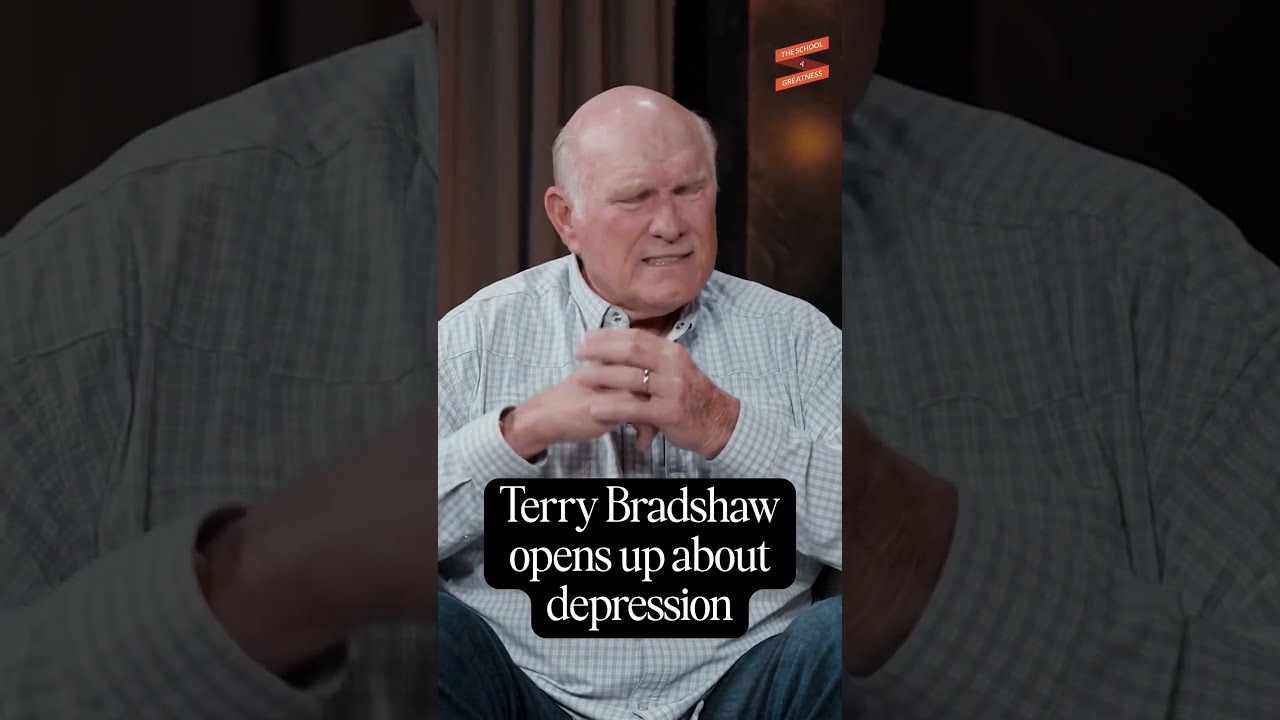
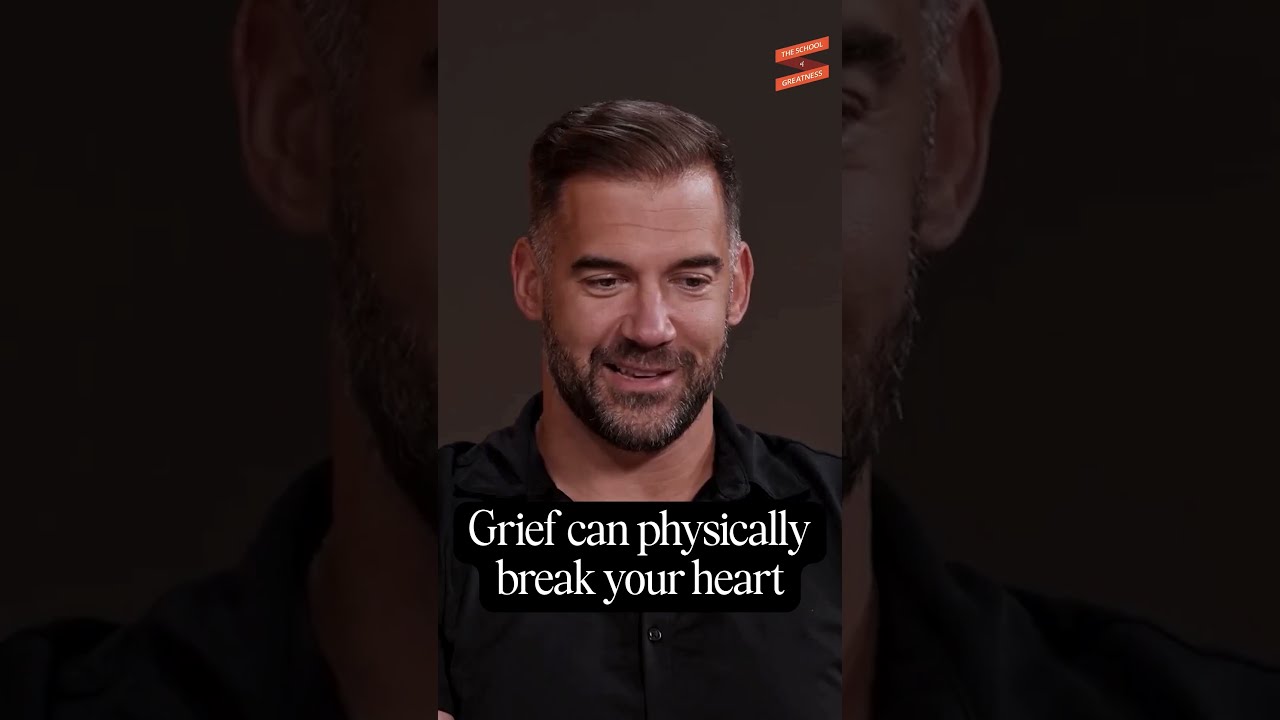
This is a YouTube video titled "Validation is More Important Than Love..." containing a dialogue between two speakers discussing the importance of validation in relationships, how it relates to love, and nonverbal behaviors like mimicry that influence attraction and connection. The conversation explores psychological and emotional aspects of feeling accepted and seen by others.
Chapters
I would actually go a step further with, with valid, you know, how critical validation is. It sounds like controversial, I see that, but I think it is more important than love. I think you cannot have true love in the absence of having been and having consistently been validated.
Not being validated.
Yeah. I mean, if you've been, if there's not enough, if there isn't validation in the relationship, it's hard to feel love. Because if you don't feel accepted or seen, what does the person love?
So love is not enough.
No, you can love a facade, but that doesn't feel good. I can, you know, create all these stories about myself and, you know, filter this and filter that and get all sorts of likes and praise, which is a positive judgment. Praise says, I like how you look, or I like how you perform. Validation says, I accept you independent of how you look or perform. In the absence of feeling seen, feeling accepted, it's hard to feel deeply loved. I mean, we haven't been vulnerable. We haven't shown ourselves, or we have, and the other person has been like, Whoa, that's weird. And we shut that down. Yeah. Right? And so they love the parts of.
Us that we've shown or dressed up, but perhaps not the entirety of who we are. I'm curious if you have behaviors that are not verbal to validate someone, whether it be mimicking or copying, is that.
A way to get someone to be more attracted to you? Yeah, so the research on attraction is often with copying. So we are more attracted to people who copy us, which is like just if you're going on a first date. Always try to copy more. Always try to, right.
So don't do the opposite of what they're doing. Right, right, right, right.
But like, don't be, you know, again, as I said before, I give myself just this little cue copy. That's it. Because if I'm like really dialed in on it, it gets awkward. Too much.
It's too much. You're shifting when they're shifting constantly.
Yeah, yeah, that's right. That's right. Again, we're naturally wired to do this. And so if you just kind of remember it in a moment, that's sufficient. Yeah.
I mean, when you see someone smile, you tend to smile back.
Yeah.
You know, it's like it's just a quick mimic. Yeah, that's right. You see someone walk at you, unless you're like guarded that day and you're like, don't look at me. But if you have an open, relaxed state of being. That's right.
You're more willing to smile when someone smiles at you. A quick gesture, right? That's right. That's right. We see it as almost a common courtesy. Yeah. But it is at a deeper level and when it's used more intentionally to kind of established connection. It can be used in those ways.