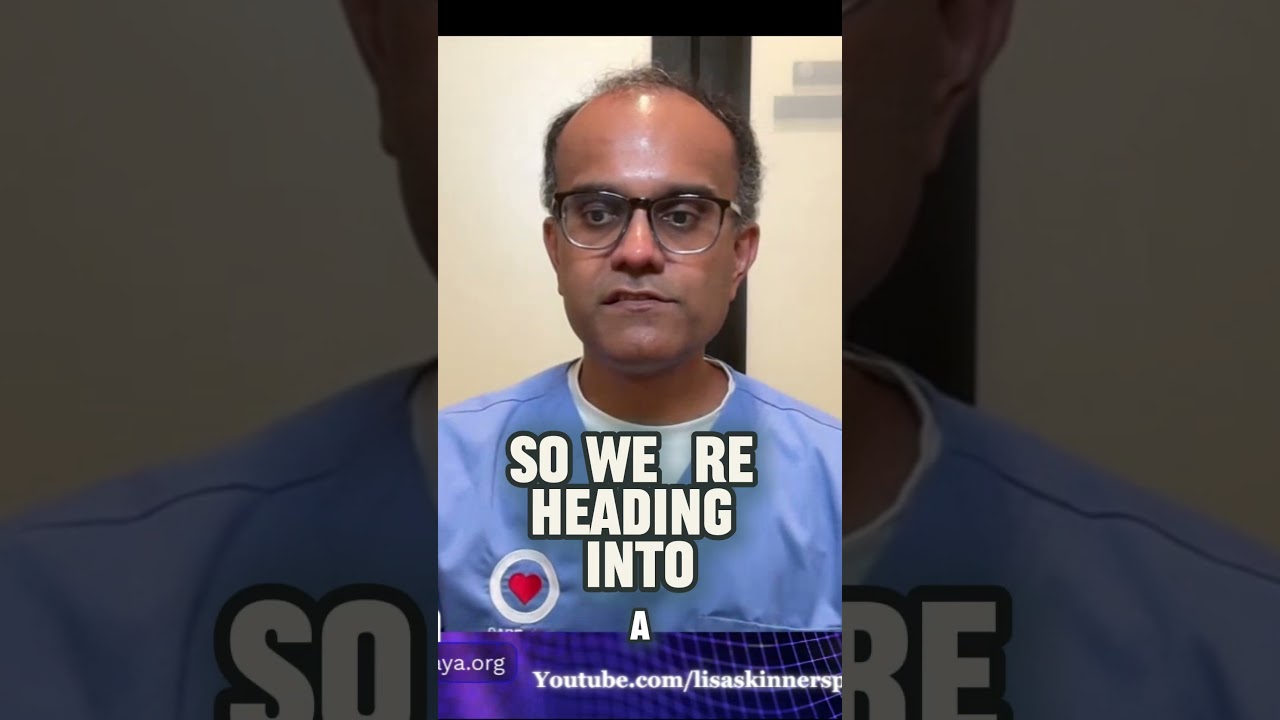
This content was created by Lisa Skinner. This content was uploaded by Lisa Skinner. This is a YouTube video titled "A Personal Story America's Coming Caregiving" (created 2026-05-28). It is a first-person personal narrative in English in which a single speaker describes an emerging U.S. caregiving crisis driven by demographic shifts (aging baby boomers, rising dementia risk, and the projection that by 2030 there will be more people over 65 than under 18). The speaker recounts personal caregiving experiences (caring for a grandfather with dementia and later for a spouse with cancer), describes the burdens placed on family caregivers (including a mother who left her career), and explains that these experiences motivated them to start Cariaya and shift their career toward improving support for caregivers.
Chapters
Yeah, I think that we are heading into, if not already in, a caregiving crisis, you know, in our country. You know, we have a rapidly aging population. You know, the oldest of the baby boomers just started turning 80 this year. You know, if you kind of think about when World War II ended, 1946, you know, here we are 2026. In the next 5 years, we're gonna have a historically unprecedented wave of people turning 80. That's typically the age when dementia rates and probabilities skyrocket. By 2030, our country will be more people above 65 than below 18. First time ever in recorded human history. So we're heading into a big demographic shift that I think is going to impact a lot in our society. I learned this firsthand and I started Cariaya because in my mid-30s I became a caregiver. I went through a very long caregiving experience for my grandfather through dementia. And I kind of realized how broken our caregiving system is and how little support there is and how that results in so many families bearing the burden on their own. I think family caregivers are like some of the, you know, most hardest working and empathetic people out there in the country, and they're getting the least support from government and private sector. So they're bearing a lot of burden on their own. And, you know, in our case, like my mother ended up quitting her career to become a full-time caregiver. So it was really eye-opening for me. After he passed, actually my wife went through a multi-year cancer battle where I became her primary caregiver. So I've kind of gone through this firsthand twice and realized just caregiving is so undersupported. And, you know, I kind of wanted to do something, so I shifted the whole focus of my career and my work into improving things for caregivers, you know. So that was kind of like the genesis of how this came about. And






