The Sandwich Generation: How to Care for Aging Parents
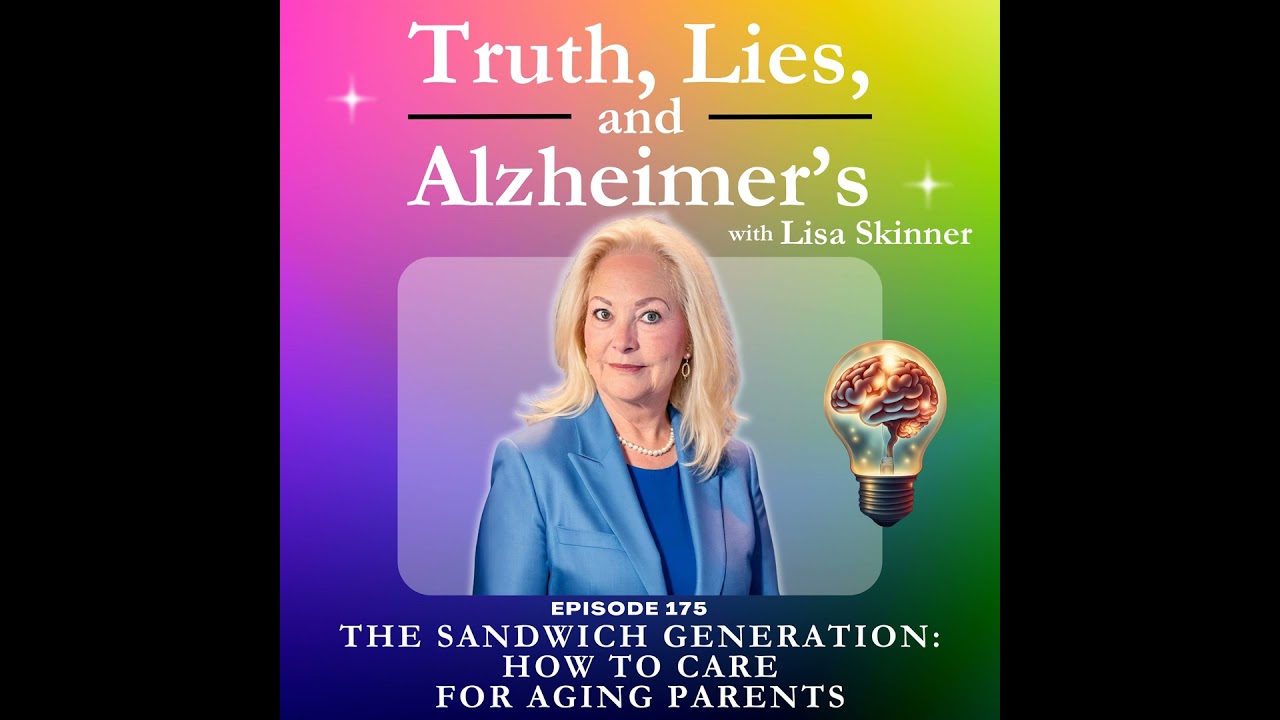
In this episode of The Truth, Lies, and Alzheimer's, host Lisa Skinner introduces the "sandwich generation"—adults who simultaneously care for aging parents and dependent children while managing careers and personal responsibilities. She outlines the demographic profile, the wide‑ranging challenges these caregivers face (financial strain, work‑life conflict, health pressures, fragmented care networks, stigma, and legal/insurance complexities), and then offers a suite of practical strategies for individuals: proactive financial planning, building support networks, self‑care routines, leveraging digital tools, and understanding policy/legal rights. Skinner shifts focus to employers, detailing concrete workplace practices that can alleviate caregiver burden—flexible work arrangements, expanded paid leave, caregiver‑specific benefits, stipends, partnerships with elder‑care navigation services, manager training, caregiver resource groups, and data‑driven program evaluation. Throughout, she emphasizes empathy, the growing prevalence of the sandwich generation, and the mutual benefits of supporting these workers for both employee wellbeing and organizational performance. The episode concludes with a call to action for listeners to seek community support via Lisa’s online caregiver group.
Chapters
Are you caring for a loved one with dementia? You don't have to figure this out all on your own. Welcome to Truth, Lies, and Alzheimer's, the show that helps you reimagine a new relationship with your loved one, a relationship a little more free of stress and anxiety. Join host Lisa Skinner and her 30-plus years of experience As she guides you on a new path to a better relationship with those you care for. Here's Lisa.
Hello everybody, and welcome to a new episode of The Truth, Lies, and Alzheimer's Show. I'm Lisa Skinner, your host. And I don't know how many of you have heard this new buzz term that is called the Sandwich Generation. But it's fairly new and it's becoming quite trendy. So I thought it might be nice for me to do an episode explaining who fits into this sandwich generation and what kind of challenges this generation is facing, which actually is quite a bit. So that's what we're talking about today. Let me just start off by saying that the term sandwich generation refers to adults who simultaneously provide care for their aging parents and are also supporting their dependent children, all while managing their own careers and personal responsibilities, often around midlife. That is quite a bit to deal with on a day-to-day basis, wouldn't you say? Especially if you're in it and you are doing it. Well, the sandwich generation sits at a critical intersection of family, health, and work. Their contributions are essential, but their burdens are substantial with wide-ranging implications for personal well-being, organizational performance, and societal health. Now, through a combination of flexible work policies, comprehensive caregiver support benefits, accessible resources, and compassionate leadership, Employers can significantly alleviate the strain on these workers while fostering loyalty, engagement, and productivity. A coordinated approach grounded in policy, practice, and ongoing dialogue will help ensure that these sandwich generation caregivers do not have to bear the burden alone and that both employees and organizations can thrive together. So I'm going to go over that with you too because in the research that I've done for this piece, there are a lot of employers who are adapting standard operating procedures and policies to accommodate sandwich generation folks. Now, some of the care responsibilities that are included in this daily living is not just support, but many of these folks are also responsible for their parent or parents' medical management, their financial planning, and coordination of any and all services. This demographic is diverse across socioeconomic status, also race and ethnicity, and geographic location. Though certain populations may experience greater prevalence or intensity of the actual needs that they are, you know, juggling in the air. And the ages from my research typically range from the late 30s even into the 60s. The caregivers may be employed full-time, part-time, or even may have stepped back from work temporarily, but regardless of what their work schedule is, they're still juggling all of these responsibilities in many of the family systems. Now, the variability exists in the level of care required, from occasional tasks to around-the-clock supervision. Their caregiving components typically include personal care and hands-on assistance with mobility, the dressing, meals, all of the ADLs, activities of daily living, In addition, medical management, including coordinating appointments, medication management, and navigating insurance companies. Then there's the financial oversight, taking care of billing and planning for long-term care needs, paying medical bills. We can't forget emotional support and decision-making for aging parents. And then, of course, too, they have dependent children. So I'm gonna kind of elaborate now on the challenges that the sandwich generation is facing. Well, there's the financial strain, increased out-of-pocket caregiving costs. And for example, if you hire in-home care, or if your folk, your parent or parents are in assisted living, there's Making sure they have adequate transportation. Of course, in terms of their jobs, they have reduced earning potential due to the leaves that they're being forced to take or having to cut back to a part-time position or even in a job transition to find something that maybe doesn't carry quite the responsibility of what they were or are currently doing. There are retirement planning disruptions. People probably don't even think about that, and potential long-term financial insecurity. There's the time and work-life balance and struggles, juggling caregiving tasks with professional responsibilities and their own personal well-being. They run into tremendous scheduling conflicts, Unplanned caregiving emergencies. You never know when that's going to show up. And care coordination time. Also, they're finding themselves with very limited availability for professional development or for advancement opportunities. There's emotional and physical health pressures, elevated stress and anxiety, and a huge, huge, huge risk of burnout. Some of the sandwich generation are experiencing serious and chronic sleep disruption and fatigue from caregiving demands for both their elderly parents or aging parents and their dependent children. And that leads to the potential of impact on mental health, social isolation, and of course, relationship strain. Dealing with fragmented care networks across healthcare, social services, and elder care communities. They're up against all of these things. And then of course, there's complex insurance coverage. Eligibility criteria, and most importantly, cost transparency. The other thing that they're running into is difficulty assessing reliable information and respite resources, conflicting expectations among adult siblings, so within their own family dynamics. Their spouses, or their extended family. The potential for interdependence issues, such as dependency on one particular caregiver for all the decision-making situations. Also experiencing limited flexibility to accommodate unpredictable caregiving needs. That is in addition to emergency caregiving situations, falls and, and, you know, infections and things that, you know, you never know when those are going to occur. And a lot of the sandwich generation are feeling that stigma has been placed on them or that they're feeling fear of career penalties for having to take leaves or having to reduce their hours. And there's been inadequate access to supportive benefits like paid family leave and caregiving resources. So these are some of the things that in my research I've discovered are changing slowly, but they are. And I'm gonna briefly explain to you what I'm seeing. So what do I think people should consider About becoming caregivers for parents and children simultaneously. So some of the strategies, practices, and consideration for managing the sandwich load are prioritization and planning is critical. You need to establish a clear caregiving plan with timelines, responsibilities, and contingency options. You need to have proactive financial planning in place, including insurance reviews, savings, and long-term care considerations. Also, it's going to be critical to build and coordinate support networks for yourselves. It takes a village. You cannot possibly do all of this by yourself. So, that may mean creating a formal or informal network of family members, friends, and community resources, engaging in professional services such as in-home care, using geriatric care managers, transportation services when appropriate, leveraging community programs, senior centers, and nonprofit organizations that provide respite and support. Workforce and personal wellbeing improvements need to be taken into consideration. So, you can implement time blocking and prioritization to protect personal wellbeing and reduce the high risk of burnout. Also, gotta think about establishing routine for self-care practices. Seeking mental health support when needed, exploring flexible work arrangements to accommodate all these caregiving responsibilities without sacrificing your own career goals. There's a lot of technology that's available now that can be utilized. They're like digital tools for scheduling, AI apps are— a lot of them are available now. I'm going to do a separate episode on that. For scheduling medication management and scheduling appointments, telehealth, care coordination, there are now online communities that provide resources for caregiver education and for peer support. Look into accessing employer-sponsored caregiver assistance programs and external caregiver support services. They are starting to show up. You have policy and legal considerations. In other words, understanding eligibility for family leave, medical leave, and what their flexible Work policies look like, legal documentation to ensure preferences are respected, and to protect your financial interests. There needs to be a plan to— for continued proactive communication with healthcare providers and care coordinators for aligned care These are all things that need to be considered. So what is it that some employers are doing to support the sandwich generation employees? These are some of the things I discovered that I want you to be aware of. So if you're not, You can ask your employer. So do they offer flexible work arrangements like remote work options, flexible start and end times, and compressed work weeks to accommodate some of your caregiving duties? Is there a job sharing program or part-time pathways that retain employees While reducing burnout risk? Do they have expanded leave and paid time off benefits? They're often referred to as PTO policies. Do they offer enhanced family caregiving leave beyond statutory minimums? That's an important one. Do they offer paid leave options for caregiving emergencies? They happen all the time and they're unexpected. Or for medical appointments and respite care. Do they have caregiver-specific benefits and programs or EAPs, in other words, employee assistance programs, that offer caregiver coaching, counseling, and resource referrals? Do they provide access to caregiver stipends or subsidies for in-home care, for transportation, or even respite services? Have they formed partnerships with elder care navigation services to help their employees coordinate care? A lot of employers have put these policies and benefits into place already. And more and more employers are realizing that it is much, much better for everybody around to implement some of these things to support sandwich generation adults than to continue the revolving door of turnover. And have to retrain people. It's very expensive. And the other thing that I read in the research is when people leave, they take really, really valuable information with them that they've learned in their positions. So trying to kind of quash all that, they discovered that this is a better way. And that's to support their employees who are part of this sandwich generation. So some of the other supportive workplace practices is to have manager training on caregiver awareness, stigma reduction, and workload management, to offer formal caregiver resource groups or communities of practice within the organization, to have clear communication channels for requesting accommodations, And flexible scheduling to offer technology-enabled and resource-rich environments and caregiving portals with information on these benefits, policies, and external resources that are now available to sandwich generation folks.
Family-friendly policies.
Supported by digital tools for scheduling and time management. These are all now available. Telehealth access and remote support for caregivers to manage their own health alongside the caregiving duties. In one of my support group sessions, I had a gentleman who showed up for a lot of them, and he wasn't a sandwich generation gentleman, but he did take care of his wife who was in her latter stage of dementia. And I felt so bad for that man because he took care of his wife during the day, and then he did his job at night when she was sleeping, or hoped that she was sleeping, which wasn't always the case. And the man, probably if he was lucky, got, you know, a few hours of sleep a night. And this went on day in and day out. And of course, I thought at the time, you know, don't you get support from your employer? He didn't at the time. This was a while ago. But now these things are becoming more and more popular because they're necessary. We need to consider financial wellness and planning support from our employers, access to financial planning resources that are focused on caregiving costs and retirement planning, benefits that help with long-term care insurance education and enrollment support. Also, Employer-sponsored retirement planning tools that consider caregiving interruptions. These are all new things that need to be considered in today's workplace because it's a fact of life now. The sandwich generation is a real thing that is growing exponentially in our society. Having measurement and accountability tools, employee surveys to gauge caregiver needs and program effectiveness, what's working, what's not. And then key performance indicators, they're called KPIs, that are linked to retention, which employers are realizing is extremely important and valuable. Engagement and burnout reduction among the folks who are in the caregiving position. And finally, improved cycles to refine policies based on employee feedback. So, yeah, my research was actually quite extensive, and I was really pleased to find out that there's many companies out there that have and are in the process of implementing a lot of these benefits and policies for our new sandwich generation. So if you are part of the sandwich generation and you're dealing with unbelievable challenges, I hope that some of this information that I was able to share with you today will definitely be helpful and take some of the burden off your plate. It is just so much to deal with. So I admire every one of you who is in this situation, but I also, through my research, have realized that there can be a little easier way by just knowing this information and the tools that possibly are now available to you. So with that said, I will close today's episode of The Truth, Lies, and Alzheimer's Show. Again, I'm Lisa Skinner, your host, and I hope you have a wonderful rest of your week and you can do something fun and even possibly relaxing. And I will be back next week with another new episode of The Truth, Lies, and Alzheimer's Show. So take care for now.
Bye.
And try to stay happy. Try to stay as healthy as you possibly can. You got a lot going on in your life. I'll see you next time. Bye-bye.
Thank you for listening to Truth, Lies, and Alzheimer's. We hope you found something in today's episode that helps. We understand that caring for a loved one with dementia can be the challenge of a lifetime, but you You don't have to do it alone. If you're ready for exclusive access to even more great content and resources, head on over to Facebook and join Lisa's Minding Dementia Support Group. We're a community of like-minded caregivers, and we're here to help.
More from Lisa



Fidget Apron for Elderly, Sensory Aprons, Products for Elderly Demo with Lisa Skinner

Skil-Care Sensory Gel Pad for Light Box, Mini Fidgets, Set of Five Pieces for use with Dementia






