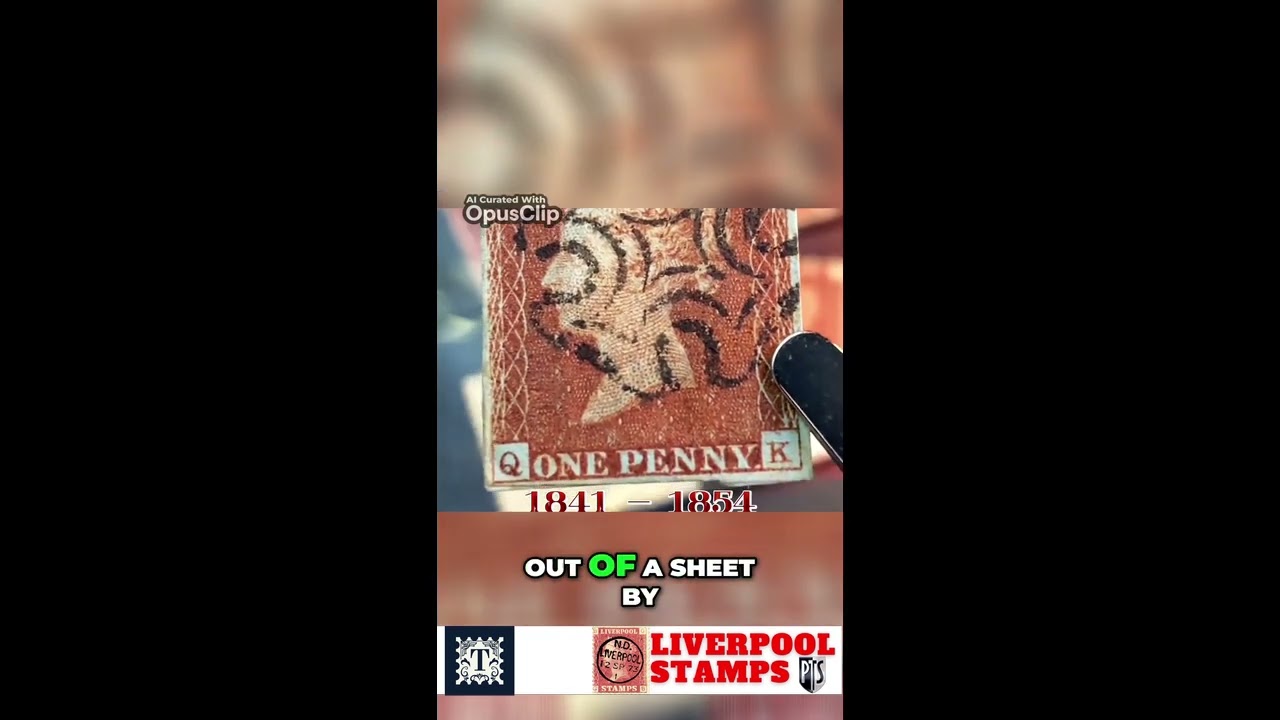
Complete Guide to the Perforated Penny Red Plated Stamps: Plates 71-225

The video provides a concise historical overview of the British Penny Red stamps issued between 1854 and 1858, focusing on the introduction of perforations, changes in perforation gauge, watermark types, and design modifications. It explains that perforations were introduced in 1854 (initially gauge 16, later gauge 14) to simplify stamp separation. Stamps featured either a large or small crown watermark, with plates 71‑225 using the large crown. In 1858, the top corner stars were replaced by reversed check letters, and small plate numbers were added between the interlocking lines on each side, visible on mint copies. The range of printing plates (71‑225) and the presence of the large crown watermark are highlighted, emphasizing that plate numbers are the primary factor determining a Penny Red stamp’s market value.
Chapters
More from Stephen



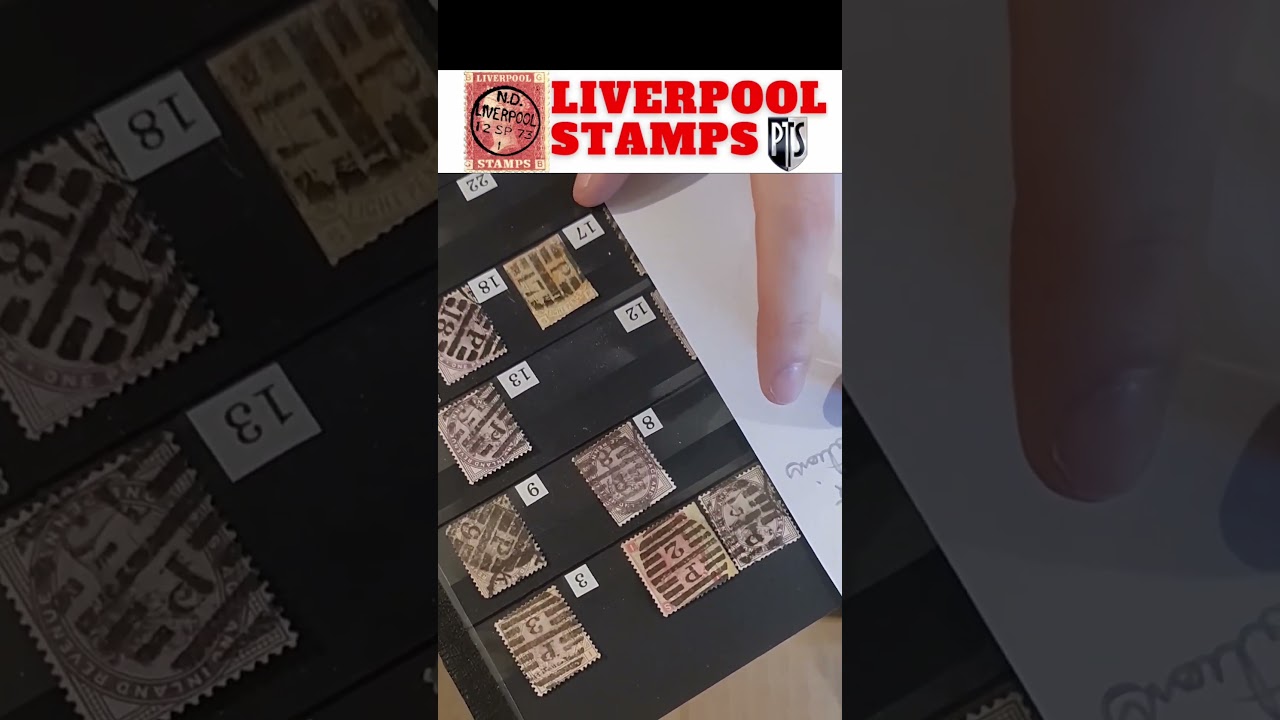


The Fascinating History of Victorian Postage Stamps: The Penny Red and Early Line Engraved Stamps