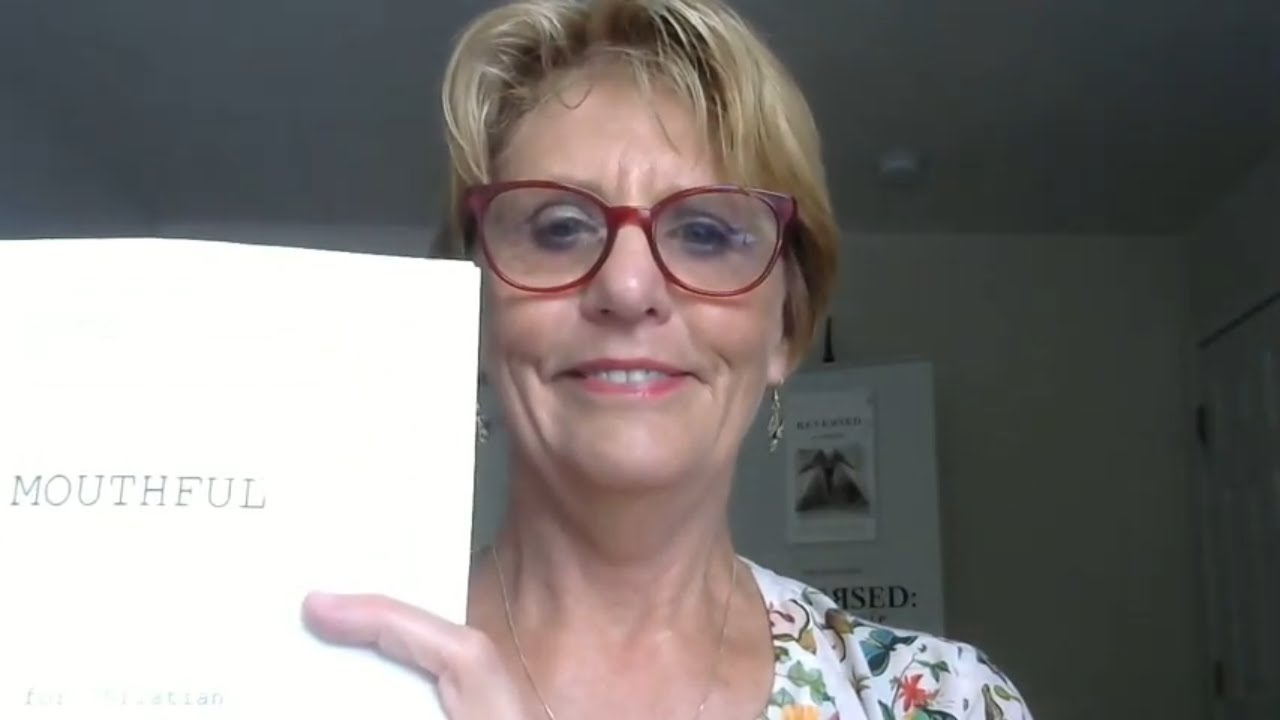
In this video, literacy specialist Lois Letchford discusses her experience using literature with African American students, focusing on a case study where she adapted Paul Jennings’s short story “Mouthful” into a play for two boys, Twain and Pedro. Twain initially could read only ten words, but through culturally responsive adaptation—changing references from Australian school contexts to football plays, history homework, and shooting hoops—Twain became engaged, took ownership of the text, and dramatically improved his decoding and phonemic awareness. Letchford describes the pivotal moment when Twain rejected the original wording, suggested his own culturally relevant language, and how this transformation led to a sense of community, altered learning outcomes, and reinforced the importance of adapting texts to students’ lived experiences. The video concludes with a typical YouTube sign‑off encouraging likes and subscriptions.
Chapters
Hello, I'm Lois Letchford, the Literacy Problem Solver, and I'm here talking today about using literature with African American students, particularly boys and older students. I chose to use the play Mouthful with my students Twain and Pedro. Twain had really struggled. He could read 10 words when he came to me, but very early on I want my students to know that they can read and expose them to real books and real literature. And I do that through adapting a short story to a play. And the one I adapted was Mouthful by Paul Jennings from his book Uncovered. Paul Jennings is an Australian author. So we've got a disconnect in culture. And that's fine. It works well at the beginning. Until page 6, where it comes up to the The boys talking, and it says, we have to slave away on our English homework and plan our speeches for the debate on Monday. And then they say, and of course we have to go over our parts in the school play, and then we can go outside and practice shooting hoops. That sounds great. Now I'm reading this with Twain and Pedro, and everything up to this point had been fantastic. And at this point, Twain gets really quite upset with me, even angry, and he said, we wouldn't say those words! And I said, Twain, you mightn't, but that's an Australian author, that's what he's written. But they're not our words! he says. Twain, I said, we have changed this whole play from a father to a mother and 2 girls to 2 boys. What would you like to say? And Twain said, We would go over our football plays. We would be doing some history homework, and then we would go outside and shoot hoops. That's what we would be doing. For a student who struggled so much with decoding and phonemic awareness when it came to writing and adapting these plays, The story into a play. The words flowed. That was the day that Twain's learning transformed. It was a pivotal moment for me because it was like Twain was taking each sentence from the beginning of the text, holding it up and saying, this is mine. Yep, this is great. This is great. This is really good. And then page 6, no, I cannot say that. And when I changed the text to his words was the day that the learning for him and my teaching thoroughly transformed. We'd created a community. We had words that were acceptable to him, and he knew we were always prepared To change the words for his words. So it really— it's an incident that stuck in my mind that I never forgot. And then once students are culturally engaged in the process, we change the learning outcomes. So it's Lois Letchford. Hit like, hit subscribe, and join me again tomorrow.