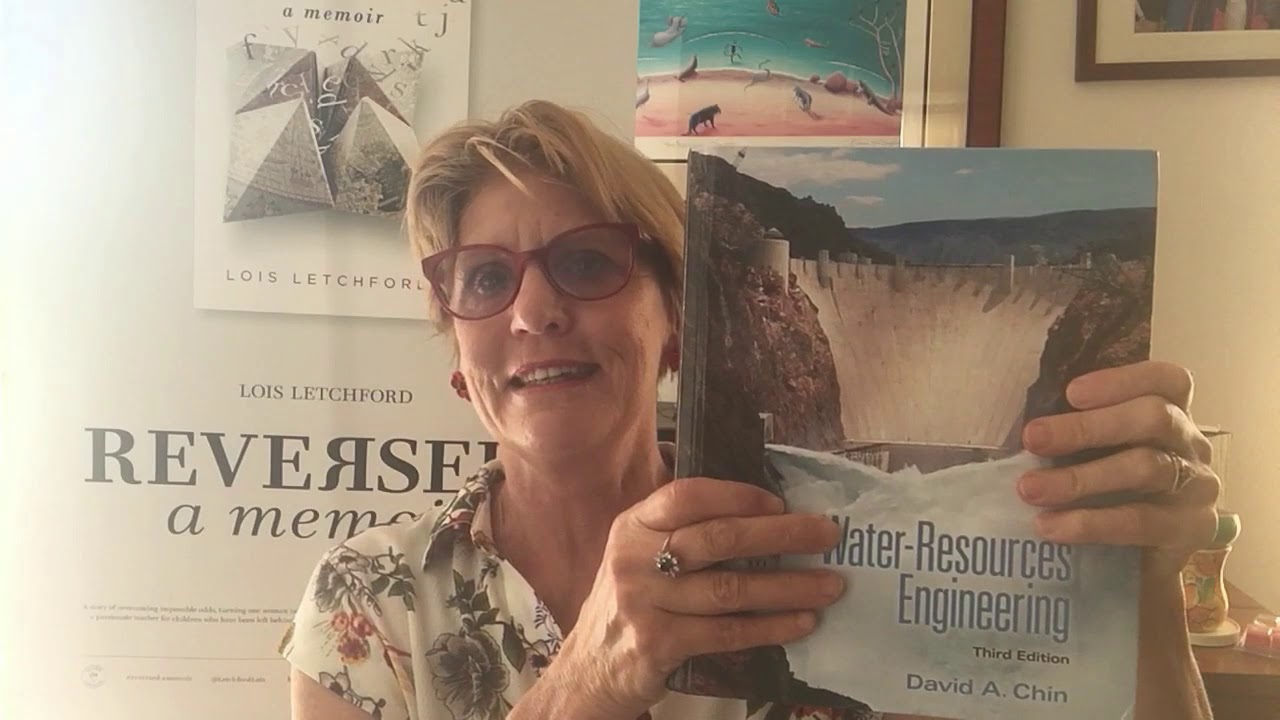
In this instructional video, literacy specialist Lois Letchford demonstrates how she transforms the simple picture book Dear Zoo into a dynamic classroom activity that promotes early reading, writing, and critical thinking. She proposes that students write a letter to the school principal asking for a book, then the principal selects a book (or other media) to send back. Children critique the received book—identifying what is wrong or appealing about it—turning the exchange into a game that encourages them to anticipate and discuss textual features. Letchford shares examples of books the principal might send, how students evaluate them, and how the activity culminates in children selecting a favorite, such as an alphabet book with “lazy lions lounging in the library.” The overall goal is to innovate on the original text, make the classroom a personalized reading space, and ensure every child is actively engaged in meaning‑making through reading and writing. She ends with a call to like, subscribe, and enjoy reading to children.
Chapters
Good morning, I'm Lois Letchford and I am the Literacy Problem Solver, and I just talked about the book Dear Zoo. And in this book, the first page says, I wrote to the zoo to send me a pet. They sent me... Even that little simple beginning can be quite complicated. So one of the things I do is innovate on the text. And how can you innovate on the text that says Dear Zoo? Well, I thought we could write to the principal. The class could write to the principal. And then the first line becomes, we wrote to the principal to send us a book and she sent me, and then we can create our own book. So what would the principal send you? Because we know principals are very busy. And what I did was I would be I've been round my house and picked up a few books that the principal could send to you, and of course they are not going to be appropriate until the last text. So I just picked up one, one of Tiffany, and that she, the principal, could send it to the children, and the children can then comment. What is wrong with this book? It's, it's, yes, it's got pretty pictures in it, but what else is wrong with it? Dear Zoo made it very simple. He was too fierce. He was too tall. Could be this one is too thick. How about this book? What would be wrong with that book? And so to me, it becomes a game of what books the principal would send and having the children anticipate what They could be saying about this text, we don't want to read that book. We want to read a fun book. So maybe she'll send them a magazine. We don't want to read that book. Or a book of art. And they could say, This is a more interesting book. But we really don't want to read that book either. Every time you'll be sending it back, and then the principal will think very hard, and maybe she'll find a book like this. An alphabet book by Graham Base. And the children will say, it's purr-fect! And my favourite page in this book is— J, K, L— lazy lions lounging in the library. So I do a lot of work where I enjoy books with children and innovate and make them really my classroom. So that every child is engaged in reading and writing and making meaning. Thank you. I'm Lois Letchford. Press like, hit subscribe, and enjoy reading to children. Thank you. Thank you.