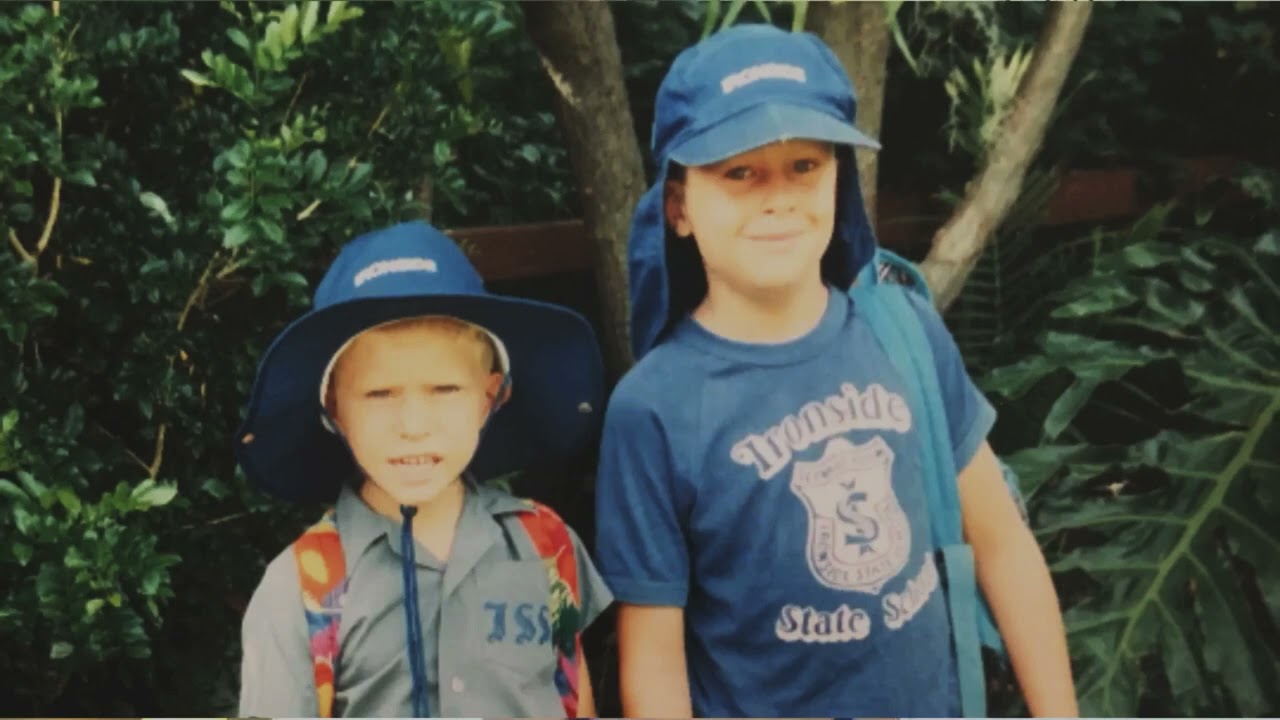
Lois Letchford describes how her son Nicholas was labeled unable to learn in first grade, then thrived once she advocated for him. She argues that teacher expectations become self-fulfilling prophecies, especially for disadvantaged students, and that intensive early reading instruction can break the cycle. Her 25 years teaching struggling readers convinced her every child is teachable.
Chapters
Lois Letchford, author of the book Reversed Memoir and literacy problem solver, talking to you about my story. Not only my story of my learning, but also the— what drew me into reading education and special education was not only my background, but the background of my son. And today I want to talk particularly about expectations. If you have read the story of Reversed: A Memoir, the story of my son Nicholas, you will know that the first— his first grade year was horrific. Horrific. He learned nothing. He withdrew in class. The teacher shouted at him. He bit his fingernails, wet his pants, And he couldn't even dress himself for school. That is a really ominous beginning for a child's life, spent 10 years, suppose at least 10 years in school. And usually when children fail first grade, the chances of getting out are very slim. My son was exceptionally Privileged, which is how he overcame this huge deficit. Now why? We have to look at why, because then not only did he fail the first grade in school, the second thing that happened was that we then had data to show he is not very smart. And that was the IQ test at the end of first grade. To say, which I have here with me, to say that he has no strengths and he can read 10 words and he has a low IQ. I'm not going to show you the actual document. I don't think that's a wise thing to do. But it showed— it gives a prognosis and it sets up within the school system From the first grade teacher, he cannot learn, and now we have the data to back it up that he cannot learn. Now, if you are like us, like a family that is highly educated, believe in your children, there's— it's very hard to, even with that privilege, to fight the school system. They have everything in their power and you as a parent have got very little to stand on, really only anecdotal evidence. And the anecdotal evidence I had was that Nicholas was very good at puzzles, exceptionally good at puzzles, that he had incredible concentration for doing things and he could ask unusual questions. And the day, you know, the day after we had this IQ test, I remember him asking, you know, and who made God? And who— where did God come from? And then the question followed that, and who made God? And that gave me a link of this boy can ask questions and ask follow-up questions. But that is not enough to go to the school and say, Let's change the expectation. So because of Nicholas and because of our privilege, Nicholas was able to achieve way beyond expectation. Why do I tell my story and the story of Nicholas? Is because it actually starts with education and mindset. It actually starts— the ability to take children from non-reading to reading, Starts with belief. And here's a paper, The Power of Teacher Expectation, and this is talking about expectation of black and white students in 10th grade going to college. And it says teacher expectation impacts long-term whether child— children go to college or not. Now, particularly if you are in a minority. Now, Nicholas is white. He's male from an educated, high socioeconomic family. He is now being placed into the discard basket even though he has that privilege. If you have more negatives, if you are a student of colour, if you come from low socioeconomic background, if you do not have parents who have the time to fight for you, the chances of getting out of that basket reduce. And that's a really sad thing to say, but it's what I've noticed. And I've noticed from a personal point of view because of the amount of effort that went into Nicholas to help him get out of that basket. That first year in school can dictate the remainder of your life. And the problem that I see, if you know my story, is that here is Nicholas, age 6. They're saying he can't do anything. We've got the data, you've got nothing to stand on. That same child achieved a PhD in applied mathematics from Oxford University. You cannot get any higher than that. And there's a real disconnect between what the school expected and what he achieved. I believe any child, they may not be able to achieve at that particular level, but they can learn to read and they can achieve in our society. But it starts with what do we believe about that child sitting in front of us. If we just keep saying, oh well, you know, they can't, they can't, which is what they did with Nicholas, that child has no chance. So the power of teacher expectations. It says, what are the implications? It says, the sum of our analysis suggests that teacher expectations do not merely forecast student outcomes, but they influence outcomes of becoming self-fulfilling prophecies. And that's the problem right there in first grade. Nicholas could easily have slid under and become a self-fulfilling prophecy. You're not very smart. You can't do anything. You can't do this. And it's disaster. So we find the nature of teacher expectations placed on black students At a disadvantage. So they're wanting to reduce teacher bias and support positive expectations for all students. If I want to do one thing, it is to take those children who we have written off and say we can teach them to read. The earlier we teach them to read, the greater the chance they have of succeeding within the school system. I'll repeat that. The earlier we teach children to read, the greater chance they have of succeeding in the school system. I've taught 16-year-old children who come to me with no words. I have been able to teach every one of them because I'm changing the teaching. The problem is, unless they have a huge amount of support, it's almost too late. And a lot of damage has been done. And there's the third one. The amount of work I have to do to teach those children to read is huge. It's not a simple process. So what do I want you to get away from this? Take the child who you think cannot do everything and change the teaching until they, the child, can understand what you are talking about. What do you have to do to do that? What does a parent or a teacher have to do? To include a student is the child must be central to the teaching. That's the first thing. The child must be central. And then I go back to the talk that I gave last week on, are we giving complete examples of words or are we giving examples that the child cannot engage with? All of those things impact whether a child can learn to read or not learn to read. The teaching of reading is coming under a lot of scrutiny. I have spent the last 25 years teaching the most challenged children to read. Not only read, but to read and read successfully, read independently. So it gives me a background to say, yes, we can. Yes, we can teach our children to read. So the first thing I want you to do today is look at that child and say, do I believe that I can teach this child to read or not? That's one. And the second, do I believe the child is teachable? Do I believe that that child is capable of learning to read? Because those 2 things happen before we even get to, can we teach that child to read? Thank you. This is my talk for today. My passion is to change perception of children who are failing in first And second and third grades failing throughout their school years. Change the perception. Say we can teach them to read. We have the knowledge. The data is there. What do we have to do to teach our children to read? Check out Reversed. Please read it and write a review. It makes a difference to whether I sell books or not. Share it with others. Share it within your school. Share it within your organisations and let people know that That we can and we must teach children to read. Thank you. Hit like, hit subscribe, and share it with others.