0:27
A teacher uses a mystery box to spark critical thinking. Students guess what's inside from multiple choices, then decide what should be inside, weighing realistic options against toy versions and listening for clues by shaking the box.

A teacher uses a mystery box to spark critical thinking. Students guess what's inside from multiple choices, then decide what should be inside, weighing realistic options against toy versions and listening for clues by shaking the box.
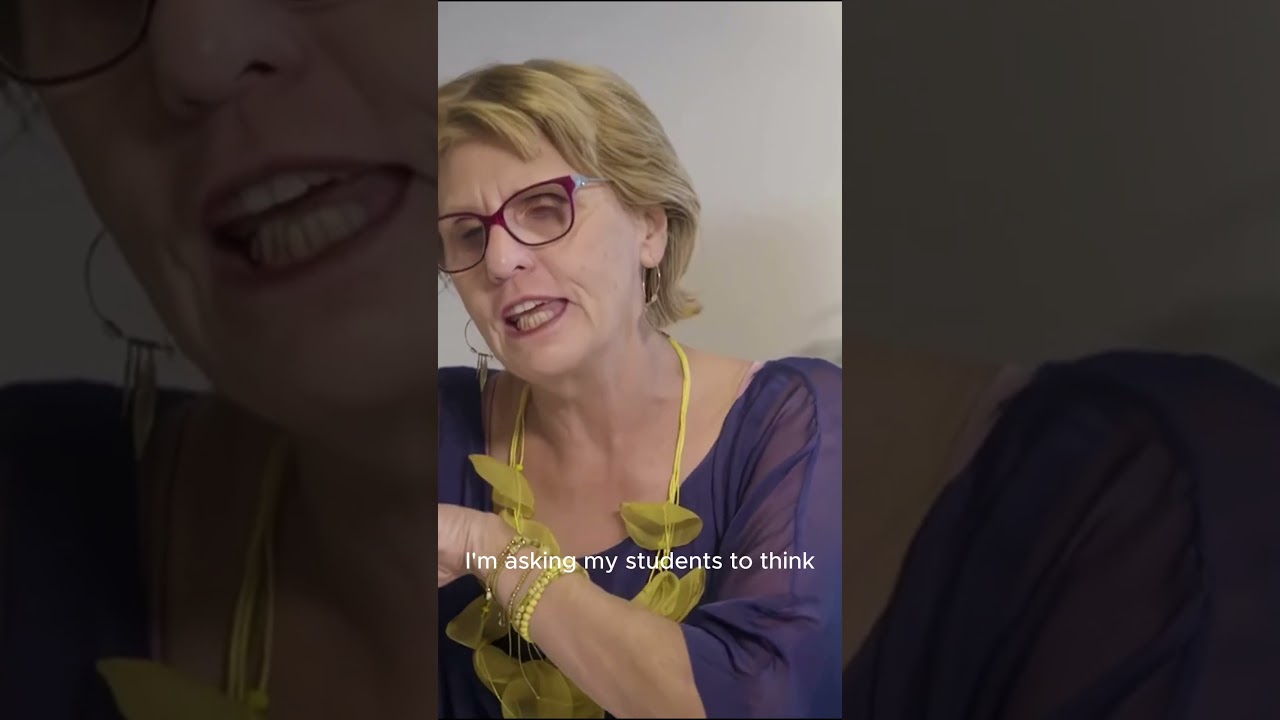
This is my box lesson, and it starts with quite simple, what could be in this box? And the big writing is, what should be in this box? And what would you like to find in this box? And what I did was then gave them a multi-choice question. You know, what could be in this box? An elephant, shoes, or more boxes. And what should be in it? Carton of milk, shoes, or a basketball. And it goes on. I'm asking my students to think. I'm asking my students to evaluate what could be in this box. An elephant? And they'll tell me, no, it can't be a real elephant, but it could be a stuffed elephant. It could be a toy. And they're allowed to shake the box. Does it sound like it?

Overcoming Adversity: A Dyslexic Learner's Journey to Success | When Learning is Trauma #shorts

Redefining Success, Beyond Grades in Education | When Learning is Trauma #shorts

Turning Awareness into Action for Dyslexic Learners | When Learning is Trauma #shorts

Why Dyslexia Goes Unnoticed: A Systemic Issue | When Learning is Trauma #shorts

The Long-Term Impact of Unrecognized Dyslexia | When Learning is Trauma #shorts

The Heartbreaking Reality of School for Some Kids When Learning is Trauma #shorts


