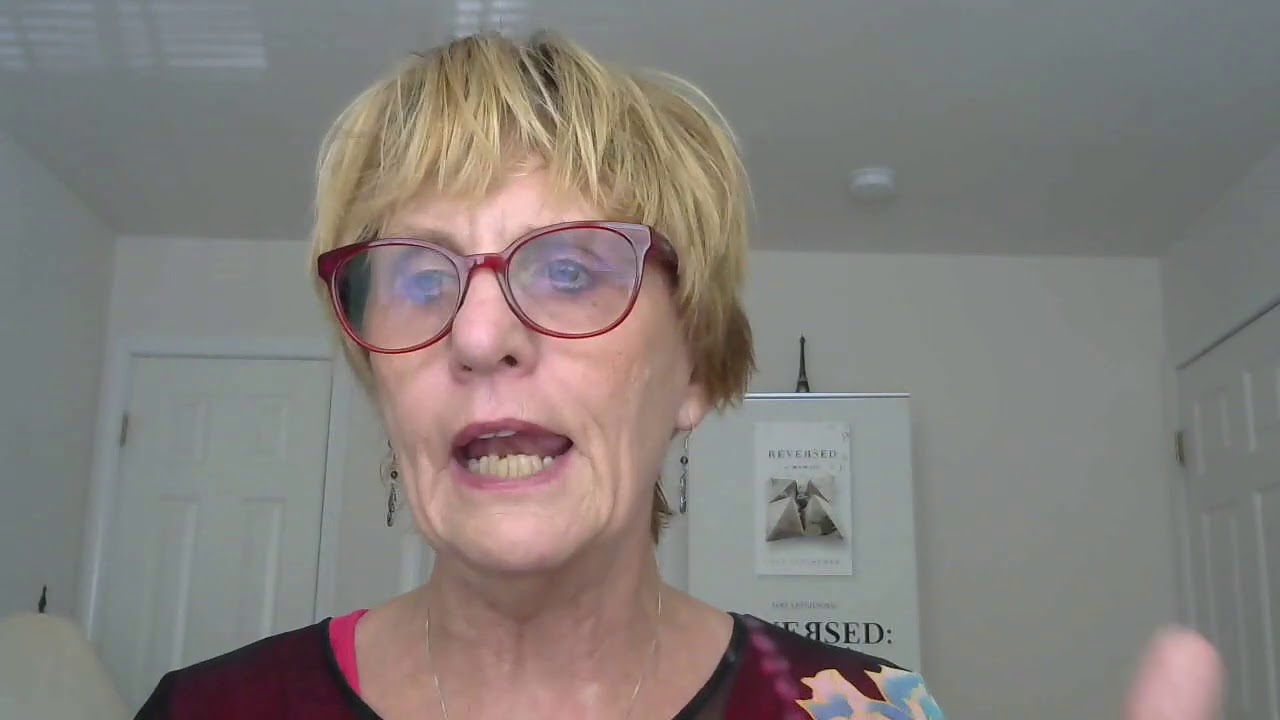
Lois Letchford, a literacy specialist, asks teachers and parents to recall when they learned best. She describes struggling in an anatomy class where the professor's spoken delivery overwhelmed her, then explains how understanding your own learning conditions helps you design better instruction for children learning to read.
Chapters
Hello, I'm Lois Letchford, author of the book Reversed: A Memoir and literacy problem solver. And today I have some questions for you. Short video, some questions for you. One of the things that I have had to do when teaching the most vulnerable children to read is examine my learning. I ask questions like, where did I learn most effectively? What was the situation that allowed me to grow and learn in that, that time? When we start examining our own learning, it allows us to reflect upon our students and allows us to see learning as more than, Here's the information. Get it to the child. Get it out. So my most effective learning came when I was learning anatomy. The first time through it, I failed because the professor stood out the front of the class and not shouted, but just spoke. And it came out as a stream of words. All of it was entirely new to me. And I was totally confused. I would think, now I have to go home and do all this. By myself at night. And of course I did some of it, but you can't do that amount of work after school. So teachers and parents, when did you— when was your most effective learning? What made it effective? What sort of circumstances helped you learn efficiently during that time? When we start asking questions of our learning and start understanding how we learn, We can then start looking at how can we widen the learning for the children sitting in front of us. So I've always got questions for you. Start examining, start thinking, start reflecting. And a reflection for me is time-consuming. And it's best done when I'm away from everyone else, sitting in the car driving or riding my bike. When I can just switch off and let the mind flow so that you can think, what else do I have to do to teach this child to read? And to me, it begins with reflecting on our own learning. When did it work? When didn't it work? What can we do about it? Thank you. Enjoy. Interact with me. What other questions can we have about our learning to help us reflect on the learning of our students? Hit like, hit subscribe, and enjoy. Share this with others. Thank you. Lois Letchford, author of the book Reversed: A Memoir.