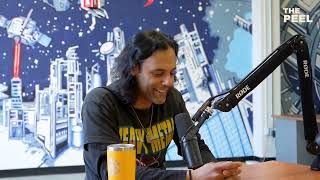
This is a short interview excerpt with Robinhood co-founder Baiju Bhatt describing early fundraising difficulties: he and his cofounder faced dozens of investor rejections (numbers cited: ~70 and ~110), which he says motivated rather than discouraged him. He recounts a pivotal meeting with investor Tim Draper in San Mateo — Draper was skeptical about regulatory approvals and criticized the founders' pay levels, prompting Bhatt and his cofounder to promise to forgo salaries until approvals arrived; Draper then agreed to invest. The anecdote emphasizes hardship (small apartment, student loans), grit, and focus during the seed stage.
Chapters
We had been entrepreneurs for the better part of five years and didn't have a whole lot to show for it. Right.
I think one of the numbers is 70. One of the numbers is 110. Investors that you talk to for the seed round. No one was giving you money. What was that? Like, how did that go?
Both numbers sound very painful. Yeah. When we were starting Robinhood, like, one of the theses was that mobile is going to be people's computer. Right. Like, that's going to be the device that is effectively their computer. At the time, that was, like, one of the things that was kind of viewed as crazy. It's like, well, what makes you think that people are going to want to have their finances on their phone? You know, it was like, y' all don't know how to build consumer products. You guys haven't done this before, your math people. Right. And what makes you think that there's a generation of young people that is underserved, like, they could use these other things? Like, what makes you think that this is the thing that's missing? There's a lot of naysayers.
How did that make you feel as someone. I know you're really big on design and creativity. Like, how did it make you feel?
Motivated. Motivated. I'm serious. Like, I. I really, really feed off of that. And I think that it's, like, a challenge. Right. Because. Yeah, a lot of, like, a lot of no's. It was, like, pretty very difficult back then. And, like, over time, I've kind of learned to channel that. Right. And use that to my. To, like, use that as, like, positive motivation. Yeah.
And I think you guys had, like, an interesting agreement to finally get someone to invest. Do you know what I'm talking about?
Tim Draper?
Yeah. How. What happened there?
Oh, man. Yeah. So this was. We were. This is like, when we were at the pits of not being able to raise any money, and we went and met with Tim Draper, and we kind of told him what our idea was. And this man is larger than life. And I remember going to his, like, his. His spot in San Mateo, and I think we were like, there's, like a. There's, like, Tesla that have been cut in the half, like, in the middle of the place. And we're sitting there, he's wearing, like, a spider man tie, and we're like, holy cow. We're, like, meeting with Tim Draper. Yep. And he's like, well, you know, great idea. It's never going to work. You know, it's never. You're never going to get Past, like, you know, these approvals that you have.
Or whatever, you need a broker, dealer, license or something.
And we were working on that at the time. And he's like, how much are you paying yourselves? And we're like, what? It's like, how much are you paying yourselves? And we're like, I don't know, like, not very much. Like, enough to, like, 60, 70, 80,000. Like, I don't know, like, not, like, enough to be able to live in the Bay Area and have an apartment. He's like, that's way too much. Great idea. Never going to happen. You guys are paying yourselves too much. And we leave this meeting and we're just confused. Why is that a sticking point?
We're just 60k a year.
That's. We're just confused, right? It's like, we're like, we're paying 70,000, 80,000, maybe the most.
Like, did you have student loans still at the time?
Yes.
Yeah, I mean, that was like, probably.
I had like a dinky little apartment I was living in. So we, after, after this meeting, we're both, like, feeling. I was feeling pretty deducted. And so we got. And I think we had to get burgers across the street. And we have the idea that we'll. We'll. We'll tell him that we're going to not pay ourselves, you know, until we get this approval.
Yeah.
And we'll do that if he invests. And he said yes. And then like, the sort of like the gut check came in where it's like, okay, can I still afford gas or am I gonna have to start biking to work? Right. Like we did. There was a couple of months where I was like, okay, it's just like, you know, we gotta do this. Right? And again, very clarifying, very focusing. Like, this is kind of the thing, right? Is you have to take the setbacks and use it to bring out the best in yourself.