Elon Musk explains first principles thinking and uses it to predict 80%+ decline in battery prices
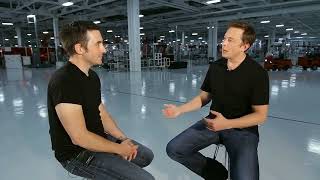
Transcript excerpt of Elon Musk explaining 'first principles' reasoning versus reasoning by analogy, and applying it to battery costs: he argues that breaking problems into fundamental material constituents shows batteries could be far cheaper than historical prices suggest. He outlines a materials-based calculation contrasting historical ~$600/kWh claims with material-spot-price estimates near ~$80/kWh, implying large potential cost reductions through clever engineering.
Chapters
More from Lorenzo


Netflix founder Reed Hastings explains why “family” is a bad metaphor for your startup

Netflix founder Reed Hastings explains why “family” is a bad metaphor for your startup

Stripe founder John Collison explains his product principle of “talking up to the user”

Stripe CEO Patrick Collison shares the tactics he used for finding product/market fit

Stripe CEO Patrick Collison shares the tactics he used for finding product/market fit




Naval Ravikant on Elon Musk: “The great entrepreneurs are always willing to start over”

Jeff Bezos explains Amazon’s process for expanding into new products like Kindle and AWS