Elon Musk explains what he looks for when interviewing people for Tesla and SpaceX
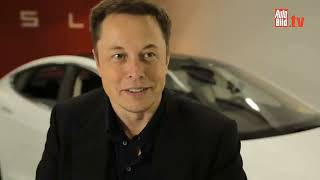
Short transcript excerpt of Elon Musk describing his approach to interviewing candidates for Tesla and SpaceX: he asks candidates to tell the story of their career, probes how they solved difficult problems and made key decisions, and seeks evidence of exceptional ability and genuine ownership of accomplishments. He notes formal education is not required and gives examples of successful non-graduates.
Chapters
More from Lorenzo


Netflix founder Reed Hastings explains why “family” is a bad metaphor for your startup

Netflix founder Reed Hastings explains why “family” is a bad metaphor for your startup

Stripe founder John Collison explains his product principle of “talking up to the user”

Stripe CEO Patrick Collison shares the tactics he used for finding product/market fit

Stripe CEO Patrick Collison shares the tactics he used for finding product/market fit




Naval Ravikant on Elon Musk: “The great entrepreneurs are always willing to start over”

Jeff Bezos explains Amazon’s process for expanding into new products like Kindle and AWS