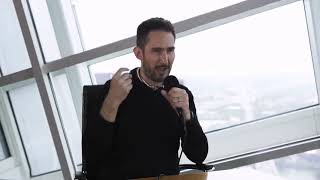
Kevin Systrom (Instagram cofounder) gives his top advice to startup founders: focus on solving a real problem rather than founding a company for the sake of an idea or chasing trends. He warns against wrapping ideas in fashionable terms (e.g., "AI", "crypto") without a clear counterparty problem, and describes common failure modes: the problem is already solved well, too few people need the solution, or the founders misunderstand users' needs. Systrom frames this problem-first approach as a core practice he used at Instagram.
Chapters
Number one advice I always give is to solve a problem. So many people, when they found a company, found a company just to found a company. Or they're like, I've got an idea. Ideas are not companies. Ideas are not products. Like, you're like, well, I'm going to combine this thing with this trend, and we're going to do this. It's a cool idea. And, you know, usually the warning signs are. That includes some element of a current fad, like AI or something. Not that AI is a fad, but like, you know, it's a wave that's happening right now that I think it's easy to make your company sound more interesting if you're just like. And it uses AI or like crypto or like. There are always warning signs that I see with the pitches that I. That I hear from people when they include those words. And it's not backed up by a clear problem that you're solving for the person on the other side or the company on the other side, the counterparty. Right? So I always say, make sure you're actually solving a problem. Now, there are different ways that can be wrong. It could be solved already, really well, in which case you're not solving a problem. The idea might be great, but you're not solving a problem. It can be a really neat idea with not a lot of people that need that problem to be solved, in which case it's not really a problem for the world. Right? Maybe we could broaden this by saying, solve a problem for the world, or it just misunderstands what people need, or it doesn't even take into account what people need. You're just like, oh, it sounds really cool. I'm gonna do this, this. And it's a hot market, so I'm gonna figure it out. And the number of times I've seen entrepreneurs go that direction, because it feels good to be part of the trend. It feels good to say you have a cool idea without asking yourself, does this actually solve someone's problem? Like, if I go talk to people, does this literally, like, relieve people that this now exists? The number of times I've seen people ignore this advice, it's countless. What's crazy to me is I feel like it's our secret sauce at Instagram. And I'm like, this is great. Like, we could just keep doing this, right? Like, every product we work on hopefully is solving someone's problem. And I feel like I'm giving this advice away for free, but no one's taking it.