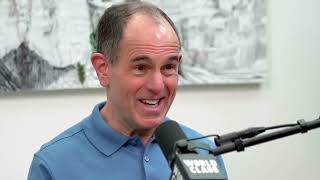
Keith Rabois describes the "Founder Mode" hiring and promotion philosophy: promote people based on craft mastery (best engineer, designer, product person, CFO) rather than general management skills. He cites PayPal’s early practice as an embodiment of this approach and gives examples comparing Apple, Elon/X, and Doordash to illustrate how organizations benefit from elevating top individual contributors who are world-class at a specific skill. He notes trade-offs when scaling and briefly discusses mentoring/coaching to help strong individual contributors adapt to managerial roles.
Chapters
So at PayPal, we never promoted anybody based upon their management skill. We promoted everybody based upon their craft. So if you wanted to be running the design team, you had to be the best designer. If you wanted to run the engineering team, you had to be the best engineer. If you wanted to run product, you had to be the best product person or a CFO was the best finance person. And so we always had that philosophy at PayPal. Maybe that's why PayPal thrived and maybe why, you know, my friends and colleagues went on to do very interesting things as they basically brought with them many of those tenants. So Brian reinvented it and repopularized ideas that are pretty old school actually. So it's the antithesis of hiring a general manager, someone whose expertise is really at managing versus someone whose expertise is actually at building. Because I think when you hire for Founder Mode, you're looking for different people. It doesn't mean you don't hire anybody. Obviously you need to scale an organization. Brian probably has thousands of people. Doordash has thousands of people. You can't run things the same way when you had 10 people or 20 people. You do need to hire, but you need to look for different traits, different skills. Elon ripped out 80% of the employees at X and X is thriving. Elon's always been in Founder Mode. He's in Illustrator. I think Apple basically has been in Founder mode through most of its history. Basically at Apple you get promoted by mastering something, not by being a generalist. There's people you meet and you've probably recruited people out of Apple that have done the same thing basically for 15 years. But they are the world class expert at X and that's what they do. And Apple collates and collects a bunch of people who are literally the best in the world, that 26 different things and mixes them together. That's a much better model. What do you think of like a lot of times the best salesperson ends up totally flopping as the VP of sales. Right. Sometimes the most talented IC does not become the best leader and they fail in that position. I actually think they should be able to. Sometimes it's mentoring, pairing them with the right person, giving them the right feedback. But at least if you promote that person, you're not going to demoralize your team because everybody knows that they were the best salesperson. And so the rest of the teams are going to look up to that person because that person can actually deliver the goods. They may have to learn how to coach and mentor other people, but you have enthusiasm, energy from the rankit file. You bring in someone who's never hit a quota, never proven that they can sell product X, and you're like, oh, you're your new manager. Sometimes people are like, who the hell are you? And it's a very valid critique.