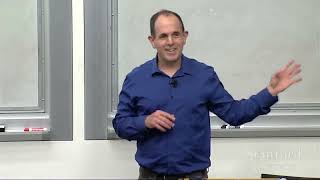
A short excerpt from a YouTube talk by Keith Rabois about identifying and developing talent using concrete managerial tactics. In this chunk he describes a Square anecdote where offering smoothies revealed employee initiative, advises assigning progressively larger responsibilities "until it breaks" to find an employee's capacity, and recommends watching who seeks out whom in an open office as a signal of influence and talent.
Chapters
Start actually with a very small set of responsibilities. It can be fairly trivial. It can be something like, I want to reward the engineers that are in my office at 9 o' clock at night, every night with a nice cold, fresh smoothie. This is actually a real example. I was frustrated. Our engineers were working really hard at square and, you know, maybe 20% to 30% would stay very late into the evening. And I wanted to sort. We already had served them dinner, but I wanted to give them something cool to reward them. You could think about alcohol, but that's a little complicated. So smoothies were probably a little bit better than the pizza, which drains you of energy. But nobody could get smoothies in my office to show up at 9 o' clock sharp that were cold, that tasted good, and delivered in the right place that engineers would find them. You think this is simple, but in fact, it took months to get this right. We had an intern start and I think on the second day I was explaining this problem and he said, well, I'll do it. I was looking at him like, there's no way. I've seen my office manager fail, my assistant fail, all who are actually pretty good. This just isn't going to happen. Then lo and behold, that night they show up on time, cold delivered the right place. My first instinct was, great, nothing about the smoothies, but okay, now I can actually give them something more important and consequential and complicated to do. That's what you actually want to do with every single employee, every single day, is expand the scope of the responsibilities and until it breaks, and it will break everybody. Like, I couldn't run the world. Everybody has some level of complexity that they can handle. And what you want to do is keep expanding it until you see where it breaks. And that's the role that they should stay in, that level of sophistication. But some people will surprise you. There will be people who you don't expect with different backgrounds, without a lot of experience that just can handle enormously complicated tasks. And so keep testing that and pushing the envelope. The other signal to look for is once you've hired someone is with an open office, just watch who goes up to other people's desks, particularly people that they don't report to. If people start going to your desk, someone individual employee's desk, and they don't report to them, it's a sign that they believe that that person can help them. So if you see that consistently, those are your barrels, just promote them, give them more opportunity as fast as you can.