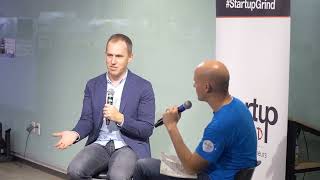
Short excerpt from a YouTube interview where Bret Taylor explains how he decides what projects to work on. He emphasizes looking for platform shifts (e.g., Internet, PC, mobile, AI) as major drivers of economic value because they change habits and rebalance power between incumbents and startups. He advises founders to choose niches strategically by considering why a startup can succeed versus incumbents.
Chapters
How do you decide what to work on next? I don't mean it's Salesforce specifically, but just in general, like your next project that you're doing or what is the thought process you go through to actually picking. I'm sure you have lots of ideas actually the thing that you're going to do.
So I'm a big believer in platform shifts as drivers of economic value. So when the Internet was invented, a lot of companies that are now some of the biggest companies in the world came to be like Amazon and Google. When the PC was invented, companies that dominated the mainframe didn't go away, like IBM, but companies like Microsoft and Apple became very meaningful companies sort of built around that new platform. I think that's why, generally speaking, looking for fundamental underlying shifts in platforms is like a very fruitful place to say, okay, when this platform exists, what habits will change? And that's why I think mobile is probably the biggest. I think it will be the biggest for a while. I think artificial intelligence has the capability of doing that as just sort of early days, but it changes so many habits that businesses are being created around those platforms that previously weren't possible. And the reason why I think platform shifts are meaningful is it just changes the balance of power between incumbents and startups. It's very hard to compete with Microsoft on PCs because they owned the PC, everything, the entire stack. Practically. In the age of the smartphone, it was a completely different story, right, because they don't control the operating system, they don't control the hardware. All of a sudden you're on slightly more equal footing with these very, very powerful incumbents. And your agility as a startup and your native understanding of the platform can sort of outweigh their strength in finance and employees and all that. So that's usually like, as a startup, when you're thinking startup ideas, going to the rising tide that will lift your boat is definitely, I think, a good starting point. It's a very broad direction. But I do think people often choose a niche and don't think through like, okay, why will this startup succeed versus these incumbents? It's really important to think about that strategically.