Paul Graham explains why you shouldn’t try to be a visionary
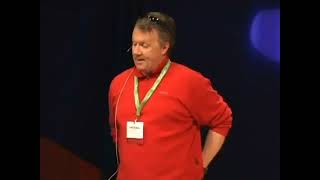
Paul Graham argues that doing very big things usually begins with starting small and iterating: successful founders (e.g., Bill Gates, Mark Zuckerberg) began with modest projects that scaled. He cautions against precise, long-term visionary plans because long projections are likely to be wrong, and prefers a blurry, exploratory model (likened to Columbus sailing westward) of moving westward when opportunities appear.
Chapters
More from Lorenzo


Netflix founder Reed Hastings explains why “family” is a bad metaphor for your startup

Netflix founder Reed Hastings explains why “family” is a bad metaphor for your startup

Stripe founder John Collison explains his product principle of “talking up to the user”

Stripe CEO Patrick Collison shares the tactics he used for finding product/market fit

Stripe CEO Patrick Collison shares the tactics he used for finding product/market fit




Naval Ravikant on Elon Musk: “The great entrepreneurs are always willing to start over”

Jeff Bezos explains Amazon’s process for expanding into new products like Kindle and AWS