Peter Thiel explains the difference between a mission-driven company and social entrepreneurship
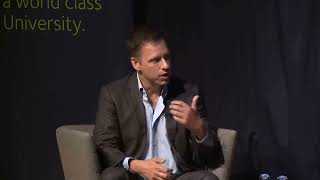
Peter Thiel distinguishes mission-driven companies from social entrepreneurship. Mission-driven firms tackle problems nobody else will touch, like developing a novel cancer cure. Social entrepreneurship, he argues, often becomes copycat ventures chasing 'doing good' as society defines it, with minimal real impact.
Chapters
More from Lorenzo


Netflix founder Reed Hastings explains why “family” is a bad metaphor for your startup

Netflix founder Reed Hastings explains why “family” is a bad metaphor for your startup

Stripe founder John Collison explains his product principle of “talking up to the user”

Stripe CEO Patrick Collison shares the tactics he used for finding product/market fit

Stripe CEO Patrick Collison shares the tactics he used for finding product/market fit




Naval Ravikant on Elon Musk: “The great entrepreneurs are always willing to start over”

Jeff Bezos explains Amazon’s process for expanding into new products like Kindle and AWS