Peter Thiel: “If you are in favor of innovation, founders have to stay in control”
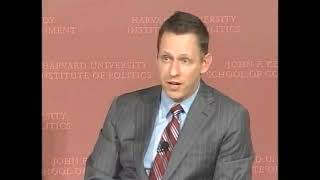
Peter Thiel argues that founders must stay in control of companies to preserve innovation. He uses Apple's 1985 board decision to remove Steve Jobs as a cautionary tale, showing how replacing founders early turns firms bureaucratic and kills the drive to innovate.
Chapters
More from Lorenzo


Netflix founder Reed Hastings explains why “family” is a bad metaphor for your startup

Netflix founder Reed Hastings explains why “family” is a bad metaphor for your startup

Stripe founder John Collison explains his product principle of “talking up to the user”

Stripe CEO Patrick Collison shares the tactics he used for finding product/market fit

Stripe CEO Patrick Collison shares the tactics he used for finding product/market fit




Naval Ravikant on Elon Musk: “The great entrepreneurs are always willing to start over”

Jeff Bezos explains Amazon’s process for expanding into new products like Kindle and AWS