Peter Thiel on the biggest lesson he learned in 10+ years of venture capital
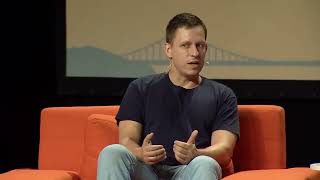
Short monologue by Peter Thiel describing a key lesson from over a decade in venture capital: investors tend to underestimate momentum when things start working and underestimate troubles when things fail. Thiel emphasizes the value of investing pro rata in strong up rounds (citing Facebook Series B as a missed pro rata opportunity) and warns that flat or down rounds are often bad signals. He notes that rapid internal changes are often not felt by insiders, leading to underestimation of shifting dynamics.
Chapters
More from Lorenzo


Netflix founder Reed Hastings explains why “family” is a bad metaphor for your startup

Netflix founder Reed Hastings explains why “family” is a bad metaphor for your startup

Stripe founder John Collison explains his product principle of “talking up to the user”

Stripe CEO Patrick Collison shares the tactics he used for finding product/market fit

Stripe CEO Patrick Collison shares the tactics he used for finding product/market fit




Naval Ravikant on Elon Musk: “The great entrepreneurs are always willing to start over”

Jeff Bezos explains Amazon’s process for expanding into new products like Kindle and AWS