Peter Thiel on the importance of reducing internal conflict at a company
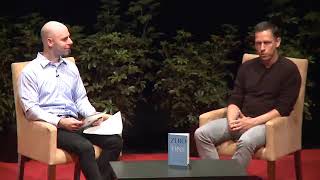
Peter Thiel argues that workplace conflicts usually arise when people are assigned the same goals or tasks rather than different ones. He emphasizes the need for well-differentiated, non-redundant roles and illustrates the point with an anecdote from PayPal where the product team’s claim that the product was a "single, seamless whole" generated pervasive overlap and conflict (David Sachs example).
Chapters
More from Lorenzo


Netflix founder Reed Hastings explains why “family” is a bad metaphor for your startup

Netflix founder Reed Hastings explains why “family” is a bad metaphor for your startup

Stripe founder John Collison explains his product principle of “talking up to the user”

Stripe CEO Patrick Collison shares the tactics he used for finding product/market fit

Stripe CEO Patrick Collison shares the tactics he used for finding product/market fit




Naval Ravikant on Elon Musk: “The great entrepreneurs are always willing to start over”

Jeff Bezos explains Amazon’s process for expanding into new products like Kindle and AWS