Rick Rubin on the power of creating something truly for yourself
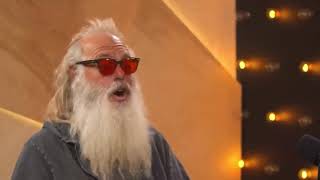
Rick Rubin explains his creative philosophy: he makes art for himself, not for an audience, which removes pressure because he can keep refining work until he likes it. He argues that prioritizing audience taste leads to commercialized, lower-quality art, whereas making art for oneself (the audience 'comes last') results in genuine work—likening artistic creation to diary entries that aren't meant for others.
Chapters
More from Lorenzo


Netflix founder Reed Hastings explains why “family” is a bad metaphor for your startup

Netflix founder Reed Hastings explains why “family” is a bad metaphor for your startup

Stripe founder John Collison explains his product principle of “talking up to the user”

Stripe CEO Patrick Collison shares the tactics he used for finding product/market fit

Stripe CEO Patrick Collison shares the tactics he used for finding product/market fit




Naval Ravikant on Elon Musk: “The great entrepreneurs are always willing to start over”

Jeff Bezos explains Amazon’s process for expanding into new products like Kindle and AWS