Sam Altman on what most startups and VCs are getting wrong about the future of AI
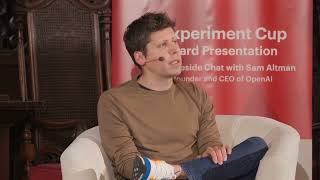
Sam Altman says most AI startups are building narrow solutions that work today with heavy human involvement, when they should be building products designed to improve as base models improve. He warns the narrow approach will leave them vulnerable when larger models arrive.
Chapters
More from Lorenzo


Netflix founder Reed Hastings explains why “family” is a bad metaphor for your startup

Netflix founder Reed Hastings explains why “family” is a bad metaphor for your startup

Stripe founder John Collison explains his product principle of “talking up to the user”

Stripe CEO Patrick Collison shares the tactics he used for finding product/market fit

Stripe CEO Patrick Collison shares the tactics he used for finding product/market fit




Naval Ravikant on Elon Musk: “The great entrepreneurs are always willing to start over”

Jeff Bezos explains Amazon’s process for expanding into new products like Kindle and AWS