Spencer Rascoff shares non-obvious considerations when raising venture capital
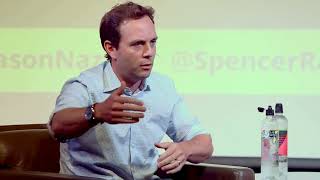
Spencer Rascoff recounts selling a company for $700 million but notes a prior down round effectively wiped out investors/founders, illustrating how financing terms can dramatically alter outcomes. He warns founders raising capital to pay attention to protective provisions (ratchets, liquidation preferences) and emphasizes that not all capital is equal — choosing investors you can learn from and who will support you may be worth trading off a higher valuation, since inflated valuations raise expectations and can make otherwise-good outcomes look poor to VCs.
Questions this video answers
$700 million (speaker: Spencer Rascoff).
More from Lorenzo


Netflix founder Reed Hastings explains why “family” is a bad metaphor for your startup

Netflix founder Reed Hastings explains why “family” is a bad metaphor for your startup

Stripe founder John Collison explains his product principle of “talking up to the user”

Stripe CEO Patrick Collison shares the tactics he used for finding product/market fit

Stripe CEO Patrick Collison shares the tactics he used for finding product/market fit




Naval Ravikant on Elon Musk: “The great entrepreneurs are always willing to start over”

Jeff Bezos explains Amazon’s process for expanding into new products like Kindle and AWS