Vinod Khosla: A good board challenges a founder to think differently
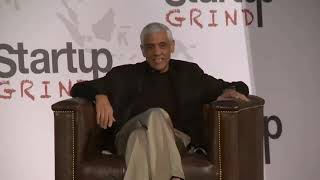
Vinod Khosla on what boards should do: challenge founders to think differently, not run the company. A good board recognizes it has limited time and knowledge compared to the founder working full-time, and focuses on evaluating the CEO rather than making operational calls.
Chapters
More from Lorenzo


Netflix founder Reed Hastings explains why “family” is a bad metaphor for your startup

Netflix founder Reed Hastings explains why “family” is a bad metaphor for your startup

Stripe founder John Collison explains his product principle of “talking up to the user”

Stripe CEO Patrick Collison shares the tactics he used for finding product/market fit

Stripe CEO Patrick Collison shares the tactics he used for finding product/market fit




Naval Ravikant on Elon Musk: “The great entrepreneurs are always willing to start over”

Jeff Bezos explains Amazon’s process for expanding into new products like Kindle and AWS