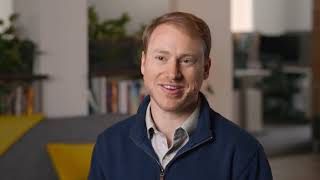
Brian Devaney (investor at VC) explains what investors look for at seed stage: a founding team with a genuine reason to work on the problem and deep customer/market understanding; evidence the team can ship an early product (even if imperfect) and iterate from user feedback; traction that can be product usage or extensive customer conversations (examples cited: ~70 and ~200 conversations); clear near-term (1–3 year) plans aligned with a long-term vision; and consistent execution pace. Red flags include founders who refuse to learn/adapt and teams unable to ship a first version within ~9–12 months (except for highly technical or large-data cases).
Chapters
Hi, I'm Brian Devaney, I'm an investor at VC and we're going to talk about what investors look for at seed stage. So a lot of what we look for at seed stage starts first with team. Why are they working on this problem? Do they have a unique reason to have an understanding of the problem, space, the industry that they're going after? So while there's a temptation to start with thinking about what do investors want to look for from a quantitative perspective, a lot of what we start to evaluate is why is this team going after the problem in the first place and do they have a real reason to, whether it's have a unique insight into the market or a unique understanding of the challenges of the customers they're going to be targeting. So we usually start there, this intersection of the team, the problem and the market that they're going after. And once we understand that, a little bit more we go into have they shown an ability to get a product in front of people, even if it's early, even if it's not the final product and vision that they have for the business? A lot of what we look for at seed is do we believe this team can put something new out into the world and work together, either by themselves or with others to start in doing that? While that doesn't necessarily lead to direct revenue milestones, and it does de risk the idea that this founder and their team can get something in front of their customer type and then learn and then keep building on top of it. So even if your initial product in a market is not your revenue generator, it does show to a seed stage investor that you can start to learn from your customers where they would get more value from the product. Often founders come to us and they ask, how much traction do I need to raise a seed round? The reality is that most seed rounds are so early in a company's journey to revenue. So when we talk about traction, that can come in a number of different ways at seed stage. And sometimes that can be in product use, but other times that can be traction in learning traction in number of conversations. Sometimes we've been absolutely blown away just by the number of conversations a founder has had with their target market. So we've had a number of founders who are targeting a problem and maybe they have some early users, but we are trying to understand why they're the right fit for the problem. And within minutes of meeting, they make it clear that They've talked with 200 potential customers. They've found that the majority of them have the same exact type of problem. They present us with pages and pages of notes. We really pay attention at that amount of work done and just how deep on the problem the founder has gone. I think it's really important to pull forward at seed stage. What's the work that you've done to really prove to yourself and understand from the market that what you're building is going to make a very large impact. One example that's really blew us away is we met with a founder who was not coming from a customer support or customer success background, but had gone out and talked to 70 heads of customer support and understood their entire tech stack and what was missing. And when we would go back to the founder and ask them about what do you think about this solution or do you feel that this is competitive? The clarity of thought around how the parts of different software fit together in the industry and where they were going to play, who they were going to complement, who they were going to replace. They really had that depth of knowledge and despite not coming from the industry, they, they had really done their work to be able to, at the sort of top of their mind, present back to us, here's where we're going to play, here's what we've Learned in these 70 conversations, here's what we heard consistently. And so even if you know that deeply as a founder, really pulling that forward and having those conversations with investors is critical at the seed stage. So on the other end of the spectrum, one thing that we've seen are founders who maybe they have one or two conversations and they're really going by their own gut, despite not having lived the problem or not having done the work before. Even for founders that have come from an industry, we still look for them to balance their assumptions because over the years that they're going to build the business, the market will change, their needs will change, new competitors will come in. So we really want to look for this ability not only to match your own intuition and your own gut, but then actually get out into the world. And so one thing that's definitely a red flag for us is if a founder is just so set on their vision without complementing it from learning and adapting, that's definitely something that can be underwhelming. One red flag on the product front that we see is maybe a founder's been working on the business for six months, nine months, a year, but still has not been able to get the first version of something out into the world. We're not sure if the pace of execution over the coming years is going to be there. Now there are exceptions for a highly technical product or something where you're amassing a very large data set, but generally we look for founders who can move quickly and get product out in the world, learn from their customers and the inability to do that over a 9 month, 12 month time frame is generally a red flag for us. So I think the mindset we look for is someone really on the beginning of a years long journey. So we spend a lot of time trying to understand what's your ultimate vision, what do you want to build, what change do you want to make in the world. And the most successful founders that we work with, they have a longer term vision but with clarity of thought around what they're going to do over the next one to three years to move them forward. So we look for this ability to move between your long term vision and what change you want to make in the industry you're targeting and then how you're going to start making progress in the near term.