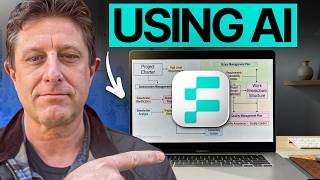
Marc Chabot says the real bottleneck in enterprise projects is the planning phase, where IT, security, legal, and finance need alignment before work starts. He built FourSquads, an AI system that automates planning by finding missing information, identifying stakeholders, asking the right questions, and mapping dependencies and requirements in minutes instead of weeks.
Chapters
Everyone is talking about AI right now. Every week there are new tools, new use cases, and new ways to automate work that used to take hours. But the place most enterprise teams haven't touched yet is the planning side of things. Now, I've spent 20 years inside enterprise software watching companies scale, and the one thing that consistently separated the teams that executed well from the ones that stalled was how efficiently they planned before work started. And this planning process used to be something that you had to do completely manually, but that's no longer the case. And that's why I wanted to make this video to show you exactly how to replace manual project planning with AI, automating the things that are taking up way too much of your time before execution even starts, and how you can go from idea to fully structured plan in minutes. Let's get into it. The problem has never been execution. It's everything that has to happen before execution starts. Every major initiative touches multiple functions at once. IT, security, Security, legal, finance, operations, line of business. Each of these groups can move fast on their own, but they're not always moving towards the same thing. And you don't realize it until someone makes the wrong call halfway through the project. So before anything reaches execution, someone has to untangle all of this manually. Tracking context across stakeholders, coordinating inputs from different functions, managing documents, all while trying to stay on top of the problem that keeps getting more complex. And every bit of that falls on the people running the project. And the frustrating part is that the tools most teams are using weren't built for this phase. Project tracking, tickets, task management, and dashboards are built for after the work starts. Almost nothing was built for the part of the project where the real problem is still unclear, the right people haven't been pulled in yet, and nobody knows what they're actually working toward. Now, after speaking with hundreds of enterprise teams planning complex cross functional initiatives, something's always consistent. Teams are moving fast, but not everyone was working from the same understanding of the problem. Work was always starting before anyone had actually mapped out what depended on what, and you end up making calls mid-project that you wouldn't have made if the plan was solid from day one. Most AI tools only make pieces of the workflow faster, like research, drafts, summaries, documents, but nobody was solving the orchestration and collaboration side of it. And that's the part that was still taking up everyone's time. This is exactly why I built FourSquads. It's a multi-agent AI operating system built specifically for this planning layer, and it puts AI to work on the planning itself, not just the formatting of it. I'll leave a link for it below in case you want to give it a try. What it does is use multiple AI agents together to actively explore the problem and project you're planning. It doesn't just organize the information you give it, it also surfaces what's missing, what's been overlooked, and the things that need to get resolved before execution can begin. One of the things that matters most in this phase is knowing who actually needs to be involved, and what FourSequels does is intelligently identify the right stakeholders based on the individual initiative you're describing, including people you may have not thought to pull in yet. So instead of finding out halfway through execution, 3 or 6 months later, that legal or security should have been at the table from week 1, you know that before the plan's built. And AI helps you prepare these stakeholders for helping with the project and then ask them the right questions at the right time to ensure they're aligned. And manages the approvals back to these stakeholders when required to ensure alignment is maintained. From there, it structures the project with goals, uncovers dependencies, detailed requirements for project success. And with alignment built in from the start, what you end up with is a fully structured plan with defined goals, mapped dependencies, alignment, and accountability locked in before a single line of code is written, or you're engaging a vendor, calling a vendor and trying to procure them. And none of this changes who's in charge. Leaders are still making the calls and teams still own the outcomes. But the work of managing all the complexity no longer falls entirely on the people running the project, which means you're not spending the first 3 weeks of a project sitting through endless meetings just trying to figure out what the project actually is. The platform starts building out your planning framework automatically based on what you give it. This is totally customized for each and every project based on its unique context. Agents automatically perform research and start exploring what's important to know. From there, it surfaces the stakeholders who should be involved and maps out the problem structure and all the different dimensions this unique project needs to explore to ensure a comprehensive approach and close all potential gaps and mitigate all potential risks. Should we engage one more stakeholder to finalize an outstanding question? Are we missing a key perspective? Do we understand the ROI in detail? Have we thought through how to deploy and train the team? So instead of spending your first 2 weeks just figuring out who needs to be in the room, you have that on day 1, all brought to you and organized by Force Equals AI agents. You can then invite those people in and collaborate inside the platform. And don't worry, the AI keeps everything synchronized as things evolve. So you're not starting from scratch every time somebody new joins the project. Most tools right now are built for after the plan exists, but now you have something you can use to build a robust plan in the first place and do it way faster than ever before. So if you want to stop wasting weeks on the planning phase, get your stakeholders aligned before execution starts, and walk into every initiative with a fully structured plan already built, you can start using Force Equals for completely free by clicking the first link in the description. You'll be able to describe your initiative, let the platform surface everything you'd otherwise figure out manually, and have something ready to execute on in minutes. Again, you can start for free by clicking the link in the description. And if you want to learn how companies are handling thousands of projects using AI, then check out this next video.