The Highest-Paying PMO Career Path in the Age of AI
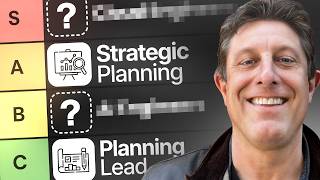
Marc Chabot breaks down how AI is killing traditional PMO coordinator jobs while creating five new high-paying roles: Enterprise Planning Lead, Director of Enterprise Planning, Head of Strategic Planning, AI Planning Systems Architect, and Agent Orchestration Lead, which pay $160k to over $320k. The shift favors people who design planning systems and govern AI workflows instead of managing coordination tasks.
Chapters
Right now, AI is splitting PMO careers in half. Some roles are becoming less relevant each month, and the demand and pay for others is going through the roof. We're talking the difference between a $60,000 a year career and a $300,000 a year career. And between building an AI planning platform and working with enterprise teams every day for the last 20 years, I have a pretty good idea of where this is heading. And in this video, I want to walk you through which PMO roles could become Ops elite, which ones are paying the most right now, and what skills get you into the top roles with the top pay. Let's get into it. Let's start with understanding what the traditional PMO career path looked like. For a long time, it was pretty predictable, moving from project coordinator to project manager to senior project manager and then PMO manager and eventually PMO director. And the compensation had a pretty clear progression as well, from around $60,000 to $80,000 at the coordinator level, up to $100,000, $240,000 for the PMO director level. The path worked because the value a PMO professional delivered was tied to how well they could coordinate people, track progress, and keep projects moving. But a lot's changed about which roles inside the PMO are worth the most. That's because AI is automating a lot of the coordination and tracking work that used to require entire teams of people. So the roles focused on tracking tasks, following up with people, and keeping meetings on schedule are the ones organizations are starting to need less of. And the roles that are growing in responsibility and compensation are the ones focused on designing how projects get structured, making better planning decisions, and working with AI systems across the organization. Plus, the PMO itself is evolving alongside these roles. The PMO of the next few years is less about tracking and executing projects and more about deciding which ones get prioritized and how they get structured from the start when they're just ideas. And that change is creating new roles that didn't exist at scale just a few years ago. By the way, if you want to see what it actually looks like when AI takes over the coordination and tracking work we just talked about, you you can try FourSquads by clicking the first link below this video. It's a platform I built where you can experience that firsthand. Now let's keep going. Let's talk about the roles themselves, starting with the Enterprise Planning Lead. This role is responsible for structuring how multiple initiatives move from idea to execution across the organization. So Enterprise Planning Lead isn't running one project, they're designing how all projects get planned and run across the organization. And compensation for this role typically lands in the $160,000 to $210,000. Then there's the Director of Enterprise Planning, which sits above that. This person oversees the planning frameworks used across major initiatives at the portfolio level. So instead of one planning system, they're accountable for how the entire organization decides what to work on, in what sequence, and with what resources. The salary for this level typically runs $190,000 to $260,000 annually. And at the top of the planning focus track, you have the Head of Strategic Planning. This role connects what senior leadership wants to accomplish to the actual work happening across teams. Meaning they're the person who takes a business goal and turns it into something teams can actually act on. They source ideas to hit the goals and evaluate the portfolio of potential projects against strategy, leading to prioritization recommendations. Compensation here reaches $220K to $320K and above. Now, alongside these planning leadership roles, there are two directly tied to AI. The first is the AI Planning Systems Architect who owns the systems that coordinate AI agent workflows across teams. That's a $200,000 to $300,000 a year role. And it's growing because enterprises running hundreds to thousands of AI and transformation projects simultaneously, they need someone who understands how to build and plan the infrastructure, not just use it. These systems are complex and require deep stakeholder alignment and compliance collaboration so that risk is mitigated, the system can scale and deliver the desired impact. And this is just critical new role that's emerging. It directly in the PMO landscape. And then there's the agent orchestration lead, which is the person responsible for supervising the AI agents across the line of business once the agents are operational, keeping humans in the loop and managing insights and change. That role typically lands in the $180K to $250K range. And the thing all these roles have in common is that they're about the planning work that actually moves the business forward in the agentic era. All of them are about designing and overseeing the systems that make sure the right projects get run the right way. And that's what separates these roles from where most PMO professionals spend their careers in the past, where the primary job was keeping projects on track, not designing the systems that decided which projects should run in the first place. So now that we've covered which roles are paying the most, Let's talk about what actually gets you into them. The first is an understanding of enterprise strategy, meaning you can look at any project and explain how it connects to what the business is actually trying to accomplish. A lot of people in these roles never built this skill before because they're always focused on only one or two projects at a time. Usually when you look at one or two projects, you impact a thin slice of the overall picture. And never know or control for what the business is trying to do overall at a strategic level. But if you don't have an understanding of enterprise strategy, you can't look at 50 competing initiatives and make a credible case for which ones actually move the business forward, which ones you need to stop, which ones you need to engage the team and stakeholders to develop further. AI agents can help you with the context and details, but you need to build the muscle memory to connect strategy to ideas and impact and develop frameworks for project prioritization. The second skill is knowing how to work across departments and get senior stakeholders on the same page. That's because these roles require you to take what the business side wants and what the technical side can actually build and find a way to make both work. With the complexity of agent systems, compliance, guardrails, Both sides need help. From there, AI workflow design is becoming a core differentiator. Most planning leaders have spent their entire careers managing people, but now AI is doing a lot of that coordination work, and most of them have no idea how to oversee that. You need to know what work gets assigned to agents, how you supervise what they're doing, and when a human needs to step in. The people who figure this out early are going to be the ones organizations can't afford to lose because there aren't many who really understand how to use AI agentic systems yet. And the last skill is knowing how to make sure all of that AI-driven planning work is actually being done the right way. As more planning activities get handed to AI systems, the human leadership and PMO becomes responsible for ensuring those systems meet regulatory, operational, and strategic requirements while keeping guardrails and humans in the loop for key decisions. And most PMO professionals have never had to think about this before because it wasn't their job until now. In agentic systems, we're not working autonomously on behalf of the business. Now, all of these skills do the same thing for your career. They move you up from coordinating work to owning it and orchestrating the systems that design work. And they put you in a position to get paid a lot more in your career. So if you want to start, getting hands-on experience with the kind of AI planning work these roles are built around, check out Force Equals by clicking the first link in the description. Inside, you'll see what it actually looks like to have AI agents coordinating complex planning work across stakeholders, how to work at the intersection of strategy and prioritization. See how to own and orchestrate this new enterprise planning operating system for your team. Which is exactly what you need to be familiar with if you want any of these new roles. So again, you can try Force Equals for free by clicking the first link below this video. And if you want to see which PMO roles are being completely replaced by AI, then check out this next video.







