how happy mammoth scaled to 8-figures with "boring" ads (+ toilets and dad bods)
Mario Castelli breaks down Happy Mammoth's eight-figure ad strategy, which targets aging men with identity language like "dad bods" and "moobs," paired with timeline proofs (day 1 through day 28) and oddball visuals of toilets. The ads layer testimonials, simple mechanisms like "slow gut," and charged B-roll to sell a supplement that melts belly fat.
Questions this video answers
Prebiotic collagen protein (Happy Mammoth).
Day 1, Day 3, Day 7, Day 14, Day 28.
Claims quoted include 'over 200,000 men are already using it', '40,000 happy customers', '60 day guarantee', and '837 scientific studies on PubMed'.
Chapters
All right, what's going on, everyone? So today what I'm going to do is break down some more ads, but for this one, I'm going to do a little bit different. Instead of just breaking down an individual ad, I'm going to look at some of the top performers that I see for one brand across kind of different accounts that they have and do. I don't know, we'll see what comes of it. But instead of just looking at one ad in micro detail, we will go detail. We're going to look at like the set of ads, the themes, what's coming up, what are some things they do? Right? What are some things that, you know, maybe could be improved? Right? What are some new ideas that potentially could be out there? And hopefully this will be helpful. So the brand here is Happy Mammoth, which is ironically a mammoth in the D2C space. I don't know exactly how much volume they do, I just know that they do a lot of it. So I went ahead and I'm using this tool here, Ad Spy. It's one of my, one of the few Ad Spy tools that I use and, and just looking at some of their different accounts. So we'll go through some of these top performing ads and I'm basing this off of likes, basically sorting these by likes across different accounts that they have here and seeing how long they've been running, et cetera. So the first one I'll look at is this one, which appears many, many times. So let's watch it. We may not watch the whole thing, but we'll watch a few versions.
This got rid of my beer belly in seven days.
No joke.
My gut was out of control. I blamed it on drinking, food, stress, but nothing worked. Then one of my friends at work who looked like he just dropped 15 pounds overnight, told me to try prebiotic collagen protein by Happy Men First. I was like, okay, sure, another supplement. But I kept hearing about it. Gym buddies, Reddit threads, even my girlfriend's brother was talking about it. So I gave it a shot. Day one, I felt lighter. By day three, way less bloating. By day seven, the belly that I thought was fat, gone. Turns out I didn't need to cut carbs or do extra cardio. I needed to fix my gut. Prebiotic collagen protein helps balance digestion, reduce inflammation and support your gut lining. And clearly it works. There are thousands of five star reviews for a reason. So if you're stuck with a bloated belly that won't budge, nudge, do something about it click the link, fix your gut, lose the bloat and gain your confidence back. Try Happy mammoth prebiotic collagen protein today.
Nice. One thing I noticed honestly is like a lot of these ads are pretty straightforward. It's not to say that that's bad. I mean, they're doing a lot of things right. Obviously they're doing a lot of things right. But yeah, the ads are not, not even too crazy. But we'll kind of point out some of the things that I see. One thing that I think they have done a good job at, like, obviously they're using branding. It's not like hard hitting direct response. Like they're using like clean branding. They have a brand to protect, even the music itself. They're sort of like a light feeling to it. They're not hitting you over your head with stuff. But one thing that they're really good at is finding that balance between sort of like a more branded upbeat approach, but while still using a lot of direct response principles. So one thing that just keeps coming up is I think their naming and their characterization. It's not crazy, but it's good and it's consistent. So for example, talking about things like hidden hormones, I think in other ones they talk about this idea of like slow gut. That's the real reason why you have xyz. They're very consistent with using things like dad bodies, moobs, man, man boobs, things like that. Again, it's like weight loss. Basically everything becomes in health ultimately becomes weight loss. So even though this is a prebiotic supplement, that's one of this, one of the strongest. I, I hesitate to even say secondary benefit because I think the main benefit is just to eliminate bloat and things like that. So super smart. And again, this is the kind of.
Need to cut carbs or do extra cardio. I needed to fix my gut.
Yeah, just classic weight loss type stuff, right. I didn't need to do carbs, I didn't need to do cardio, etc. Turns out I just needed to fix my gut. So again, they're very consistent with a lot of the copy blocks that they use. Right. Even this body copy. I didn't expect to demolish my dad bod and moves in three weeks. Again, I think this is one thing that I just see consistent across all the different ads that they have is using this language, which is good. I can only guess that this appeals to like aging millennial men. I don't know exactly what their demographic is, but using just being so you don't need to be crazy. But being clear and specific and precise with your language is super, super key. They have a little story, right? It's one sentence but hey, it's a little story. I met this guy, he told me this uh, science back clean formula created by nutritional scientists. Again they're using proof right in there. Science backed clean formula created by nutritional scientists. It's not the strongest proof in the world but again the just the consistency and this is one of the things that's, that's really powerful is like when you understand the principles of direct response. When you understand copy blocks, when you understand how to write copy, you can adjust it to whatever sort of tone you want. You can write a totally like Gen Z style ad that still uses different copy blocks. You can write any ad that's funny and humorous, right? Like a True Classics or Harmon Brothers ad or an ad that's light like this. Still use the same direct response principles and you can write the hardest hitting most black hat clickbank VSL that you ever wanted to with insanely aggressive language. It still uses copy box. You could adjust your dial of intensity however you want. You're in control of that. But a lot of the underlying principles remain the same. The other thing too that they also do consistently, we'll look at a couple other examples is they do this process of day one, day three, day seven, day 14, day 28. This is so, so key, like demonstration. Again I'm not the one to discover this. It's been talked about ad nauseam by tons of other people, copywriters like Ben Zavinga. But like demonstration is one of the most powerful things that you can possibly do. So you always want to be looking at your product like for one of the brands that I'm working for right now, it's like you want to be looking at, looking at the product and thinking about like how can I make this just as tangible and dimensionalized as possible. And one way is that you, you can usually do this especially with something that has some sort of outcome like especially health products is you do what happens when. That's what I call this process. So what happens when you take it? Day one, day three, day seven, day 14, day 28. It gives structure to the experience and there's a lot of things you can do when you play around with that timeline. One thing for example that I like to do is really try to impress upon them that hey, it's like a especially something that's a consumable like this where you want them to use it for a Long time, but it doesn't actually matter. I want to impress upon them almost like an exponential curve, right? So hey, first day you're going to feel a little bit this and talk to them about the tangible things that they're going to notice, right? My stomach wasn't gurgling and I didn't feel heavy after lunch. Right. Even if it's a small sign, just something very tangible instead of something like, oh, I felt better. Right? Which is hard to quantify. It's like one very specific kind of thing that happened. And then you're basically implying hey, day one, day three. But then you hit this critical threshold and everything. It becomes like a virtuous cycle, right. All of a sudden the fat just decides to release on top of you. And then that increases your metabolism and that increases your energy. And the energy increases how much you want to exercise, which increases your confidence, which increases how much you want to go out. Suddenly you're more active and suddenly blank, blank, blank. And it's basically almost like this elevator that's taking you to heaven, right. Once you hit that critical threshold. And that's one thing that you could do. So I like the fact that they play around a lot with this, like what happens when timeline. And I think almost, I can't really think of any sort of product where that wouldn't benefit from that. And the underlying psychology is to make sure that you have like some sort of demonstration. Again, that's not, that's more like an abstract sort of like semantic using words to express the demonstration versus an actual visual. But the principle still applies. So that's that ad. Let's look at a couple other ones here. So watch this guy. Let's look at this. So the slump shoulders, the gut hanging over my jeans. I barely recognized myself. Who was that guy? It was like staring at a stranger who hijacked my body. The guy used to be the athlete, the risk taper. Even the halfway decent looking guy felt like a distant memory. Had getting older really turned me into this? I thought I would never be the man I once was. But thank God I kept searching for answers and found this bloated belly. Killer gas pain, feeling sluggish after meals, energy crashes, the dad bod. It doesn't have to be that way. I'm not a fitness guru, some nutrition zealot. What I've uncovered about bloating metabolism has shocked the experts. Okay, again, classic direct response stuff, right? This is shocking the experts, but it's not overdone. The key to a flat belly isn't about willpower. It's not this. It's not that key constraints. It's about fixing a hidden problem called slow gut. Again, just look at the. It's like, this is like the basics is what I would. The basics basics and advanced basics. It's just very straightforward, very key copy. It's super, like, low. Like, the language is super, super easy and light to read. And you're just hitting those points over and over and over again. Okay. And it's not overdone, it's not crazy. And we even have a metaphor. Think of your gut like an engine. When it's running smoothly, it burns food or energy, keeps you bloat free. But after 35, stress, processed food and certain medications can throw those. Throw sand in those gears. Your gut slows down. That means less fat burning, etc. Super good. Again, you know, it's over 35. So again, it's probably like an older millennial audience. And this is just classic with aging is sort of like you want to return to glory, you want to return to the past. So it's cool. A lot of like, very light identity stuff. I'm not a nutrition expert or I'm not a nutrition zealot. I'm not some sort of fitness expert. I'm not somebody that's like, crazy. I relate to you, you know, what do you say? Turn me to the man I never once was. So there's like very, very light identity stuff. But again, it's all of the basic principles just done. Well, all right, let's watch this video.
90% of men are ignoring this about dad bod. They think dad bod is because you're getting old. In reality, the main reason behind it is a slow gut, which basically means your body isn't able to clean out food properly, so it sticks inside your system and turns into unwanted fat. I wish I would have known this sooner. As I hit the gym for years, counted calories, and avoided parties to manage those sugar cravings. I did it all only to feel hopeless, see no results, and blame it on my willpower. Once I found out about prebiotic collagen protein from Happy Mammoth that is proven to fix slow gut, things started to take a turn. I flushed out all the same saturated toxins from my insides. My fit T shirts are back in action, and I've the confidence to go shirtless on the beach. Its hydrolyzed peptides act like a natural glue for the gut lining, promoting regularity and detox by sealing cracks. My wife cannot stop telling her friends how fit I've become over 40,000 happy customers. My son says I can still get into his basketball team. Gut healing ingredients validated by 837 scientific studies on PubMed. My tummy doesn't bulge out. It's only tucked in jerseys here on get this and reclaim your fitter self.
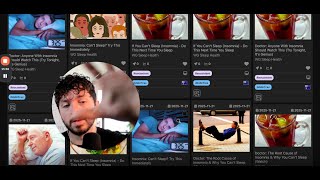
Yeah, I mean, I think the big. The big takeaway that I'm getting from this is like, just to make sure whatever brand you're working on, or if this is your own brand, just go through the list. Maybe if that's interesting, I can put together a list of those things. But it's very classics, right? Watch the Copyblocks video or buy the training that I have below to go deeper on it and just understand copy blocks. And. And there's a few other things on that list. But we talked about identity, right? So creating a sort of identity that people can relate to, they don't feel intimidated by. It's like, I'm like you, but almost. But what worse the constraints, things that they don't want to do. Pain points. And exactly how they describe those pain points, relevant to their age, their demographic, their culture. Right? So, you know, a boomer might not be talking about man, man boobs and dad bod. Right. But an older aging millennial. Yeah, probably just older. Older millennial will resonate with that language, right? Getting the tone right. We have these, you know, nice little funky guitars and stuff like that. Right? Which is. Is great. I guess the millennial will love that. I'm a millennial. I'm talking shit. But. But you have the right tone, right? It's, It's. It's a nice tone that's relevant to them. Make sure that you have a clear mechanism that's. So this is slow. Gut. It doesn't get any fucking, like, simpler than that. It's, here's your gut. It's slow. Or here's your something. It's too fast, it's too slow. It's too fast. It's too much. It's too little. Like, easy. This thing is broken. Pick a very, very simple characterization. Make sure you have a strong metaphor that explains it. Make sure you're eliminating the constraints on their identity and not attacking them. Hey, it's not your. It's not your fault. It's not your fault. It's actually your gut. It all comes down to this, a little story. I met this. I met some guy at the gym who did whatever. Which basically means you're one thing I also love that they do is their B roll. They have a lot of this, like, weird, like, oddball B roll. It's not even that relevant, but it's just. It's, like, borderline relevant, but it's more so just interesting to watch. Same thing here, which I thought was really good. They do a lot of, like, toilet imagery and stuff like that, which for probiotics, that's. It's gross, but that's typically what works. He's putting his foot in here. Yeah. And then the other things, like, very specific pain points. So instead of just like, oh, my bloated belly, it's like, I was able to fit into my shirt. I didn't need to, like, tuck it in or something like that. And then also having good and strong visual future pacing. My wife was saying, wow, how much fitter you become? And stuff like that. It's like. And then connecting it to the emotion. It's just the basics. This is just like roast chicken and boiled potatoes, but it's just done right. There's nothing crazy, nothing fancy. And, you know, there's a lot that you can do there. Here's another one, too. We'll kind of skip ahead and look at this one. Just a basic static ad. Again, you need to know, like, it's really interesting. This is true across all markets. I don't know it for every market. I haven't worked in every market. I worked in a lot of markets, but most markets have very specific symbols or imagery that they resonate and, like, respond to. All you have to do, honestly, is go into, I think, like an S T R E X. It's for native ads. That's one of the best ones. And you can sort by different pain points. Let me see. I'm going to pull it up real quick and see. All right, so this is sleep. This is. This is what it looks like. This is the search for sleep. Again, there's nothing ever too fancy, but you can scroll through it. And again, a lot of people are probably testing the same thing. And so it makes sense, right? People are swiping each other and just testing whatever. But even if you do all the filters and you look historically and you look at what's performing, it's like people sleeping, people looking at you with big eyes. Weird kind of tease. People are responding to weird kind of tease. People looking tired. Brain scans and gummy bears for right now. So it's like, all right, well, how many categories do we have? We have, like, gummy bears, some kind of weird snack that people recognize. But it's like, okay, take a tablespoon of that. Interesting. We have tired looking guy looking there. We have guys sleeping in weird places. We have weird tea. And the other one too, that I'm not actually seeing here. Pull it up. Maybe if we sort. There's these other sort of like cartoon ones that I see all the time that I don't see on here. The point is you can see these themes over and over and over again, right? So it's just like, all right, here's the buckets of possible ads. Let's just make different versions of those and then we can start to test ideas sort of outside those buckets, right? So how many different types of beverages or teas? This looks like a Diet Coke in a frosted glass. A frosted mug, right? What's another way that we could show that another type of demographic, A person we could show. Let's look at like maybe heart. And let's give it. Just give it a little. Just a little juice. Okay. It's getting mixed up with some other things, but one thing you'll find is like, you know, people obviously talk about cardiologists, but you're going to start to see like, types of things, right? This, whatever this thing is, Pickles, these medical animation images of like calcified arteries, drinks, blood pressure monitors, and then like medical imagery of hearts, as well as a bunch of these kind of like blister packs of pills, right? So when you sort this. And again, it'd probably be easier if I had the right things, but it's like when you sort this, you see like such common themes. These images are things that people respond to. Now my point for bringing that up is if we go back here, it's not fucking rocket science, but it's like whenever you're selling a probiotic or a gut product, and I've worked with a bunch of these, it's like talking about toilet imagery. Poop out the fat, stuck poop, dry poop. It's pretty gross market to work in. But like whenever you talk about that stuff, that's what people respond to so many times as you just show imagery of this type of stuff as well. The other thing that's as well, my point is when you do that, it tends to work well. The other thing is, like when you like show there's certain sort of images and things and symbols in life that are just charged. Money has a charge to it, the bathroom has a charge to it, et cetera, et cetera. So whenever you kind of put like feet kind of have like a borderline charge, like some people fetishize them, some People find them gross. There's just things that like have a natural, energetic, emotional, cultural charge to them. And whenever you put those things together, that's what people respond to. And oftentimes in a market, the thing that people respond to is the thing that also has that kind of charge. Right. So my whole point is like it's kind of long winded way of saying just put a toilet in here. But you see this, this thing come up, right? It's in their B roll. You see them like stomping there. I think there's probably some hooks in here where they're like stomping into a toilet, you know, just putting actual poop. I've seen some of their recent ads which are just like a dried version of some turd and something else. This guy sort of struggling. That's the kind of stuff that's going to work. So my point is try to find what that is in your market. Because markets have a mind of their own. And once they know, once you know what that symbol and that thing is, find ways to incorporate it in unique ways. But you're usually not going to get that much juice putting in different symbols. Right? So you know, if they're responding to feet, do a bunch of feet. Just figure out different ways to do feet. If they're responding to medical animations of heart, do that. If you're responding to a Chinese guy sleeping on a chain outside, more Chinese guys. Okay? That's the, that's the lesson of this. More Chinese guys. Okay? So this is cool. It's a nice little animation. It's this guy taking a, a dump. The reason I want to put this out there is because I like this idea. I drank this for 14 days and it drained my beer belly. One of the thing I've talked about on this channel before and I talk about it with people all the time. I think it's one of the most important things you can do in any market. In fact, we're doing a call in Genesis next week specifically on this topic. Like one dedicated call which is how do you come up with this is true in the health market. But it's like, it's true in any market. It's universal. But let's just focus on the health market for right now. In the health market, every sort of like body feel is associated with or every sort of problem is associated with some sort of body feeling. Okay? So you know, again, one of the brands I'm working with is inflammation. And there's different ways to characterize this. You can talk about Inflammation leaving your body. Or you can talk about, in this case, electrons coming in, flooding your body and healing your body. Right? But understand these are two different mechanisms of action. You can do both of them. You can talk about something leaving your body or something coming into your body. Let's look at the brain market. When people think about like memory and brain fog and stuff like that, do they think of something depleting in their brain or do they think of something bad being put onto their brain? Now typically most people think of brain fog as something external fog bad coming into my brain and messing it up. Or in the more like memory based markets, they think of plaque, they think of buildup, they think of toxicity, they think of dirt and gunk and stuff filling in my brain cracks and I need to get rid of that. Okay? Now the reason why this is important is because if you come out with a supplement and it's like, oh, I'm going to recharge and I'm going to put energy into your brain that will recharge your memory, it can still work and you can be convincing with it. And there are ones that work for sure. However, there is a natural friction with the way people already have made a mental image. And again, the reason I'm talking about body feel and image is because it's in this weird borderline place in people's brain that's not exactly words. It's not language. It's like pre language. It's a mixture of like sensation of how something feels and sort of just like, like I, I don't know how to describe it. It's, it's a mixture of an image and a visual and a way you feel and like that. So people feel like there's gunk in their brain, they want to remove it. So your supplement, ideally your mechanism of action should be about removing something in the brain. And I've done many, I've done different types of brain fog and memory promos and stuff like that. And that's exactly the thing that we took in this case. We're talking about beer belly, right? Talking about the fat that's accumulated and we're talking about draining it, like literally letting it just like melt off your body. Which is exactly what people want, right? So melting, draining this sort of language, those verbs are really, really powerful because it conjures up an image and when you pair that, the words with the right image and feel that you're trying to convey and then you also put a really great visual of this stuff happening, that's insanely insanely. Powerful. I think anyone can get a lift. I think literally most health copy is just a game of playing with those that and then not fucking anything else up. Okay. Hopefully what I said made sense. That's a little more advanced, a little more abstract. But I think it's insanely powerful. And I like that. And they're pretty consistent with it, right? Talking about, you know, slow gut, speeding up the gut or draining beer belly, draining fat, things like that, which I think is super, super key. Here's another image here, which is an example of a. What happens when you showing just a timeline, right? To. To make something more demonstrable. I think that's really key. Let's see, maybe we'll look at one more and then I'll do my overall notes.
90% of men are that same one.
Okay, here we go.
This is how I went from dad bod to rocking the beach without a T shirt. Look, I fought with the stubborn beer belly for years. I tried everything. Hitting the gym five times a week, cutting beer and carbs, but nothing worked. Then I discovered the real problem wasn't exercise or diet. It was my slow gut. This German scientist figured it out. Our gut slows down after 30, trapping food and toxins inside that make your belly blow up like a beer keg.
So again, it's like got a nice little rocking guitar and a, you know, little tongue in cheek. But it's just hitting the basics. Hitting the basics. Cutting beer and carbs. And look at this B roll. Like, that's. That's great. Just put a toilet in there, right? That's. That's great. I think adding those is. Is powerful. Then we have this little story. This German scientist figured it out and tell us where he's from or who he is or whatever. He's just a smiling German scientist, right? Doesn't need to be that crazy. He figured it out. Our gut slows down after 30. It's not rocket science. But then it traps food and toxins. And then we're showing a nice little medical image. And then it makes your beer belly, your belly blow up like a beer can. This is super subtle, but this is a nice. Like this little sequence right here is perfect. Hey, it's not this, it's not that. It's called slow gut. This German scientist figured it out. He discovered that your gut slows down. And then a very strong image, it traps the toxins. And then we're actually showing the visual of it, and then it creates a problem. But we're putting the problem in your exact language. And being a little tongue in cheek by saying it blows up like a beer keg. That's art. It's not art, but that's, it's good. That's good copy. It's just the basics that make your.
Belly blow up like a beer keg. So I tried his solution. Just one scoop of prebiotic collagen protein every morning. Honestly, I didn't expect much, but man, was I good.
Skepticism, basic. I didn't expect much. One scoop, super easy wrong.
The bloating was gone even after meals. Pretty soon my clothes started fitting differently. My pants became so loose that I had to tighten my belt by two holes. Plus I noticed I didn't need my afternoon nap anymore. I just power through the day like I hadn't aged in the last 10 years. Just one scoop daily. That's all it took to get my confidence back. Over 200,000 men are already using it to get rid of, of their dad bods. And it comes with a 60 day guarantee. So you can try it completely risk free. Click below to get started.
Nice. Again, super, super simple ad. Yeah, that's, that's all of it. Let's look real quick at some of these. Yeah, these are just my notes on the things that I pointed out and I think I already pointed out those things already. This weight loss emergency plan, my four week plan. Again, this is sort of another variation on the what happens when connecting it to time. Cool. Now if I were, I'm going to riff a little bit more to go through it and hopefully that was helpful to kind of break it down. So if I were to kind of come on this account and be like, all right, well, what other things that we can, can we do? Right? How do I look at this ad? So again, the first thing that I do is I'm trying to look for the winning elements. So I'm going to be looking at the concepts, the angles, the styles, the hooks. Okay, that's what I call cash. Organize it like that. And I'll be looking for all the other sort of winning ingredients that I see. I see a lot of oddball, B roll, the mechanism, these specific pain points and references, the storytelling, timelines, things like that. And all I'm looking for is like, okay, this is everything. These are all the elements that are broken down. This is the stuff that I think is working. So I'm going to start making guesses around which elements do I think are the most important. And then all I'm going to do is figure out how many different ways can I say that how can I make it stronger? How can I do more of it? And how can I just do it in like a wackier, more attention grabbing way? And then when I've sort of as, as I'm doing that or when I've exhausted that pool, then I can start to look at adjacent things. Right. So maybe for instance, people are responding to images of a toilet. So I'm like, okay, well the toilet is, has natural energetic charge and it has to do with digestion and gut. What other things might be there? Well, poop is the obvious one. You could do like a porta Potty. You could do an outhouse. Maybe show people like pants around the ankles, stuff like anything. So I'd be looking for specific symbols that are going to match that. Okay, if this oddball B roll is working, I'm like, what other sort of oddball B roll might be out there? Okay, if people are responding to these stories, what other sort of adjacent, similar stories might be in there? So I try to, you know, you could do this with AI, but you have to lead the conversation. I'll ask it, hey, people are responding. Here's my demographic. They're responding to the story. Can we dig into the psychology of why they might be responding to the story? Give me multiple options. It'll go through them and I'll be like, okay, I think these are the ones that make the most sense. Okay, so given that, can you help me come up with new stories that would trigger these same sort of emotions, maybe combinations of them, or more intense ways that are like the story I have but different? It'll give me a bunch. Okay, I like these seven out of the 30 that you gave me. Can you give me more like this? Yes. Now you have a list of 20, 25 different ideas that you can now test just around the story element. Okay. So again, it's an art, more than a science, but it's a mixture of. Let me look at the winning ads. Let me break it down into its component parts. Let me feel what I, what I feel emotionally when I watch them and try to figure out what are the component parts that make the most sense. Then all I'm trying to do is more of them. I'm trying to combine and stack them. I'm trying to make them better, make them stronger. And then I'm trying to kind of, you know, make guesses that are adjacent sort of outside that. Right. If that makes sense. So if, you know, maybe the Y flirting is a really interesting angle or part that we could go through. Yeah. So One thing that I think, new things to test is this sort of idea of like catastrophizing and intensifying. We sort of talked about this already with the what happens when. But one powerful tool that you can always use is like, yes, you have the immediate problem, but you paint the picture, the negative picture of what happens when. So it's like, oh, this happens and this happens and this happens. Your confidence goes down. Then this happens and you start balding and then everything falls apart and you no longer have the strength and you're stuck in this black hole of pain, right? And you're. You're slipping, you're close to this black hole of pain and then reversing that. But if you just do this, this little tiny action, it's going to snowball into this huge effect that you get. Okay? It's really, really powerful. Intensifying the benefits. And future pacing. Again, this doesn't mean you need to make uncompliant claims. You just intensify the emotion behind it. More oddball visuals and imagery. I would go crazy with it. It's working. Do more, but more bathroom connections. Weird sort of taboo type things. Massive proof bible. I think you could do a lot stronger with the proof. You know, you don't need to be heavy handed with it, but you can be probably a little more specific and talk about that. Deeper storytelling. They're hitting on it, but I think there's potential for deeper ones. I think going even deeper into the zeitgeist and the memes and things that their audience might respond to. Deeper backstory. Backstory. Cool. And the other thing I like to do is sort of play around with the characterization. So we have drained beer belly and then we talk about slow gut and speeding up the gut. So I'd be looking at, are there other sort of characterizations that are in that ballpark? That would also make sense. And obviously more animations. These are the type of concepts that we have. I'd be testing different angles, right? So quizzes, generational divides. An unlikely teacher. Somebody was like, I'm a fat retired PE teacher or something like that. Looking at trends and virality. Accidental and new discoveries I think are always good. And then trying different styles. Whiteboard cartoon animations, podcasts, founder ads, green screen, B roll and memes. Right. Should be trying different things. A lot of what we're trying to do is figure out, okay, here's what's working, what parts are making it work, how can we do more of that in a different way? That's it. And better Right. I think it's a hormozy thing. More better, different stuff like that. So do more of it, do it in a better way and then start diversifying from there. So that's how I look at this. Let me know if this sort of layout and framework was actually helpful, if you prefer sort of going line by line deep into an ad. The reason I like this approach, by the way, just to sort of advocate for it, even though I asked for your opinion. But I'll advocate for this approach because it's really. You're looking at an entire ad account. You're looking at all the messaging together because the particulars of why one ad hits versus another, you're sort of guessing. Right? You can look at copy just for copy sake and look at good copy principles. And I'll still continue to do those ad breakdowns. But I like to kind of look at holistically at the messaging and the themes that you see, because that's really what's scaling. It's a. It's an entire campaign versus a single individual ad. Although you do have standout ads. And I am going to go deep into one specific ad coming up soon. So anyways, let me know if this was helpful. What else you want to see on the channel? There's a bunch of links below. Always if you want to go deeper into my stuff. And I appreciate your time and attention as always. And that's all I got. Peace.
More from Mario


easiest way to make $30k/mo as a creative strategist (I’ve helped 100’s of people)

how to write hooks so dangerous you break people's brains (4-step "deep fry" process)



The Complete Creative Strategist Pricing Guide for 2026 (Every Deal Structure I've Seen)


this copy instinct framework makes you a monster at ads (nobody teaches this) pt. 1


why "insight vectors" are the most valuable marketing concept of 2026 (I didn't want to share this)