to write million dollar ads always use THESE 6 curiosity triggers first
Luke Eha breaks down six curiosity triggers that make ads work: metaphors, paradoxical questions, nicknames, testable proof, quizzes, and surprising culprits. He shows how to use each one to write hooks across any niche, from dog training to health, with templates and prompts to speed up the process.
Chapters
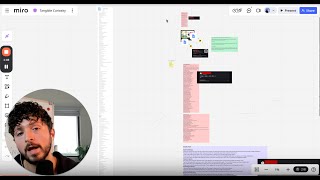
All right, what's going on everybody? So I'm gonna make this video which I'm gonna call to right. Winning ads always do these six things before each script. And basically what I'm gonna be talking about in this is the concept of what I call tangible curiosity, which if you do any kind of copy ads, Even organic posts, VSLs, this is one of the highest leverage skills that you can do just from a creative perspective to write amazing ads. And it is so simple. Once you go through this process, I'm gonna like give you six different ways you can come up with tangible curiosity. You will always be able to come up with amazing hooks. And the thing is like most people don't do this, most people don't know how to do this or don't have a system, or they just get lazy and they don't realize how much money and attention and effectiveness they're leaving on the table because they do not do these things. So like genuinely, whenever I start a new project, I always go and cycle through these different pieces of tangible curiosity because the hooks I'm able to come up with, the fascinations I'm able to come up with, the framing and everything else becomes so much better once I know these tactics. And you can use them in every niche, every vertical. It's amazing. I would say a lot of like the really aggressive, more advanced markets think like weight loss or biz op to some degree, but more so like things like weight loss or whatever, a lot of them are pretty good at tangible curiosity even though a lot of times what they do, they do it on accident. And in this video I'm going to show you how you can do it on purpose. And if you take this to other markets, so take this to service based businesses, take this to less sophisticated markets, it's going to work so, so well. Okay, so let me break it down. What I'm going to do is I'm going to show this is an email that I wrote which is a reason to be on my email list where I outlined this process. I'm going to read through the highlights real quick, then I'm going to go through each section on this video of all the different types of tangible curiosity. I'm going to give you a prompt which again you can access this Miro board, I'll share it and I'm even going to give you a template for how to find these as well as specific bots that you can use to like put your information in and you'll be able to figure this stuff out for yourself. Okay, so let's dive in real quick. Six forms of tangible curiosity. So here's some examples of tangible curiosity. The Verzaska river and the Swiss Alps. Why is it that some animals live longer than others? Why do these 2,500 year old teeth look better than yours? If you watched any of my video again, you've probably seen these. I think I just did a video yesterday on these topics, but, but we're going to go through them a little bit more. Maybe you've seen things like ice water trick or purple peel or fizzy drink. Maybe you've seen things like take this 30 second quiz to see if you have hidden thyroid syndrome or which of these vegetables is secretly making you gain weight. All of these are examples of types of tangible curiosity that you can use that have all worked really, really well. They work as leads, as emails, as ads, they work as hooks, et cetera. So I'm going to tell you the six different forms. So number one is metaphors. Most people know metaphors, so this is not groundbreaking stuff, but it's very, very simple. What you do is you take an idea from your offer. Typically your mechanism, your mechanism is the best one because what you're trying to do in copy and marketing is you're just trying to shift people's beliefs. Okay, well, there's a few things you're trying to do. You're trying to get attention, you're trying to shift people's beliefs, you're trying to eliminate their constraints and you're trying to increase the amount of desire either away from pain or towards a desire that they have. That's really all you're trying to do in marketing. A big component of this is shifting beliefs. Okay? That's why inside of Genesis and the programs I do, I train people on how to get super clear around which beliefs are gonna. If people have these beliefs, they're highly probable to buy your product. What beliefs do they currently have and what are the tools and techniques we can do to bridge their current beliefs to the existing beliefs that you would like them to have in order to make it a high probability event that they'll actually buy your product? Okay, so one of the ways that you can do this is with metaphors, right? Because the thing is, people do not wanna expend cognitive energy to figure things out. So metaphors are a really easy way for you to connect something to something they're already familiar with to make it click for them and get the aha, epiphany moment that something works. So, so this is why you Want to do it around your mechanism. Okay, so, for example, natural metaphors work best. So thinking about the health market, for instance, oh, your joints are drought, or your metabolism is like a fire, or your blood pressure is like a pipe. Right? So you're using natural metaphors. But again, you could do this all the time. You could say your business is like, basically is like some sort of infrastructure system or is a pipe. Right. You could also talk about buttons, right? If you just install this one switch into your whatever, it's going to boost your conversions. Okay? You could do this in any market imaginable. You could do this in trading. You could do this in anything. Natural metaphors. So trees, rivers, waterfalls, fire, mechanical metaphors, things like buttons, switches, doors and gates. Again, you probably could see tons of examples of a fat loss burning switch or things like that. Okay. Or object metaphors, right? This VSL is like a hamburger. Or how this goldfish can get you. Get you laid. Okay, that's more of an example of analogy. But all you're doing is you're taking ideas and concrete things that people already know and then you're connecting it to the ideas and beliefs that you want them to have, typically your mechanism. The other one is the paradoxical question. Again, I have a whole video on this channel around paradoxical questions. And I have a bot super underrated. If you're watching this and you haven't watched that video, go and do it. Trust me. Like, it's one of the most underrated things you can do, right? I will preach it forever that you need to be doing paradoxical questions and people will still not do it. And that's fine because I'll be able to make more money because I'll be the one to do it. So watch this video and go ahead and do it. Okay? Either way, I win. If you do it or don't do it, I think I win. All right, So I won't go too deep into that again. We have a video that's on here. The next one is characterizations. So these are nicknames. There's an art and a science to coming up with them. So Ice Water Trick, Joint Drought, Eggshell Hack, Purple Peel. Again, these are in health, but you can do these anywhere else. Right. We talked about sometimes it's the name of your product. Right? So we're doing a product called like Infinite AI Ads Machine. Right. That's not a great example of a nickname, but it does help a little bit more. If I think of other examples, you could do things like the Lunch Break Millionaire Trading system. So characterizations and names and nicknames are really important. I think too many copywriters put emphasis on the words, okay? When at the end of the day, it's typically the ideas that are way higher leverage than specific words themselves. The only exception to this is what I would call characterizations, because these nicknames do a lot. These nicknames can communicate a lot in a short amount of time. So, for example, my business partner, I also did a video on this, breaking this down. I think it's called the most hypnotic sales letter ever. Something called 1000 buyers a day was the name of the product. And this is really, really powerful because what you're trying to do is you're just trying to get this idea into people's minds that if they were able to do an offer that did 1,000 buyers a day, their whole life would change. And so examples of all these people whose lives changed because they were able to have an offer that did a thousand buyers a day. So this is very short. It's not too crazy. But that's such a powerful idea, because if people really start connecting to that idea, all of a sudden, they're like, yes, that's what I need to do. It's anchored for them, right? All their desires and emotions and everything they want in life becomes anchored to the simple idea of thousand buyers a day. And they're like, I need to get it. And if you're the best person to provide that because you literally created the offer around it, then they have such a high likelihood of buying. So characterizations is what I call nicknames. They're really, really powerful. The secret is making them visual and concrete, usually connected to a metaphor. So if you can connect it to an object or a metaphor, that's pretty good. So Napkin Effect is not really a great name for a snoring syndrome. It's just the example that was in here. But in dating, for instance, I think we called about something called the White Napkin Effect, which was for, like, a dating offer. And what I like about that is it's very concrete, it's very tangible again, and it creates a lot of curiosity. Okay. There's a whole art and science on this inside the copy blocks training. I think it's 27 bucks below. We go super deep into characterizations, and I can do a video on that later. But if you don't want to wait for that video, just go ahead and get that, because I go super deep into characterizations there. The next one is testable proof. This is where prospects can do something either in real Time or by reflecting on a past experience. So something like, take a look at your fingernails. If you see this, pull back the skin on your hand. Check your dog's ears. You're telling them to kind of verify something like, if you wake up in the morning and your joints are stiff, right? You're drawing them back into the product and connecting it to your mechanism. Then there's the quiz, right? Quiz funnels are blowing up right now for E. Comm. For really anything. They're doing really, really well. So you can do those openings. You can do them as actual quizzes. They work all the time. One of my favorites that is very underrated is surprising culprit. So this is like basically the problem behind the problem. So it's not your mechanism, it's what causes your mechanism. So let's say you're selling weight loss. Your mechanism is estrogen imbalance in men. You can just say estrogen imbalance, right? But more importantly is if you have a surprising culprit. So you say, like the plastic in your water bottle or your toothpaste is destroying your testosterone, or the one object in your bathroom sabotaging your weight loss, okay? It's way more intriguing and tangible if you do something like this. So thinking about a surprising culprit, there usually is one, right? Even if it's not the main cause, it is still an actual cause. And it really functions for attention. So let's say, for instance, let's say you're doing a procrastination offer. And let's say your mechanism is around. Let's say your mechanism is around, trying to think of something on the spot. But let's say you're doing like a procrastination offer. Your mechanism is around something with like inner child type work, right? Where you have some sort of attachment. And so you could ask yourself, well, what is a surprising tangible cause that would trigger this, right? And you could say, like, I'm going super out on a limb. But like, let's say, for example, you can connect it to a certain kind of food, right? Or cereal or a TV show or something. And you could be like, look, here's why your Netflix could be. That's too direct. Here's why something in your fridge, right? Or something that you drink every day could actually be causing your procrastination, right? That's an example there or here where you talk about the one object in your bathroom sabotaging your weight loss. Okay? So all of these are really, really good. So quick recap on these is metaphors, paradoxical. Questions, characterizations, Testable proof quiz and surprising culprit. Okay, let me show you a quick example. This was on a call with somebody who's inside of our group, and they have a dog training program. It's an info product around, like, leash pulling. Okay. So again, we were coming up with ads for them. The first thing I'm going to do is come up with a bunch of this because these are insane amounts of ad. Like the amount of ad concepts you can come up with. Like, you can have a million surprising culprits and tons of metaphors. It becomes so easy. Okay? So what we did is we generated a ton of examples of tangible curiosity for each type. So a metaphor was like, your dog's brain is like a radio picking up a million different signals at once. Okay. Now I could do something and be like, holding up a radio and being like, it's not a radio, but imagine it is. Like, here's why this radio is determining your. Your dog, right? Whether they pull on the leash or not. Done. Okay. Or I can just show a picture and be like, this is what's happening inside your dog's brain on walks, right? It helps them connect to the mechanism, which in this case is the idea of, I think it's sensory overload. Okay. So another one is a paradoxical question. Why does your dog pull harder when you try to pull back? Okay, good. That's one that works right? Now, Ice cube trick, right? Here's the other weird ice cube trick. Can help your dog stop pulling on your leash. I want to know what the fuck that is. And again, here's the thing with curios is oftentimes you start from the curiosity thing and then figure out how to make it real. I don't advocate for making things up. Okay. But I do advocate for if you're trying to look for, like, high creative and highly unusual and unlikely things you gotta have to explore in places most people are not looking at. The obvious answers are all done. Most people are gonna make the mistake and be like, well, my mechanism doesn't have an ice cube in it. So how do I make this work versus the other person who thinks from curiosity first? And you say, all right, well, what if I want to do something with ice cube? All right, well, let me go to ChatGPT or Pokemon or Claude and ask it, how can an ice cube potentially help your dog do whatever? And then how can an ice cube connect to my mechanism? Inevitably there's a connection, even if it's kind of tenuous, right? Even if it's kind of light. There's always a way to balance it. You're like, yeah, you just use this simple ice cube. You put it on the back of the dog's ear and they focus, right? But obviously you're not gonna be walking around with ice cubes in your pocket all day long. So what can you do instead that's gonna be able to get their attention from the squirrel onto you? Well, blah, blah, blah, blah, blah. That satisfies people's curiosity right away. And. And you still get to leverage it, right? And you're not making up anything. It's. It is true. Okay. And you're connecting it to your. Your mechanism. This is the technique that you need to do. Most people are so boring. They don't know how to do high curiosity stuff, and that's why they just get stuck doing the same thing as everyone else. Okay, testable proof. This 5 second nostril test determines if your dog's about to pull. Right? So look at your dog's nostril when they're about to. Your right nostril when they're about to walk. Boom. That's actually what they're using, and it's working. Which leash. Leash position makes your dog pull more? Or these brands of kibble are making your dog's behavior worse. Do you see how, like, these just kind of get your dopamine, like, you just kind of get your brain working. You want to know what these things are. So there's a lot that you can do. Okay, so again, just to keep going, I call this brick Logic inside of Genesis, which is a terrible name, but it comes from this creativity test of how many things can you do with a brick? Most people say five things. Build a wall, throw it, doorstop, whatever. But creative people come up with 500 to 100 to 200 things. Paint it, stand on it, use that as a weapon, start a protest, carve it into a sculpture, create. So creativity, it's a literal, scientific measure of creativity. Comes down to all the use cases for a brick that can come up within a certain amount of time. So really creative people are just able to have these very tenuous, strange connections. They're increasing the amount of connectivity between ideas. That's what you need to do as well. And this framework is going to help you. So instead of going through your product being like, well, let me see a metaphor, try to think of the most crazy paradoxical questions or the most crazy quizzes or surprising culprits possible. Then try to connect it back to your product. And if you Go in that way you're not limiting your curiosity or your creativity. You'll be able to come up with really good ideas that are out of the box that other people are not thinking about, but have high likelihood of winning. So let me go a little bit deeper on here. This is a prompt for a metaphor. Again, I think reading through this prompt is going to be powerful. So please identify any specific beliefs, ideas or important points that could be turned into metaphors to aid a belief shift or general understanding in the service of moving the sales argument forward, especially the unique mechanism. List those five to ten core beliefs and then provide metaphors for them. And I provided examples on here. Okay, so again, you can just screenshot this or you can opt in and I'll share the board with you and you can just go right to the board and you can steal it. And there's also a prompt and a bot to literally just put your information in and it's done. When it comes to paradoxical questions, again, this is from the other video, but I have an entire video most powerful question in marketing, which you can go and look. And I have this document here, which is a lot of the transcript from that video, which is really, really powerful. And then I have A list of 500 different paradoxical questions from almost every vertical imaginable that you can use. Okay? And I have a bot. Again, this bot is pound for pound, one of the most powerful ones. I really shouldn't be giving it away, but if you're happy to be watching these videos and you're early in on the Luke Eha mission, then go and get this bot. It's going to help you a lot. Okay? And here's some examples of some really powerful paradoxical questions here. Why is it so hard for an adult to learn a new language when young children have no problem learning multiple languages naturally? And how do these 2,500 year old teeth perfectly preserve, et cetera? These dogs are the same age. These are all winning paradoxical questions, like real funnels, real sales letters that made millions of dollars, all built on these questions, characterizations. Again, this is something I should not be giving away, but it's really, really powerful. Okay, so the key is transforming ordinary delivery mechanisms into something that feel both novel and practical. Okay, so all of these things in here are super, super powerful. Okay, so instead of a language course, you're talking about the movie mimic method, right? Five minute story scripts, the mirror practice protocol, coffee, conversation cards, so really, really powerful ones on there. And again, I have a bot that you can just Put your information in. There's no instructions on these bots for the most part, but the way to use them is just put in your sales letter, put in any ideas you have, and just say, give me X, give me characterizations, give me X. And go back and forth with them. They're not all going to be perfect. You got to use your judgment and taste, but trust me, it'll work pretty well. Here's an example of testable proof stuff, right? Press your thumb into your skin, into your shin for five seconds. If it leaves an indent that takes more than five seconds to bounce back, that's a sign of water retention. Put a penny in your tire tread with Lincoln's head down. If you can see the top of his head, you need new tires immediately. Okay? So that could be a great fascination. I'm gonna show you a weird penny trick that will determine if you're about to. Your tires are about to blow up. You know, here's an example of some quizzes. So this is one for dental. Can you guess which one of these jobs has the highest risk of dental decay? Is it wine, Somaliers, competitive swimmers, battery factory workers, or basketball coaches? I'll give you the answer in a few minutes, and it will shock you. But more importantly, it could hold the key to restoring your pearly whites. Imagine waking up every morning with a smile that lights up the room. Okay, so as an example of a quiz opening, here's another one. Can you guess which of these toothbrush bristle conditions has the highest risk of oops. Is silently killing your gums? Is it slightly frayed bristles? Bristles with the yellowish tinge. Bristles that are bent at odd angles. Boom. Again, two different quizzes, both for a dental product. And you could use a million of these for any other product possible. And I have a bot that will help you do that as well. For surprising culprit, your protein shake is secretly sabotaging your gains. Kind of a hack or a pro tip for using surprising culprits is if you can come up with something that people think is normally good and explain why it's bad. That's amazing. Especially if it's something good that they don't want to do. Here's why these vegetables are making you fat. Okay. Is a really, really powerful one. But you can also talk about, like, a bad thing is good or a neutral thing is bad, etc. Etc. Okay, This is like super. Like, don't use this one. This one is obviously AI and it is not good. Okay, that's way Too much of a, of a, of a stretch. Okay, but here's a, here's a good one, right? Like plastic. Here's why your cutting board could be making you fat. Right. That's a really great example. And we have ones on here. Again, none of these bots are going to be perfect, but they're going to be very generative and give you tons of ideas, which is typically what people need. And then you just have to go and be the one to choose them. Okay, here's a really basic template. Literally do this before you write anything, before you write ads or sales letters. It's going to make them so much better to go through that process. And then inside of here I have a template with specific links to the bots that you can use. Okay, so the links are on here and you can use those. Pop them in and you can get everything is that you want. The only thing that you have to do in order to get that is down below. There should be some place to just opt into the email list. You're going to get everything, all the transcripts, all the bots, pretty much everything I've done and will do. You'll get access to that document, including this Miro board, which I'll put on there right now. Also below here, there's a training like I mentioned called Copyblocks training, and it's just $27, but it's like our copywriting 101. It's literally years and years of information condensed down into like a super, super great small info product. People have told me all the time when they watch it that it's, it's amazing and it goes really deep on characterizations, deeper than I could on this video, this. So that's a great one. There's some other links on there as well, including like an AI newsletter, all kinds of stuff. So check those things out. The last thing I'm going to put on there, and again, I don't know, it's only going to matter if you're watching this video in the next few days is that we're doing a workshop called the Infinite AI Ads Machine. Okay, I'm going to put this link on there again. This link is only going to be available for a few days, so if you're watching this later, sorry, but you know, there will be ways to get the replay if you're interested. But this is going to be really cool because we're just basically talking about everything you need to do ads, both the actual thinking of it. So you become like an absolute weapon if you're a creative strategist or you're a business owner and you need really good ads. Trust me, like, you will literally come up with infinite amount of ads that have a high likelihood of winning. We've been doing this for a long time. It's going to be awesome. Give you a bunch of AI steps and processes to do things with, like soar ads, static ads, all that other kind of stuff. Okay, so that's if that's interesting. I'll just put that link on there so you can check that out as well and let me know what other videos you want to see. And with all that said, thank you so much. Peace.
More from Mario


easiest way to make $30k/mo as a creative strategist (I’ve helped 100’s of people)

how to write hooks so dangerous you break people's brains (4-step "deep fry" process)



The Complete Creative Strategist Pricing Guide for 2026 (Every Deal Structure I've Seen)


this copy instinct framework makes you a monster at ads (nobody teaches this) pt. 1


why "insight vectors" are the most valuable marketing concept of 2026 (I didn't want to share this)