Tantrum vs. Meltdown
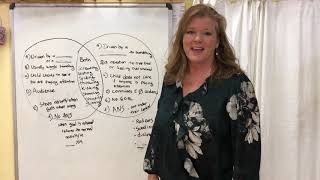
Mary from Ohana OT breaks down why tantrums and meltdowns look similar but need different responses. Tantrums are goal-driven and stop when you give in; meltdowns are sensory overload with physical signs like red ears and sweating, and they need calming strategies like dimmed lights and bubble-blowing to regulate the nervous system.
Hi, magnificent moms and dads. This is Mary from Ohana ot, and here with another pep talk, parent empowerment program talks. And in this talk, I'm going to talk about the difference between a tantrum and a meltdown. They're very different. They look the same, though. So they both. You'll see screaming, hitting, spitting, throwing, kicking, shouting, stomping, swearing. Just, you know, these horrible behaviors that are. They're just going crazy with them, and they can look exactly the same. But there's some really big differences between the two. A tantrum is driven by a want or a goal. So they want that piece of candy, they want that toy. You know, something like that. They want to keep playing on their little game or something. The meltdown is different. It's driven by a reaction to something. So the reaction is causing them to feel totally overloaded, overwhelmed. And they don't care if anybody's paying attention. It's just. Their body just reacts to it and it will continue even if there's no audience, there's no goal for it. So a tantrum, on the other hand, they want some things, and they're checking to see if you pay attention. If you walk away. They're. They're looking to see, are you. Well, are you still paying attention? A meltdown, they don't care if you're paying attention. And it's gonna. It's gonna happen even if there's no audience. The tantrum really needs an audience. If nobody's paying attention to it, they're just kind of. What's the point? They just kind of will stop. Another thing with the tantrum is it will stop abruptly once they get what they want. So they're pitching a big fit, and you give in and you give them that piece of candy or toy or whatever, and then, oh, I got what I wanted, and they're just happy, as happy as anything. And you don't see any autonomic nervous system symptoms, which I'll go over in a minute. With the meltdown that you see when the goal is achieved, when they get what they want, they're able to return to normal activity in five minutes, very quickly. So that is a big difference. Okay, back to the meltdown. We know it's a reaction to something. They're feeling overloaded, they're feeling overwhelmed. They don't need an audience that's going to keep going whether they have an audience or not. They don't care if anybody's paying attention because their body's just reacting. There's no goal to it. They just Feel out of control again. It looks the same whether they're screaming, hitting, spitting, kicking, shouting, stomping their feet, swearing, whatever it is. But here's another big clue. They're there are autonomic nervous system symptoms. So you will see their ears are turning red, they're sweating. They are, their pupils are dilated. And here's the big thing, they can't turn it off. They can't. And it can go on for 45 minutes to 60 minutes easy. I've seen them go for a couple hours. They just can't turn off that adrenaline and just goes and goes and goes. So a meltdown. They really need help getting their bodies to calm down. One thing that I will just go ahead and include this in this video that we have found that really makes a difference is turning the lights down and having there not be a lot of visual stimulation of other people in the room. But turn the lights down, there's some kind of natural response to the body starting to calm down. When the lights are down, we have a little disco ball. When those little light up balls, a little bit of visual distraction. And watching something moving slowly is calming as well. But the big one, and if I was to do parenting all over again, I would keep these in my purse in a Ziploc baggie. Is bubbles. Bubbles are magic. They're visually distracting. But if you can get three, if you can get them to blow three times, it's enough to change their nervous system. It's enough for their body to get oxygen to the brain, to get them to start calming down a little bit. We have pulled so many kids right out of a meltdown with lights down, disco lights and bubbles. It's our magic formula. So give that a try. But the main thing is that with the lights down and you might not have the discolete thing handy, but just the lights down or even a flashlight to look at, they involuntarily respond to it. Their body just responds to that. Change the environment, just change. So they respond to that. And if you can do anything, if you just tell them to take a breath, they're not going to do it. But if they will blow a couple of bubbles, two, three breaths, it's going to change how they feel. So meltdown, tantrum, big difference between them. Driven by a want or goal for a tantrum, a reaction is something. Meltdown, tantrum, they want something, they're checked to see if you're paying attention. They need an audience for it. And it stops abruptly when they get what they want. And you're not seeing all those autonomic nervous system symptoms, and they can go right back to normal activity in five minutes. A meltdown is completely different. They're reacting to something. They're feeling overwhelmed. Your job is to help them regroup. And it's going to continue whether anybody's paying attention or whether there's no audience, there's no goal for it. They just feel out of control. But the behavior, it looks like they're just pitching a big fit. So that's where it gets tricky. It looks the same, but you're gonna see other symptoms. You're gonna see sweating, you're gonna see red ears, you're gonna see dilated pupils. And they just are unable to just calm it down on their own. And it can just go on and on and on and on. So it's our job to help help them get control and help them get calm again. So hope that's helpful. Hi again. I am so glad that you took the time to watch this video, and I'm really proud of you because I know you're busy and it takes time to sit down and focus and learn something new. And just really proud of you. Give yourself a pat on the back. You're going to see this after each video because I just want to reinforce you and just let you know I'm proud of you. Change isn't easy. Some of these things. You hear the idea and then implementing it. We're all habitual, so it's not always easy to do. So just do your best to make little baby steps forward and make little changes that are positive and keep watching. So see you in the next video. Aloha.










