How Eric Weisser Built a $65 Million E-Commerce Distribution Business
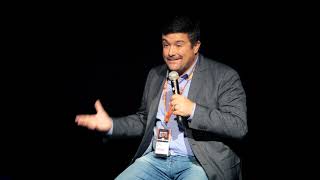
Eric Weisser took over his father's distribution company in 2010 with $200,000 in EBITDA and grew it to $65 million. He switched banks to secure inventory financing, migrated from QuickBooks to NetSuite, and expanded from South Dakota to Nevada while keeping seven core values that prioritized avoiding 80-hour weeks.
Questions this video answers
1978
2010
About $200,000
NetSuite (now part of Oracle)
Approximately 20% (they remain involved)
Chapters
So Wiser Distributing was started here in sioux Falls in 1978 by Eric's dad, Bob. Eric joined the team in 2010. Was it? Right? Yeah. Eric joined the team in 2010, and since then they've gone from selling auto parts locally to selling globally and expanding their product lists. So Eric's going to join me today. We're going to have just a quick Q and A about kind of Wiser Distributing and what they're up to. So I'll hand this to you, I'll turn on my other mic and I'll start asking you a bunch of questions.
I don't know if, do I have to turn this microphone on, Jeff, or am I good to go? Sounds good. Jeff Pickett's up there, everybody.
Hey, thanks, Jeff. Yeah, big thanks to Jeff and Bobby for doing all the video and audio work today. So, Eric, when I kind of started researching this, one of the first things I did when I kind of looked at Wiser Distributing, poking around your website, things like that, is I saw that company culture was a huge thing. And I do believe mentioned even kind of like the seven core values, things like that. Where does, where did that kind of company culture cultivate from? And secondly, how have you been able to kind of maintain it throughout at Weiser?
That's, that's, that's a fun question. And I thought about this long and hard, but it started the very beginning. My mom told my dad one day, it's time for you to retire. Slow down. My dad said, oh, tough decision. So he called me up and he said, would you be interested in taking over this business? It's a one person business. I knew a lot about it. The short story was at about $200,000 in EBITDA. So it's a legit one person company. And at the time I was a high school teacher. And it would have been just foolish for me to say, nah, I don't think so. So I agreed to come back and tongue in cheek, my mom's here somewhere. She told my dad, now, there's one rule that I have. Don't let this business ruin Eric's life like it ruined our life. Now, the story behind that is he was working like 80 hours a week. And they never got to take like week long vacations like everybody else that worked at Wells Fargo or Sanford, all the, you know, all the people that have perfect lives. And so that's where we started. This was like, we're not, we're not just going to work our tails off. We're going to do this the right way. And that's when we hired our first employee. Like we asked them questions like, what do you need from us? It's not what do we need from you? And so it was a mutual understanding of we're not going to work 80 hours a week, we're going to do things the smart way. And so my dad's 80 hour work weeks together ended up being like 30 hour weeks at the very beginning. And so we're both entrepreneurial says, what else can we do here? So the rest is a history, as they say. We started selling some things online.
Yeah, cool. Awesome. So I think another thing that's, that's pretty great about this is that, you know, when we think about sometimes the Midwest or maybe small businesses, we think about a family owned business kind of, you know, is this going to be something where somebody steps in and takes over the company that I built with my bare hands or do I have a family member? You know, so that's kind of a unique thing in that, you know, Bob started this in 78, worked at it for a long time. You know, we were talking last night about working out of the garage, you know, having helpers, all that kind of stuff. So what did that look like for you as far as kind of that transition and communication and how that was successful from going from Bob being there 80 hours to a week to now probably you being there 80 hours a week.
Right. So we made just a little agreement, it was a napkin agreement. He said, you know, make a budget. He's big on budgets. I sort of made a budget. And at the end of it, he said, you can write your own salary, but whatever you pay yourself for the next five years, you're going to pay me for the next five years. And after 10 years you can have the company. Well, a lot has changed since then, but there was just a common understanding of we're going to be nice to each other. The business had nice ebitda, but it wasn't really worth anything. So we didn't have to worry about, worry about shares and, and things like that. Now a couple years in now all of a sudden we had to get a lawyer involved and trusts involved. And my sister came in the business and we had to gift some shares to make sure that this company wasn't going to go under later on. So it was really. I have to give my parents a lot of credit here. They each owned 50% of the company, which works out really nicely for gifting for young entrepreneurs, chef spouses. Having a 50, 50 company is really Good if you end up going the micro comp way of not raising funding and just wanting to pass something on. So we were very fortunate that way. And now here we are, eight years later, the napkin deal is done, but we're still going strong. And my dad still is in the company. They still have 20% of the company, so they're definitely involved and interested in what we're doing. Awesome.
Awesome. So another thing that I think impacts pretty much anybody in the room that is either a current entrepreneur or is looking to become an entrepreneur is scaling a company. So that obviously is another thing here that, that's a great kind of success story is, you know, Bob being in Sioux Falls, probably having a pretty, pretty consistent customer base, but obviously limited on being able to raise revenue. Find those next ones. So, you know, for you coming in, in 2010, what. What did that kind of look like? What were maybe some. Some immediate challenges that stick out those, those fun horror stories of growing and kind of. What did that look like for you and getting the business online and really kind of making things grow.
Yeah. So small company and with. With lots of challenges that small companies had. But the, the one thing that he did really, really, really well. And I think it started, you know, from his dad, his books were immaculate. The, the profits weren't always there, the sales weren't there. You always wanted to make a little bit more money or. But the books were really, really, really solid. And so we had that foundation which allowed us, you know, he had a small line of credit from US Bank. And as we grew, we were like, well, We've been with US bank for 33 years. Like, they're going to grow. They're a giant bank. They're going to grow with us. And at some point we wanted to get a line of credit up to maybe a quarter million or half a million dollars. And they had to bring in another vp. And that VP looks at the. Looks at everything. He says, wow, you guys don't have any term debt. Like, this is fantastic. Can't wait to work with you guys. And so we brought in a consultant named Mike Ritter to help us through this. Mike Ritter is a CFO consultant. And the bankers came back and we wanted to renegotiate some terms. We've been customers for a long time and they said no. And now what? And I was just thinking about a story. When I was. Must have been 10 years old, I went to the. To US bank that we'd been with forever, with my dad. My mom must have been busy or something, and my dad said, all right, we're going to go and sit in the hot seat. All right, dad, what's a hot seat? Evidently that's sitting in front of a banker.
Any bankers in here?
And so that's what I knew was US bank was our partner. You will cower in front of your banker and accept whatever they will give you. Well, Mike Ritter told us, well, that's not the only way we can interview a couple other bankers. So we interviewed some other bankers. They looked at this, our books, which were really, really good. It wasn't a giant company, but the books were good. And we ended up switching banks, getting more favorable terms. Basically, in my opinion is we had no term debt and we had accurate financials. And so that really, that bank loan allowed us to scale and, and buy more inventory. And if you're selling anything online, you know, inventory is really, really important and people want their product right away. So if you have it in stock, you can grow. And Amazon, you know, loves it when you have inventory in stock.
Definitely. Yeah. So I just realized I forgot to write this down, which is great, but kind of a segue into that is, you know, online it talks about kind of the system that you've used for organization. I believe it's, I think it's your CRM tool possibly that's basically helped you with the kind of how the company's been able to grow as far as the structure, you know, so certainly the debt is a big help. But as far as the actual structure of the company, communication team wide, what did that look like in being able to kind of keep things moving forward? Because certainly when you grow a company really fast, it takes lots of really good communication and lots of consistent communication.
So when I came on in 2010, we just, we had a truck and we traveled around and we would sell automotive supplies to lots of different companies and we would handwrite invoices. And at the bottom invoice, in the automotive world, some things are taxable, some things are not. We would use a calculator. It was a mess. And so I said, all right, we need, let's bring some technology. And so we had QuickBooks as our backend software and we used QuickBooks for too long. And the problem was we didn't have very good data to help us scale. And so when we looked at different CRMs and in our world the ERP is, is the key. And so we started looking at different companies and we knew we had to put a ton of data work in on the back end to just clean up 33 years of no data, pen and paper type data. And so we just said, no, we're not gonna do that. We're really like growing this company. And that, I don't wanna say got us in trouble, but at the end of the day, we had to put in hundreds of thousands of dollars to upgrade QuickBooks to something called NetSuite. It's an Oracle company now, but lots of giant billion dollar companies use NetSuite. It's been fantastic, but it cost us a lot of money to make that happen. If I could rewind for my dad, we could have done a lot of things differently in the 80s and 90s to make that change better. And so that's what powers everything that we do now. And that's going to allow us to scale 10x from where we're at now.
Awesome. So something that stuck out to me when we were chatting last night, you know, and lots of people talk about being located in the Midwest. Sometimes it can be a disadvantage or an advantage. You know, John Meyer Lemonly talks about how South Dakota is their advantage. You know, you kind of had some great things you said last night about, you know, the company's grown as, you know, have facilities in Nevada, but you know, for you keeping it here, kind of, what was that all about? It and kind of, you know, why is South Dakota an advantage for Wiser distributing?
Well, first of all, the headquarters were at my Dad's garage at 925 Kennedy Ave. So that was, we needed to stay there for a while. He, he once told me our first employee said we got to get out of this garage, get into a warehouse with, you know, proper facilities. And he said, well, what else would you, what else would you want in the facility you have, we have couches, beds, nice toilet paper, Doritos, whatever you want right here. So we stayed there. One employee too long. We had four and a half employees working out of my dad's house. And finally the thing, this is the Midwestern values, the thing that moved us was not scalability or convenience. It was we had two semi trucks parked on Kennedy Avenue at 2 in the afternoon. And he was worried what the neighbors would think. So we moved. And that was a giant move for us. But e commerce wise and what South Dakota does for us, this is, this is a big secret. Everybody knows Midwestern work ethic and everybody knows the integrity that people from the Midwest have. But in e commerce, basically we're a shipping company. And so Amazon has 65 or 70 warehouses all over the country and they use that to their advantage. They want to get product to you in one or two hours. Really, we fill the gap of the people that are willing to wait a day or two. And when you're in the middle of the country, we can ship to both coasts, relatively inexpensive, in two days. And the shipping lanes that UPS and FedEx want to fill, they like this because they're driving through South Dakota without packages a lot of times. And so we get to fill some of those trucks with packages. It's been really, really good. And we had to move to Nevada, one of our warehouses. It just made economic sense for the story I tell people is Nevada is closer to China than Sioux Falls is. And so we opened a warehouse in Nevada, and things are a lot different there. Believe it or not, when you hire employees from South Dakota, you hear, well, where'd you grow up? Mr. Webb's out there. He's from Yankton, and the people are from Scotland, from Freeman, all the towns we know. The first time I asked this question from one of our Las Vegas workers, well, I'm from Compton, and so is he, like. Oh, like Dr. Dre's songs. Oh, yeah, yeah, that Compton. And these guys are awesome. Same core values. We hired them the same way. I'd have beers with Mr. Webb and I have beers with the guys from Compton, for sure. But they just operate a little bit differently, and that's okay. We're working our way through that. But it's just a little bit different out there.
Yeah, no, it's. And that's. That's a great point geographically. I mean, if you. When you talk about being from Free and. Or being from Gregory, that's not that far away. There's a good chance to probably play each other in high school football or volleyball. And so those connections are kind of kind of unique. Switching kind of more to yourself, you know, having been in business out for a while and seen some things, being more active kind of in the entrepreneurial community. What did that kind of. Where did that start for you, as far as, you know, connecting with startups and kind of being that. Being that person in the community that's willing to kind of be a mentor, be a. Be a funder, things like that.
Sure. So selfishly, is how that started. In South Dakota, there's plenty of talented people, but attracting them to a company at 925 Kennedy Ave. Is not super easy. It's not. And then attracting them to t. We had. We were in the industrial park in t gravel parking lot, muddy, dirty, packed to the gills with people and with product, you know, with QuickBooks as our. As our basis. So just being in the community and letting people know, hey, we're doing cool things. We. Our company's a fun company. We're in where we're selling on Amazon. We don't have to worry about Amazon. We'll say we are Amazon, but we're there. And so when kids were graduating, we wanted to let them know, like, working at Sanford or working at Wells Fargo is awesome for mom and dad, but for you personally, like, is that where you want to be? Probably not. Like, let's, let's talk and if it's a good fit, come on board.
Right. So based off of maybe how many people you know in the room, this might be dangerous, but we have time for a couple questions from the audience. If there's anybody that has a question for Eric about Wiser distributing, kind of his past, anything along those lines, maybe Mr. Webb has a question.
He knows it all already.
He. My question is, what was your background before you started doing this?
And how did you make the membership? Yeah, so I was a high school business teacher, but the background for E commerce. When I was 14, 15, 16 years old, I was buying and selling baseball cards on ebay. So I really understood the mitt. When you sell online, you have to understand what does the product cost, what are the ebay or Amazon fees, and how much does it cost to ship the item. And so when you're selling baseball cards at 14, there's no risk, really. It's just a piece of cardboard. It's not worth anything. But that was my background, was I got fairly large selling baseball cards, also selling Beanie Babies, things like that.
You guys laugh, but I actually do that in my free time right now. I'm not even kidding. That's awesome. Well, I wish we had some more time because I'd asked you to tell some funny stories about Matt Paulson, but unfortunately, we're out of time. So thank you for your time today, ladies and gentlemen. Please help me welcome Eric Weiser for his time. Thanks.










