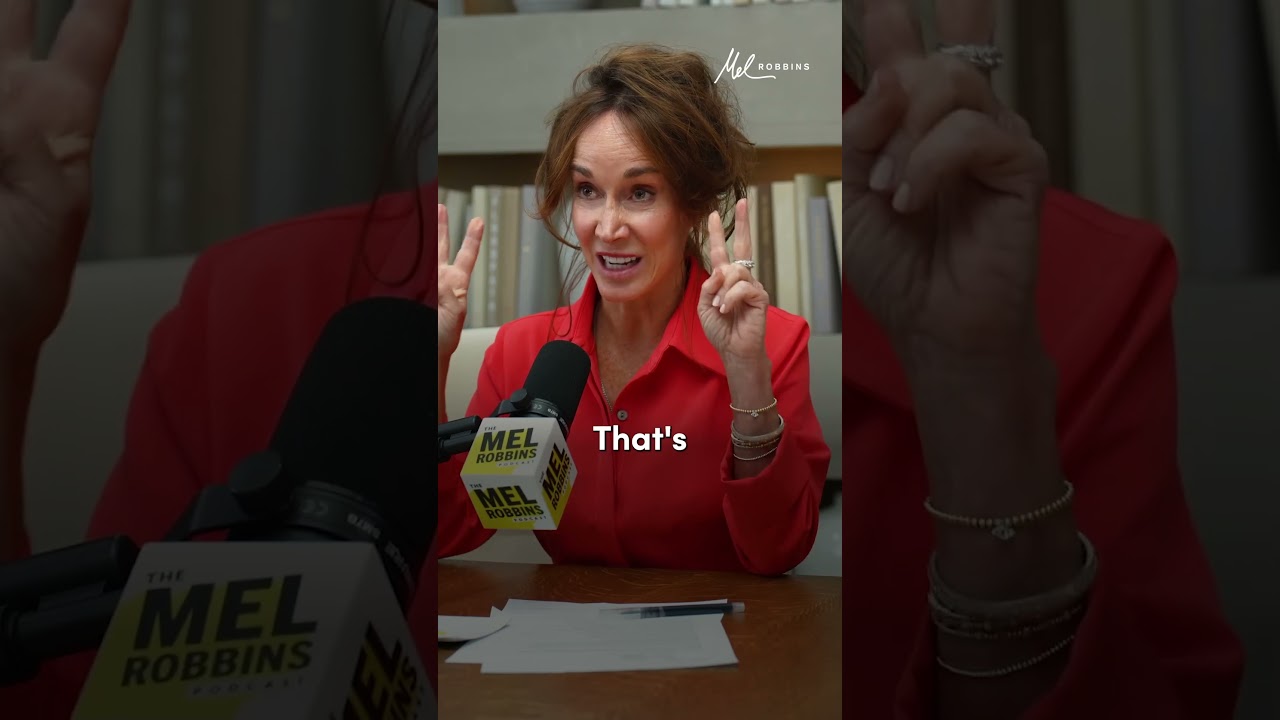
In this short dialogue, the speakers explain the concept of "mother hunger," describing how an unmet early attachment need can manifest later in life. The first sign they discuss is chronic burnout, stress‑related health issues, and impaired concentration that stem from constantly seeking safety rather than developing personal desires. They then link a range of behavioral patterns—perfectionism, hyper‑criticism, eating disorders, ADHD‑like restlessness, and people‑pleasing—to the original wound of not receiving the nurturing attachment a child needs. Finally, they argue that the human attachment system is the most powerful biological drive, even stronger than hunger or thirst; when a safe attachment figure is absent, the strategies a child uses to win love become ingrained personality traits. The overall message is that many modern struggles can be traced back to this primitive attachment wound, and recognizing it is the first step toward healing.
Chapters
The first sign I see is a lot of burnout. Mother hunger can touch our career aspirations or lack thereof, can touch our struggle with our bodies and our health. Long-term stress like this of feeling maybe that, uh, something is just wrong with me impacts our immune system. Um, a lot of us have trouble with concentration because our life energy growing up went to finding safety rather than figuring out who we are. All of our energy went into, am I okay? How do I make these people around me, my caregivers, love me? And we didn't really develop our own wishes, longings, and our attention span really got short-circuited. So a lot of us grow up with concentration difficulty.
So Is it fair to say that perfectionism, being hypercritical, eating disorders, totally ADHD, ADD, yep, um, not being able to sit still, people pleasing, people pleasing, yeah, monitoring the emotions of everybody, everyone in the room, feeling like everybody's happiness is your obligation, putting everybody else's needs ahead of your own— this all points back in your mind to —this original wound of not being mothered in the way that you needed to be.
This is the most primitive wound our body can sustain. Because here's the thing, we come here and the biggest biological drive in our body is our attachment system. We are more biologically wired to attach to someone than to eat. That's how biological this is. Our attachment system will trump every other system in our survival network. So we're wired to eat, we're wired to drink water, we're wired to attach. It's the strongest drive there is, which tells me that if, I mean, if we don't have a safe attachment person, it's gonna have a large impact. So what's gonna happen as we're little ones and we become mobile and we start moving around, the attachment figure that we have in front of us, we're gonna do whatever we can to get that person to attach to us. It's not gonna occur to us that that person, our mother or another caregiver, might be too busy, too depressed, too distracted, not well. Um, that doesn't occur to us. Not at all. That person's perfect. We love that person. We love our mom so much that we will do whatever we can to get her to love us. We'll go through whatever psycho-biological gymnastics we can That ends up forming our personality.
Hmm.
Whatever we did to earn her approval is who we become.