Cloudflare Co-Founder Michelle Zatlyn’s Advice on Hiring, Fundraising, Scaling, and more
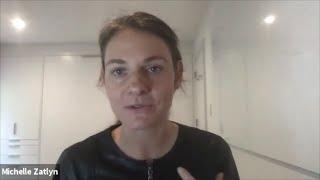
Michelle Zatlyn (Cloudflare co‑founder & CEO) discusses Cloudflare’s origin at Harvard Business School, the Project Honeypot seed community, early product and go‑to‑market choices (self‑serve freemium tiers and low-friction signup), signals of product–market fit, approaches to processing feedback and leadership decision‑making, hiring tactics for the first hires, and lessons from early fundraising (a $2M Series A in Nov 2009 on about a $4M pre‑money).
Chapters
Good afternoon. Good evening, everybody. Hello, villagers. Great to be. Great to be with you all. Great to have Michelle, co founder, CEO of Cloudflare with us for another Village Global masterclass. We're so excited to spend an hour with Michelle and learn from her entrepreneurial journey and take your questions and ideas and comments. Before we get started, I want to just pose a question that you can answer in the chat window. So the ticker symbol of the newly public Cloudflare is net, which I think speaks to their ambition in a really compelling way. What is your favorite stock ticker symbol? Is there a symbol that's as compelling as net? Type it into the chat. ADA is pretty good. You win. And we got two works. Is that is work for workday?
No slack.
Oh, slack is work. Okay. I think workday is W day. Okay. Love is good. Good pick, Caitlin. And what's Team Sam?
Atlassian.
Atlassian. Okay, so we know. We know who the public company exec is here knowing the tickers. Okay, that's great. Yeah, I like CRMs207. Okay, and then the next question we're going to start with is what you're reading right now and a few words about why you're enjoying it. So what's a book or an article or a blog or something you've read recently that you can recommend that you're enjoying? So, book recommendations. What are you reading recently? Good strategy, bad strategy. That's. That's. I enjoyed that book as well, Stedman. Who else? What else do we got? What are we reading? Five Dysfunctions of a Team. All right. One of the best selling books on teamwork ever written. Unapologetically ambitious, huh? Black wave. Hey, Isaac, good to have you with us. Okay, you can keep the book recommendations going in the chat and we're going to get started with our conversation with Michelle. Um, Michelle, good morning. Thanks for doing this.
Hi, I was just googling because I see Bill Solomon on the call. He was literally. When Matthew and I started Cloudflare, we were in his office telling him our idea. So I just was looking up. Bill, if you had a book that I should be buying, but see you haven't written it yet.
Bill, you can take yourself.
Michelle.
Yeah, no, I got. I'm older, but not that slow. Michelle. I've been writing 14 new cases for Entrepreneurial Solutions to World Problems. So the cases this week are on Southern New Hampshire University and Guild Education and we switch to clean energy next week, so. Or two weeks from now. So that's what I'm doing. I'm not reading as much as I'm writing. Yeah. Thank you. Thank you for that, Bill. So, Michelle, let's start at the beginning with Cloudflare. You met Matt at hbs, speaking of Bill and hbs, right? You guys met at business school.
Yes.
And spend a minute and just talk about the origin story of how the idea came together and then talk to us a little bit about the fundraising process. Obviously all the founders on this call are have likely recently raised money, at least from us, some other venture firms as well. But fundraising is always top of mind. So talk about the origin story at hbs. Meeting your co founder, then going out to raise that first round of financing.
Sure. I grew up in Canada and I came down to the US for business school and I went to Harvard. It was an amazing experience. It's an incredible institution. And it was January of 2009 and if you think back to January 2009, the world was a little bit of like it is now, different, but a little bit. It was right after the financial crisis and it was heavy. The world was heavy in the US and around the world. The market was way down. So that's different than now, but the market was way down. A lot of jobs were lost and HBS always did different trips and most professor led trips and they always went to countries like India or China or Israel to go learn about businesses and commerce and those global places. It was the first year that they were doing a professor led trip to the Silicon Valley. And so I, being a very chipper, entrepreneurial person, signed up for it. And I found myself on a week long professor led program to the Valley the first week of January of 2009. And it was because of people like Bill Solomon and Ann Duane who are all part of this, that it was amazing who the school set up to the 40 of us that were on that trip, we got to meet all these venture capitalists, we got to meet all these amazing founders, late stage, early stage. And I was on this trip and what was really cool about this trip is that about a third of the students were entrepreneurs with ideas. They had their business ideas and they were there to kind of push their idea forward. There was a third of the people on the trip that really wanted to become venture capitalists, like really want to go work in VC. And again, this is January of 09 and there was a third of us that wanted to go join the next hot thing. So I was in that group. I really wanted to join Google. Before it was Google or Starbucks, before it was Starbucks. So that's how my point of view was. And we'd been meeting like Jim Breyer, who's alum of the school. Mark Pincus was the big hotshot entrepreneur at the time because he was running Zynga and that was a huge success story. And so we'd met him and it was Wednesday, so I was tired. We'd been out late every night Wednesday down at Plug and Play in Sunnyvale, some of you might know that institution. And it was the early stage founder pitch, part of the programming of the week. And so these are really early stage companies, probably like yours, or where entrepreneurs standing up explaining their ideas or pitching their ideas to this eager group of HBS business school students. And I remember it was Wednesday afternoon. I walked out of the three pitches and I walked into the hallway and I said, someone else on the trip, I said, oh my God, if that guy can start a company, so could I. And I meant it in. Sometimes it comes out kind of negative. Just being like. It just kind of demystified it. I was like, this person is not special. This person has a point of view and cares about something and they're smart. Well, I'm kind of those things too. I'm passionate, I care about things and smart. And so I just had kind of. I literally said those out of notes. And I happened to say that to Matthew Prince and you know, and what is probably the best symbol for a classmate, a friend and now business partner, Matthew Prince said, of course you could. Which is like the best way to respond to somebody if they ever say that to you. And so we just to pause there.
Michelle. I just. I think it's such a fascinating. It's like the. We often talk about being inspired by seeing people like Steve Jobs or Elon Musk, et cetera. And that's a version of inspiration. I think what you're talking about is the inverse, which is, oh my gosh, that person's successful and I'm just as smart or smarter than them. I can certainly do this. What I think is a really valid and interesting way to sort of fire oneself up, to be bold and ambitious.
Yeah, I think demystifying some of this stuff is just demystifying, right? You come to these talks to demystify how do you think about sales or finding your first customers? And I totally agree. So Matthew and I in this hallway at Plug and Play, I won't take you through the whole story, but Matthew, we knew each other from school. We were in the same class and knew each other. We weren't super close, but we really knew each Other. And he had always talked about something he had done for the last six years as a side project called Project Honeypot. And we basically had this exchange in the hallway. I was like, matthew, you always talk about project. And he said, of course you could. I always thought there was something there with Project Honeypot. And I literally said to him, matthew, you always talk about Project Honeypot. What is it? I had no idea what he was always talking about. And he said, it's an community based project that tracks web spammers online. I was like, and how many people sign up for this? He's like, 80,000 webmasters. Again, it was January 2009. 80,000 websites, webmasters have signed up for this thing. And I was like, wow, 80,000, that's a lot. How do they hear about you? And he said, oh, well, they find out about us online. We spend no money marketing. They had no money. It was literally a shoestring project. And I was like, okay, and what do they get for signing up? He's like, well, they put honeypots on their site and attracts the malicious kind of behavior. It's almost like catching a bear with their paw in the honey pot. And then all that data comes back to Project Honeypot. And I was like, and what does the webmaster get again? He's like, well, they get the pride in being part of the bigger system. And I said, okay, I don't understand why anyone signs up, but okay. And then I said, well, what does Project Honeypot do with the data? He's like, well, we go work with law enforcement agencies to go take down the offenders, the spammers. And I said, doesn't that take a long time? He's like, yeah, years. And I was like, why does anyone use this thing? And he goes, at this point, he was really annoyed at me because we're literally having this banter in the hallway. I plug and play. And he finally throws up his hands. If any of you know Matthew Pridz, he said it quite with a lot of emotion. He's like, michelle, one day, Project Honeypot users want us to take the data and create a service that actually stops the bad guys. And that was like the aha right there. Like, that was the aha. And so I was like, oh. And I was not a cybersecurity expert. I certainly did not know anything about global performance. But I was like, oh, well, if we could build a service that actually made the Internet safer for these webmasters, small business owners, developers, I'd be cool. That'd be. I'd Be proud to play a role with that. And so Michelle just.
Can I just jump in for a sec? Because it's so funny in that from Today's Vantage Point, 2020, Cloudflare is one of the more important companies on the Internet. $17 billion market cap, thousand plus employees, stopping tens of billions of cyber attacks every day. So from this vantage point, it seems obvious in a sense that yep, that's a great idea and it will work out. But at the time I assume it was contrarian to some degree. There are skeptics or people who didn't think you could actually fulfill on the situation. So when you encountered those skeptics, especially in the venture community and the angels and other folks you pitched, how did that go and how did you manage that initial rejection and work through it?
Yeah, it was not obvious, by the way. So we had this aha. And so we went and started to work on our idea and the more we worked on it, we're like, wow, there's a real problem here. And I got really convinced that there was a real problem. And I was really convinced because I talked to some people with this pain point and we got answers like, how much do you care about web spammers? And the answers from these webmasters were things like they make me believe in the death penalty. So there was like, you don't need to know anything about the problem. But to have somebody, a potential customer, be so viscerally strong about that, you're like, okay, there's clearly a problem here.
If you're changing someone's mind on the topic of capital punishment, you know that we're actually solving a real problem.
There was just an emotional response to this survey results. And again, I, you don't have to be an expert on the topic. You just realize how much people cared about this, how much of a problem it was for kind of this segment of customers that was like the first, wow, there's something here. On the solution side, it was actually we were really inspired what open DNS was doing. What David Ulubich was doing was he was delivering DNS and a service on the recursive side. And we were like, huh, could we do security through DNS on the authoritative side? And as soon as we realized we weren't using hardware or software, we were going to do it as a service model. All of a sudden getting it to small businesses mattered. So we kind of had these aha's along the way. And first of all, not everyone agreed. I mean, that just doesn't work like that. And some of the feedback we got was really good feedback, and we were really smart and we incorporated the feedback. So I remember we were at business school, we were getting ready for the business plan competition, and we talked to Chris Dixon, who's now at adreessen. Before this, he did a couple cybersecurity stuff. And we reached out, we were like, literally emailed anybody and everybody and getting feedback. And I remember one of the things that is like, oh, people kept saying, well, this is really clever to deliver security through DNS, but you're going to add a lookup in the hops and you're going to slow things down. And real businesses will never tolerate latency. That was like a huge objection overall. So when we finally printed the first copy of our business plan, it was. Cloudflare is not a cybersecurity service. It's Kafr is a service that speeds up websites and provides cybersecurity. All of a sudden, we took the huge objection, we said, we're going to make everything faster too. Like, we turned it into a strength, and we architected our tech to be able to do that. And so that was early feedback.
And just to pause there for a sec. So turning an objection into a strength, that's deep, deep wisdom. And it's always an interesting question of, if you have a weakness, how do you turn it into a strength? And sometimes there's a substantive thing you do, and sometimes it's just an optics or framing thing. Sometimes the way you turn a weakness into a strength, right, is by acknowledging it and being open about it and talking about how you're going to mitigate it, but not trying to deny it. And I think some founders, right, they try to shy away from talking about the risks or weaknesses in their personal background. But sometimes the way it becomes a strength is not by doing anything other than acknowledging that it is a weakness and seeming confident about that fact. Right.
Yeah. Well, that works too. That's a good strategy, too. So there's. So definitely. So there's. It sounds like you're all really early in your entrepreneurial journeys, when I was in your seats, I mean, Matthew and I tried 100 different combinations of how to describe what we were doing. We were doing something big that was hard to explain, and I think now we're much better at it. But even today, we have a hard time. Our idea is not something that fits neatly into a box. It's creating a new industry, new go to market. And we tried lots of different things, and things. Different things resonated with different people, depending who we were talking to. So I think part of it was there was objections and we also had to get a lot better describing what we were doing. So it was like that's a role we played.
And could I ask, hey, Diego from Mesh, are you on, you had a question about go to market and signing some of the early Cloudflare customers. Do you want to ask that question? You can take yourself off mute.
Yeah, definitely. Can you guys see me?
Yes.
All right. Hi Michelle. Thank you. Thank you so much for the presentation. So can you tell us more about your go to market and the size of the customers that you went after in the early days and then in particular how and when did you sign your first enterprise deals? For those of us who I think much of what you're saying in the journey resonates a lot in terms of making the Internet better and safer. What we're building, some of the customers that are sweet spot would be enterprises, but yet the bar is really high when we're so early in the journey. So I'd love to get to hear how you navigated that go to market and how that evolved over time until you got to those enterprise customers.
Yeah, we did a self serve model upfront and you always, everyone should be self serving. If you're enterprise, you want to get leverage in your sales and marketing. But you know, when you, when we first launched our service or for the first couple years it was free $20 a month and then we had sign up for our enterprise advisory council, so that was it, free $20 a month and that now we eventually added another tier of $200 a month and then larger enterprises. So that's what we started with. So when I go way back to like the original, when we got our first customers, I mean we kind of begged and borrowed and tried to find our original customers. It was hard. I mean we. One thing that we had as an asset is we had the project honeypot community and that helped us raise money. And it was true. They had 80,000 webmasters. They all cared about this problem. So we emailed them. So that was a good seed community. And then and they signed up and a lot of them liked it, which was great. We also broke some, we fell short for some of them. So I don't want to say our products.
Did you say they helped you raise money, meaning they paid, they were early customers or they actually neither.
They mean that we, I think that you know, when you're thinking about raising money early on, Matthew and I, we honestly were nobodies. We showed up in the Valley in the summer of 09, which was not a good time to be raising money. We, and we were nobodies. Like nobodies. We no one knew who we were really. We were nobodies. I can't underestimate, I cannot emphasize that enough. Like we were not part of the cool kids club of Silicon Valley. And when we went and got introduced to a venture and we started to talk to these folks, what was interesting is we were going after a different part of the market. We were going to start with all of the developers and small businesses, not the enterprises. So that was different than every other cybersecurity company that existed. And we had an interesting model delivery to the technology and we had some interesting tech and patents pending. But the other thing we had was the seed community that we said hey, when we try and go get our first customers, we have access to build to email projects, honey pot customers. So that was like when I, so I, you know, if you're, if we are early trying to tell a story, we did not have a product. We literally had no people using it. We had a working prototype. So like that's how we raised money back in nine. And so we, it was part of our story and the package of here's the technology and here's how we're going to get our first customers. And we kind of had an answer to how we're going to get our first customers that didn't involve spending money. So that's what I mean by it. It was a community to go tap into to try and get those first set of customers without having to pay for them.
Gotcha Michelle. So let's. And by the way, feel free to ask additional questions in the chat room folks and I'll call on some of you to ask alive. But Michelle, so maybe what I'm hearing about the go to market is you had a self serve model and initial advisory council. A lot of things that actually are have been codified as best practices in terms of enterprise go to market. But probably when you were starting cloudflare are less common perhaps.
Yeah, we invented, there was, yeah, we kind of invented. I mean we learned from others but it was different.
Well, I think that's something, I mean you should get credit for that. It reminded me of one of the early LinkedIn growth inventions was upload your address book to see who else you know on the service. And it was the first social network to do that. And today that seems so obvious. Of course you owe often to all these apps to see who else in Your address book has an app, but somebody did that the very first time. And those are real insights. And so it's amazing some of these, how many best practices in entrepreneurship have been codified over the last 20 years. I mean, it makes so much easier to be an entrepreneur today, right? You can build upon all this codified knowledge. It's extraordinary.
And you should, you should, you should take the things and then invent the other 20% because you go a lot faster. The other thing that was really interesting that we used to obsess over and I, for us, it mattered a lot, but it was time for customers to sign up. And you know, we were, I mean, we are an infrastructure company. Like, we're so technical, we move a lot of bits around the Internet, make it faster, safer, more reliable, super geeky. But no one like, eyes glaze over when I say those things. So it's like, okay, we're going to supercharge your website for five years. You went to cloudflare.com and said, Give us five minutes and we'll supercharge your website. That's all we said. And we had a kind of a cartoony video that got played millions of times. It was awesome. For a B2B enterprise company, that's pretty good. We were so consumer like. But before, if you say, what, what did we do? We went to like, where the underserved part of the market. There's a great professor at HBS named Clay Christianson. He just passed on in January, but he really inspired us to think about our go to market where it was the part of the market where no one else was serving. And if you were a big enterprise, you had good solutions, but if you were anybody else, you didn't. And I saw that from the survey results, these people saying that they web spammers making believe in the death penalty, you're just like, wow, they're criminals or the scourge of the Internet. And so if we were going to go access everybody, we had to make it super simple to sign up. So we took something that on average took an enterprise six weeks to get set up and we made it less than five minutes. And you know, it was one of these things where we kind of actually were inspired by Mint at the time. Mint was a, you know, had just great exits into it where they took bank, like personal finance. And all of a sudden you're giving them your username and password for your bank because the design pixels look like. It looks so good and welcoming. And you kind of trusted it because it looked Good. We did something similar. We said, okay, we're gonna make our design and Cloudflare really accessible to a lot of people and super simple to sign up. So literally, for a long time, we just obsessed over how long it took someone to get through the signup process and if it was as long as it was under five minutes. And because it was so simple and it delivered a lot of value and we didn't have any competition at that part of the market, it became a flywheel. And then people told their friends and it turns out if you have a big pain point, which we had found tapped into and a good solution, those same IT administrators and webmasters and small business owners and developers start to tell their friends about it on these community boards. And that's how we really started to grow early on without any true marketing.
Can I jump in? Michelle and Anwar, I'm going to get to you a little later in the conversation on talent and hiring. I also want to talk about pitching VCs and lessons learned from raising $300 million plus of venture money. But before we move on to those topics, Ashish, I really liked your question in the chat about how do you process feedback? Do you want to take yourself off mute and actually ask that question live?
Hey, thanks for taking the time. I'm a happy Village entrepreneur and also Cloudflare small investor, really happy with the returns. Thank you so much.
So is your video off, Ashish? Could you turn it on?
I was just looking for you. But.
On feedback, Michelle, as you had mentioned, from the early days, right? From VCs to customers to folks around the table, especially while creating a new market. How did you guys process that? Who did you actively seek feedback from?
And. Yeah, and maybe to add. And maybe if I can add to it, Ashish, because I think it's, I'm so curious, whose feedback do you ignore? Right. So it's early days. You said you're not part of the cool club. You're getting some rejection, you're talking to some early customers and customers are telling you things. Is there a moment in which you're saying, I know you're supposed to listen to customers, but we can't over extrapolate based on what two people tell us. We got to stick to our guns? Or how do you sort of process that at a meta level?
And one other thing I would say, as you mentioned, you met Chris Dixon and all these investors who came in and they're telling you how the world should be from their perspective. And you're like saying, no, we have this community or just, just any color you could add around that would be great.
Yeah. Okay. I have to be careful with my words choice here, but I. You are all founders and by default that means you are all the leaders, whether you. Like, I did not see myself like that when I started Cloudflare. But like, the faster that you realize that you are in charge, the better you're going to make decisions. And it's uncomfortable. It can be really uncomfortable for a lot of founders, especially if they never. If, if you're a program or this or that, like, you're in charge. It's your company. You have to live in. Like live with both the good decisions and the bad decisions. And so you can't outsource that to anybody. You can't outsource it to your VCs, you can't outsource it to your board, you can't outsource it to the rest of the management team. Like, at the end of the day, you're the leader. And so I. That, that's like my North Star. And so like, what does that mean? You're like, I don't understand what that means. I mean, of, hey, how do you hire your first salesperson? We literally had no idea. I had no idea how to do that. So of course we asked others ahead of us, how did you do it? Just like you should ask me how I did it. But I know nothing about your business and I know a lot about my business. And if you ask me, you ask Ben, you ask Reid Hoffman, you actually probably will get three different answers. And so. And too like, you probably will get four different answers. And so it's one of these things where I think that leaders in life should be open to hearing how other people have done it. But at the end of it, you got to make the decision for your context in where you are. And that's the art and science of leadership. It is hard. And so early on I gotta be really careful what I say. I really like my investors. But I can see how founders end up hating each other. Ten years in, I see how founders can up hating each other. We don't have that happen, but I can totally see how that happened. I can see how investors and entrepreneurs get into huge fights with each other. I can totally see how that could happen. You look at each other like the wrong way, one. One small thing and it cascades to an unintended path that you had no idea that was even possible. And I can see how BO screw up company. So all those legends of terrible things that happen. I see how all of them can happen. We worked really hard to make sure none of those happened. Like, and that's my job as a leader. Right. We worked really hard. We made very hard decisions to make sure that was on.
So can I just. Sorry, Michelle. Can I just tease out two things? I think there's two different threads we're sort of on in the same question. So one is you're talking to early customers, trying to figure out, do we have product market fit? And we're getting feedback from customers and the customer is never wrong, et cetera, et cetera. And yet at the same time, how do you know whether particular feedback is an exception or the actual norm for the customer case? There's a different topic which I think is also fascinating, which is VCs giving you bad advice, board members being a pain in the ass, and how you manage all that.
Well, the product market fit, you know, if you have product market fit, I mean, we knew. I mean, we had people writing into us saying emails like, oh, my God, for the first time in three years, I slept through the night because my pager didn't go off. It was so obvious that we were onto something that I guess, sure. People said, I'd love for you to be able to do this, this, and those are feature requests. And of course you prioritize feature requests. But also you can't really outsource the product vision to your customers either. I mean, that was Matthew Lee and I. We really had a strong point of view of what we wanted to do. And of course you take input and listen, but like, we kind of had a path that we were down and it was clear we had product market fit.
Are you suggesting the product market fit is almost an intuition about it? Like it's a feeling, it's an emotion. And obviously there's some data, but you know it when you see it. Is that what you're saying?
I think if you don't know, if you don't have product market fit, you probably don't have it.
If you don't know who the sucker is, you're the sucker.
I just, I mean, it's. Are people telling you that you solve their problem and is it more than just your parent? For us, it was just like random strangers writing us profuse emails of how much they wrote things to us. That wasn't even on my value proposition list. And I was like, oh, good at that. To my value proposition list. Great to know. Like, it was awesome. So I guess.
And I think your example of I want to bring back the death penalty for these email spammers. I think there is something to the emotional intensity of the feedback you're getting from customers. Right. It's the I slept for the first time in a week or I loathe these people who are attacking my site and you've made my life better. And I think that's the difference between getting some polite notes from customers saying thank you for the service and a deep sort of loyalty that emerges, which shows sort of a deeper former product market fit, perhaps.
Okay, I don't have as many data points as someone like you or Bill Solomon, but I will say, like, my husband's an entrepreneur and he. He runs a company and he has customers writing him every day how much they love.
12.
I would give this 20 stars out of 10. Like, I just. I mean, I. You know it when you have it. I like, so I get. So I don't quote me in saying it's an emotion, but if you're not sure, you probably don't have it. And if. And then for us, we found it really early because we were solving a big problem. And then it's more about how do you keep the wheels on the bus so everything doesn't explode, implode? Because that is hard. That is hard.
Totally.
It's hard to find a real problem. I think it is hard to find product, market fit, and there's a lot of entrepreneurs that search around for that. I really don't have very much sage advice to tell you because we did not have that problem. The first thing we put out in the world had the fit. So there are lots of people who go do all the AB testing to go find it. I didn't do any of that, so I can't really comment on that. But once you have it, then to make it all work and it doesn't explode on you like that is, or the wheels don't come off the bus. I think that's maybe where I have more to offer.
Well, and, you know, the world changes, competition changes, technology changes. So one can have it and then not have it. Of course. And there's sort of the continual reinvention that sometimes has to happen. And let's just zoom in a little bit on the fundraising and then we'll move on to talent and some other scaling questions. Michelle, so you raised $330 million of venture money prior to going public. Roll the clock back to Michelle raising her pre seed seed angel round, whatever those earlier financing rounds were. What do you wish you knew then that you know Now.
I raised money. We were such nobodies. We didn't do a seed round or angel round. We went straight to A priced A round. It was $2 million.
So anyway, your first $2 million priced.
Series A, what was the again, it was November 09. Pardon me.
What was the pre money of the round?
Like 4 million. So we gave up like a third of the company or 30%. Again we were nobodies.
And 2, 2 on 4 as the first round of financing.
Wow. And so it was Venrock which had Ray Rothrock had done 15 cybersecurity investments. We were his 16th and then a little firm out of Utah named Pelion. So yeah, they took a chance on us. Seemed like a lot of money at the time. I remember being like how do they know we're not going to move to an island just to take off with $2 million? Now that doesn't seem like a very much amount of money but at the time it sounded like a lot. And our job was to go prove that we had something. So that's how we thought about it early on. I still think there are only two ways to raise money. I think you either raise money on results or a story. We had no results. We only had a story. We didn't have a product. We needed capital to go build our product. We build. Today we're in 200 cities around the world. But when we raised that 2 million we got to 5 before we raised our B of saying we have 5 points of presence around the world and at each of those points is where we're doing cybersecurity and performance reliability for our customers. And so we needed a network so there's real capex to our business. So we knew we needed money to do that. We couldn't finance it on our credit cards and we had a lot of friends and family that wanted to take money from us and we just didn't do that. We kind of said we wanted to go to the professional. We weren't sure whether our idea was.
Going to work or not.
And we just didn't want to lose our friends money.
And so just to think about the fundraise on a story versus results. One of the things we say at Village is you're either pitching a data pitch or a concept pitch. Same point. I think the most dangerous time to sometimes raise money is when you have data, but it's such a small amount of data that it's not overwhelmingly compellingly positive that you would have better have raised before you had any data at all. There's a certain appeal to the concept story. Of course, if you have great data, then that pitch is ultimately the best. But if you have a little bit of data and the data is inconclusive or not terribly exciting, and actually it can be harder to raise money than if it's just purely 10 slides on a pitch deck because the investor's mind can run wild about what might be before the thump of reality of, oh, wait, you've been in market for two months, you don't have any customers. So I guess what advice would you give yourself or to other founders now about how to do those early pitches when it is a concept story? Like what you were in that first round?
Yeah, we were. So just again, it was a really hard time to raise money. Summer of 09, we were the only tech investment Ventnorok did the whole year because of the financial crisis. So it was not frothy, put it that way. Okay, so the founders on this call.
Don'T know how good they have it? Is that what you're saying?
I'm just saying that I don't want people to think like, oh, it was easy. It wasn't. I was, you know, and again, I. So I. So I do think part of it is we did do a good job in telling the story. So I think that with the concept pitch, which is what we did using your. Using your terminology, which is exactly what we did. We had a story. We had some proof points, right? Like, we had survey results, not numbers, like just actual quotes from people with pain points. And so, you know, that, that helped. We had this community to seed community that we go market to. Like, that helped. We had no proof that they would actually convert. We just said we could. We had the right to go market to them. So, like, I think you. We had a team. There were. When we showed the team slide, it wasn't just one person. There was four people. That's a team, right? Four people is more valuable than one person. So we had a team. Ironically, the fourth person was at Facebook and he was supposed to, as soon as you raise money, he could his job at Facebook and come join us to run our technical operations team. He was on all our pitch decks and then he called us. He said, I'm not leaving Facebook, by the way.
I think that's more common than people realize. I can't tell you how many founders I talked to where they're like, this person's going to join once a week. We close this round, close this customer. And sometimes if there's a really concrete reason why that could be the case. They have a personal household burn of X and they need to get paid this kind of salary. But oftentimes that's a troublesome sign. If someone's not willing to make the leap, don't take their word for it that whatever milestone they're talking about is the time they'll come over. So that's fascinating how that happens. That's the fourth.
So now we were a team of three. We were like, oh, my God, are they going to take their money back? They didn't, which was good. But. And I guess to make the story a little bit sweeter is he still works at Facebook, so I guess it was meant to be. So it worked out just fine for him, but.
Oh, it might have worked out better if he had joined Cloudflare.
He would have worked out fine if you'd been at Cloud. I mean, but I think both.
Clearly, both companies have done well.
Yeah, exactly. That's. There's lots of ways to be successful. And so we had a team, so I think those are sorts. And then the other thing that was really powerful, which is kind of was like a. We had a working demo. It really was a demo. I think we might describe it as a prototype, but it was really a demo. Like, people actually couldn't sign up. But we in the pitch room, we like, simulated what it would look like if you were a customer of Cloudflare. We kind of said, this is Michelle shop.com, she's a cloudflare customer. Here's what the panel looks like of the search engines coming to her site and the legitimate visitors and the cyber attackers. And it was just like it had like a simulation of kind of a ticker symbol in the background. And so it's kind of compelling. So we built a demo for the pitch. It turns out that demo looks nothing like the actual product. But again, it was to illustrate the point, because otherwise you're talking or showing, and showing is always better. So I think those are some of the big things where it's like, there was a clear. We did a good job describing the pain point. We had a team, we had kind of some assets around, some patents on the IP side. We had this community to market to. And then we had a good working demo and we went to an investor in this case that knew a lot about the subject matter. He had done 15 cyber. Like, he had done Checkpoint Imperva. And so he kind of was like, well, if you're going to. You're going to open up cybersecurity, solutions to more people. Open it up like he was like that. I will give you $2 million to go prove to me that you can do this. If you can do it, it will be worth a lot of money one day.
Yeah, the showing and telling thing is interesting. I actually hadn't thought about this in the context of fundraising. In the world of writing, it's a common critique of writing, which is too much telling, not enough showing. Show the point through dialogue or through an immersive journalistic reportage or whatever I think in terms of. But then there's sometimes the counter critique of books, which is the showing can take a long time. Just tell it in a couple sentences and move on. I think in venture pitches, I think there is a power to even the crappy demo or the fake demo or the pre product demo. Because in part what you're addressing as an entrepreneur is you're trying to empower the person you're pitching, especially if it's a venture firm with talking points and examples that they can talk to their partners about about this opportunity. And it's always more compelling to say, oh, I saw, I saw a demo. Right. She walked me through the product a little bit and it feels more credible. So even if it's a totally crappy thing, just the fact that you showed something in addition to all the telling is powerful.
Yeah. You know, okay. The other thing that I've learned about fundraising, which I didn't realize in my series A, but I've since learned in my B, C and D and now public market investors, is think about who makes up venture firms. Like they have LPs, like the pension funds. Like you're, I don't know if your parents are teachers or nurses or like they all are part of pensions and their pensions, part of the pension is invested as an LP in these venture funds around the world. And so the, and the partners at these venture funds have to make sure they deliver returns, otherwise they're losing money for the nurses in their state or whatnot. Right. And so I think that what I've realized, and I did not appreciate this in my A, but in A, B, C, D or whatnot over on is we always try and it's a partnership. Like you're talking to one partner, maybe an associate, but they have partners that they have to respond to like it's a partnership, they're kind of equal, kind of. And you don't want them to look bad or silly. And so when on our Series B, we really took that to heart. So when we Got a term sheet. We got back to them before the next partner meeting, which is always the next Monday, so that the partner would have an update when their partner said what happened there. We either, hey, we're close or we're not or whatnot. We tried to, like, we tried to make their jobs easier managing their partnerships. And it also means for term sheets, the things you can ask for as you, as we in ra, we didn't ask for very much. It was a really clean term sheet, which was good. But then as we were more successful over time, we started to ask for more. And there are some things that are way much easier asks than others. There's some things where it's just like, there's no way that's ever, they're ever going to agree to that because the partnership is going to think no. But there are other things that they have control over that are easier asks. And we started to really think that through as we went along.
Yeah, I think the two things, it's funny, two things founders don't understand about venture capital sometimes. One is the largest investors in venture capital are university endowments, pension funds, et cetera. It's all that capital that's getting invested in startups ultimately. And then second is GPS invest massive amounts of capital of their own money in the fund itself. So they're also big investors in their own fund. That's sort of a separate point, but sometimes not as well known. Okay, so the fundraising, I think, is there some great tips, especially around showing and telling and having the demo and the concept pitch versus the data pitch. So that's really fantastic. Michelle, can we shift a little bit and talk about hiring in that early sort of team composition? You said in other interviews that Cloudflare doesn't use outside recruiters for most roles. Talk about the hiring in the early days of Cloudflare. Like, what were those first 10 to 15, 20, 30 employees? Like, how did you find them? How did you convince them to join? And then we have a question from a founder, but why don't we start, start with that?
So we're just generally not fans of outsourcing things. So we do a lot of like, I don't like outsourcing my decision making, like product vision. Like, we just, we do a lot of things ourselves. We recruited a lot early on. At the end of the day, people come work for you and not, not some recruiter that just paid to place people. So that's that. We also didn't have a lot of money. You know, we'd raised $2 million. We had capex. Like, we. We were like squirrels thinking that we were gonna get stamped, stomped on. So we, like, were so frugal. I mean, so frugal. If I knew everything today, I'd probably go back and make slightly different decisions because we were just so frugal.
What's an example of a frugality choice that might be entertaining?
I mean, everything. Everything. I mean, desks. We built all our own desks. Ikea. Like, we didn't. Like, we just did everything. We just really were really frugal. We like to barter early on, which, you know, seemed like a good idea, but unwinding all the accounting of that as you actually become a real company is just, like a real pain down the road. So I would just like.
And so is frugality part of the Cloudflare culture to this day? Like, did all those decisions embed themselves or not? Not as much.
It's not today. It was for the first five years, like, we were so frugal. You would have asked anyone to call for. They'd be like, oh, no, we don't. We're really frugal. We kind of. We. When we. As we got more successful, it was harder to stay so frugal. And we're. We're still really. We want every dollar to go, like, really far. So I think we're smart about how we spend money. But I. If you went and surveyed our company said, are you frugal or not? I think you've got a totally different answer than five years ago. I think that has. Something has changed over time. Now we make the investments where it makes them invest and make smart. We don't spend more money than we need to. We need every dollar to go further. But I don't think anyone would use the word frugal. But, like, on our glassdoor ratings five years ago, everybody used the word frugal. They're so frugal.
That's interesting. I'm trying to remember who said this. Maybe someone in the chat will. Someone told this to me. I read it somewhere. I think it was CEO who said that their expense policy for business travel was you have to be able to see the parking lot from your hotel room. Like, you have to be able to look out your hotel window and see a parking lot, and that's the stop. That's the level of hotel that you should be at.
So, yeah, yeah, we had nice hotels. We don't fly business ever. Like. Like, we pay for economy flights. If you want to upgrade to premium, you got to do it on your own. Like, like, we're just so. I mean, anyway, that aside, that's not, that's not nice.
But so, so anyway, okay, so you're hiring these first 10 to 15 employees.
How are you the recruiter? So I. So this is one thing that I don't think gets talked enough about. Actually. The first 10, 20 people are pretty, well, I don't want to say easy, but we, you know, we use LinkedIn, friends networks, like every single person. Like, do you know anybody that did this? And we were really specific what we were looking for. And the first 10, 12, 15 people that actually worked really, really well. 20 to 80 is just so hard. Why anyone joins as employee number 45 of a company is just like, makes no sense. There's no good reason. It makes sense to join as employee number five. You get an outsized equity grant, but after employee number 18 or 19, you don't get outsized equity grants anymore. And there's just so much risk now. So it was really hard, kind of 20 to 80. And so one day John Doerr came to our office. We were talking to them about investing way back when. And he's like, he described our team as like the Motley Crue team. Matthew and I kind of thought that was endearing. I don't think he meant it in a positive way. But anyway, we were nobodies. We didn't have any of the brand name executives of the Bay Area anyhow, so we. 20 to 80 was really hard.
When did you pitch employee number 25? Like, why join Cloudflare? Did you have some value prop that was different?
Yeah. So some of the things that worked in the end that may or may not work for you. We had a big vision. Like we really were helping to make the Internet better, helping to democratize resources previously reserved for Internet giants. And there's some people who really will care about that. And so I think having a bigger mission attaching like that matters a ton. And to some people you sound crazy. I mean, we also sound crazy when the way. Because there was 20 of us saying we're going to change the Internet, people were like, you're crazy. But to other people they said, that's awesome. So that was good. The vision mattered a ton. We wrote a lot, like, so I think we had a lot of inbound interest. If you can do that, it becomes a huge superpower. So we had a ton of inbound interest. And the way we got a lot of inbound interest is we have a really prolific corporate blog. So our company blog We've been blogging for a long time. It's like our cto, it's Matthew, it's me. It's like our engineers and we write a lot of articles, technical articles about how we're solving technical problems. We need a lot of engineers. And so engineers around the world read our blog and then applied to work for us. And if they're applying to work for you, the chances they want to come work for you are a lot higher than trying to convince somebody who works at Google to come work for you. And so that worked really, really well. So we had huge inbound flow, huge for the longest time.
That's a great, that's a good. I feel like that's an under discussed nugget in hiring, which is develop some thought leadership and have people find you in a sense through that writing. More founders should do that. I just want to go back to because it's such a fascinating topic. The what is the optimal time to join a startup as an employee? It was trading email with, I think it was Emma, co founder of Pave, one of our Village portfolio companies, Michelle and she was. They were talking about recruiting engineers and I don't know how many employees they have now, but call IT employees 6 through 25. And there are a set of people in tech who want to be founders and want to be true co founders or founding employees. Then there's a set of people that want to work at Facebook and that's their idea of an ideal career. The question is for everyone in between, what does that archetype look like? How do you attract them to your company? And she was saying that they've talked to some candidates where they said exactly what you said, Michelle, which is I either want to co found a company or I want to go make a bunch of cash at Facebook. But a lesser equity grant stake is where there's still a ton of risk is tricky. My own take is I actually think at the seed stage there's still a decent amount of equity to make it worth it. I actually think series A and series B is sometimes the most overrated time to join a startup as an employee because there's a lot more risk than people think. A lot of people think, oh, I've raised a $10 million Series A, I'm definitely going to be successful. It's like, nope, we'll still probably go to zero. And you're also not going to get nearly as much equity as you would if it was closer to seed stage. So I think for the seed stage founders on this Call. Don't give up hope. In terms of being able to sell meaningful economic upside to employees, I do think the A and B stage, it's a much harder sell. And maybe that's what you were saying. In terms of employees 20 through 80, I 100% agree.
So you got to find what. What this. How. I 100% agree. So what you. What we ended up doing which ended up working is there are some people who just want to get into the startup scene. And, and that's hard. It's actually hard to go, Joe. Like, it's. It's both. If you're a known entity, then, then you have lots of choices. But for some people, finding a job is really hard. And so, so some people are willing to take a risk because they're like, oh, I really want to join. I really want to be part of the tech startup. And so it's good if you can find those and if they're applying to you, it's easier than you finding them. So that's this inbound flow. The other thing that was really interesting, that worked in our favor, which will not play as well now because of what's going on in the world, is we were in the Valley. We picked San Francisco. This is 2010, 2011, 2012, and I'm Canadian. We had to get immigration from me employee. We had two founding team members that were. One was a French engineer. We do his immigration too. So we had immigration set up. So we actually used that as a power in the end, where we recruited people from all over the world. And turns out engineers in South Africa really want to move to Silicon Valley. They really wanted to and we were willing to make move with them or from Australia or wherever. And so we actually employed the. If tech is your religion, Silicon Valley is your Mecca. We will move you here. We'll move you from anywhere. And it wasn't that expensive. It was like an extra $10,000 cost between immigration and moving or whatever. So for the longest time, everyone, our engineering team on average moved 1500 miles.
Wow.
Yeah. So fascinating, right? And it's so interesting to think about how true that will be going forward in terms of.
I don't know, I don't.
Short term, probably not medium term. I'd say likely we'll be back to that sort of environment. But. Hey, hey, Anwar from Constrefor. You had a good question about hiring for current roles versus the next role. Do you want to take yourself off mute and ask that?
Yeah.
So thanks for.
You can turn on your video too, Anwar. That'd be great.
Oh, I can see you. We can see you.
Go for it.
So my question is more related to once you decide that you want to hire for a particular role, are you trying to find somebody that has the right qualities for this current role or for the next step in their career? And I've kind of seen how different VCs think about this, how different founders have talked about this. But I was wondering if the current environment where people can be working remotely and there's so many of these, for example, marketing agencies and dev shops and content strategists that kind of like guns for hire that we can do, that would come in, just do that one job and that's it.
There are a lot of ways to be successful and give this back to you. Ask 10 people, you probably get seven different answers. And I like, really, you know, I'll answer your question, but just this is the point that you all have to understand. And we've swung for the fences. We've been a huge success story. If you look at all the huge success stories, absolutely great product market fit like 100%. Like they found product market fit like that's that. And they were on a moment, they were on a trend, like something with tailwinds, not headwinds like you want to be tailwinds helps in everything. And they got a couple things right and the most of the other things they got did not get right. You don't need to get everything right. You only have to get a couple things right. That is like the unwritten secret of every success. It's. I heard Stuart from Slack speak two years ago to something like this. And you know, he was company I looked up to and I was like, how do you do this? And he was like, his point was, we are terrible at so many things. And I was like, you are. He's like, yeah. And I was like, oh, that makes me feel better. Because we're also terrible at so many things. Like, we're great at some things. We're like amazing world class at some things. And there's a long listed every day I'm like, what are.
And sort of on that point, Michelle, just as a slight detour, what are, what are your like one or two key superpowers and what are your one or two key weaknesses as a, as a professional, as a leader entrepreneur?
I think that we're really good at our corporate blog. I mean, I think that content that we write is just flywheel that keeps on giving. It's great for recruiting, it's great for Customers. It's great for developers. Like it's just a. It gives us a huge amplification of what we're doing. And that's not. Lots of companies don't have that. So it becomes a superpower. Like, I think that's really, really good. Where we are a place where technologists want to work. Like we, that's just. We are considered a place where strong engineers want to come work and work on hard problem because we have huge scale, because we have 27 million Internet properties using us. Right? Like tens of thousands signing up every day. And so that becomes a huge asset. It also becomes a liability. By the way, like it makes email so hard because we have so many email addresses and no other system, no one else has that. So it's like some things that are simple everywhere else are like impossibly hard. Data is really hard because we just have so much of it. So anyway, so those are that. I think so the technologists, this. I mean with other superpowers, we're just, I think we're have a huge tailwind to what we're doing where there's a shift from hardware that you own and software that you own to services in the cloud you rent. And we're just like forging that. And we started the company the right exact time. If we'd started it two years later, it would have been too late like it was.
And sorry to jump in because we have, we have six minutes. We have a set of other topics and questions want to get to. But just to amplify the ANWAR question because I think it's interesting, say I'm a seed stage founder and I'm looking to hire a pm. Like, say it's my first or second or third pm. Should I be thinking about that person's ability to scale and actually manage PMs and grow a product? Or should I just hire someone that can write great specs today and do the current task?
Proceed. People, you need the current task. In that case, the PM who can ship the product that you need for tomorrow. Once you have success, you can go hire the manager to go manage the PMs, but there's no one to manage unless you actually can ship a product that solve people's problems that they like. So you need to ship the product now. You don't need the manager to manage the people that you can't hire, so you need the PM now.
Totally agree. I think that's a common mistake founders make is they think that they need someone who can scale and in fact there's going to be a lot of churn, actually, in the org potentially, because a lot of people can't scale and you need to bring in different people at different levels. That's fine. Final question. And then if everyone could turn on your video, we're going to do a little group photo at the very end of this. But the last question, and we'll come back to sort of tactical entrepreneurial tactics. Just because Oren from Avian and some others asked us in the chat and you've commented otherwise and other places. Michelle, that iteration is a superpower. Do you have a quick, hot take on how you iterate? Like, are you a fan of the lean startup methodology or when to stick to the vision versus sort of change the product roadmap?
Yeah. Yes, yes, yes. I mean, the. I think you do have to learn and iterate along the way, and the more natural that can be and just kind of part of your operating cadence, the better. And so, for example, one of the things that we did that I think so the lean. Pick any framework, the lean method. And I think those are all good. And there's pros and cons to all these things, but this idea of you need to ship things, you need to, like, make progress. So, like, the what, you want to move the ball down the court? Progress, progress, progress, progress. So set your companies up to have progress. So, like, you're building something, you're shipping it, people are using it. Oh, we got to fill this feature. Oh, we shipped this feature. How many people are using it? And that cadence, that actually is the most important thing on anything else. Because as you make progress, momentum solves growth, solves a lot of problems.
That's a great last line. And on growth solves a lot of problems. We've got to keep shipping. I love that as the party message for all the entrepreneurs. Okay, if everyone could hold up a C for Cloudflare. Don't do L for Loser. This is C for Cloudflare. On the video, Sheil's gonna do a group screenshot, so hold up the C on your camera, and we're gonna do a photo of everyone. All right, Michelle, thank you so much. Great to have you part of the village and to everyone, have a great day. We'll see you next time.
Thanks, everyone.
Thank you.
More from Michelle






SF Conference 2013 CASE STUDY: Michelle Zatlyn - Scaling a Company To A Billion Views A Day




