Michelle Zatlyn, CloudFlare
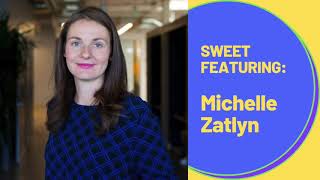
Michelle Zatlyn, Cloudflare's co-founder and CEO, talks about building the company from private beta through its 2019 IPO. She shares why shipping matters more than talking, how to stay curious as you grow, and why delegation and rest aren't luxuries.
Chapters
Here's seats. About 10 years ago, I just had finished my MBA, my master's program. So just different education, but I had done. I had. I graduated from college and I had done some different roles that I loved, and some were tech focused and some weren't. And then I went to do my mba and I did my MBA at Harvard. And at Harvard, I started to meet a colleague, a classmate, and we started to work on Clauffler at school. And so literally, I was graduated from school and I was in Boston. We moved out to California to kind of make this idea work and to see if we can make it work. And, you know, it's this idea where I had different jobs. I had worked at small companies I'd worked at that you've never heard of small financial services companies, like 20 or 30 people, where I had a lot of responsibility. I worked at big companies like Google and Toshiba as a product manager. I kind of had big response, different responsibilities there. I learned a lot. And then I'd also worked at a startup, a tech startup in Toronto. I'm Canadian, and I was doing my mba. I was going back to school, something my parents really encouraged me to do, and I loved it. And I met a lot of really amazing people. And it was there I met my business partner, who we're still business partners, and we started to work on Cloudflare. And sometimes I look back and I think, wow, all these things we built together and how kind of that collection of experiences before I started Clawfour really helped me. And I kind of had a windy career path where I did a lot of different things, different roles, different types of companies. And while you're doing that, that's hard, you kind of feel like, wow. I look at people who are in high school who know I want to be a doctor, and everything they do signs up to be a doctor or I want to be a lawyer, because that's what my parents have been doing, or I know I want to be an engineer and they know exactly what they want to do their whole career. I really looked at those people, said, wow, I wish I had that. I had a much more windy career path leading up to Cloudflare. And I will say that running clever, actually that collection of experiences, the windy career path where I tried a lot of different things, actually ended up being really helpful as an entrepreneur, because as an entrepreneur, you're doing way more, way more things than you have time to do. And so having collection of experiences kind of gives you more skills to be able to execute on that. So that's one thing that I've seen help by collecting a lot of experiences along the way. Wow.
Well, the winding path clearly led to some great success. It sounds like it was worth it.
Yeah, it's been amazing. And, you know, for all of you, if you want to start your company, I mean, there's just something really rewarding about building something that then people use and like, I mean, that's just a really. Whether they're watching your podcast and like, Isabel, I love this. I learned so much. I'm so inspired. I mean, that's just really satisfying. Or you build something and solid and you see somebody wearing it, or. And ours has to be an online solution where it's like, wow, I couldn't do this without Cloudflare. It's just really rewarding. So the best part of my job are the people I get to work with, and then there are customers. And so one thing that has surprised me along the way is it doesn't matter how talented you are, to really make something grow, get bigger, you gotta get a team to come along with you and help you. And what I'm so proud of is the people I work with, they. They care about our customers, they care about Cloudflare, they care about helping to make the Internet a better place, and they're really good at what they do. And I sometimes sit around and be like, wow, I can't believe I get to work with you every day. And I can't believe that we work on as a team and we're playing as a team. We win in as a team. I'm learning from my colleagues, and to me, that's a really special. I don't know, I don't take that for granted because I think there are a lot of people who don't like their colleagues or don't like their jobs. And so the fact that I like the people I work with every day, and again, we work on hard problems. I'm not saying everything's always easy, but when you like the people you're trying to solve it with, it's just. It's. It's really rewarding. And then. And then the second best part of my job are customers. As an entrepreneur where. Where they say, hey, it would be really cool if you built this, and then our team can go build it. Or. Or they say, wow, I really am really enjoying your service. And I, like, sometimes I just think as an entrepreneur, wow, we created this thing that wouldn't otherwise exist, and that's very humbling and rewarding.
Wow. Well, it sounds like you'd love your job, and I can see why Cloudflare sounds like an amazing place to work.
Yeah, well, it's. I mean, I'm very proud of what we've done together. I mean, we're not perfect, so I don't. Sometimes I that I think that you walk around the floors of Cloudflare right now. If you dropped in on a bunch of Zoom calls that were going on, you asked somebody, hey, what do you like about your job? I think you would. They'd say, wow, I really believe in the company's mission. Our mission is to help build a better Internet. I really want to help our customers. I really believe the work on that I'm doing matters. And I do think that in today's world, people who are really talented want to make sure their work matters. So I think you'd hear that a lot. I think people would say a lot. Wow. I really like the people I get to do it. I'm learning so much. So I'm really proud of that. But even when things are going well, you know, you fall short. Someone has a bad experience, it's not perfect. And so, yes, I do love my job. I feel incredibly privileged. But I also don't want to leave an impression that's like, you know, building things are hard. There are challenges. People disagree. It's not clear what the right path forward is. Sometimes you have to make unpopular decisions, or someone does something, they make a mistake that hurts the whole team, and you're just like, oh, my God, I know you didn't mean to do that, but that just was like. And you gotta, like, rally and find a path forward. And you all kind of feel a little bit disappointed in what you. How we showed up that day. And that's like, those are, you know, low moments that come along or you lose a customer. Cause they're not happy or whatnot. So it's not. So, yes, I love my job. We've been a big success story. I really believe in what we're doing. But I just also want to acknowledge that it's a lot of hard work from a lot of people. You make mistakes, there are low points. And one of the things that has changed, which might resonate with some of your listeners or you as an entrepreneur, Isabella, is that earlier, the highs and lows, the huge success, like, wow, I got this person to come on, on the show versus how many knows. I'm sure you hear too, they happen a lot closer together. So I remember, like, when we were first starting out we kind of had 10 or 20 people at Cloudflare. I felt like I had 10 highs in a day, followed by nine lows. So it was like a good thing, a bad thing, a good day. And it was like, almost two times an hour. I was like, depending on. When my friend reached out to me. I was like, I'm having the best day. Oh, my God. The worst thing just happened. And it would happen ten times a day. So it's just this huge emotional roller coaster early on. And again, you're making something. Oh, my God, they made the wrong thing. Or this doesn't look right. It turned out, like, who knows? Or customer bought all these things, but they didn't pay me. Like, it's. Lots of things happen in entrepreneurship. What happens is the highs and lows are still there. We're a lot bigger of a company or 1300 people around the world. And there are still really amazing things that happen that just feel like I'm having the best day. And there's still bad things that happen too, but they're just much more spread out. It doesn't happen 10 times a day anymore. Maybe it's a couple times a month. And so they're much more spread out, so it becomes more stable. And I think that's. Those are some of the things which is good. I think that that's what you want as an entrepreneur. You want to spread them out. You want to have better, stronger foundations. You still have the highs, you still have the setbacks, but you're stronger to be able to deal with both and enjoy the upsides.
Well, it's good to hear. It does level out, but thank you for sharing that. It's not all butterflies and rainbows too. I think it's definitely good to be prepared for both sides.
Yes, exactly.
So going off of that, obviously, as you said, there are ups and downs. What is the most difficult part of entrepreneurship for you? And also what's the most rewarding aspect?
Well, the most rewarding is, for sure, the people I get to work with, which is what I mentioned, and our customers. Like, that's just. I just. I've had a lot of jobs, as I said earlier, I had a windy career path, and I just. I. The people I work with are just awesome. So the best part of my job is that, I guess the other thing I will say, which is more of a personal. Personal reflection that maybe will resonate with some folks, is, you know, when you. I think about who I was when I graduated from high school, and then I think about who I was when I graduated from university or college. I went to university, but college, university, and then who I was when I graduated from mba. And then I think about who I am today. And I've certainly evolved as a person. Like, I mean, I'm more confident and a leader. I'm just, I mean I run a 12 billion dollar market cap company. Like, it's just like, you know, you, you, you. I've evolved and whatnot. But I think if you met me in high school, there's still parts of me who are really the same. And so something that I'm also proud of on a personal level is I feel like I've been able to build my career without losing who I am or without changing who I am along the way. And again, I've evolved. I think everybody wants to evolve. I've stretched myself, I pushed myself. I'll never quite go back to the same shape again. But I do feel like I haven't had to change who I am a long way or mask it. And like I am so that, like, I feel like I can be my authentic self. Like that I really am proud of because I just like that. So I think that that feels good. That's something that I'm proud of. I'm. On a personal level, the challenges, I mean, there's just so many challenges. I mean, that's why I kind of said, yeah, things are great, but I just, you know, it, everything is harder than you think. And things that are, that you think, why is this so hard? Is it me? Is it them? Is it everyone? And you're like, and it, you know, you just never really know. It takes longer than you think. I mean, sometimes people like, wow, Kafr is such a success story. I'm like, we've been doing this for 10 years. And I was thinking to myself the other day, I'm like, what else have I done for 10 years? And I actually can't think of a thing. My kids aren't, I have kids, but they're not 10 yet. So I haven't done that. I'm married, but we haven't been married for 10 years. So it's not that. And so you just think like, actually, you know, you think about grade school, high school, college, none of those things last 10 years. And so you're like, actually, I've never stuck with anything for this long. And so it's a long time of your life. And again, it's been incredible and I've grown, but it's 10 years of your life. And so I, you know, When I started, did I think I was going to be doing this for, you know, 10 years and counting? I didn't, I don't think I fully appreciated that. So I think I thought maybe it was, I was really used to, I feel like as a student, you know, with the start of a school year, end of the school year, you kind of always have start middles and ends, and then you always kind of had, I'm looking for the next grade or summer, I'm going to college or I'm going to get my first job. But they're kind of chapters in your life. And this chapter has lasted a lot longer than I think that I was expecting. Again, amazing. But it just, you're like, wow, this is. Sometimes you're like, okay, it's a big commitment. So it's that it takes longer than you think. It costs a lot more money. And I like, just in sense of, you know, whether you're raising money or you're selling to customers, like, it just. Revenue is great, but it's a slower metric than other metrics. And it just, it does. You have to fund it some way. And you either have to fund it out of your own pockets, or you got to find investors who will fund it for you, or you got to collect the money from the customers. And, and like, I do think that that's harder than I was expecting. And again, I think we've gotten over the hump. But it's, you know, that, that took a lot longer. So there have been a lot of challenges along the way. And I think that when I look back to say, okay, what are the things I would do? Again, you're always gonna have challenges. But, you know, I had great founders. You know, Matthew Lee and I started the company together. We were like a Venn diagram. We had a little bit overlap, but we caught, we, we, we came with very different skill sets. And I remember when we started Cloudflare, a lot of people said, you started a company with Matthew and Lee. Why, like, and then other people would be like, tis, Matthew, you're starting it with Michelle. Why you guys are so different? And it was true. We were really different. We had really different skill sets. Lee was the technical architecture. Matthew kind of was a strategy, very technical legal background, you know, and I was good at getting things done. And we just had very different skill sets. We had a shared vision. And so we, it made communication harder up front. But once we had developed that respect and that vision, we were able to cover a lot of surface areas. We got a lot more Done quicker. And one of these things that I learned was just if you can surround yourself with really good people, I mean this as co founders, teammates, and even in your personal life with, with life partners. You know, my husband, I'm married. My husband's wonderful cheering me on. My family's wonderful. My parents, my sisters, like, they all cheer us on that, that helps make all the challenges better. When you're surrounded by people at the company in your life who are saying, hey, just get back up off your on your feet and keep going. And, you know, I think sometimes people don't spend enough time being like, will this person throw me under the bus when I make that mistake? Or are they going to be there to sweep it up with me together? And I think the more people you can partner along the way, oh, wow, we just made a mess. Let's clean it up together versus no, it's your job to clean up that mess. The easier it is to overcome the challenges.
That's wonderful. It sounds like you have a great group of people around you, and I know your team has been a big part of Cloudflare and your career as an entrepreneur. Would you say they're your biggest inspiration, or do you have another role model you look up to?
Oh, you know, Isabelle, it's so interesting. I'd love to ask you who your role model is, because I find role models, it's almost like a unicorn. You talked about rainbows before. I feel like role models and mentors are another, like, really important topic comes up all the time. Because people who are ambitious, they want to learn, they want to work for people above them. So it's like, hey, how do I get role models? How do you get mentors? And I've been inspired from so many people. I mean, you know, I think back to my high school days, and it's like my basketball coach, like, I still feel like her. I still feel like I can still listen to some things that I learned from being on my high school basketball team. Serves me today. And so even though I don't talk to her as much like, I still think she was a role model in my life, and professors at business school, colleagues, past colleagues, current colleagues, people head. And so, you know, one of the ways I would. I would maybe broaden the question a little bit from role models to what I've learned, which, again, role models play a piece of it. And I'll come back to that. Is one thing that I wish someone had said to me is, hey, it's really actually about your curiosity and the rate at which you learn. And so if you love learning and are curious and can ask the question either to a role model or a stranger, by the way, right?
Like.
Or you can go, hey, how does this actually work? And you go, google it. And you find content online and you find out, wow, there's somebody on Twitter who's tweeting a lot about how to get your first customer. I'm going to follow them on Twitter. I don't even need to know them, but I can now follow their and learn from them. I think that's been like the best thing for me in my career is I just, I've always had a really high curiosity, a thirst to learn, thirst to, to the rate at which you learning, learn. And I think that that is be a sponge and learn as much as you can. No one expects you to know everything if you don't know someone. Either find somebody you do or don't know and ask them the question. Ask five different question people and get the answers and you figure out what the right path is and go. And I think it's the rate at which you learn that curiosity is a huge skill. Whether you're an entrepreneur, your first job or second job, it's just a great life skill. And I think that growth mindset, you know, they talk a lot about education, but really, at the end of the day, it's like, in your job, that's what will set you apart from others because it turns out not everyone has that mindset. And so, and so when it comes to role models, you know, there's a lot of people I look up to. There's people that I know and don't know. There's some people that I just like, I don't even know them, but I follow them online because I think that they just are really talented in their area. And I want to learn. And so I read their book or I read their blog or I read their Twitter feed. And I remember for a long time at Cloudflare, I used to read for an hour every night before I went to bed, like I was exhausted. But there's just so much to learn about the industry or how to do something. And every night before bed, I just was like to unwind. I'd be reading about stuff to, you know, again, this, this idea of like, I just, I don't know about this, I gotta understand it. And there's other people that along the way, you know, in person, and you're just like, wow, they're just great examples or great whether how they are in their professional career, what they've been able to do in their personal life, the relationships they have, like, how they treat their life partner, how their family spends time together. Like, I have role models like that. Both my sisters have great life partners and kids and family. I look up and I'm like, wow, I want that. And so I feel really lucky to, I don't know, just try and be. Surround yourself with people who are motivating, whether you know them or not, and helpful. And I think that that's how I think about role models. So everyone from my basketball coach to my sisters to people I don't even know online to have been great. I'll tell you a quick story that, you know, maybe will resonate with some folks. I remember when I was pregnant with my first child, we were really early at Cloudflare. I was really nervous to tell our investors. And I remember I told one of our investors, and it's just like, this is what you want in life. Surround yourself with people like this. You don't know. I was really nervous to tell him. I thought, oh, my God, what if he's gonna, like, kick me out of the company? I just don't know. You read all these stories online, you just think, oh, my God. And those are all true, by the way. So it's not that they don't happen. You just think. And I. And I told him, and he said, oh, my God, I'm so happy for you. Having kids has been the best thing I've ever done in my life. Like, I'm so happy for you and your husband. Like, you, they're the luckiest. You're gonna love it. And you just think that's what you want. And then it was back to business. But, like, the fact that this really prominent investor was saying, best thing I've done in my life, I'm so happy for you. Just like, that was a role model for me. And so now I've tried. When people tell me, I'm like, oh, my God, I'm so excited for you, because it's, you know, I'm like, that was the best response anyone ever could have given me. I was so nervous, and it was just this kind of really personal, authentic response. And I was like, you know, I thought I was this really prominent investor who kind of share that really personal story. I was just. And, like, it was so authentic, genuine. That's what you want. Those are the role models that. And then I'm like, I want to do that for the next person who tells me that they're expecting that. It's like, I want them to have that. Wow. And I think those are some of the role models that I think about.
Definitely pass it on. And that is one of the best answers I've heard to the inspiration. Because honestly, I can't answer it either. I do not have one specific person I always look up to. There's so many people and everything you read like you said.
Yes. Well, that's good. Well, I think that means you're well positioned, Isabella. Clearly curious and want to expand and just. It's like the rate at which you're learning, a huge asset. Definitely take the village. I'm all about a village. Company building takes a village. You're living your life takes a village. I'm all about, like, let's collect a bunch of great people in my village.
Well, it sounds like being a sponge and reading a lot and learning a lot is definitely a very important aspect, especially when you're first starting out. So in addition to that, what else would you say are the top skills, skills a girl needs to be a successful entrepreneur?
Oh, I, you know, get things done. I'm a big fan of doing versus talking and Momentum is your best friend. And I really mean that, especially when you're getting started. It's. I mean, not to. I'm gonna keep coming back to you, Isabel, because obviously you've created something. It's like, it's like Isabel said, I'm gonna talk about. I'm going to create a show. I'm going to talk about it. And these are. I'm making a list of all the people I'm going to interview, but actually not setting up any of the interviews. It's like, great, let's just set up the first one and have a conversation. And then it's not talking about it. It's actually, I did it. I had the first one and it went really well or it didn't go well or whatever. Now I have two more lined up. And next, all of a sudden, you know, I have 10 more lined up. And also now I am not just talking about it. I have a collection of conversations I've had, and these are some of the insights or things I've been able to connect along the way. So I'm a big fan of doing early on. Doing Momentum is your best friend as an entrepreneur, and it's important for two reasons. First, because it's really hard early on. You have 10 highs and lows every day. And if you're not making any progress, it's so easy to Talk yourself out and keep going. It's so easy, like, oh, this just isn't working. I'm going to give up. And again, that's a really natural response. But if you're. Well, I actually have all these interviews lined up. I've already done. They've gone. They've been so fun when I'm doing it. Sure, there's all these other problems, but, like, it's really fun when I'm doing it. People are watching it, they're telling me how much they are learning. Like, okay, it's because you've been doing it. You have momentum. You're like, I'm gonna keep going. And so that's helpful. And then, so it's for a personal psyche, but then it's also, you know, again, recruiting that next team member or trying to raise money from an investor, or even your parents who are saying, like, what are you doing with your spare time? You're like, well, look at all these things that I've done. And I mean, don't get me wrong, when I started cloudflare, my mom referred it to as my side project, starting a company. And she's like, oh, how's your project going? And I get it right? Like, that's. And so, like, why aren't you going to be a doctor? Like, I thought you were going to be a doctor. What do you mean? You're starting a startup, like, and again, your parents just want usually what's best for you. And so I think by saying, look at the things I've been able to do or I'm doing is much better than just talking about it. So I think momentum is a big deal for either getting that first team member, the investor, the. Your own personal psyche again, your parents, sibling friends, validation. And these things are important. And so at the end of the day, as an entrepreneur, you want to build something that actually makes an impact. You don't want to just talk about it. You got to actually deliver value to the world, either your customers or somebody. You got to be solving some meaningful problem. Otherwise, what you're doing doesn't matter. Matter. And I just think if what you're doing is, it doesn't matter, you should go do something else. Because, like, life is about doing things that matter. And either you created it, and that's great, and if. And if you're like, oh, this isn't really mattering, go find something else that matters. Because being productive, contributing, it's just you learn so much, you meet so many great people, and you kind of, again, expand who you Are you never quite go back to the same shape and you continue to evolve and that will spur something else. And so I'm a big fan of doing things.
Wow, that was great.
Yeah.
So you've given loads and loads of wonderful advice that I hope the girls are going to take to heart. What would you tell a girl who feels like she's too young or not experienced enough to be an entrepreneur or start her own company?
Yeah, I mean, I. Part of it, I hope you are like, wow, Michelle, she seems great, but like, I hope you're like, but she's just like me, I hope. Or you look at Isabelle, you think, wow, Isabel is really cool, but she's just like me. And so part of why I do these calls is I'll tell you a story and then I'll answer your question with a very succinct answer. But my story goes like this. I was on a school trip on the Silicon Valley in the summer, in January of 09. And I grew up in Canada. I never thought I was going to start a company. And I came out to Silicon Valley, this very mystical place. And it was a week long program that the school organized and we were meeting companies and entrepreneurs, investors. And it was Wednesday and we were at Plug and Play in Sunnyvale. It's a really famous spot, there's a lot of very early stage companies there. And it was Wednesday afternoon, I was kind of tired and I was listening to some early stage entrepreneurs pitch their idea, talking about it, and I literally walked out of the room and I turned to my classmate who was on the trip to me and I literally said, I had like this light bulb went on. I was like, it kind of demystified the whole thing. I was just like, if that guy can start the company, so can I. And to my classmates credit, he said, of course you could. And that person happened to be Matthew, who is now my business partner. So it was just one of these things where just seeing someone else, I was like, these are not unicorns. They're people like you and I with a passion to solve a problem and they just want to do it. And so I, so what I, what I say to a girl who thinks that, first of all, you're not alone, that's totally normal. I mean, I think everyone thinks that whether you're 16 or you're 40, you're gonna ask yourself the same question, like, who do I think I could do this? But the answer is if you believe you're doing something that you care about and that you could solve a problem and hopefully build a business around it. That's the best. If you can do both, you will learn so much along the way, and you will kind of again, expand and you'll just learn so much, it'll open doors you don't even know about. So I think if I can do it, so can you, is my answer. It's like, go do it and go ship something and learn something. And it doesn't mean everything's going to work out. That doesn't guarantee success. But you'll learn a lot by doing it. And even when things don't work out, you're like, well, I tried and I learned all these things. And I promise you, life is a collection of experiences. That experience will become foundational for one of your successes in the future. And so, again, if you really believe in it, you should do it. I don't think you should do it because someone else told you to do it. I think it's because you want to do it, but, like, just do it.
Wow, I could not have said it better. I hope every girl who watches this really takes that to heart. So, switching gears a little back to the ups and downs of entrepreneurship, how do you get through those tough times? It sounds like your team is pretty supportive.
They are. I mean, of course. Yes, they are, but, you know, it's. It's hard. And I think, you know, I've gotten better at this along the way. Early on, probably it's something I've gotten better at coping with, actually. Turns out a skill that's really important in entrepreneurship and life is good coping skills, it turns out. I think that there should be more teaching around. How do you cope better with setbacks? Because there are just life. There's a lot of setbacks. So better coping you have, the better. So some things that I did early on that were helpful and again, I've gotten a lot better with other things I've heard is, you know, I. When we started Cloudflare was really intense. And it was really intense for four years. Like, really intense. Like, I did not do a lot of other things outside of work at that point. Today I have a much more balanced life. And, you know, year four was more balanced than year two, but, like, it lasted quite a while. And so, you know, I was really busy at work. So I kind of a coping mechanism I had was I didn't plan a lot of other things when I wasn't working. I kind of used that to recover. It's almost like you're training a lot in a sport and you don't you know, when you're not training, you kind of just like rest. And so I, I do think rest, sleeping, being low key, like is, is. Is a recovery. You got to recover. And so I, you know, when I look back and I've read some things since, I'm like, I actually think I was pretty good at recovering. Like, and again, whether it was a good night's sleep or two good night's sleep or just kind of almost being like, what, you're meditating, whatever, you're just kind of decompressing versus, Okay, I was really busy at work and then I committed to all these things outside of work. Like, I just really didn't. I kind of was very priority on that. And then I had a relationship who's now my husband, so that was also a high priority for me. But like, you know, we, we kind of hung out a lot low key. So I was not, it was not the social butterfly of the Bay Area when I first started Cloudflare because I just didn't have the bandwidth to do that. And so again, I think this recovery, rest, and that will mean think different things. But like, for me it was just kind of low key, resting, getting good night sleeps when I wasn't working. And again, that, that worked. And again, now I see my friends and I do a lot more social things, but it just. That first couple years, clever just, I just didn't have. I just was like really tired all the time. And there was even this piece about, you know, everyone wants to know how it's going, and you're just like, I'm tired. I don't want to talk about the roller coaster that happened 10 times yesterday. And, and things are changing so fast that I just found it's. It took a lot of energy to update everyone about what's happened in the last three weeks because it's like so much has happened and some good, some bad, and you're just like, I don't even know. Like, I just. Anyway, so that was something that helped early on, you know, today, you know, today I think, like, exercise is good and prioritizing and making sure that you're making time for other things. And my life is much more balanced today where, you know, you do make time for other things you want. And so for me, I have a family, I have kids. I want to spend time with them, you know, my life partner, my life partner, Jamie, you know, friends, like, I, you know, I do want to have friends. I do want to. I'm really close to my family, like so, so I do a better job fitting more in. And what I think has changed at work from now then is now we have more people. So I'm better at saying, hey, you take this, you own it, you run with it. Like, I don't need to own it. I want you to own it. And that now empowers somebody else. And so you have to get better at delegating and giving things up. Whereas, like, in the early days, you just, there's no one to give it to and you just can't give it up. Like, I really was physically unable to give it up. Like, no, no, I'll do it, I'm going to do it. And so you got to get better at giving things up along the way and empowering other people on the team, saying, okay, I've started this. You go run with it. You go make it better. You go make it your own. And so I think that's been hard to do in early days because no one to give it to. But, like, as you grow and are successful, that's where you want to get to. And so those are a couple things that I would say.
Thank you.
There's no silver bullet. I don't know if you have any idea. There are no silver bullets. So I do think the recovery piece is important.
So in addition to the recovery, I mean, it sounds like it's a lot of heavy lifting in the beginning stages. So what would you say is the most important first step in starting a company?
Well, I think that you have to ask yourself, are you solving a meaningful problem? Like what, what, what is, what are you trying to do? And doesn't matter. And, you know, I, and you know, you might not even know exactly, but I do think that's solving a meaningful problem is step one. And it makes all of the things that are hard, because everything is hard easier if you have a good answer to that. And so, you know, for Cloudflare, we started saying, hey, can we help make the Internet faster, safer, more reliable for small businesses and entrepreneurs around the world? And I just was like, I remember we did a survey to people to what that segment? We did a survey, we didn't even know our product yet. And I didn't really know much about web performance, security, or reliability. So I did a survey and I kind of sent in, sent it to 500 businesses, and I got 150 answers, which I thought was a lot. And they're all entrepreneurs and small business owners, nonprofits. And the answer was like, how big of a problem is this? Like, cybersecurity and performance for you. And the answers, like, really, like, were visceral reaction. Where it was things like, web spammers are the scourge of the Internet and belong in jail. And you're just like, wow, like, this. This was like, really hit me. I was like, there is a problem here.
There was other.
Someone else. I remember again, I remember these 10 years later, like, that's how vivid. They're like, forever imprinted on my brain. Someone else said, again, the survey answer said, web spammers make me believe in the death penalty. And really visceral. And so you kind of think, wow, there's a problem here. And then the second part of the survey was like, what do you use to solve these things? And in this case, the big aha for Cloudflare was they weren't. They had no good solutions. They were all doing different things. They were all Band Aid. And the idea was like, could we build the technology? Could we use technology to build a service, a solution that actually solves these clearly strong pain points? And so for us, there was a meaningful problem and we were able to deliver, figure out how to build a solution using technology that would solve it elegantly at scale. And that, like, really. But all started by spying the meaningful problem. If people are like, I don't really care about this and already do things and it's good enough, it's hard to get people to sign up for what you're trying to do. But the fact that I think that we were doing something meaningful and we were able to design a solution around it, it was really, you know, when I look back, step one. And so, you know, you need to ask yourselves, you know, as an entrepreneur who either started something or trying to start something, like, is this meaningful? Does anyone care? And if I am actually solving someone's problem, then. And you can do it in an elegant way where you can eventually build a good business around it, it's like, wow, that's a really. That. That. That is the big aha. Sweet spot.
Wow. Well, those were some answers. I can see why you remember them a decade.
I know, exactly. It's just like, wow. And, you know, that was like, before. And then we launched the private beta and I remember we had some initial customers sign up. And don't get me wrong, we had some customers who left. It didn't do anything for them. But I just remember a couple people saying, I remember someone emailing me a customer. This is another thing that's forever printed on my brain was a customer wrote to us saying, you know, we launched a product, was private beta. I was personally embarrassed by the product. I really thought like, oh my God, it doesn't have all the features we need. And I was embarrassed that we were releasing it or we were having anyone sign up for it. And we had one of these early customers write to us saying, oh my God, thank you. That was like the email, the subject line said, thank you, thank you, thank you. And basically the email said, I an IT administrator. And every night for the last three years, my pager has gone off at 3 in the morning because there's somebody trying to do some bots who are trying to do something or some web spammer that's trying to do something. And I get paged and I haven't had a good night's sleep. I put cloud for on front of my properties that I manage last night and I've literally slept through the night for the first time in three years. Thank you. And so it was just idea of like, we solved the problem for this person and I didn't think that that was a use. Like I was like, oh my God. But like it was the same thing. They're the scourge of the Internet, stealing resources. And that translated to somebody was getting up every night to look into whether it was an attack or not and they just didn't have anything to solve it. And we helped solve it for them. And like it's this meaningful problem. You can do that. You have people telling you like, thank you. It helps you get through all those low points.
Wow, that is such a good success story, just even helping one person. I see what you mean.
Feels good. But then it also feels bad when you let your customers down. And you know, you as an entrepreneur, you're going to let your customers down. And so the equal high that come from how we really solve their problem. And you care so much. Well, I care so much. Our team cares so much. So when you let them down, it really feels like a punch in the stomach, in the gut.
Well, hopefully the good times balance out the tough ones like you said.
Yes.
So, switching gears a little, I just have a few more questions. How do you address diversity as an entrepreneur within your team and Cloudflare and also the gender gap as a woman entrepreneur.
Yeah. Well, that's why I hope everyone listening all become go work in tech or go or business or work and start companies because we need more women. I mean, again, I'm thinking about this from a tech perspective. You could use the same for business. When I went to business school at Harvard, Again, this was 10 years ago, but, you know, we had 35% of the class were women. They got it up to over 40% now, but it wasn't. And they're trying to get. The goal when I was there was to get it 50, 50. But when I was there, 35% of the people getting a master's from Harvard were women, and the other 65 were men. So there were more men than women. And you think we're going to Harvard mba, You're becoming leaders in the business and industry and then tech. You know, I think companies aren't at 35%. And so we have a lot of work to do. And having said that, law school, medical school, which used to be mostly men, they've gone to parity. And so, again, I think it's possible and part of it is the awareness. So let me start with there. But so I will just say that more diverse teams drive better business results and are a better place to work. The research all shows that. So everyone should care about diversity. And I think that some companies have done a way better job than others. And you just hear some spectacular, terrible stories, again, that are all true in some way, and you just think, that's awful. How is that happening in 2020? And you just think that is awful. And so, you know, again, I use that as motivation of like, I want to do better. I want to do better, and I hope you want to do better. I hope every person wants to do better, and we will do better. And so what I love is that, you know, I talk to a lot of women in technology or business and entrepreneurs and like, they're amazing and they are doing. And they're doing amazing things, and I'm rooting for their success, and I want that to breed more. I think at Kloppler, we care about this. I think we do both a good and bad job. Like, we. We do have a diverse team and inclusive, but it's not good enough. Like, we should strive to do better. And we set goals every year and we have. We talk about it a lot. And it's one of our capabilities of how you get promoted. Like, we. We care a lot about it. And even when I care so much about it and Matthew cares so much about it and everyone on our team cares so much about it, it's still hard. And so it's like, we gotta keep doing it. And. And I find that some people don't even want to talk about it. They find it awkward talking about, hey, hiring, whether, if you're all Women team, getting more men on the team, or if you're an all men team, getting more women on the team. They're like, I don't want to say something stupid. I want to stick my foot in my mouth. And it's almost. You got to be a place where it's okay to stick your foot in the mouth if it's in the right place. Like, let's just. If you care, let's do it, because this matters. And there's other places where it is hard. And so, anyhow, I do think that it's really important, I hope that more women decide to be entrepreneurs, more women pursue a career in technology, more women pursue a career in business, because I think it's a really good place to be. I think there, you work with really smart people, you solve really hard problems. There's a lot of economic prosperity that comes with that. And I want more successes like that to breed others. And I think that's really important. So I want to. I think in some ways we do a good job. We are still far from perfect and so certainly not satisfied and continuing to push it forward. So. And it's. You know, what's interesting as well is like, I used to not like talking about it. I used to be like, I'm just Michelle, whether a man or woman doesn't matter. And now I have a strong point of view. It's actually, you do need to speak up. You do need to be like, yes, I'm Michelle, but I'm also a woman, and I'm also an entrepreneur. I'm also an operator, and I'm proud of all those things. And I do care about this. And I think that I used to be kind of scared to say that, and now I'm like, no, I'm not. And I feel like a responsibility to say it's important that we have more women in the industry and underrepresented minorities, because diverse teams build better business, drive better business results, and are a better place to work. And so I've been more willing to talk about it, whereas when I started, I was just kind of like, no merit based on my. On my execution. And now I'm like, yeah, that. And I think you kind of need. You need some people saying, no, it matters. And it's not. It's. It's. We still have lots of work to do in lots of places. In Clapflare and in the industry.
Definitely, there's lots of work to be done. But I think, I mean, companies like Cloudflare, who are so conscious of that is where it all starts.
Exactly. And so if you start your own company, I hope you have that point of view from early. It's easier to build in early than later. And then if you decide, okay, I tried, I learned, but it's not. It's not solving that meaningful problem. I'm gonna go join another company that is to get my collection of experiences and I'll come back to something. Because again, you can be an entrepreneur, any agency, then I hope you vote with your feet. Like, I hope you vote and go work at a company because you're talented. The listener at a company where you're like, well, they do value this because, again, I think that's one way you can help influence it. And even I find myself, like, with my wallet, where I try and as a consumer, buy products or services from companies that I see that better displayed. I mean, it's sometimes hard to find that, but I try and be like, well, I'm going to vote with my wallet. And so I really think people, if you're, you know, if you're talented, there's a lot of jobs. I also understand there's some people who are trying to break in. So it's not. Not that advice is not universal, but if you can, like, you should be selective and you should be purposeful about where you're going to spend. Spend your career, you should say, I'm going to join this company because I align with what. What I'm seeing on this front and what they're doing. And that those things, those actions move the needle, too.
Definitely. I cannot agree more. So I have a couple more fun questions. If you have 10.
Yeah, sure, let's do it. This is great.
It's about time travel. If you could go back to the founding of your company and give yourself a piece of advice, what would you say?
Enjoy the journey. Enjoy the roller coaster, the highs and the lows. You know, I am. This is important. I used to think, oh, I'm just going to get to the, like, when we get to here, then I'll start to enjoy it. And actually was a book about mindfulness and the whole point. I mean, I'm paraphrasing. If you're really into meditation, mindfulness, Give me some latitude. Okay. I'm not an expert, but the idea was you just. It's all about being present in the moment. And so. And even when it's in the down, it's like, what can I learn from this? Like, that's what I took away from mindfulness and meditation or mindfulness more than meditation. And so, like, it was a couple years ago where I was like, I'm just gonna enjoy the highs and the lows because, again, they still exist. And you know what? I've enjoyed the journey a lot more because of that. And even when there's a big mountain work, I'm like, great, let's do it. Let's see what we can learn. We're gonna feel so good at the other end. And when bad things happen, I'm like, wow, that was really disappointing. What can we learn from. What are we gonna do to make sure this doesn't happen again versus this feeling like I was getting knocked around in a washing machine? I felt like it was more enjoy the journey versus trying to get to the destination because it turns out you can't go back in time. And I think the more you can enjoy the journey, then once I get to the destination again, it takes a lot longer to get the destination. You think you're just enjoying a lot more along the way. So enjoy the journey.
That's great advice. Thank you. So it sounds like some of the best moments were when you got those responses from customers saying, may you help them them. So would that or any other moment be your most satisfying moment of your career?
Yeah, I talked about those. You know, again, these. What I kind of described. There's 10 years. A lot of things are foggy. There's a couple. Couple things that are imprinted on my brain. I describe some. I mean, there's many. There's. There's so many. There's so many others. I think one that, you know, I would be remiss if I didn't mention it was, you know, taking our company public last year. I mean, starting a company and then building into a point where we were going public on the New York Stock Exchange. I mean, just to give you a sense, we were the 210th company to go public on the New York Stock Exchange in the last decade. So in 10 years, we are the 210th tech company to do that. Now there's the NASDAQ and there's other exchanges around the world. But I was just kind of like, this is rare. And the fact that, you know, we are a founder built business, and three of us started the company, Matthew Lee and I. And Lee, unfortunately has a health issue and he had to leave a few years ago, But Matthew and I are still running it together. And you kind of. I remember standing on the balcony. Sometimes when you go public, you have to either open the trading floor or close it. And so we Were standing. We were able to open it. It was Friday the 13th, September 13th, 2019. The balcony holds 14 people. So you get to pick who goes up with you. So it was Matthew and I. My husband was there, Matthew's wife. My two kids came up. They were five and three at the time. They were on the balcony. And then some of our early investors and some of our senior executive team and we had 150 people with us on the floor of the New York Stock Exchange, all wearing bright orange vests. Cloud floors colors are bright orange. And those 150 people were. There were current employees. We did a lottery from around the world. Anyone people came as far as China. Like, anyone could apply. Whether it was your first week in Cloud floor had been there for 10 years. Like, and we had a hundred.
We.
So a bunch of early current employees were there. Early employees. Some of our founding team, like, the eight of us that really started the company. Like, who were the first employees? All of them came except for the Lee, who was the third co founder, who was really sick. We were all there. We invited all the original eight to come when we launched the service. They were all there. Our board members, our family. Like, you just think about how much our families had been champions of ours. And some friends and some friends of the company. You looked out on this. I was on the balcony and I look out, I have these awesome photos. And then it was all the offices around the world that were celebrating. I was like, it took all of us showing up every day and caring to make this happen. And it kind of like was just one of those moments I was. Will never forget. It was incredibly proud. I was so fun and not just for me, but everyone there. And I felt like. Everyone felt like, wow, the work that I've put into this over the last decade and whatever, whether I did it five years ago or now, or whether it was when you were down and I took the call, everything led up to this moment. And it was just this really cool experience that, you know, again, it was very rare and very special and very fun for me personally and I think our whole team. And it's something like an experience we all got to have together that you can't just go recreate tomorrow. Like, it really took 10 years in the making. And so I'd say that was a very proud moment.
Wow. I cannot even imagine how you must have felt. That sounds like a real rainbows and unicorn moment.
It was a. Yeah, it really was.
It was.
It was awesome.
So after that big moment, or when you usually accomplish A goal. How do you celebrate?
How do I. Well, you know, I would say that that's probably not one of our strong suits at Cloudflare. When you're building a company, there's so many things to do, way more things to do than people and time to do it. And so the list of things to do is so long. And so even when we do something, it's like, great, now we gotta get to the next thing. And so I would say over the years we've had people say we should celebrate more. And you know, Matthew and I are very serious. We're like, but we're not done yet. Like we got all these other things we got to get to. And so, and so I think we've gotten a little bit better. We probably have a lot of work to do where we shall probably celebrate more along the way. And so we celebrate in different ways. So we, you know, we sign up for different projects every quarter across the company and you know, it's not me signing up. It's like every, you know, many project owners sign up and at the end of the quarter we kind of say, how do we do? And we kind of mark them as green, yellow, red, and we celebrate as a company that way. We said we were going to do all these things. How did we do as a company? And that's one type of celebration. We have a company wide meeting every Thursday and colleagues can submit shoutouts for their colleagues. They can say, hey, here's Isabel went above and beyond. Thank you so much. She did this. She's the best. Awesome. And we read shoutouts every week. Actually. It's kind of my role in that meeting. And I love that people at Clauffler can recognize their colleagues for going above and beyond in whatever way. And we don't. You know, they're everything from helping a customer to you help me with my IT issue to oh my God, you were, you, you, you, you went out of your way to do this. Like, it really is a huge breadth of reasons why people are saying thank you. So that's a little bit of celebration along the way. That that's nice. And you know, that wasn't my idea. It was actually someone who graduated from college who joined. We were her first job. She was on the product team. It was her idea. And we still, she. She was at club for four years. She's no longer there. But we carry on that tradition because it was like such a good one. People love it, they love that we recognize it. So it's a like small celebration. So Those. So those are some of the things. But we're not. We don't have a lot of party. Sometimes we do. We kind of do our birthday party once a year, not this year. And we make them inclusive. We have, you know, cloud flare gear where we give T shirts or hoodies to the team. We used to have a team retreat once a year where we all got together to get to know each other in not an office setting, which was great. And so the last one we had had 800 people at it, which was pretty awesome. So that was fun. So I guess those are places. But even that was work related. Like there was something we were doing. So we're social. But there was also, how do we invest in all of us? How do we invest in the business? So they were a bit too. As I give you this answer, Isabelle, I'm like, maybe we're too serious. Maybe we need to have. Maybe we need to celebrate more along the. Maybe there needs to be more cakes.
Maybe a few more cakes. But that Thursday idea, if I. When I started a company when I'm older, I definitely want to do something like that.
It's the best. It's really. And it's really cool to see what people submit. Yeah. And you're just like, wow, sounds like.
Cloudflare has a great team and a really good connection.
So.
Last question. Can you share a funny story from your career?
Funny story for my career. Here's one. I remember at some point I went to like, Cloudflare was starting to get more momentum and I mean, it's not that funny, but this is another thing. I should be funnier. But anyway, so I'll give you this example. And. And I went to go register Michelle Zaplin dot com, which is my first and last name, dot com. And I was like. And I. I think I was using bluehost to register it. And. And I remember it getting godaddy. And. And it came back as, no, this, this domain is already registered. And I was like, that's weird. Like Zatlin's not a very common last name. And I was like, I don't remember buying that domain. Do I own that already? And then so I went and. And I went to michellezatlin.com and I haven't done this in a long time, so I need to do this as soon as I hang up here. But I mean, funny, but maybe more mortified. The Michelle Zatlin fan club was@michellezatland.com and I was like, what in the world is this? And so it was not very funny. It's a little bit more funny now. At the time, I was like, oh, my God, who's playing Michelle Zatlin Fan club? And so that was. It was a little bit of like, oh, I think I need to go look to see whether that's the case. But excited for a long time, I would go look. And I was like, who's running the fan club? This is ridiculous. And I think that the story was, if you're gonna start something, things can sometimes turn into bigger than you think. Like, you are gonna do great things in your life, all of you who are listening. And I probably should have had the foresight, you know, when I started a company to maybe register that beforehand or just think of myself in a different way. Anyway, so I. I don't know if it's funny or whatnot, but I was just like, why is there a Michelle Thatlin fan club anyway? So. And I really wanted the domain, so I gotta go look and see what happened. That's. That's one that comes to mind.
That's how, you know, you made it big.
I don't know. I don't think of it that way.
Yeah.
I don't know if that's. Yeah, exactly. I don't. I don't know. It just. I think it's also, like, the world is a big place and people can find out about you in lots of different ways, mainly because of the Internet.
Well, I mean, you've clearly built an amazingly successful company and your team sounds great, and you just shared loads and loads of advice that I can't wait to post on Suite. Thank you so much.
More from Michelle






SF Conference 2013 CASE STUDY: Michelle Zatlyn - Scaling a Company To A Billion Views A Day




