President & Co-Founder of CloudFlare, Michelle Zatlyn
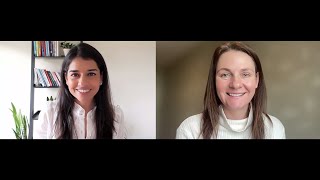
A conversational YouTube interview with Michelle Zatlyn (Co‑founder, President & COO of Cloudflare) covering her career journey (Canada → HBS → startups → Cloudflare), leadership and communication tactics (distinguishing hard vs impossible; the "altitude/zeros" concept for audience-appropriate messaging), practical presentation advice (TL;DR, label decks as informing vs decision-making, provide backups), navigating change in growth companies, and pragmatic perspectives on AI for non‑engineers (tailwind vs headwind framework, productivity tools like transcription and ChatGPT). The discussion also includes work/family integration tips (family calendar, village/backups, proximity to work) and parenting considerations around screens and presence.
Chapters
Welcome. I am so excited to welcome Michelle Zatlin, co founder, president and COO of Cloudflare. Cloudflare is a publicly traded company which protects more than 20% of the Internet, a massive impact. Michelle's resume is unbelievable. She is on the board of directors for Atlassian and a personal goal of mine on the World Economic Forum, Young Global Leaders Foundation. I could go on with her list of achievements. So this conversation is a pinch me moment for me because Michelle has been my role model for many years without her even knowing it. We met in 2015 when she hosted an event at Cloudflare for Harvard Business School students. And I was just in awe of her, of her leadership and just like how just so, so inspiring. You're going to see it today. And you know, she actually gave me one of my most memorable tips about how to have a demanding career while raising kids. So I hope she shares that with us today also so you can all benefit. Michelle's been on my dream guest list, to be honest. I finally mustered up the courage to invite her to have this conversation and she very quickly responded and agreed. So, Michelle, I'm very appreciative of you and thank you for joining us.
Thanks so much for having me. And thank you so much for that very kind and warm introduction. Shivani, really, I mean, that's. I, I'm anyhow very humbled by that. So thank you, thank you for all those kind words and I'm really excited to be here. And anytime I get an opportunity to talk to a woman and a group of interesting people, I, I'm. It's an easy yes. So thank you for asking me.
Of course. I so appreciate that. Well, let's dive in. I would love to learn more about you. So I'm curious, when you first started Cloudflare, you were told by a big time founder that your idea was impossible. Many of us have had our idea shot down, even when they're well researched and warranted. So I'm curious, how did you navigate that situation? What lessons. Should we walk away from it?
Yes. Yeah, that did happen. And, you know, I was, it was, I was told it was impossible by someone I really admired. So it was a little bit like it kind of cried. Crushed my heart a little. I was heartbroken, I guess maybe, and the opposite of how I want to make people feel, you know, lifted up and encouraged. It was kind of like, hey, oh my gosh, a hard thing to hear and one that I didn't believe. And so, so, so I think being in the moment, disappointed, I Think that's a human reaction. So I was disappointed in the moment. But since then, there's been lots of times where people have said, hey, that's not going to work because of these reasons. And. And I think that there's a couple maybe takeaways. I don't know about all of you, but for me, I see this all the time, every single day, opportunities present themselves and people talk themselves out of it. They find all the reasons not to do something. Sometimes those are legitimate and very valid, but a bunch of the times, they're just constraints we put on ourselves, and they actually aren't legitimate reasons. They just. They're just trying to make themselves feel better about not doing something. And I think that as a founder or as a leader in your role, learning of when to take some of that feedback, okay, maybe that is a risk. Maybe that will make it harder. Okay, what am I going to do about it? But when do you say, hey, thanks so much, but I'm actually not going to listen to that. I'm just going to keep on my path becomes a really important life skill because you don't want someone else's naysaying to weigh you down in the zest of which you're going after your opportunity. And I think that's become. That's hard to teach, but if you can get better at it, it's really, really powerful. So that's the first thing. And the second thing I would say is there's just a huge difference between hard and impossible. That is, those are very different things. And I find even internally at work, sometimes I'm like, okay, is it impossible or is it hard? Because humans can do hard things, the right group of people can do hard things. But if something's impossible because of physics or technically or there's some reason why it's impossible, well, that's a different thing. Let's not spend time on something that's impossible. And so I think sometimes as like, is it hard or impossible? And I find myself asking our team that question internally or even in my life. And I think that those are maybe two lessons that might be helpful to the audience.
I love that difference between hard and impossible. You're so right. Often I think that word impossible comes to mind, but 99% of the time, that's not the case. It's more like you just got to figure out the solution around it. That's such a good skill that I think all of us can apply, no matter what level we are in your careers. So, speaking of lessons learned around anyone can apply what's a must have skill that someone should have to stand out in their job to help them move up in their career, to help them make that move into leadership, for example.
Yes, this is just my perspective. What's interesting is we have about 3, 500 people at Cloudflare. And in my role, I've been there from the beginning until now. And what I love is there's a bunch of people at cloudflare who have had the career of their dreams at Cloudflare. They continue to be there, they continue to grow and expand. And then we've been able to hire a lot of folks who are stage appropriate, given the stage we're at now. And what I mean by that is when you're doing a billion in revenue, you have more processes and systems and multiple products. Types of people you hire look different than when you have 30 people with no revenue. Just different, different skills. And, and so in my role as the president is I get to meet a lot of people and, and I love that and it's interesting. So I feel like I've kind of developed a unique, just like my own personal experience. What I've seen. So a couple of things. The communication matters so much in your career, especially the more senior you get, and it is not all equal. And so some folks, once they kind of get to like a director above, are really great communicators. And you can see their, their, their careers accelerate. Whereas before that it was really, if you were good at your domain, could you get your task done? Can you get the project done? Could you do SEO? Are you the best SEO person in the world? Awesome. That works really, really well. But at some point you could be the best SEO person in the world. But if you can't communicate to people around you, or more senior people bring people around at the right altitude, it actually doesn't matter. It becomes a detriment that you're so good at this domain expertise. And so I think communication matters a lot. And so one of the things that I might be helpful to this group is this is, this is something that Enrique Salem told me that I love to use now is are you at the right altitude? And what I mean by that, I call it the zeros problem. Okay, the zeros problem. And what does that mean? So you could imagine if you're talking about something really technical, you're in the weeds, you're at a really low elevation, you're close to the ground, so maybe you're at like a hundred feet and you're like in the Details. And there are moments to be in the details. But I'll tell you, you don't want to be in the details when you talk to the CEO or the board because they're like, have no idea what you're talking about there. You may want to be 10,000ft. And so often you want to fit the right message to the right altitude. And so I think a really quick, like, lesson is just, are you at the right zeros? And then not only for yourself. I actually think it's really good feedback to give to those around you. It actually becomes less like language you can use in your, in your team or in your company saying, hey, I think we have an altitude issue. I think you're really in the weeds. Can you bring it up one level and help set the context for me? Or maybe someone's just too high level. You're like, okay, I understand the problem, but can you give me an example to help contextualize what you're trying to say or bring it to life? And it really, again, it's just, are you at the right altitude? And so I think really communicating at the right level, right altitude, the right zeros is something that I really do see people set folks apart. And then the. So that's, that's the first thing, the second thing, and I think this is unique to like a growth company. I've been at a growth company for the last 14 years. It's kind of what I know. And you kind of get used to it. But a lot of you are at growth companies too, or in organizations where things are changing, especially with, like, the advent of AI, Lots of change in organizations right now. And so this ability to be okay with the change and embrace it versus push back against it or let it grate on you also is something that really is a sorting mechanism. Some people are like, okay, great. That was how we did it yesterday. Today we're doing this. No problem. Got it. Let's go. Other people need a lot more time to process, a lot more why they. Or they say things like, oh, I used to love how it was like last month. And, and that's just like, you're like, okay, there's a time and place to say, I liked how it was last month too, but now we're here and this is how we're doing it. Like, you got to kind of get, get on the train, otherwise the train's leaving without you. And I think some folks, some people are better at that than others. And I think that's something that I've gotten Better at. And trying not to linger about the past, but really being present and understanding, okay, what do we need right now? And being okay with that and moving forward.
That's really practical advice. One question about the zeros. I mean, that so resonates with me. That's. I've also found the people at the top or the people move up faster are so good at just communicating their ideas. How do you articulate things? Especially when you have like catching someone in a hallway conversation or you're going to a meeting and you only have like 15 minutes to like pitch your idea and answer people's questions. So how do you do all that? And one question I have for you on this is often one fear that comes up from like, for example, our participants is, yeah, but I feel like if I don't add everything in, then they might think I haven't covered something or I haven't like, fully understood it. So how do you navigate that? Like, let's say you're going to speak to like, someone's going to go speak to their manager or leadership and really, how should they think about what information to include in the presentation versus exclude?
Again, this is one person's point of view. So take everything I'm saying with a grain of Salt. You asked 10 smart people, you probably get eight different answers. So I think that there's no perfect way. So don't, don't, don't try and find the perfect way. Try and find the way that works for you. But I will say, as someone who receives a lot of presentations and receives a lot of information, there is a portfolio of ways to do it. Okay. I personally am a big fan of what is the like tldr using some cultural thing. Like what is the high level? So it's. First of all, are you, is there, are you informing me or are we making a decision? Like, which one is it? Because those are different things. And like, you can just put a little banner on the top of your deck or memo or however your company communicates of. I'm. This is to inform you or bring, you know, to, to inform you of the situation. Hey, I need your input because I need help. We're making a decision. I want to make sure you have a chance to weigh in. Those are different things. You could just say those again, it doesn't even have to say. You just label the deck that way. So once you know whether you're informing or making a discussion decision or are we just discussing. Those are kind of like different, different realms. Is okay, what is the like what is what? Why are we together? Like, what is the so what? And getting that out really up front versus at the bottom is really, really helpful. And so, like, an example is our win rates in this product category are really not where we want it to be. Here's what we're good. And so this is a discussion, a plan to go through what, A plan of how we can address that. I don't know, I just made that up. Okay, but like, something like that, or, hey, we're winning a lot in this country or in this market, and we want to figure out how we can expand more to, I don't know, France. Again, just making these things up, but being really clear. And then you can talk about all the other analysis. But there's a little bit of, like, the so what? And I think what I really, I've seen folks do this. Don't do what you do in school. In school, you give a presentation and you get graded on your presentation of, like, the book report. And it's like, you have to show that you did the work. I think in business, that's a, like, that's, it's, it's. I kind of assume you've done the work. I want to know the so what? And we're here, but, like, why does this matter in my case, for Cloudflare, in your case, your team or your company? And the more you can get to that and less about, hey, let me prove to you I've done the work, the better off you are. And sometimes I'm like, I don't want you to give me the report that you did all the work. I just want to know, like, what, what is this punchline that we need to discuss? And I think that's something just practically that you're asking, that you need to. Or that might be helpful to some folks on the call where it's, it's, don't, don't take everyone through the book report that you read it, and here's what happened in every chapter, it's like, no, no, no, no. Like, how does this make the business better? How does it make the project better? Are we discussing, are we, are we informing? What's the so what? And then, of course, it's nice to have the backup because people are going to ask questions and if you've done the work, you're going to be able to answer. It'll pull it up. And if you, if someone asks a question you don't have the answer to, just say, hey, that's really good question. I'll get back to you on that. I don't have that at my fingertips. I have these things, but I don't have that. And we'll get back to you. And just like, you kind of. You just kind of have the confidence of, sure, I didn't do that one thing, but I did 99 other things, and that's okay.
I love that so much. And it's so counterintuitive. Like, you're pointing out. I actually find that, you know, when someone's showing me, like, a lot of work or, like, their backstory, it makes them look more junior versus when they can just walk in and succinctly just explain, like, here's the tldr. And then they can follow up. And then I'm like, oh, you know what you're doing? That actually builds more trust. And I'm like, you're strategic and you're valuing my time. And we're actually going to be. Have a productive discussion. I actually, like, like, feel I. I automatically buy into whatever they're gonna say, even if I haven't heard it more if they can just, like, if they start pitching me in the right way, it is.
And it's. And. And I've tried to. It's so interesting you say that, because I have the same reaction, but then I'm always, like, checking my own biases. I'm like, okay. So sometimes when that doesn't happen, I. I've found myself staying in a situation. I'm like, okay, I'm a little bit put off because I feel like I don't want you to walk me through your work. I'm trying not to discredit that you, you know, like, I don't want to discredit what you have to say, but let's, like, skip that part and let's get to. What is this? So what. What are you trying to tell me? And I'm trying. And there's moments there where, again, if all. If someone on your team does that, you can kind of coach them to say, okay, thank you, but let's pause. I don't want to hear anymore. Let's not spend any more time on that because we're, you know, have 30 minutes. We've already seven minutes in. Let's talk about, like, what's the. What's the. So what? And we have to kind of teach our teams and our organizations how to do it, because I don't think it's a natural motion. One thing I will say that I actually think is interesting with, you know, post Covid and more distributed work, more async. I know in tech specifically people are going to a lot of memos versus decks when you have to pre read things ahead of time there it helps force this. What's the so what? And so I'm like very big on, let's get there faster versus these decks where I gotta go through pages and pages of slides and I'm like this is too much, like it's too much for me to synthesize. And so I 100% agree.
Yeah, I love that. Yeah. And I find that pre reads also crystallize the presenters ideas. Like you can't just rely on. Well, I'll do a voiceover on this. Yeah, it doesn't make sense here but when I explain it I was like no, no, no. Make sense in the pre read because then I know that you actually understand what you're talking about. So amazing. Now you know, as I like I love all these like practical tips and like how we should be thinking about what we should be developing to move up. One thing I want to talk about, you mentioned, you know, the onset of AI and I would love to hear, you know, how can we succeed in this new world that we're working in? Specifically, what are some innovative use cases you've seen for non engineering folks or for people in strategic roles? Leverage AI to enhance their work.
Yes. Okay, so a couple things. So first of all, is AI a big deal or not? In my opinion, it's a really big deal. I put it on the same level as like the invention of electricity, the invention of the Internet. I think the like invention of AI, like the, the distribution of AI is like that big of a deal. And so you know, I kind of, I think some people are getting sick of the word because it comes up like almost like every seven minutes in every conversation I have or, or, or whatnot. But we shouldn't roll our eyes at it. It's a big deal. And the thing is is it's, it's new and it's moving at very fast rates. So it's actually hard to keep up. Like it's very hard. I feel like if you're not like on it all the time, you're like oh wow, I'm already out of date. And so I think it's kind of lesson one is for all of us is we should kind of pay attention. We're all early in our careers because it's here to stay. So don't shy away from it. Say oh, that's not important. I think it's Hey, I want to stay current and, and, and be knowledgeable and continue to learn about kind of some of the new things. Not everything's going to work. There's going to be lots of things that go to the wayside, but being current and involved and interested is important. So that's, that's, I mean the first thing. Second thing, I think there's two pieces. There's a little bit of. At your own companies where you work, is AI a tailwind or a headwind for your product? And what I mean by, or service, what I mean from that is like today everyone works at a company, makes money somehow. And for some places the, the, the, this, the, the fast rise of AI on the scene is going to make it harder for their product to make more money in five years versus easier. And that's scary. So it's kind of like it's a headwind to them, it's like almost like a threat versus in other companies it becomes a tailwind that maybe helps whatever they're doing go faster and they can build it in. And, and so it's kind of a simple way to sort. But I think like that's, that's whether you're a business leader or you're working in an organization, that's what the leaders, their boards are thinking about. Is this a tailwind or a headwind? And I think you kind of want to quickly understand is it a tailwind or headwind for what? How my business makes money today. How my. Whether it's your own business or one that you work in, because you can imagine if you're going to your CEO presenting something and his headspace is thinking, oh my God, AI is such a head headwind for my business. What am I going to do about it? What are we going to do? If you can help provide solutions to that, that's good for you in the career because you're helping the business of like, hey, here's how we can mitigate that versus saying hey, I really care about this. And his head's like, well I'm caring about our long term revenue stream for this company. And you kind of always want to be empathetic to the, to the demands of the leaders in the organization. So I think it's a tailwind or headwind and that applies to whether you're a startup or a big company. Just like an important thing. So that's the first thing. Second thing is, you know, whatever company you work at is like, how do we use AI in our products that we're offering to make them better and more effective for our customers. I think that's super top of mind. And the more you can be a part of building that, the better it is because it's early. This is an early domain. You can imagine being part of the team that brings something to market that's AI driven in the product side, it becomes a very high demand skill. Use case solving real problems for other folks that actually get used. That's a really good place to be. So that's what I would say like on that side. But then there's a whole second set which is super important is, hey, there's all these other companies who have built AI enabled services. How can I use that to be more productive in what I do on a daily basis? Right. And that can be in my personal life or my professional life. And we, we see a bunch of those, you know, Grammarly, for example, that helps summarize or even LinkedIn. You know, it was interesting. Shivani and I kind of posted, hey, come join up for this conversation on LinkedIn Live. And LinkedIn now write writes the post for you using their AI engine. This is again, they put AI into the post of LinkedIn and that's great. It makes it a lot faster. It's like Now I spend 30 seconds thinking about it versus maybe four minutes. Is that going to change the world? No. But does it make my life more productive? Absolutely. Maybe I'm more likely to post because it's easy. My, I have a husband, he's also an entrepreneur actually his company, it's called Sonic Study, they use AI to take recordings like this and transcribe it to text. And he's been doing it for five years. And it's so interesting living next to someone who's been doing it for five years to see like it used to take 24 hours to kind of transcribe something, you know, by hand on average. And now it happens within seconds. And you know, we use that when I'm recording a customer conversation because not everyone on my team can be part of that customer conversation. Instead of taking notes, I can use that, summarize it, send it out so people can feel like they're part of it, for example. And so there's all these tools that we're using to be more productive. And I think like some of them are really good and some are, are not good yet, but that's okay. That's like the whole point of innovation. It's not about hitting it out of the park on day one. So I think maybe I'll stop there. But there's like lots of topics and I think you don't have to get it all right, but just play with something that's got AI in it. CHAT GPT. If you don't have anywhere, start there. Just start asking it questions and, and you start learning and it's. It just becomes a skills like doing a Google search. You just want to. You kind of want to incorporate in your daily life.
Yeah, that's so helpful. I'm. One thing I'm trying to master right now is like making write a really good prompt in ChatGPT because I think it's all about like, what are you actually asking it around it.
It's kind of. But that's the same thing that happened when search first came out. It was like, how. How can you be so clear in the search of, you know, ask Jeeves or whatever it was back in the day. And then it got better and better and better. And now, now you're like, well, that's so easy and the same thing will happen. But you're right today there's a difference between a good prompt and a bad prompt. And you just keep trying. And again, you probably don't want to spend all day long mastering a prompt in ChatGPT, but a little bit of time is probably a good use of time.
Definitely. 100%. This is all been gold. I'd love to just take a step back and learn about you, like have your backstory. So do you mind briefly walking us through your career journey?
Sure, I'm happy to dive in if you want, but just, you know, I. I grew up in a small rural city in Saskatchewan, Canada and went to school in mcg. And I thought I wanted to study. I studied chemistry to go to med school. And at some point I decided I didn't want to go to med school or I wasn't sure I should say that I wasn't sure. And I wanted to explore other options. And so in my 20s, I had a lot of different jobs in Toronto, Canada. So I saw some of the folks from snowy Toronto. I used to live there. I have lots of fond memories and lived at Young in Eglinton and Young in Queens Key for, for. For almost seven years. And I worked at different roles there. And it was interesting that experience. I learned a couple different things. I worked at a small kind of privately held company where it was like 20 people on the team where I had tons of agency over my job. I was like a research analyst and I loved it. I was like well respected by the owner of the Company and I loved it, but I didn't love the subject matter experts that I had to be subject matter of. So I like my job. I like that I was recognized for it, but I didn't like the. I wasn't in love. I wasn't proud to work on the, on the actual topic, which was kind of an interesting learning for me. Then I worked at a tech startup and it was so. It was early, but I loved it. I love this idea of wearing your heart in your sleeves, building something growing in the same direction, competing against the giants that weren't moving as fast. It was like so, so great. I like loved every minute of it. But it was fun because the thing that I learned there was it was really early and I didn't have a lot of seasoned people to learn from. And when it's your second job, I thought that was a risk. I was like, okay, I love what I'm doing. And I had a lot of hearts and I was smart and I worked hard and everyone around me was working hard, but I wasn't, I couldn't learn from anyone because everyone was kind of like in this early part of their career. And I thought, oh, that's a tough place to be when it's your second job out of college. And then I went to be a product manager at Toshiba running their consumer electronics, part of their consumer electronic portfolio. And was an interesting time because it was a time during this whole like migration to flat screen TVs and they were losing share. And so it was all about cutting costs, cutting prices. And so it was the opposite of growth. I was at this tech company that was growing small, didn't like. And here I was in this very traditional company with lots of seasoned folks, but we were losing share. And it was like kind of the, the rain. It was a down or not a growth story. And So I had three very different experiences in my 20s and it really shaped who I was. And so I went to, I decided I wanted to go do my MBA because I had a science degree. I thought, okay, I need to build up my business background. So I applied to do my mba. I ended up getting into Harvard Business School and I went there and those three work experiences really shaped what I wanted to do after hbs. And I remember all my essay said, hey, I want to go join a company like Google before it was Google or Starbucks before it was Starbucks and be part of a team that made it happen. That was like winning the hearts and minds of its customers. I still remember that line from My essay, like, you know, 17 years later, because it was what I was looking for, but it was because it was. I had these other opportunities. And so I ended up starting Cloudflare. Now, I've been doing this for a long time and worked at Google in between. But just I tell that story because I think I was always really envious that the people had this perfect career path that they knew exactly what they wanted to do. And I think that's amazing. If that's you, like, that's great. But that's not the only way to have a great career either. So that's wonderful if that's you. And what I think I've ended up kind of appreciating as a windy career path can be an asset too. I've had all these interesting experiences, perspectives, and it brings a different voice to the conversation when I'm in the room because I've had this breadth of experience. And so for those of you who are maybe on the windy career path, like, I think that embrace it and learn from it and say, hey, I like this or that, and try and make the best of every opportunity, even if it's not your favorite job in the world, because it ends up becoming a building block for something bigger.
I love that. And I. Yeah, to your point, I think that is such a competitive advantage also because then you have a set of experiences that is unique to maybe compared to other people in your function or in your field. I'd love to. You know, speaking of this windy career path, what's an inflection point along this path? And like, how did it impact you?
Oh, there's been so many Shivani. So it's. It's interesting you asked that. So I guess there's a little bit of sometimes like one conversation or one thing somebody says can change, could change a lot of things. And I feel like that happened to me and I don't think I'm so special. I just think I was open to it. So maybe be open to that one conversation or that one. One thing. And so I'll just give you, like, one example. I, I just shared that I applied to Harvard Business. I got into Harvard and went to Harvard Business School, but that was not my original plan. I was applying to do my mba, and I was mostly applying to Canadian schools because at this point, I had spent most of my career in Canada, and, and, and I was at, like, a cocktail party in Boston. It was literally a cocktail party in Boston. My sister, my older sister lived there a lot older than me, and she had A great cocktail party. So I flew down for it from Toronto and again, I was working at Toshiba at the time and. And somebody, Greg was in between his canopies was saying, so what are you up to? And I said, and I honestly didn't know Greg. He was that, you know, mutual person at this party. And I kind of said, oh, I applying to, you know, applying to business school right now. Oh, great. Which business schools? And so, I mean, and again, I was a humble Canadian and I kind of felt like I was in Boston. And he was a big time finance manager or portfolio manager. And I kind of was like, well, Rotman. And I was also applying to Stanford. My sister had gone there and said a bunch of other Canadian schools. And he looked at me in between bites of his canopy and he said, why are you applying to Harvard? And in my mind, what I was thinking, and I'm sure this has all happened to all of you is like, I'm like, because I won't get in. But I wasn't going to say that because that's kind of a rude thing to say or just not wouldn't what something I wouldn't have had the confidence to say back then. And I kind of said, well, I, I said, oh, it's competitive. Not sure it's a good use of time or resources. And he took another bite and he looked me straight in the eye. And I kind of think back to like, how often do you say this to someone you don't know very well? He said, if you don't put your name in the hat, it definitely won't get pulled. And okay, so some people, I've told this story before and people are like, oh, what a jerk. And I was like, I am so grateful he said this to me because most people don't say anything. Most people are the polite, oh, yeah, yeah. And they kind of make you feel good about it.
So he said, I love Greg right now.
Yeah, exactly. Raise the potential. Like, raise. Raise what's possible. Be direct. And I was like, huh? Now, I went home that night or the hotel room that night, and I researched the deadline. I realized I could still apply. So I applied and I put my name in the hat and it got pulled. And honestly, going to Harvard Business School changed my life. Like, it was like an inflection point. And sure, I would have also been okay. I was on a perfectly great path before, but I ended up meeting my business partner. We ended up starting Cloudflare. There. There's just so many other things that happened because of that, and it was one conversation at a cocktail party from someone who I didn't know. And it's interesting. Like, I've had so many other moments like that in my life. And. And so I think be open to some of these. And that doesn't mean, you know, they all turn out. There's lots of things that people say that I'm like, no, thanks, I'm not going to listen to that one. You know, so you got a sword. And it's that. That's a whole other topic. But I do think that these inflection points can really make a big deal. And that's one example that's amazing.
And it's especially helpful hearing this from you because when we would look at your LinkedIn profile or just your experience, be like, it's shocking to hear, like, oh, Michelle ever doubted that she wouldn't get in or she wouldn't be at the top of the top. And so it's really inspiring about, like, pushing us to take more risks because we know it's, like, normal to feel like that, but then you got to push past it and really, you know, thinking about, like, putting our name in the hat to get picked out. I think many times, especially women will debate or choose to opt out of leadership roles because they're like, oh, I just won't be able to lead a massive organization and still be the mom I want. I know that's something I thought a lot about. When I think about my Harvard Business School application. I was like, I want to, like, lead a, like, massive tech company. But in my mind, I remember writing that and being like, I wonder how I'm going to do that and still, like, be able to, like, raise my kids in the way I want to. So I'm curious, like, what advice do you have for people? For women who have similar ambitions, but also the fears, the concerns of, like, like, can I still, like, raise a family at the same time of having a demanding career?
Yeah. You know, thank you. So this is a topic I think that I care a lot about too, and, and really appreciate the question. And I love that you shared that about you, Shivani, because I, when I was writing my business plan, competition, like, not competitions, applications, that wasn't something that came to mind. So it's always interesting to hear about others. So it's. It's good. But so a couple things, and I think, like, let me just start with. I always really wanted a career, kids and a relationship. I just wanted all three. And I think that that was. I think that's an important starting point. Not everybody wants all three, which is okay. That's okay too, right? Like, there's a lot, and we hear a lot about those, but you don't hear a lot about the good side of all three, which is, which is interesting. And as someone who wanted all three, I'm always seeking out, how do people do it? Let's hear more positive stories about all three, because it's something that I am looking for. So let's start that. So I already told you all, I'm married. His name's Jamie. He's great. We've been together for a long time. We met in Toronto. He's from Oakville for those Ontario folks out there. But. And we have two kids. They're 10 and 7 now. And I had them like, building cloudflare in my career. And, and, and so I'm really proud of that. Like, I'm proud that I love my job, have a great husband, and I love my kids. And so when I was thinking about kind of what I want to share, I think maybe one way is like, if this is something you want, you kind of think about, okay, what's hard about it? So I kind of started to think about this, okay, what's hard about having a career and kids and relationship? And so here are some things that are hard about it, and is, is that you're really busy. And so the problem with that is you get tired, right? Like, you're just. You're busy and so you're tired. And so I think what has become really important to me over the last decade is, well, you got to get a good night's sleep. You got to take care of yourself, like, exercise wise. So I am way more active or prioritizing my exercise and my own personal health than I was in my 20s, frankly. And you have to learn how to delegate things because you're just so busy and tired, you're like, okay, I got to delegate things at work and in my home life. Like, it's just, it's. There's no other way otherwise you get burnt out. And so like, that's just kind of like, okay, that's the why it's hard. What do you do about it? So one is you're just really busy. The other thing, there's just so much context switching. Like, you're kind of like, got lots of balls in the air at any given time. And so there's like cognitive overload that comes with that. And so what has been really helpful to me is you create systems. You create systems that make it easier to manage. And so like I'll just give an example. This never like no one told me to do this. I wish someone had told me to do this like 10 years ago would have made my life a lot easier. We have a shared like family calendar. And so like my husband's on it, I'm on it. And we have a great nanny and she's on it. And. And then my assistant network has access to it so she can see what's happening. And it manages my home calendar. I wish someone had told me this 10 years ago to set up a family calendar to manage everything what you guys are doing in your personal life and when's birthday parties, where do. Who has to go where. It's been like just. And it can overlay on my gc, on my Google calendar for work. It's great. I can just see everything. And it's, it's one of these things. You can create a family email address that, that you use to sign up for schools and activities. So it's not just one parent getting it. It's both or both plus a daddy or both in a mom or your grandma or whatever. It is how you run your home life. And so these systems all of a sudden make the context switching easier to absorb. And you're like, oh, okay, I'm doing this, I can manage this. And so that's just like an example. I think the other thing is being in multiple places. You have to say no a lot. You have a lot of fear of missing out. You got to say no a lot. And it's interesting. It's hard to say no to things. Really good things are hard to say no to. Hey, will you come to this awesome weekend getaway in Eslon with all with Gwyneth Paltrow? Can you make it? And you got to make a decision, am I going to go do that or I'm going to spend the weekend with my family and kids. And I think for some folks, it really weighs them down, it stresses them out. What do I do? What do I do? What do I do? But if you decide, okay, what's my system for saying yes and no to these sorts of things? It makes it easier. And you have a system of saying, okay, I might do something like that once a quarter or twice a year. So is this the one that I want to do versus saying so? Then the other ones that come along because there's a lot you can say no to eat more easily, for example. And so. And you don't. And you kind of have this system. I was talking to one career woman and she said, oh, I just, like, I just, I'm not on LinkedIn or I'm just not available socially, so people don't ask me. And so that's another strategy. Just kind of say, well, I'm just going to be a turtle and hide and deflect you. No one can even find you. I think that. So people deal with the different things, but you just kind of got to get comfortable with saying no to some things and. And it turns out it's hard to say no, but helpful to do that. The other thing is just, I mean, there's other things I hear people say. I'm guilt, I feel guilty again. I really wanted all three. So I've never felt like that. But I'm super present. Like, I'm super present when I'm at home, I'm at home. I am not on my phone. And when I'm at work, I'm at work. It's like hard to get a hold of me when I'm at work. Like, I'm like doing like these important things. So I'm not, I'm not doing one thing but wishing I was somewhere else. And I think, like, that presence is something that's like, practical, that folks can help. The other thing I will say is as you get more successful in your career, more senior, you have a ton of control of your calendar. You can decide where you want to be in what, and so you got to do a lot of things, but if you need to go drop off, you can do that. Or if you want to go to the gym in the middle of the afternoon, you can, which is maybe you couldn't do when it's your first or second job at a college. So I think that control of the calendar is something that changes and can become an asset to help manage these things. So those are some things that maybe I'll pause there and I'm happy to deep dive on any, but those are some of the things that I just think. And the one piece of advice that you mentioned at the beginning that I'll just repeat here is really early on. I mean, it was really, you know, I had a startup, I had a newborn, it was like a lot of balls in the air. I was working like an insane number of hours and I didn't feel like I could delegate because we had 60 people at Cloudflare. There was no one to delegate to. It's just like a very different time. And financially didn't have a lot of money, so I couldn't really outsource that many things. Like it was just like a interesting kind of this crunch period where you have kids but you don't kind of have all the degrees of freedom that I just described as you do a little bit later in your career. And so one of the things I did, just practically is I lived really close to my office. I had no commute. And again, in this day and age where a lot of people working at home or now maybe that doesn't matter as much, but back then it mattered a ton. And when I say really close, I mean like across the street. And so I picked a less nice neighborhood to live in. I had a great apartment, but it was a less nice neighborhood to live in because I didn't want to spend any time commuting. So that meant I was either at work or with my family and there was nothing in between. And so it's back to you kind of have control over your. Your. That was something I could choose and made a big difference back then.
These are all so good. I'm like taking mental notes and I'm going to go watch like re. Listen to this and like jot it down. I, I love how practical it is. So thank you so much for sharing that. I think it's hard to usually get those kind of tips and yeah, like exactly. The commute one was the one that stuck out to me in my mind and it was something so obvious but it never occurred to me in that moment like back then or even. And now I think about it, it's like, and just like how do you reduce that? Because yeah, it's just, it can be dead time commuting around that. And you know, one thing just as you're describing all this and you're like, I just wanted all three is. And it's hard. It reminded me of what you were saying earlier about like hard but not impossible. And I think for majority of us it's hard but we see it as impossible. And it's like you just gotta, if you, you know, you just gotta make. There's some cases where you can't do it at all. But like if you. For majority of us you just got to make it work. Which I so appreciate you sharing that. I'm. I'm curious. Like. And I think like the. It sounds like a lot of it around like time management just being efficiency and just like keeping everybody in the loop so people. You're not the only one carrying the ball.
It's sometimes good. It's. It's one of the things sometimes I say is it takes a big village to make it work. And early on I felt kind of guilty about the village. Like I like when I say village. I'll just give you some like really practical examples where. So again we had a nanny, super grateful that she was in our life. It was like a three legged school. My husband, me and our nanny. And again with young kids, like very helpful to have those extra pair of hands. And my parents would help and my husband's parents were helped, but they didn't live nearby. Because I moved to San Francisco. I didn't grow up here, so I didn't have that. And I had great aunts. Like my sisters were helpful, but no one lived nearby, let's just put it that way. So, so we had this three legged stool plus this halo effect. But there was, and, and then, but it turns out like a three legged stool is not enough. Like you actually need more to make it work. And so babysitters, all these sorts of things. Like really we start to get quite a big village and was interesting is we would like tap into like our nanny's friends group because like, you know, if there was something at night or on the weekend and she was already working a lot of hours, like hey, who could help us out? And we kind of had to build this village because we just didn't have this extended family nearby. But there was one point where like I had a big meeting at work and our nanny was sick and she was always like very dependable but she was sick and kind of all our backups were, were not available and my husband was traveling but we had to get our kids to school. And it ended up being her boyfriend's neighbor who came to take my kids to school. And I felt like bad about that.
Like I really did.
I was like, oh my God, like my nanny's boyfriend's friend taking my kids to school. I kind of felt she pushed about that. And so I mustered up at some point the ability to mention this to somebody. And it was actually a mom at my school. And she looked at me, she said, oh my God, you're so lucky that you could ask somebody like that. I actually, if you ask me who I need to take my kids school, I actually can't think of one person. And so it was interesting of like this village which again now I'm like so proud of my village. And of course you say thank you. You don't employ your nanny's boyfriend's neighbor very often. But you know, that was kind of a one and done thing. But I was just like, people want to help and you kind of have to ask. And if people ask, they say, yeah, I'm happy to do it, which is nice. And I think sometimes we don't ask or we feel sheepish about it. And so that's not a system. That was a one off. But sometimes you need the one off to help solve the problem. And so I think the village is a good model. And so now I'm actually really proud that I have a village because I've had other people say, oh, I wish I had a village. I don't even know how to get started.
I love that so much. And I think, yeah, just having someone reliable, like having a group of reliable, trustworthy people around you. And you know, one thing I was going to ask you about, like, what do you do when demanding seasons at work, but you answered that about like, you just tap into your village, you get creative, you make it work around it. I, you know, I word like, you know, we've talked about AI here, we've talked about how you integrate like work and motherhood. I would love to pivot a little bit as my final question to you and talk about parenting. So with the presence of AI, one thing that's been on top of my mind is like, for my daughter, what skills do I need to teach them to help them be, to be successful in the future? Because like you said, the world is changing dramatically. So I'm curious, what skills do you try to instill in your kids? Or how should we be thinking about it to help them succeed with AI and all the other advancements that are happening?
Shivani, I love that you think that I have a good answer to this.
I know it's a big question, but I'm glad you think about it. Yes.
No, I think, like, let me, I think that, I think parenting today, everyone is, there's been a lot of movements around parenting today and we're still, I think as a society figuring out what's going to work and what's not going to work and we won't know for another decade, which is both should make you feel good and also a little bit stressful because like, I just want to know, just give me the checklist, I'll do the checklist. Make it easy on me because I can go do all these other things. And so, so I, I, I, I don't, I don't, I'm humble enough to know that I don't know all the answer, but maybe just a couple things like a Couple points I can share just to, to end us on a, on a, on a hopefully helpful note is I think that again, this is a new field. There's going to be a lot of awesome that comes with it, but there's going to be a lot of bad things too, just like anything new. And, but I know as a society we will manage the downsides. And what I mean by that is like the entrepreneurs will solve problems, the policymakers will put regulation in place to help mitigate the downside. Enterprises will manage the risk. And so I think that you don't be scared of it, you kind of want to be open to it. And, and, and I think if that's something that you're excited about, gets you fired up, maybe you can be part of the solutions of like the opportunities that come out from it. Just personally from a career source that, but that's kind of like in our daily lives. What is that? How can we use it to make things more efficient and not. And again, I think dabbling is important or embracing it, but it's a lot, it takes a lot of time to be on the leading edge. So maybe if you don't have the time, just dabble just so you're current and not falling behind. I think it's good, I mean, for kids. I mean my kids are 10 and 7 and I even in our classrooms is like how much screen time or not. It's. Every parent is kind of different. And this is back to. It's like a, you know, there's lots of research, but even a lot of research has says different things. And so we're all figuring it out. And so I think I'm so grateful for the people who are spending the time talking about this and figuring out what the answers are so that the rest of us who don't do that on our day job can just employ kind of the best practices and staying attention, like aware of that. I'll just end by saying that like my own personal is back to what I was saying earlier is like when I'm with my kids, like I'm with my kids, like I'm not on my phone. I like we're hanging out. And that doesn't mean they have their screen time and that's great. They should have their screen time and I do my screen time and that's super productive and unwinding and lets them chill. But like when we're having family time, it's family time and, and no one's getting cheated by being like, I'm there but not really there and I think like that's one thing that we hold pretty sacred in our family that that might be helpful to others. So we'll end there and then maybe when you find the expert who knows the answers to all those Shivani, invite me so I can come learn from them for sure.
No, this is great. It's so helpful just hearing how you think about career, family, life like development. So this has been honestly so many wisdom bombs to reflect on. Thank you so much for joining us Michelle. I really, really appreciate your time here.
Oh thank you and thanks everyone for tuning in and all the comments and I'm excited to see what all of you do in your careers and if I can be help to me on LinkedIn and Shivani, I think it's amazing what you do with ARISE leadership. So thank you for all you do to help women.
I so appreciate that. Thank you so much Michelle. And thank you again for everybody for joining us. I loved this energy. It was amazing. Take care everyone. Bye.
More from Michelle






SF Conference 2013 CASE STUDY: Michelle Zatlyn - Scaling a Company To A Billion Views A Day




