Mastering Software License Compliance - Episode 1
19 Aug 2023 · 1 min
0:55
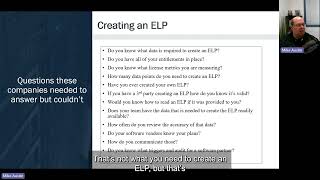
A presentation by Mike Austin explaining how to build an Effective License Position (ELP) for software compliance. The speaker emphasizes understanding which data is required (beyond basic inventory dumps), and highlights that auditors commonly request Active Directory to reconcile device counts during audits—using examples like Office and Adobe desktop products and cloud subscriptions.
Chapters
More from Mike



youtube.com
Microsoft Add-Ons Hidden Costs Explained | EA Renewal Risk & License Optimization Expertise Sharing
7mo ago

youtube.com
SaaS Sprawl Explained: How Decentralized Software Buying Destroys Negotiation Leverage.
7mo ago

youtube.com
Microsoft EA Renewal Strategy: Mike Austin Explains How the War Room Method Works.
8mo ago





See all content
